
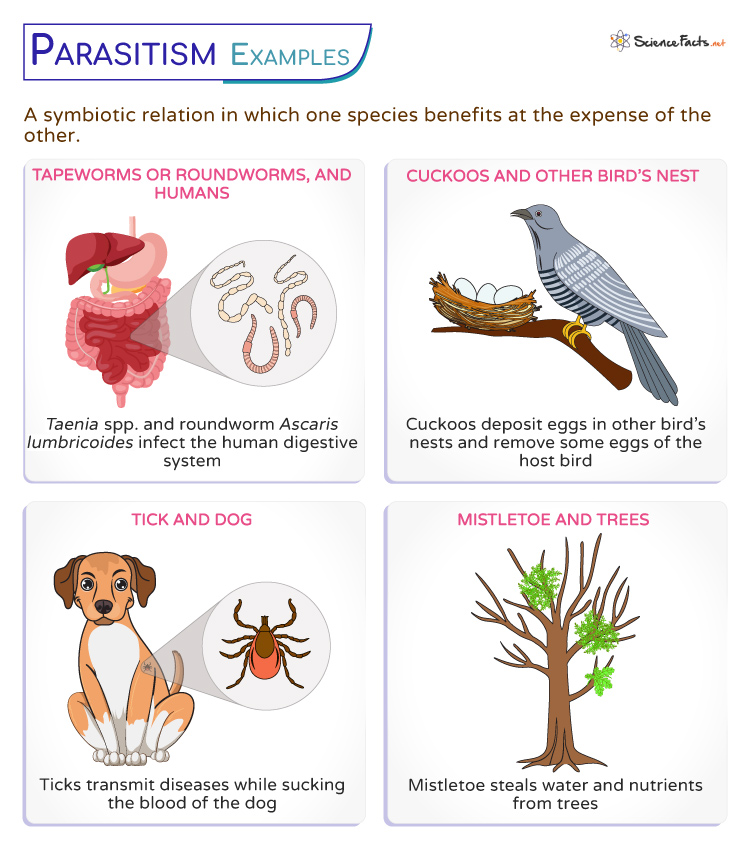
In biology, parasitism is defined as a relationship between two species in which one benefits at the expense of the other, often causing significant harm to the host. As our global ecosystem has shifted from the physical to the digital, this biological concept has found a profound new home within technology. Digital parasitism refers to software, entities, or processes that latch onto a healthy system, network, or device to extract value—whether that be data, processing power, or financial gain—while degrading the host’s performance or security.
Understanding these relationships is critical for developers, cybersecurity professionals, and casual users alike. In the high-stakes world of modern technology, these parasitic relationships are rarely accidental; they are often engineered with precision to remain undetected for as long as possible. Here, we explore five distinct examples of parasitism within the tech niche, analyzing how they function and the impact they have on the digital landscape.

1. Cryptojacking: The Invisible Resource Thief
Cryptojacking represents one of the most contemporary and sophisticated forms of digital parasitism. This occurs when a malicious actor hijacks a host’s computing resources—such as the CPU or GPU—to mine cryptocurrency without the user’s consent. Unlike a virus that seeks to destroy data, a cryptojacker wants the host system to remain functional and online for as long as possible to maximize “mining” time.
The Mechanics of Resource Hijacking
Cryptojacking typically manifests in two ways: via file-based malware or browser-based scripts. In the latter scenario, a user might visit a compromised website that executes a hidden JavaScript miner (like the now-defunct Coinhive). While the user browses the site, their processor spikes to 100% capacity as it solves complex mathematical equations to verify blockchain transactions. The rewards for this work—the cryptocurrency—are sent directly to the attacker’s wallet, while the host is left with a sluggish machine, high electricity bills, and a significantly shortened hardware lifespan due to heat exhaustion.
Impact on Infrastructure and Cloud Computing
This parasitic relationship is not limited to personal laptops. Modern cryptojackers target enterprise-level cloud environments, such as AWS or Azure. By gaining access to a company’s cloud console, attackers can spin up hundreds of virtual machines to mine crypto. In this scenario, the “host” is the corporation that receives a massive, unexpected invoice for cloud consumption, while the parasite walks away with liquid digital assets.
2. Bloatware and “Crapware”: The OEM Parasite
When you purchase a new laptop or smartphone, you often find it pre-loaded with a variety of applications you never asked for—trial versions of antivirus software, branded toolbars, or redundant media players. This is known as bloatware. This relationship is parasitic because the hardware manufacturer (OEM) receives a commission from software vendors to pre-install these apps, while the user suffers from reduced storage, slower boot times, and potential privacy vulnerabilities.
The Degradation of User Experience
Bloatware functions as a parasite by consuming system memory (RAM) and background processing power. Many of these applications are configured to launch automatically upon startup. For the average user, this results in a “heavy” operating system that feels old even when it is brand new. The host (the user’s device) provides the environment for the software to exist, while the software provides no value in return, often pestering the user with “upgrade” notifications or data-collection prompts.
Security Risks and System Stability
Beyond performance issues, bloatware often lacks the rigorous security updates that primary operating systems receive. These “ride-along” applications create a larger attack surface for hackers. A vulnerability in a pre-installed, forgotten photo editor can serve as a backdoor into the entire system. In this sense, the parasitic software doesn’t just drain resources; it actively weakens the host’s immune system against external threats.
3. Data Scraping and Shadow APIs: The Content Parasites
In the age of Artificial Intelligence and Big Data, information is the most valuable currency. Data scraping involves using automated bots to extract massive amounts of information from websites. While some scraping is legitimate (like search engine indexing), a parasitic relationship emerges when “shadow” entities scrape proprietary data to build competing products or train Large Language Models (LLMs) without compensation or attribution to the original creator.
Exploitation of Bandwidth and IP
Every time a bot scrapes a website, it uses the host’s server bandwidth and computing power. When thousands of bots hit a site simultaneously, they can cause a denial-of-service (DoS) effect, making the site inaccessible to legitimate users. The host pays for the hosting and content creation, while the parasite harvests the intellectual property to fuel its own algorithms, effectively “sucking the marrow” out of the original platform’s value.
The Rise of API Exploitation
Many tech platforms offer APIs (Application Programming Interfaces) to allow legitimate data sharing. Parasitic entities, however, often look for “Shadow APIs”—unsecured or undocumented endpoints—to bypass rate limits and fees. By exploiting these backdoors, they can drain a company’s database in real-time. This relationship is entirely one-sided; the host bears the cost of maintaining the database and the infrastructure, while the parasite builds a profitable business model on top of stolen data.
4. Adware and Injectors: Parasites of the Browser Ecosystem
Adware is a type of software that automatically displays or downloads advertising material when a user is online. While it might seem like a mere nuisance, its relationship with the host system is deeply parasitic. It attaches itself to legitimate software or browser extensions, redirecting web traffic and “injecting” ads into pages where they don’t belong.
Subverting the User Interface
A common example is “Cookie Stuffing” or affiliate fraud. In this scenario, a parasitic browser extension waits for a user to visit a site like Amazon. The extension then silently injects its own affiliate tracking code into the browser. If the user makes a purchase, the parasite earns a commission that should have gone to a legitimate marketer or stayed with the retailer. The host system’s browser is utilized as a vehicle for fraudulent financial gain.
Data Exfiltration via Adware
Modern adware does more than show pop-ups; it often acts as a gateway for spyware. By monitoring a user’s search history, keystrokes, and location data, the adware builds a profile to sell to third-party data brokers. The host machine is forced to work against the interests of its owner, transforming from a private tool into a surveillance device that benefits the advertiser.
5. Malicious Browser Extensions and “Helper” Apps
The browser extension marketplace is a fertile ground for parasitic relationships. Many users install extensions for utility—such as dark mode toggles, grammar checkers, or coupon finders. However, many of these tools are “Trojan Horse” parasites. Once they gain permission to “read and change all your data on the websites you visit,” the relationship turns exploitative.
The Lifecycle of a Parasitic Extension
Often, a developer will create a legitimate, useful extension and gain a large user base. A malicious entity will then buy the extension from the original developer. Once the ownership transfers, the new owners push an update that contains malicious code. The users, who still trust the “host” app, unknowingly update. The extension then begins to redirect search queries to biased search engines, steal login credentials, or use the browser as part of a botnet.
Resource Leaks and System Instability
Even when not explicitly malicious, many poorly coded extensions act as “accidental parasites.” They suffer from memory leaks, where they continually request more RAM without ever releasing it. Over time, the browser becomes a resource hog, causing the entire operating system to hang. The host provides the environment for the extension to run, but the extension’s inefficiency eventually leads to the “death” of the host process, requiring a hard restart.
Mitigating Parasitic Risks in Technology
The evolution of technology suggests that parasitic relationships will only become more complex. As we integrate more IoT (Internet of Things) devices into our homes and move toward a more decentralized web, the opportunities for resource and data exploitation will grow.
To protect the integrity of our digital systems, a proactive approach is required. This includes:
- Zero-Trust Architecture: Treating every piece of software as a potential parasite until its behavior is verified.
- Endpoint Detection and Response (EDR): Using tools that monitor for the “symptoms” of parasitism, such as unexplained CPU spikes or unauthorized outbound data transfers.
- Digital Hygiene: Regularly auditing installed software and browser extensions, and removing “bloatware” that no longer serves a clear purpose.
In conclusion, just as in the natural world, parasitism in tech is a survival strategy. By understanding these five examples—cryptojacking, bloatware, data scraping, adware, and malicious extensions—we can better equip ourselves to build more resilient, “immune” systems that prioritize the health of the host over the greed of the parasite. Knowledge of these exploitative relationships is the first step toward a more secure and efficient digital future.
aViewFromTheCave is a participant in the Amazon Services LLC Associates Program, an affiliate advertising program designed to provide a means for sites to earn advertising fees by advertising and linking to Amazon.com. Amazon, the Amazon logo, AmazonSupply, and the AmazonSupply logo are trademarks of Amazon.com, Inc. or its affiliates. As an Amazon Associate we earn affiliate commissions from qualifying purchases.