
In the world of global commerce and personal finance, time is often equated directly with currency. Perhaps no phenomenon in the travel industry encapsulates this relationship more than the “red-eye flight.” Traditionally defined as a flight that departs late at night and arrives at its destination early the following morning, the red-eye is more than just a grueling travel itinerary—it is a sophisticated financial tool used by corporations, budget-conscious travelers, and airlines alike to optimize capital and maximize the value of every hour.
Understanding the mechanics of the red-eye flight requires looking past the physical fatigue of the passengers and into the underlying economics of the aviation industry and the personal financial strategies of the modern traveler.
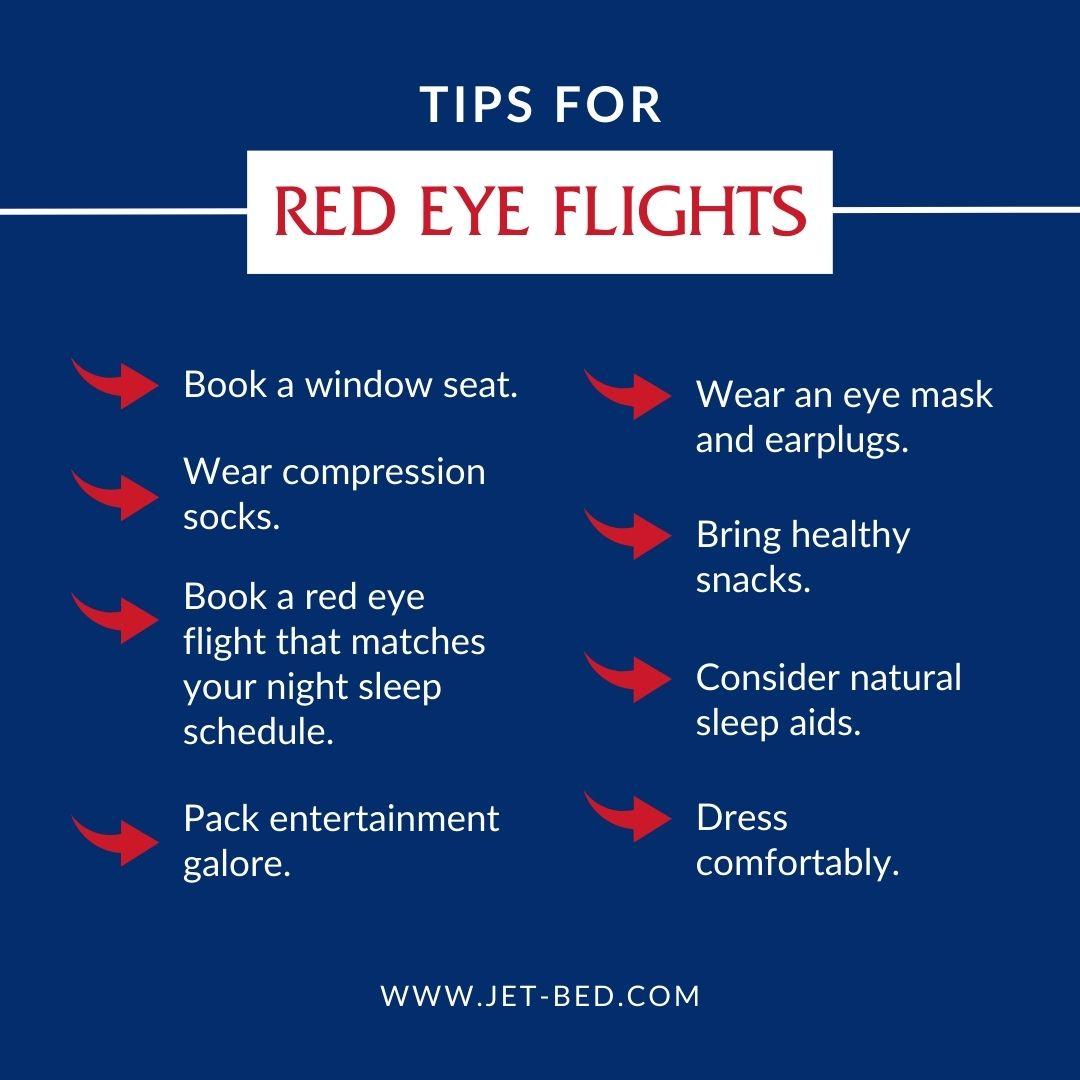
The Economics of the Red-Eye: Why Night Flights Cost Less
The primary allure of the red-eye flight for the average consumer is the price tag. Almost universally, overnight flights are priced lower than their daytime counterparts. This pricing disparity is not accidental; it is a calculated result of market demand and the high fixed costs of airline operations.
Supply and Demand Dynamics in the Aviation Market
The airline industry is a classic example of “perishable inventory.” A seat on a flight that takes off empty represents revenue lost forever. During peak hours—typically mid-morning and late afternoon—demand for travel is high, allowing airlines to command premium prices. However, demand drops significantly during the late-night hours.
To ensure that their multi-million dollar assets (the aircraft) are not sitting idle on a tarmac, airlines offer deep discounts on overnight slots. By lowering the price, they capture a segment of the market that is “price-sensitive”—travelers who are willing to sacrifice comfort for a lower fare. From a financial perspective, this allows the airline to cover its marginal costs (fuel and crew) while contributing to the fixed costs of the aircraft’s lease or mortgage.
Revenue Management and Seat Inventory
Airlines utilize complex algorithms to manage revenue, adjusting prices in real-time based on booking velocity. Red-eye flights serve as a crucial “relief valve” for these systems. When daytime flights reach capacity and prices skyrocket, the red-eye remains an accessible entry point for last-minute travelers. For the airline, this ensures a steady cash flow and higher “load factors” (the percentage of seats filled), which is a key metric for investors and analysts when evaluating an airline’s financial health.
Maximizing ROI: How Business Travelers Use Red-Eyes to Save
For the corporate world, the red-eye flight is a strategic asset used to maximize the Return on Investment (ROI) of a business trip. When a company sends an executive or a consultant across the country or the globe, the costs extend far beyond the airfare.
Reducing Corporate Lodging Expenses
One of the most immediate financial benefits of the red-eye flight is the elimination of one night’s hotel stay. In major business hubs like New York, London, or Tokyo, a single night in a business-class hotel can cost anywhere from $300 to $600. By flying through the night, the traveler effectively uses the airplane as their accommodation.
For a large corporation with thousands of employees traveling annually, the cumulative savings from opting for red-eye flights can reach millions of dollars. These savings drop directly to the bottom line, improving the company’s operational efficiency and travel budget management.
The Value of a “Found” Work Day
In the legal, financial, and consulting sectors, time is billed by the hour. A daytime flight from Los Angeles to New York consumes roughly six hours of flight time plus three hours of time zone change, effectively “killing” an entire business day.
The red-eye flight solves this “time-poverty” issue. By flying overnight, a professional can complete a full day of work on the West Coast, travel while they would otherwise be sleeping, and arrive on the East Coast in time for a 9:00 AM meeting. This allows for 100% productivity on both days. When viewed through the lens of billable hours, the red-eye flight isn’t just a cheap ticket—it’s a way to unlock thousands of dollars in potential revenue that would otherwise be lost to transit.
Personal Finance and the Budget Traveler: Is the Discount Worth the Cost?
While the business case for the red-eye is often clear-cut, the personal finance perspective requires a more nuanced “cost-benefit analysis.” For the individual traveler, the savings on the ticket must be weighed against the “hidden costs” that arise from sleep deprivation and physical exhaustion.
Hidden Expenses of Sleep Deprivation
A common mistake in personal financial planning is focusing solely on the “sticker price” of an item while ignoring the secondary costs. A red-eye flight might save a traveler $150 on airfare, but if that traveler arrives too exhausted to use public transportation and instead opts for an expensive Uber, or if they require an “early check-in” fee at their hotel to nap, the savings begin to evaporate.
Furthermore, there is the “productivity tax.” If a freelancer or a self-employed individual takes a red-eye and finds themselves unable to work effectively the following day, the loss of income from that day of low productivity may far exceed the initial savings on the flight. In financial terms, this is an “opportunity cost”—the loss of potential gain from other alternatives when one alternative is chosen.
Strategic Booking: When to Choose the Red-Eye for Maximum Savings
To truly benefit financially from a red-eye, a traveler must be strategic. The most successful “budget hackers” use the following criteria to determine if the overnight flight is a sound financial move:
- The $200 Rule: If the price difference between the red-eye and a daytime flight is less than $100, the physical toll usually outweighs the financial gain. If the difference is over $200, the ROI of the “suffering” becomes more attractive.
- Destination Infrastructure: Choosing a red-eye is only financially viable if the destination has reliable, cheap transit available at 6:00 AM.
- The “Day Zero” Plan: If the traveler can afford to have a “low-output” day upon arrival without losing income, the red-eye remains a powerful tool for stretching a personal travel budget.
The Future of Overnight Travel: Premium Economy and the Business of Rest
The aviation industry is currently undergoing a shift in how it monetizes the red-eye flight. Recognizing that passengers are increasingly willing to pay for a “slightly better” experience, airlines are moving away from the binary choice of “Cramped Coach” vs. “Expensive First Class.”
The Upsell: Monetizing Comfort in the Middle of the Night
Airlines have discovered a lucrative middle ground: Premium Economy. By offering slightly more legroom, better blankets, and noise-canceling headphones for an extra $50 to $100, airlines are successfully increasing the “Average Revenue Per User” (ARPU) on red-eye routes.
For the passenger, this is a strategic financial trade-off. They are still paying less than a daytime flight or a hotel room, but they are “investing” a portion of those savings back into their own physical recovery. This “Micro-Upgrade” strategy has become a significant profit center for major carriers, proving that even in the bargain-basement environment of night travel, there is room for margin expansion.
Leveraging Loyalty Programs for Overnight Upgrades
From a wealth-management perspective, savvy travelers use the red-eye flight as the optimal time to burn “frequent flyer miles” or upgrade certificates. Because demand for the red-eye is lower, the “award availability” is often much higher.
Using 20,000 miles to upgrade to a lie-flat seat on an overnight flight provides a much higher “value per mile” than using those same miles on a short daytime hop. In this scenario, the traveler saves the cash on a hotel, saves the cash on a daytime flight, and uses a depreciating asset (miles) to ensure they arrive refreshed and ready to work. It is the ultimate “arbitrage” play in the world of travel finance.

Conclusion: The Red-Eye as a Financial Instrument
Ultimately, the red-eye flight is far more than an inconvenient schedule; it is a testament to the prioritization of capital efficiency over personal comfort. For the airline, it is a way to keep assets moving and capture price-sensitive market share. For the corporation, it is a method of slashing overhead and maximizing billable time. For the individual, it is a challenging but effective way to navigate the world on a budget.
By understanding the economics of the red-eye, travelers can stop viewing these flights as a burden and start viewing them as a calculated financial decision. Whether you are protecting a corporate budget or stretching your personal savings, the red-eye remains one of the most effective, if exhausting, ways to make your money—and your time—work harder for you.
aViewFromTheCave is a participant in the Amazon Services LLC Associates Program, an affiliate advertising program designed to provide a means for sites to earn advertising fees by advertising and linking to Amazon.com. Amazon, the Amazon logo, AmazonSupply, and the AmazonSupply logo are trademarks of Amazon.com, Inc. or its affiliates. As an Amazon Associate we earn affiliate commissions from qualifying purchases.