
LinkedIn. It’s the digital handshake, the virtual business card, and for many, the primary hub for professional networking and career advancement. But beyond connecting with colleagues and following industry leaders, a crucial element of LinkedIn’s architecture often leaves new users scratching their heads: the mysterious “1st, 2nd, and 3rd” degrees of connection. Understanding these connection levels isn’t just about deciphering a LinkedIn feature; it’s about unlocking the true power of your network, leveraging it for career growth, and strategically expanding your influence. This article will demystify these connection tiers and explore how they intertwine with the core tenets of technology, branding, and money that drive today’s professional landscape.
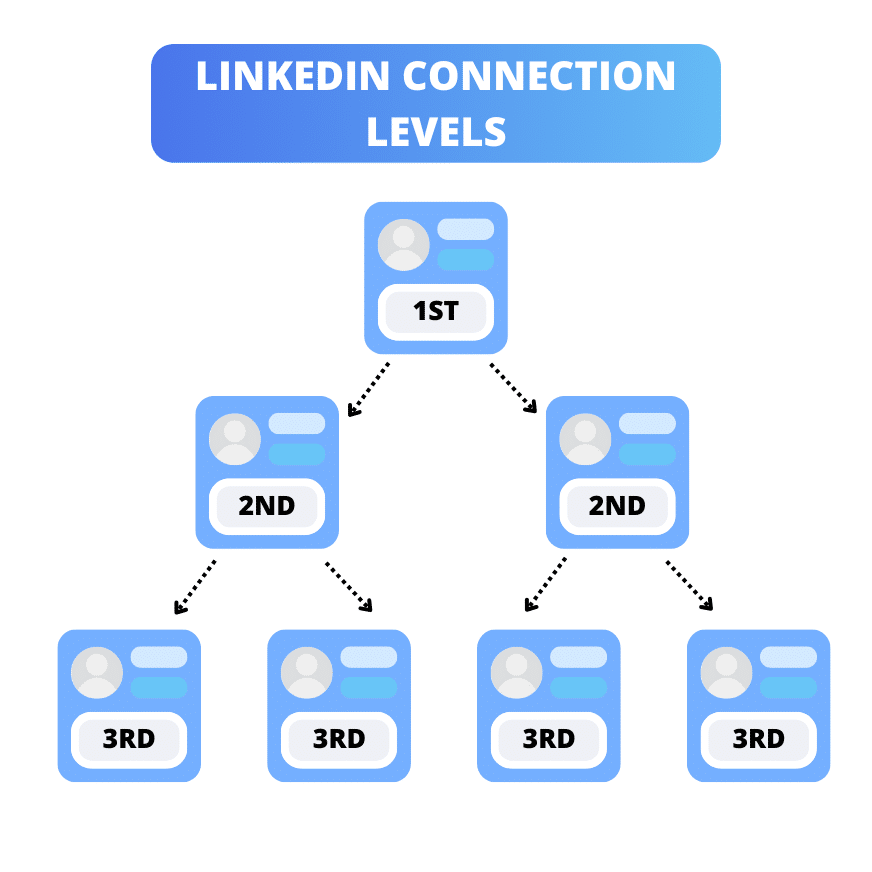
Decoding Your LinkedIn Connections: The Tiers of Influence
At its core, LinkedIn categorizes your connections based on their proximity to you. This system is designed to provide context and facilitate more targeted networking. Think of it as a digital ripple effect, where your direct contacts are the closest waves, and their contacts are the subsequent, spreading ripples.
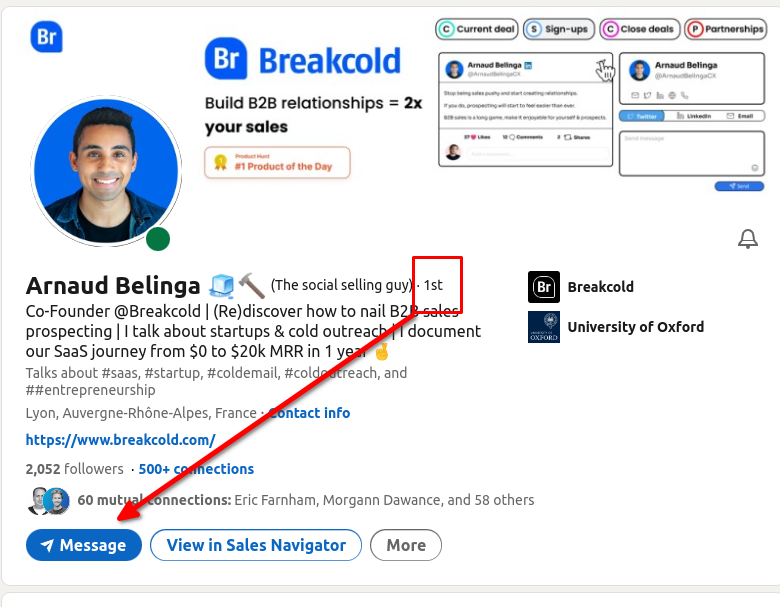
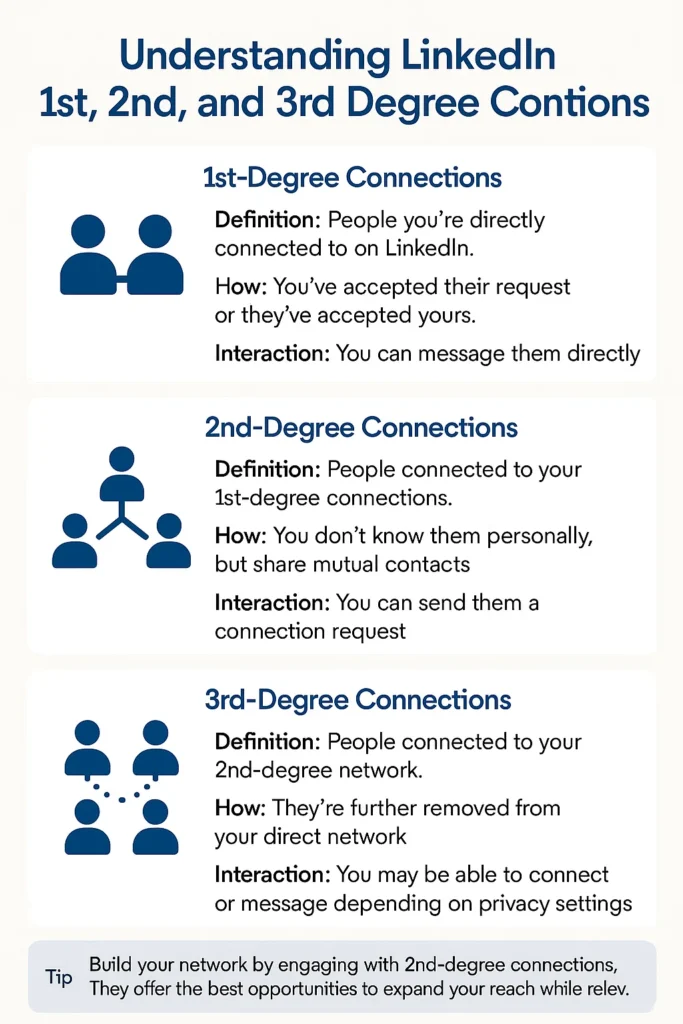
1st-Degree Connections: Your Inner Circle
These are the people you have directly connected with on LinkedIn. You’ve sent them a connection request, and they’ve accepted, or vice-versa. This is your immediate network, the individuals with whom you have a direct professional relationship.
- Who they are: Colleagues (past and present), managers, clients, former classmates, industry peers you’ve met at events, or anyone you’ve interacted with professionally and chosen to connect with.
- Their significance: 1st-degree connections are the most valuable for immediate networking and information exchange. You can message them directly without any LinkedIn-imposed limitations. Their insights are often the most relevant to your immediate professional needs.
- Leveraging 1st-degree connections:
- Job Referrals: If you’re looking for a new opportunity, your 1st-degree connections are your prime candidates for referrals within their companies.
- Direct Information: Need to know about a specific company’s culture, a particular software’s effectiveness, or the latest trends in your niche? Ask your 1st-degree connections.
- Collaboration: Looking for a partner for a project, a co-author for an article, or someone to co-host a webinar? Your direct network is the first place to look.
- Endorsements and Recommendations: These connections can vouch for your skills and provide testimonials, significantly boosting your personal brand.
In the realm of Technology: Your 1st-degree connections might be fellow developers who can offer insights into a new programming language, IT managers who can discuss software procurement challenges, or colleagues who are early adopters of a new AI tool. Their direct experience is invaluable.
In the realm of Brand: These are individuals who can recommend your personal brand for a speaking engagement, offer feedback on your marketing strategy, or provide testimonials for your corporate identity.
In the realm of Money: Your 1st-degree connections might be trusted financial advisors, former business partners who can offer insights into investment opportunities, or colleagues who have successfully navigated online income streams.
2nd-Degree Connections: The Extended Network
These are the connections of your 1st-degree connections. You don’t know them directly, but you have a mutual contact. LinkedIn shows you these connections, and you can often send them a connection request with an introductory message.
- Who they are: Colleagues of your colleagues, people in your broader industry who are connected to your direct network, individuals you might have encountered briefly but didn’t connect with directly.
- Their significance: 2nd-degree connections represent a significant expansion of your reach. They are often the gateway to new opportunities and broader industry insights. While you can’t message them directly for free, you can initiate a connection.
- Leveraging 2nd-degree connections:
- Introductions: The most effective way to connect with a 2nd-degree connection is through an introduction from your mutual 1st-degree contact. A personalized message explaining why you want to connect, cc’ing your mutual connection, can be very powerful.
- Industry Exploration: If you’re researching a new industry or looking to understand a particular market segment, exploring your 2nd-degree connections can reveal key players and potential insights.
- Talent Acquisition: If you’re hiring, your 1st-degree connections might know ideal candidates within their 2nd-degree network.
- Market Research: Understanding the landscape of potential clients, partners, or competitors often involves delving into your 2nd-degree connections.
In the realm of Technology: You might discover leading researchers in your field, influential figures in emerging tech sectors, or potential vendors for specialized software through your 2nd-degree network.
In the realm of Brand: These connections could be influential marketers, brand strategists at companies you admire, or designers whose work you respect. An introduction can open doors to collaboration or mentorship.
In the realm of Money: Your 2nd-degree connections might include venture capitalists you want to pitch to, successful entrepreneurs in your niche, or financial analysts who can provide macro-economic insights.
3rd-Degree Connections: The Outer Rings
These are the connections of your 2nd-degree connections. They are two degrees of separation away from you. You can see them, and often see the mutual 2nd-degree connection that links you. Direct messaging is not possible, and introductions are more indirect.
- Who they are: Colleagues of colleagues of your colleagues. This is where your network truly begins to broaden into the wider professional world.
- Their significance: 3rd-degree connections represent the vast potential of LinkedIn. While direct engagement is limited, they are crucial for understanding broader industry trends, identifying emerging companies, and for serendipitous discoveries.
- Leveraging 3rd-degree connections:
- Company Research: You can identify companies of interest and then explore their employees within your 3rd-degree network to understand their organizational structure and key personnel.
- Event Discovery: People you know (even indirectly) might be attending or speaking at industry events, providing a reason for you to attend and potentially expand your network further.
- Industry Insights: By observing the content and discussions of individuals at the 3rd-degree level, you can gain a broader understanding of industry sentiment and emerging ideas.
- Indirect Influence: While you can’t directly interact, a strong and well-curated 1st and 2nd-degree network can influence how your 3rd-degree connections perceive you, especially if they see your name associated with valuable content or endorsements.
In the realm of Technology: You might identify startups that are disrupting established markets, discover new open-source projects gaining traction, or find engineers working on cutting-edge hardware through your 3rd-degree connections.
In the realm of Brand: This tier can reveal emerging branding trends, innovative marketing campaigns, or even potential clients in entirely new sectors that your direct network hasn’t yet intersected.
In the realm of Money: You might discover new investment vehicles, understand the funding landscape for specific industries, or identify emerging economic influencers through these distant connections.
The Strategic Power of Connection Tiers: Beyond Simple Contacts
Understanding the degrees of connection is not just an academic exercise; it’s fundamental to building a robust and effective professional network that supports your goals in technology, brand building, and financial growth.
Building Your Brand Through Network Layers
Your LinkedIn network is a direct reflection of your professional brand. Each connection, regardless of its degree, contributes to the overall perception of your influence and expertise.
- 1st-Degree for Validation: Your direct connections are your most vocal brand advocates. Their endorsements and recommendations are direct validations of your skills and experience. Actively seek these from people who truly know your capabilities.
- 2nd-Degree for Expansion: Connecting with individuals in your 2nd-degree network, especially through warm introductions, can significantly broaden the reach of your brand. It positions you as someone who is not only competent but also well-connected and respected by industry insiders. This can lead to opportunities for speaking engagements, guest articles, or even advisory roles.
- 3rd-Degree for Market Intelligence: While direct interaction is limited, observing your 3rd-degree connections can offer invaluable insights into market perception and emerging trends. If a particular company or individual is gaining traction at this level, it signals a shift in the industry that your brand might need to acknowledge or even leverage.
For example: A software developer (Tech) with a strong network of colleagues (1st-degree) who can endorse their coding skills and recommend them for projects. Through these colleagues, they connect with a hiring manager at a prominent tech company (2nd-degree), leading to an interview. In parallel, by observing the discussions of other developers in their 3rd-degree network, they gain an early understanding of a new framework that could enhance their personal brand as an innovator.
Monetizing Your Network: Opportunities Across Degrees
Your LinkedIn network is a powerful asset that can directly or indirectly contribute to your financial well-being.
- 1st-Degree for Immediate Opportunities: This is where most direct income-generating opportunities arise. Referrals for jobs, freelance gigs, partnership opportunities for side hustles, or even sales leads for your business are most likely to originate from your immediate network.
- 2nd-Degree for Strategic Investment and Business Growth: A 2nd-degree connection might be an investor, a potential strategic partner for a business venture, or a key contact who can open doors to lucrative B2B contracts. Building relationships here requires more finesse, often involving mutual connections.
- 3rd-Degree for Long-Term Financial Vision: While less direct, understanding what’s happening at the 3rd-degree level can inform your investment strategies. Identifying emerging companies that are attracting talent at this level could signal future growth opportunities. For those looking to build an online income stream, observing successful individuals and companies at this distant tier can provide inspiration and benchmarks.
Consider this: A financial consultant (Money) receives a referral for a high-net-worth individual from a former client (1st-degree). This client then introduces them to a venture capitalist within their network (2nd-degree), leading to an investment opportunity in a promising startup. By observing the financial discussions of executives at companies within their 3rd-degree network, the consultant stays ahead of market trends, enhancing their advisory services.
The Tech Edge: Leveraging LinkedIn’s Features for Network Mastery
LinkedIn’s platform is a technological marvel designed to facilitate these connections. Understanding its features allows you to maximize the value of each connection tier.
- Advanced Search Filters: Utilize LinkedIn’s advanced search to find 2nd and 3rd-degree connections based on industry, company, job title, or location. This is crucial for targeted networking.
- “People You May Know” and “Who’s Viewed Your Profile”: These features, driven by algorithms, can help you identify potential connections you might have overlooked or discover individuals who are already showing interest in your profile.
- Group Participation: Joining industry-specific LinkedIn groups can expose you to individuals at all degrees of connection, fostering organic interactions and making you visible to a wider audience.
- InMail (Premium Feature): For those who invest in LinkedIn Premium, InMail allows you to send direct messages to individuals outside your immediate network, making it a powerful tool for reaching 2nd and even some 3rd-degree connections without a mutual contact.
In Conclusion:
The “1st, 2nd, and 3rd” on LinkedIn are more than just labels; they are a strategic roadmap to building a powerful professional network. By understanding the nuances of each connection degree and how they relate to your goals in Technology, Brand, and Money, you can move beyond passive networking to actively cultivating relationships, unlocking opportunities, and ultimately, accelerating your career trajectory. Treat your LinkedIn network not just as a list of contacts, but as a dynamic ecosystem of potential, influence, and growth.
aViewFromTheCave is a participant in the Amazon Services LLC Associates Program, an affiliate advertising program designed to provide a means for sites to earn advertising fees by advertising and linking to Amazon.com. Amazon, the Amazon logo, AmazonSupply, and the AmazonSupply logo are trademarks of Amazon.com, Inc. or its affiliates. As an Amazon Associate we earn affiliate commissions from qualifying purchases.