
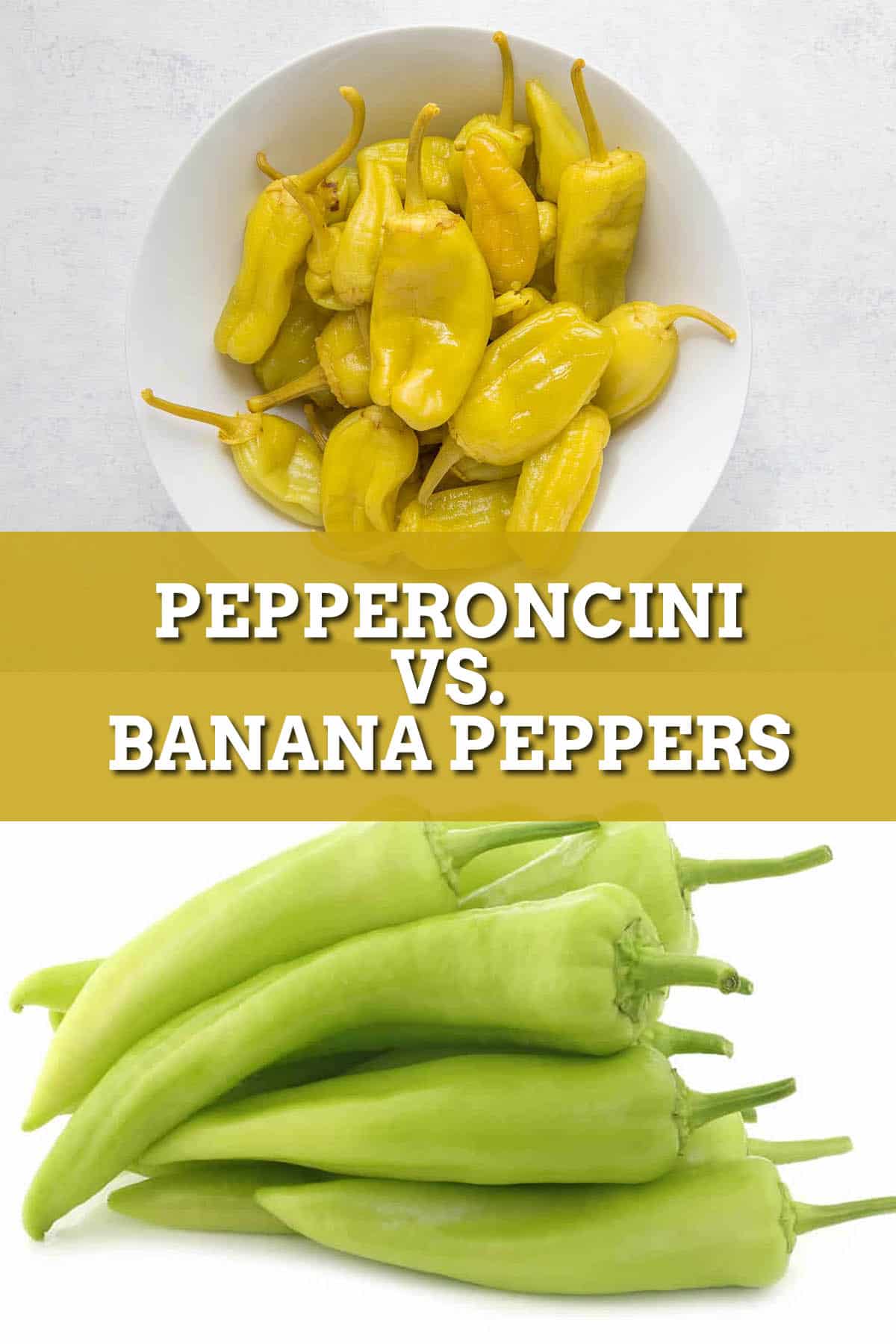
In the high-stakes world of consumer packaged goods (CPG), the “illusion of choice” is a meticulously crafted strategy. Nowhere is this more apparent than in the condiment aisle of a modern supermarket. To the untrained eye, the glass jars containing yellow-green rings and whole pickled peppers appear nearly identical. However, for brand strategists and marketing executives, the distinction between the banana pepper and the pepperoncini is a masterclass in product positioning, demographic targeting, and corporate identity.
The question of “what is the difference” is rarely just a matter of Scoville heat units or botanical origins; it is a question of how a brand carves out a niche for two products that occupy the same physical and mental shelf space. This article explores the brand strategies that keep these two products distinct in the eyes of the consumer and how companies leverage these subtle differences to drive market share.
Market Positioning and the Psychology of Naming
In branding, a name is never just a label; it is a promise of an experience. The way banana peppers and pepperoncinis are named speaks volumes about their intended market position and the psychological triggers they aim to pull.
The Semantic Seduction of “Pepperoncini”
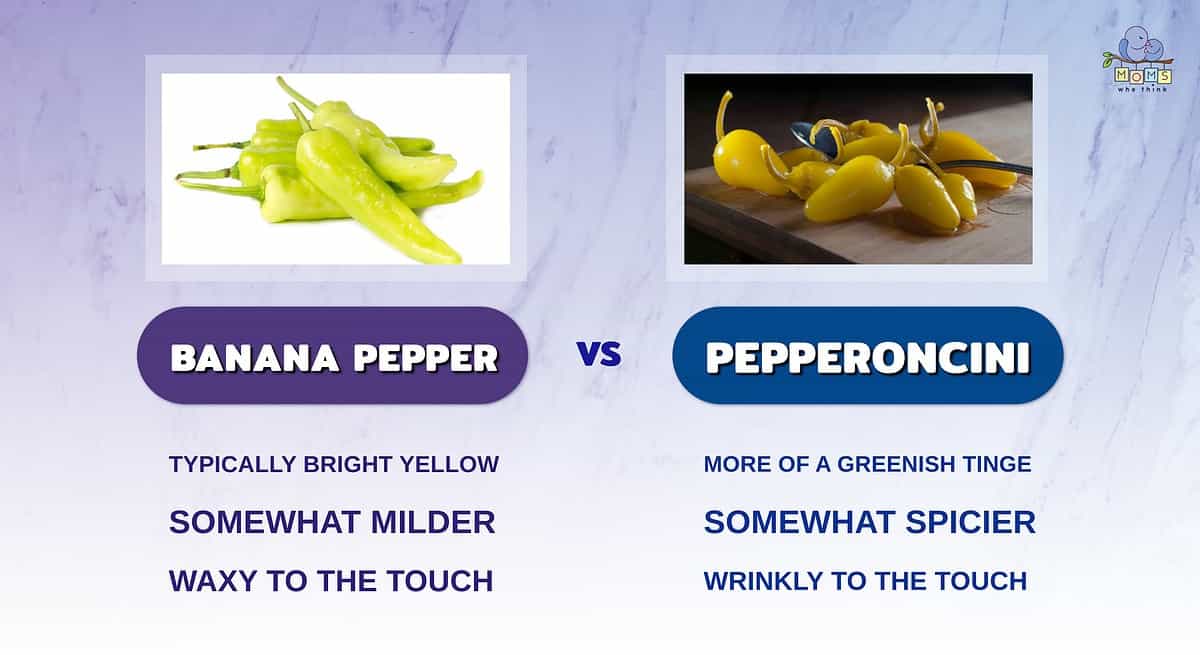
The word “pepperoncini” carries an inherent “Old World” prestige. From a brand strategy perspective, the name leverages the “Origin Effect”—the phenomenon where consumers associate a product’s quality with its perceived geographical roots. By maintaining the Italian nomenclature, brands position pepperoncinis as an “authentic” Mediterranean staple. This appeals to the “Epicurean Enthusiast” demographic—consumers who are willing to pay a premium for products that feel artisanal, imported, or culturally rich. When a brand labels a jar as Pepperoncini, they are selling an association with Greek salads, Italian antipasto, and a refined palate.
“Banana Peppers” and the Power of Visual Descriptive Branding
Conversely, the “banana pepper” is branded through visual literalism. In marketing, descriptive branding reduces the “cognitive load” on the consumer. The name tells you exactly what to expect: a fruit shaped like a banana. This strategy is designed for the mass-market consumer who prioritizes utility and accessibility. Banana peppers are frequently positioned as a “friendly” condiment—sweet, mild, and familiar. By leaning into the visual similarity to a common fruit, brands strip away the intimidation factor often associated with spicy peppers, making them a staple for sub sandwiches and family-style pizzas.
Packaging Design as a Silent Communicator
Once the naming convention is established, the visual identity of the packaging must reinforce the brand’s promise. In the “split-second” environment of retail shopping, packaging design acts as a silent salesperson, communicating the difference between these two products without a single word of copy.
Visual Cues: Color Palettes and Texture Representation
Brand designers use specific color cues to differentiate these two products. Banana pepper branding often utilizes bright, vibrant yellows and greens on the labels, reflecting the “sunshine” and mildness of the product. The imagery usually depicts clean, uniform rings, suggesting a controlled, industrial perfection that appeals to the “reliable” brand persona.
In contrast, pepperoncini packaging often leans into deeper, earthier tones. Brands like Mezzetta or Divina frequently use muted greens, creams, and gold foils. The product is often shown whole, with visible wrinkles and seeds. This visual imperfection is a deliberate brand choice; it signals “natural,” “rustic,” and “unprocessed.” For the consumer, the texture shown on the label translates to a perception of higher quality and complex flavor.
Labeling Strategies: Artisan vs. Commodity Appeal
The typography and material of the label further cement the brand identity. Banana peppers are often found in jars with high-gloss, plastic-coated labels and bold, sans-serif fonts. This communicates a “commodity” status—a reliable, high-volume product. Pepperoncinis, particularly in the premium segment, often feature matte paper labels, elegant serif fonts, and perhaps a “family-owned since…” or “hand-picked” stamp. This is a classic brand strategy used to move a product from the “staple” category to the “specialty” category, allowing for higher margins.
Targeting the Consumer: Demographic Segmentation

A successful brand strategy requires a deep understanding of who is buying the product and why. While the two peppers are botanically similar, they are marketed to different “buyer personas” through targeted placement and brand associations.
The Mediterranean Aura: Positioning for the Gourmet Market
The pepperoncini brand is heavily intertwined with the “Health and Wellness” and “Gourmet” segments. Marketing campaigns for these products often show them as an ingredient in a lifestyle—a component of a charcuterie board at a social gathering or a topping for a Mediterranean diet-compliant salad. Brands are not just selling a pepper; they are selling the “Lifestyle of the Mediterranean.” This demographic is less price-sensitive and more focused on the brand’s story, the “cleanliness” of the brine, and the absence of artificial dyes (like Yellow 5, which is common in commodity banana peppers).
The Pizza-Topper Paradigm: Bulk Branding and Fast-Casual Integration
Banana peppers, meanwhile, have successfully dominated the “Fast-Casual” and “Home Comfort” segments. Brands like Mt. Olive have positioned banana peppers as the ultimate versatile topping. This is “Bulk Branding”—the goal is to be in every refrigerator door in middle America. The brand strategy here is one of “Ubiquity and Integration.” By partnering with major pizza chains (like Papa Johns or Subway), banana pepper processors create a feedback loop: the consumer sees the pepper in a fast-food context and then seeks out the same familiar brand at the grocery store.
Case Studies in Brand Differentiation
To understand how these strategies manifest in the real world, we can look at two titans of the pickled vegetable industry and how they manage their portfolios.
Mt. Olive vs. Mezzetta: A Tale of Two Strategies
Mt. Olive is a classic example of a “Market Leader in the Commodity Space.” Their banana pepper rings are a flagship product. Their brand identity is built on trust, consistency, and value. Their labeling is bright, their distribution is massive, and their message is simple: “The pepper you know and love.” They don’t need to explain the difference; they rely on their massive brand equity to ensure they are the default choice for the average shopper.
Mezzetta, on the other hand, operates with a “Premium-Mainstream” strategy. While they sell both, their branding of the Golden Greek Peperoncini (note the “Peperoncini” spelling variant) is what sets them apart. They use high-quality glass jars, distinctive branding that emphasizes their family heritage, and specific origin call-outs. They have successfully convinced a large segment of the market that their pepperoncini is an “elevated” version of a standard pickled pepper, allowing them to capture the “Affluent Home Cook” market.
Private Labels and the Homogenization of the Deli Aisle
The rise of private labels (store brands like Kirkland Signature or 365 by Whole Foods) has forced national brands to innovate. Private labels often use a “Copycat Branding” strategy, mimicking the color schemes of the market leader. To combat this, national brands of banana peppers and pepperoncinis have had to pivot toward “Value-Add Branding”—introducing “Mild,” “Hot,” or “Zesty” variations to create a “Brand Family” that a generic store brand cannot easily replicate.
Future Trends in Product Identity and Consumer Education
As we move into an era of “Hyper-Informed Consumers,” the brand strategy surrounding these products is evolving once again.
The Rise of Transparency in Ingredient Branding
Modern consumers are increasingly skeptical of “mystery brines.” Brand strategy is shifting toward “Clean Label” initiatives. For banana peppers, this means removing artificial colorings and highlighting “Simple Ingredients” on the front of the pack. For pepperoncinis, it means emphasizing non-GMO status and sustainable farming practices in Greece or Italy. This “Transparent Branding” builds a deeper level of brand loyalty that transcends the product itself.
Storytelling as a Tool for Market Survival
In a saturated market, the brand that tells the best story wins. We are seeing a move toward “Ancestral Branding,” where the history of the pepper—its journey from a specific region to the consumer’s table—is the focus of the marketing. This storytelling helps justify the price gap between a $2.00 jar of generic banana peppers and a $6.00 jar of “Estate-Grown Pepperoncinis.”
By understanding these nuances, we see that the difference between banana peppers and pepperoncinis is not just a culinary trivia point. It is a testament to the power of branding, packaging, and market segmentation. It is the art of taking nature’s bounty and transforming it into a distinct, marketable corporate identity. Whether you prefer the sweet crunch of the banana pepper or the tangy bite of the pepperoncini, you are not just making a flavor choice—you are responding to a sophisticated brand narrative.
aViewFromTheCave is a participant in the Amazon Services LLC Associates Program, an affiliate advertising program designed to provide a means for sites to earn advertising fees by advertising and linking to Amazon.com. Amazon, the Amazon logo, AmazonSupply, and the AmazonSupply logo are trademarks of Amazon.com, Inc. or its affiliates. As an Amazon Associate we earn affiliate commissions from qualifying purchases.