
In the competitive world of global spirits, few beverages have achieved the meteoric rise and market dominance of soju. Often referred to as “Korea’s national drink,” soju is the best-selling spirit in the world by volume, a feat driven largely by the strategic positioning of brands like Jinro and Chum Churum. However, for a brand to resonate globally, its identity must be rooted in its essence. When consumers ask, “What’s soju made of?” they aren’t just asking for a list of raw materials; they are inquiring about the heritage, the purity, and the manufacturing integrity that defines the brand’s value proposition.

Understanding the composition of soju is essential to understanding its brand strategy. From the traditional rice-based distillates of the Goryeo Dynasty to the modern, diluted iterations that dominate current export markets, the ingredients are the story. In this analysis, we explore how the raw materials of soju—rice, grains, starches, and sweeteners—are leveraged to create a brand identity that balances tradition with mass-market accessibility.
The Core Ingredients: Authenticity as a Brand Pillar
At its heart, the brand identity of any premium spirit is dictated by its “mash bill” or base ingredients. For soju, this identity has undergone a radical transformation over the last century, shifting from a luxury grain spirit to a versatile mass-market product, and recently, back toward high-end artisanal roots.
Traditional Foundations: The Rice Heritage
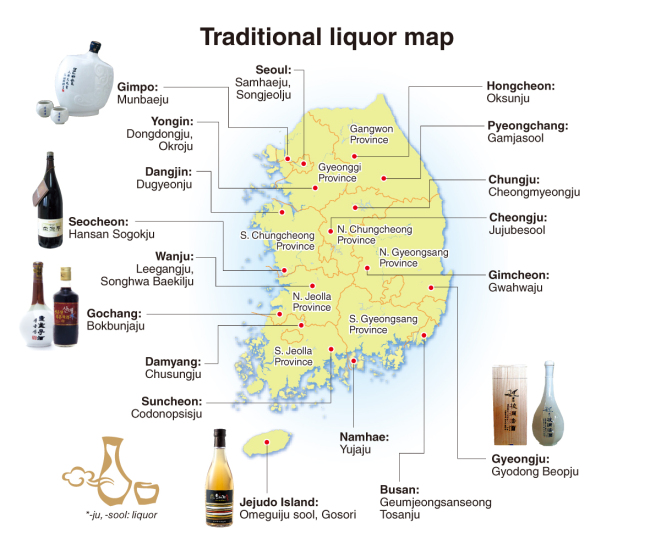
Traditionally, soju was made exclusively from rice. This connection to the land and to a staple crop provided a brand image of purity and status. High-end brands today, such as Hwayo or Won Soju, lean heavily into this “100% Rice” narrative. By highlighting the use of domestic Korean rice, these brands position themselves within the “Premium” and “Authentic” categories of brand strategy. The choice of ingredient here is a marketing tool used to justify a higher price point and to appeal to a sophisticated consumer base that values heritage over cost.
The Era of Diversification: Sweet Potatoes and Tapioca
In the mid-20th century, a government ban on using rice for liquor production forced soju manufacturers to innovate. This period saw the introduction of sweet potatoes, barley, wheat, and even tapioca as fermentable bases. While this was born of necessity, it allowed brands to master the art of “Diluted Soju” (huiseok-sik soju). From a brand strategy perspective, this was a pivot from “Purity” to “Accessibility.” By utilizing cheaper starches, brands were able to scale production and lower price points, making soju the “drink of the people.” This accessibility became the cornerstone of the corporate identity for giants like HiteJinro, cementing their place in the daily lives of consumers.
Distillation Methods: Crafting the Premium Identity
How a brand treats its ingredients during the production process is just as vital as the ingredients themselves. The technical distinction between “Distilled Soju” and “Diluted Soju” is more than a manufacturing difference; it is a primary driver of brand segmentation.
Atmospheric vs. Vacuum Distillation
In the premium sector, the distillation process is a key part of the brand storytelling. Traditional atmospheric distillation involves heating the mash at high temperatures, which imparts a complex, toasted flavor profile. Brands that use this method market themselves as “Craft” or “Heritage” labels.
Conversely, many modern brands utilize vacuum distillation, which lowers the boiling point of the alcohol. This results in a cleaner, smoother taste with fewer impurities. From a branding standpoint, this “Smoothness” is the primary selling point. It targets a younger demographic and an international audience who may find the bold flavors of traditional spirits intimidating. By focusing on the “Clean” and “Smooth” attributes derived from their distillation technology, brands can position themselves as modern, approachable, and refreshing.
The Role of Water and Filtration
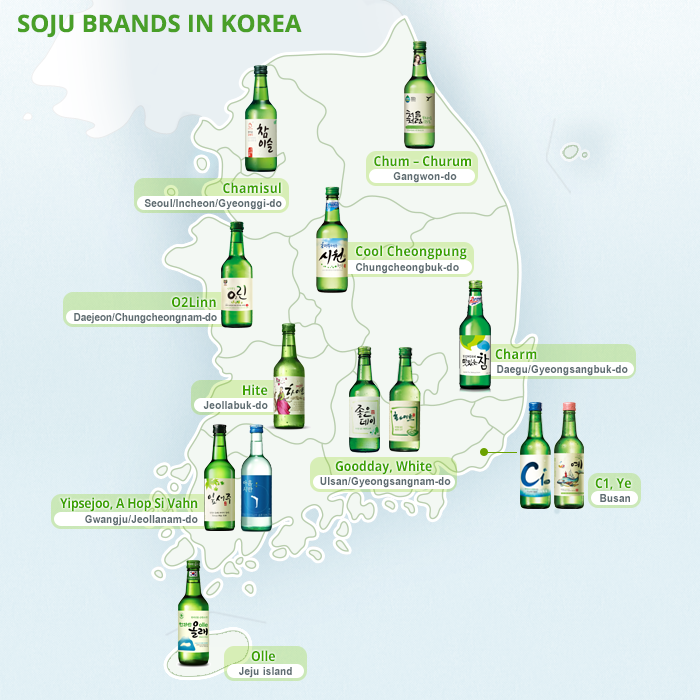
In the world of beverage branding, water is never “just water.” It is a geographical marker and a symbol of purity. Many leading soju brands emphasize their water source—whether it is volcanic bedrock water from Jeju Island or deep-sea mineral water. Furthermore, the use of bamboo charcoal filtration has become a hallmark of the Jinro brand. This isn’t just a chemical process to remove oils; it is a powerful branding narrative. It suggests a “natural” and “eco-friendly” purification process that resonates with health-conscious consumers and reinforces the “Fresh” identity of the product.
The Marketing of Purity: The “Green Bottle” and Visual Identity
The physical manifestation of what soju is “made of” is often represented through its iconic packaging. The ubiquitous green bottle is perhaps one of the most successful examples of visual brand identity in the global alcohol industry.
The “Clean” Narrative in Korean Alcohol Branding
The ingredients of soju—clean water, grains, and natural sweeteners—are reflected in the minimalist design of the labels. Most mass-market soju brands utilize white and blue color palettes on their labels to evoke a sense of coldness and purity. This visual strategy aligns with the product’s composition: a clear, colorless liquid. By maintaining a consistent visual language across different ingredient bases (whether rice or sweet potato), the industry has created a unified “Soju Category” that is instantly recognizable on a global shelf.
Celebrity Endorsements and the “Freshness” Factor
In South Korea, the branding of soju is inextricably linked to the concept of “Freshness” (iseul). Top-tier brands consistently sign high-profile Hallyu stars (K-pop and K-drama icons) to be the face of their products. These marketing campaigns rarely focus on the technicalities of the fermentation process. Instead, they focus on the feeling the ingredients provide. The narrative is that the spirit is so pure and clean that it complements any food and facilitates social bonding. This “lifestyle branding” shifts the consumer’s focus from the chemical makeup of the drink to the emotional experience of consuming it.
Global Expansion and the Brand Evolution
As soju moves beyond the borders of the Korean peninsula, what it is “made of” is being adapted to suit global palates and international regulations. This represents a significant shift in corporate brand strategy.
Adapting Ingredients for International Palates
To compete with vodka and gin in Western markets, soju brands have introduced flavored variants. By infusing the base spirit with natural fruit extracts like grapefruit, green grape, and plum, brands have successfully lowered the barrier to entry for new consumers. From a brand management perspective, these flavored soju products act as “gateway brands.” They leverage the clean, neutral base of traditional soju to carry bold, recognizable flavors, allowing the brand to capture a share of the “RTD” (Ready-to-Drink) and cocktail markets.
Soju as a Cultural Ambassador
The branding of soju has evolved into a form of “Nation Branding.” When a consumer in New York or London picks up a bottle of soju, they are buying a piece of Korean culture. Major brands have leaned into this, using the ingredients’ origins as a way to promote the “K-Wave.” By associating soju with K-BBQ and specific social rituals (like the art of pouring for others), the brands have ensured that the product is perceived not just as a spirit, but as an essential cultural experience. This strategic move from “Product-Centric” to “Experience-Centric” branding is what has allowed soju to maintain its dominance even as consumer tastes change.
Conclusion: The Future of Soju Branding
The question of “what’s soju made of” is ultimately a question of brand integrity. Whether it is a high-end distillery using traditional organic rice or a global giant utilizing advanced filtration and natural sweeteners, the ingredients are the foundation upon which the brand’s promise is built.
As we look to the future, we can expect to see further “premiumization” in the industry. As global consumers become more educated about what they consume, soju brands will likely provide even more transparency regarding their sourcing and distillation methods. The brands that will win the next decade are those that can successfully marry the “low-cost, high-fun” image of the green bottle with a transparent, quality-focused narrative about their ingredients. In the end, soju is made of more than just grains and water; it is made of a rich history, a calculated brand strategy, and an unwavering commitment to being the world’s most versatile social spirit.
aViewFromTheCave is a participant in the Amazon Services LLC Associates Program, an affiliate advertising program designed to provide a means for sites to earn advertising fees by advertising and linking to Amazon.com. Amazon, the Amazon logo, AmazonSupply, and the AmazonSupply logo are trademarks of Amazon.com, Inc. or its affiliates. As an Amazon Associate we earn affiliate commissions from qualifying purchases.