
The image is stark, simple, yet loaded with profound meaning: an athlete, clad in uniform, lowering themselves to one knee during a moment traditionally reserved for standing in reverence. In the world of football, “taking a knee” has transcended its literal action to become a powerful symbol, igniting debates, fostering solidarity, and drawing a sharp line in the sand regarding social justice, patriotism, and the role of athletes in political discourse. While its origins are relatively recent, the gesture has etched itself into the global consciousness, fundamentally reshaping how we view sports, activism, and the intricate dance between individual expression and corporate interests. Far from a mere physical act, taking a knee represents a complex nexus where deeply held beliefs collide with the immense power of technology, the delicate art of branding, and the undeniable force of money.
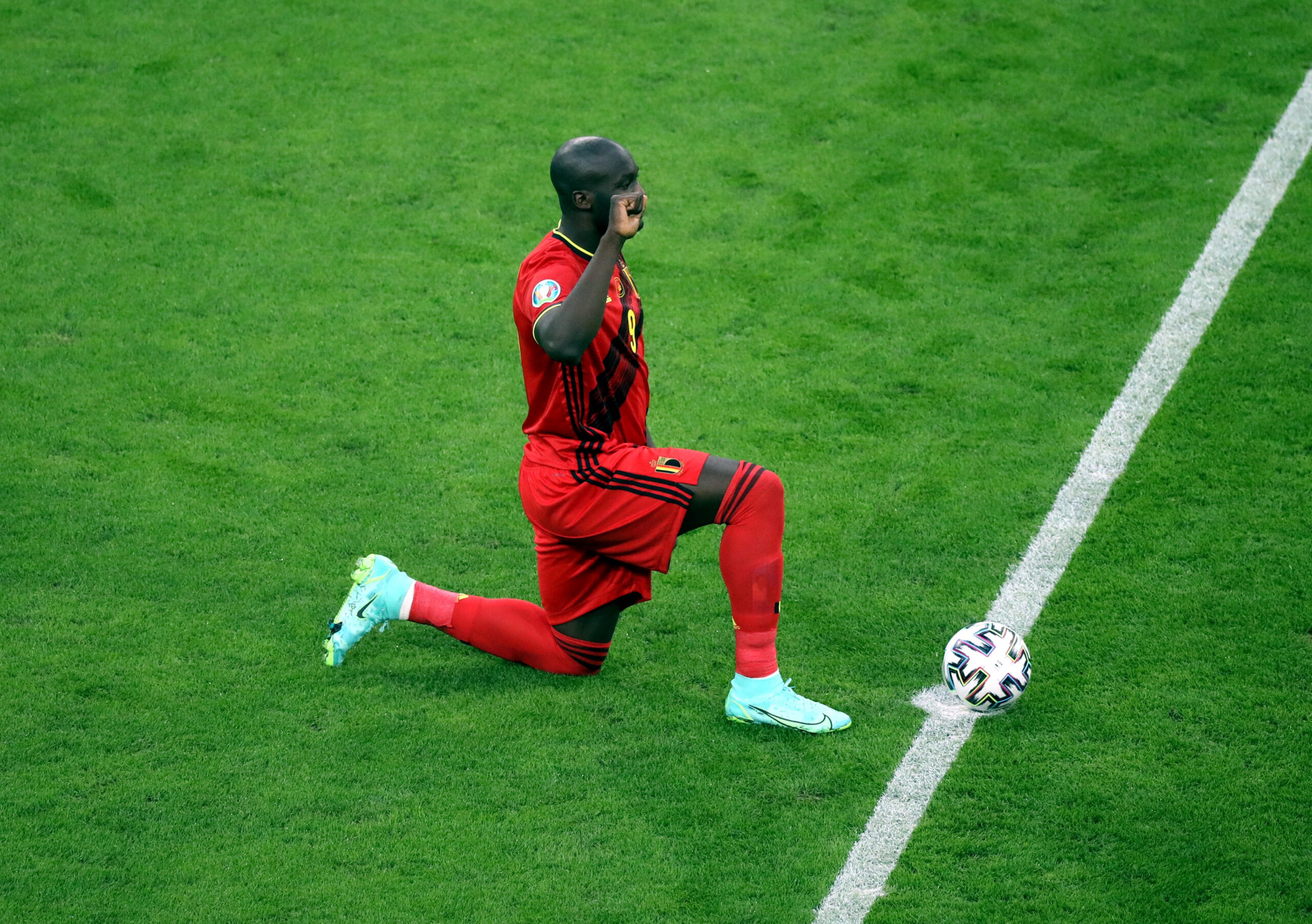
The Gesture: A Legacy of Protest and Its Evolving Meaning
The act of taking a knee in sports as a form of protest is not entirely unprecedented – historical examples exist, albeit less publicized. However, its modern iteration and widespread recognition are inextricably linked to one individual and a specific moment in time.
Origins with Colin Kaepernick: The Initial Intent
The story begins in the 2016 NFL preseason. Colin Kaepernick, then a quarterback for the San Francisco 49ers, initially sat during the national anthem before a game. When questioned, he explained his actions were a protest against racial injustice and police brutality in the United States. “I am not going to stand up to show pride in a flag for a country that oppresses black people and people of color,” Kaepernick stated. His silent protest quickly evolved; advised by former Green Beret Nate Boyer, Kaepernick shifted from sitting to taking a knee, believing it to be a more respectful, yet equally impactful, posture of protest. The intent was clear: to draw attention to systemic inequalities and injustices faced by marginalized communities, particularly African Americans, at the hands of law enforcement. It was a plea for dialogue, a demand for accountability, and a powerful assertion of a fundamental right to protest.
Evolution and Broadening Interpretations
What started as a specific protest against racial injustice and police brutality soon began to ripple outwards, acquiring new layers of interpretation and significance. As other players, and eventually athletes in different sports and countries, joined Kaepernick in solidarity, the gesture evolved. For some, it remained a direct echo of Kaepernick’s original message. For others, it broadened to encompass a wider spectrum of social justice issues, including economic inequality, LGBTQ+ rights, or general human rights concerns. Critics, however, interpreted it differently. Many viewed it as disrespectful to the flag, the military, and the nation, perceiving it as an affront to patriotism rather than a call for justice. This division underscored the power of symbolism: a single action could carry vastly different meanings depending on an individual’s perspective, values, and political leanings. The gesture became a litmus test, revealing deep societal fault lines and challenging individuals and organizations to articulate their stance. It also became a symbol of unity for those who supported the message, a silent but potent expression of shared values and collective dissent.
The Global Echo
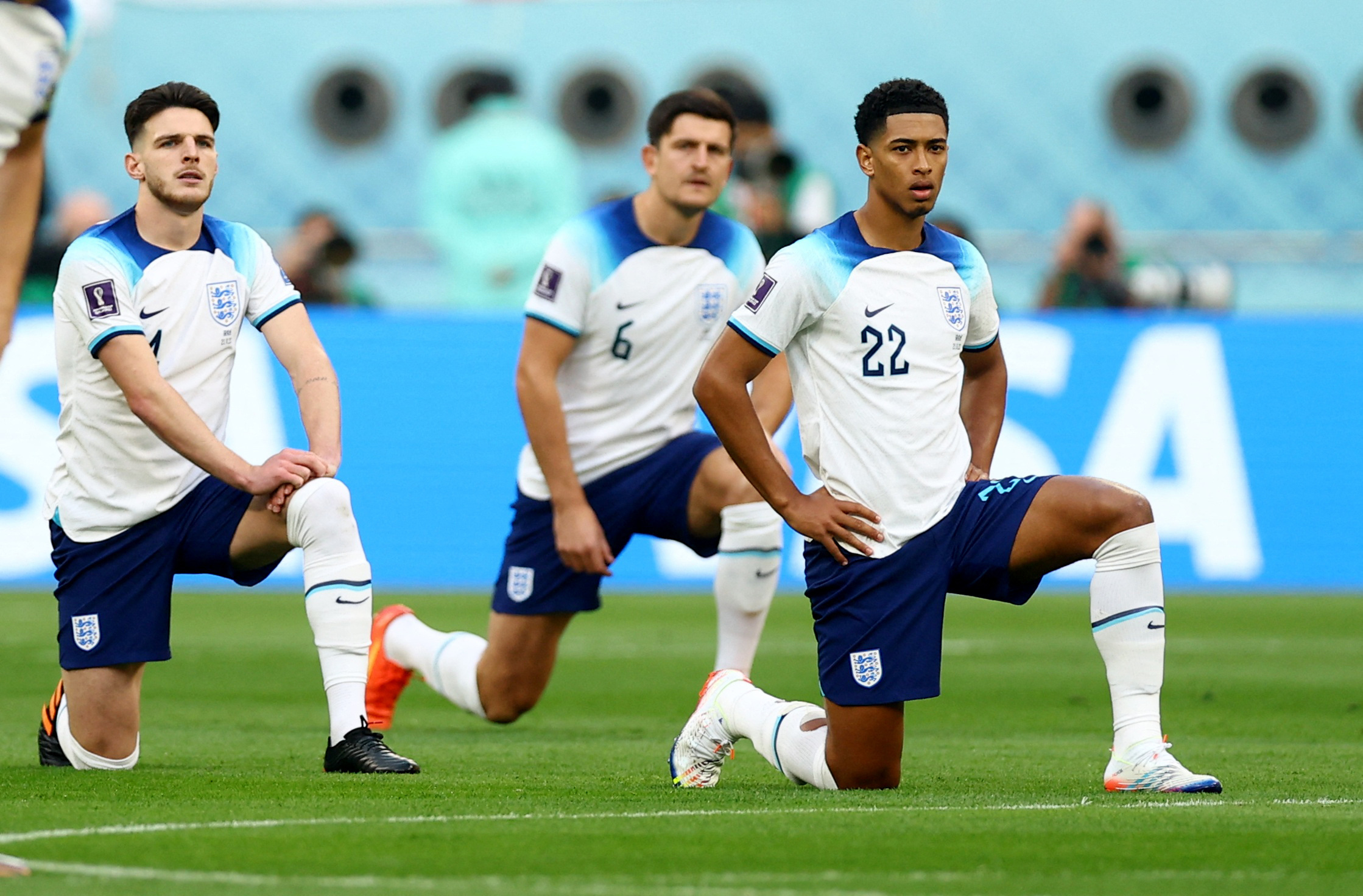
The powerful symbolism of taking a knee did not remain confined to American football. Its image, amplified by global media and the interconnectedness of the digital age, resonated far beyond the NFL stadiums. Athletes in various sports across Europe, particularly in football (soccer) leagues like the Premier League, adopted the gesture in solidarity with the Black Lives Matter movement and anti-racism campaigns. It appeared in basketball, track and field, and even political protests. This global proliferation demonstrated the universal nature of the issues Kaepernick initially raised and the effectiveness of a simple, recognizable action in conveying complex messages across cultural and linguistic barriers. It transformed from an American football player’s protest into an international symbol of resistance against injustice, proving that a powerful, visually striking act can transcend its origins and become a universal language of dissent and solidarity.
The Tech Playbook: Amplifying Messages and Navigating the Digital Landscape
In the 21st century, no significant social or political movement unfolds in a vacuum, especially not one involving high-profile athletes. Technology, in its myriad forms, has played an indispensable role in shaping the narrative, reach, and impact of “taking a knee.”
Social Media as the Megaphone
Perhaps the most transformative technological tool in this context has been social media. Platforms like Twitter, Instagram, and Facebook served as instantaneous megaphones, broadcasting Kaepernick’s initial protest and every subsequent demonstration globally within seconds. Athletes could directly communicate their reasons for kneeling, bypassing traditional media filters. Hashtags like #TakeAKnee, #ImWithKap, and #BlackLivesMatter trended worldwide, creating digital communities of supporters and critics alike. These platforms allowed for the rapid dissemination of news, images, and opinions, turning individual acts of protest into viral movements. However, this double-edged sword also meant athletes, teams, and leagues faced an onslaught of online harassment, misinformation, and intense public scrutiny, requiring robust digital security measures and careful online presence management. The raw, unfiltered nature of social media amplified both solidarity and vitriol, making it a central battleground for public opinion.
Broadcasting and Analytics: Framing the Narrative
Traditional broadcasting, while sometimes criticized for its framing of the protest, still played a crucial role. Live television coverage of NFL games ensured millions witnessed the gesture firsthand, week after week. Sports networks and news outlets dedicated extensive airtime to discussions, analyses, and debates surrounding the protests. This continuous media exposure kept the issue alive in public discourse, forcing conversations that might otherwise have been avoided. Moreover, behind the scenes, advanced data analytics tools allowed leagues, teams, and broadcasters to track audience sentiment, viewership numbers, and social media engagement in real-time. These insights influenced strategic responses, marketing campaigns, and even the content produced, as organizations attempted to understand and manage the complex public reaction to the protests. AI-powered sentiment analysis tools could process vast amounts of text from social media and news articles to gauge public opinion, helping entities craft more targeted messages.

Digital Security and Athlete Advocacy
For athletes like Kaepernick who dared to speak out, the digital realm became both a platform for advocacy and a source of significant threat. Online harassment, doxing, and even death threats became unfortunate realities. Digital security, therefore, became paramount for these individuals, protecting their personal information and online accounts. Organizations supporting athlete activism also utilized digital tools for fundraising, organizing, and securely communicating with their networks. Furthermore, the rise of sophisticated AI tools for identifying hate speech and misinformation became relevant for platforms and organizations attempting to moderate content and protect their users, though their effectiveness remains a subject of ongoing debate. The digital landscape thus became an integral part of the protest, requiring athletes and their supporters to become digitally savvy activists, leveraging technology while simultaneously protecting themselves from its darker side.
Branding on the Line: Identity, Reputation, and Corporate Social Responsibility
The act of taking a knee forced every entity associated with football – from individual players to entire leagues and their corporate sponsors – to confront profound questions about their brand identity, reputation, and commitment to social responsibility.
Athlete Personal Branding and Activism
For athletes, especially those with significant public profiles, taking a knee was an ultimate test of their personal brand. Colin Kaepernick, for instance, saw his playing career effectively ended by his stance, yet his personal brand as an activist and symbol of resistance grew exponentially. He leveraged his platform not just for protest, but to launch initiatives like “Know Your Rights Camp,” receiving numerous awards for his activism. This demonstrated a new frontier in personal branding: the willingness to sacrifice traditional career success for a deeper, values-driven identity. Other athletes who joined the protest faced similar dilemmas, weighing potential career repercussions against the desire to align their public persona with their private convictions. Endorsement deals became precarious; some sponsors distanced themselves, while others, aligning with the athlete’s values or sensing a shift in public sentiment, chose to support them, creating “purpose-driven” brand partnerships.
League and Team Branding: Navigating Controversy
The NFL, as the primary stage for these protests, found itself in an unprecedented branding crisis. Its brand, traditionally built on patriotism, unity, and entertainment, was suddenly fractured by divisive political discourse. The league’s initial responses were perceived by many as tone-deaf or punitive, further damaging its brand reputation among certain demographics. It faced pressure from team owners, players, fans, and political figures, all with conflicting expectations. Over time, the NFL’s stance evolved, moving towards acknowledging and supporting players’ rights to peaceful protest, and committing significant funds to social justice initiatives. This shift was a strategic branding decision, attempting to mend relationships with players and a segment of its fanbase, showcasing a commitment to corporate social responsibility (CSR) beyond just sport. Teams, too, had to navigate this tightrope, balancing fan loyalty with player support, leading to varying degrees of success in their local branding efforts.
Sponsor and Partner Branding: Aligning Values
Corporate sponsors, the financial lifeblood of the NFL and its teams, were thrust into the spotlight. Companies like Nike, Pepsi, and Hyundai, deeply embedded in the sports ecosystem, had to make critical branding decisions. Would they stand by the league, potentially alienating consumers who supported the protests? Or would they align with the protesting athletes, risking backlash from those who opposed the gesture? Nike’s decision to feature Colin Kaepernick in its “Just Do It” campaign was a landmark moment in brand marketing, signaling a bold alignment with activism and social commentary. This move, while controversial, ultimately proved successful for Nike, resonating strongly with younger, socially conscious consumers and reinforcing its brand image as forward-thinking and fearless. This highlighted a broader trend: consumers, particularly millennials and Gen Z, increasingly expect brands to take a stand on social issues, making brand authenticity and values alignment critical for market positioning and long-term success.
The Financial Repercussions: The Cost and Value of Principle
Beyond the ideological battles, taking a knee had tangible financial consequences, revealing the intricate economic underpinnings of professional sports and the real-world costs and benefits of taking a stand.
Economic Impact on Players
For Colin Kaepernick, the financial cost was immense and immediate. After the 2016 season, he became a free agent and was never signed by another NFL team, despite being a talented quarterback. This effectively ended his lucrative playing career, representing millions of dollars in lost salary and potential endorsement earnings. Other players who participated in protests also faced varying degrees of financial pressure, from reduced playing time to difficulties securing new contracts. For some, endorsement deals were pulled or became harder to secure, forcing them to consider alternative income streams or rely more heavily on personal investments. This demonstrated a stark reality: while athletes have immense platforms, exercising freedom of expression can carry a severe economic penalty, challenging the notion of “speak truth to power” when one’s livelihood is at stake.
League and Franchise Economics
The NFL itself faced potential financial fallout. Initial reactions from some fans included calls for boycotts, leading to concerns about declining TV viewership and merchandise sales. While the overall long-term impact on viewership figures is debated and influenced by many factors, the controversy certainly strained relationships with some segments of its audience and political leaders. Sponsorships became more complex, with some brands expressing discomfort. However, the league also realized the financial imperative of resolving the issue to maintain its broad appeal and attract a new generation of fans who prioritized social justice. The NFL’s subsequent commitment of over $250 million to social justice initiatives, as part of a joint agreement with players, represented not just a moral pivot but also a significant financial investment aimed at repairing its brand and ensuring its economic stability in a changing social landscape. This also impacts investor confidence in franchises and the league itself, as stability and positive public perception are often tied to financial performance.
The Business of Activism and Investment in Social Responsibility
Ironically, while taking a knee incurred financial costs for some, it also catalyzed new forms of economic activity centered around activism. Donations poured into social justice organizations, some directly linked to players’ initiatives. Brands like Nike saw increased sales and positive market valuation after aligning with Kaepernick, demonstrating that purpose-driven marketing can translate into significant financial gains. This shift highlighted the growing trend of ethical investing and stakeholder capitalism, where investors increasingly consider a company’s social and environmental impact alongside financial returns. Wealth managers and financial tools designed for athletes and high-net-worth individuals now often incorporate strategies for philanthropic giving, impact investing, and managing wealth in a way that aligns with an individual’s public stance and values. The controversy over taking a knee underscored that money, like technology and branding, is not neutral; it is a powerful tool that can either stifle or fuel social change, reflecting the values and priorities of those who control it.
In conclusion, “taking a knee” in football is far more than a simple gesture. It is a powerful cultural phenomenon that has ignited profound conversations about race, justice, patriotism, and the intersection of sports and politics. Its legacy is intricately woven with the digital threads of technology, which amplified its reach and shaped its narrative. It profoundly impacted the complex world of branding, forcing athletes, teams, and corporations to redefine their identities and values in the public eye. And beneath it all lies the undeniable current of money, which dictates the risks and rewards of principle, shaping responses and revealing the economic realities of social activism in the modern era. As society continues to grapple with these issues, the silent, yet thunderous, act of taking a knee will undoubtedly remain a potent symbol of protest, resilience, and the enduring human quest for justice.
aViewFromTheCave is a participant in the Amazon Services LLC Associates Program, an affiliate advertising program designed to provide a means for sites to earn advertising fees by advertising and linking to Amazon.com. Amazon, the Amazon logo, AmazonSupply, and the AmazonSupply logo are trademarks of Amazon.com, Inc. or its affiliates. As an Amazon Associate we earn affiliate commissions from qualifying purchases.