
In the landscape of American culinary identity, few items possess the evocative power and localized prestige of the boudin ball. While a casual observer might see a simple fried appetizer, a brand strategist sees a masterclass in regional identity, product differentiation, and the commercialization of heritage. The transition of boudin—a traditional Cajun sausage—into the portable, marketable “boudin ball” represents a significant evolution in brand positioning within the food and beverage industry.
To understand what boudin balls are from a brand perspective is to understand how a niche cultural artifact can be transformed into a scalable, high-demand product that resonates across diverse demographics. This article explores the strategic frameworks that have allowed the boudin ball to transcend its origins and become a cornerstone of Southern culinary branding.
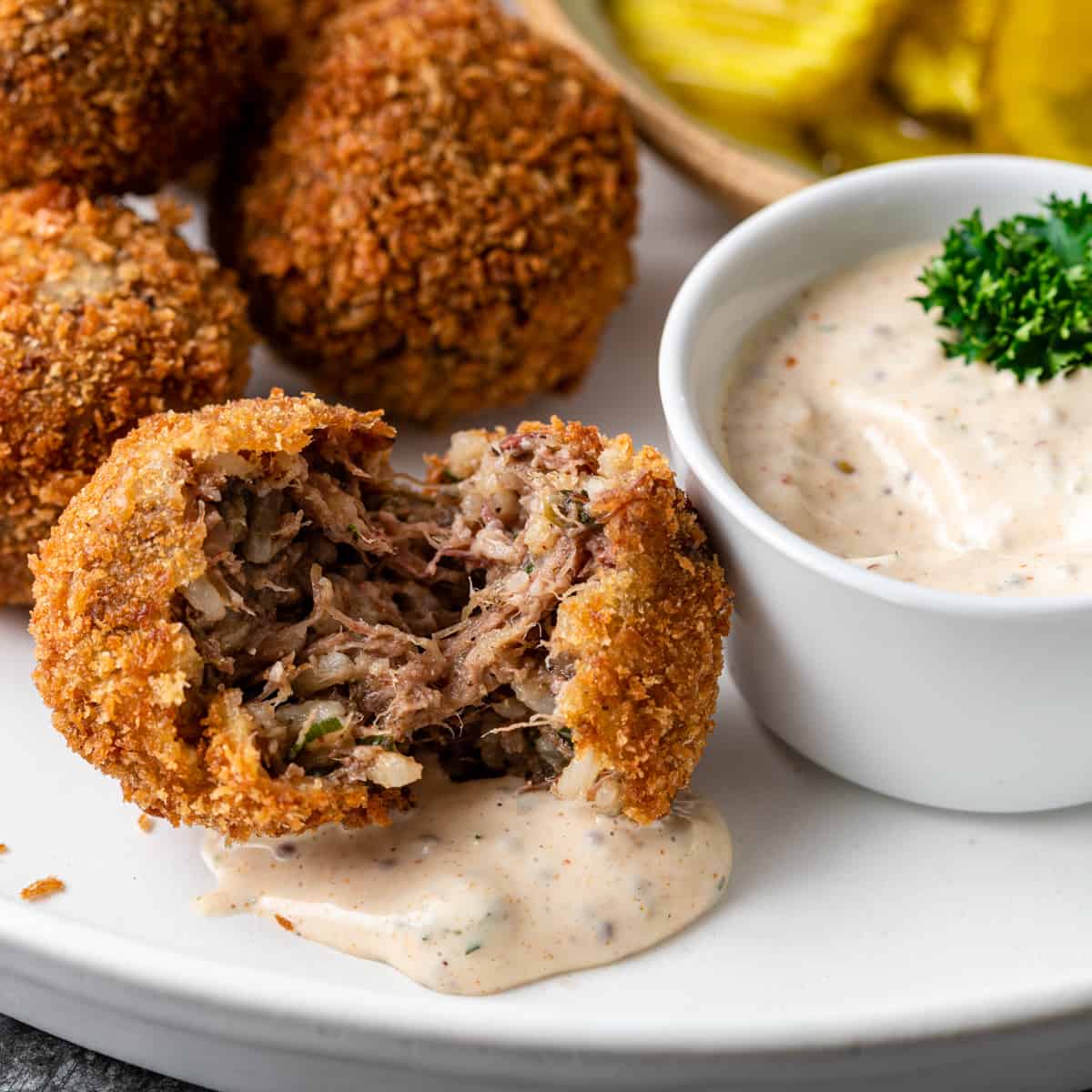
The Power of Origin: Defining the Boudin Ball Identity
At its core, the brand identity of the boudin ball is rooted in the concept of “terroir”—the idea that a product’s character is inseparable from the geography and culture in which it is produced. In branding, this is known as heritage marketing, where the history of the product serves as its primary value proposition.
The Heritage Brand Foundation
The boudin ball is a derivative of boudin blanc, a staple of Acadiana. Traditionally, boudin is a mixture of pork, liver, rice, onions, peppers, and spices stuffed into a casing. However, from a branding standpoint, the casing was a barrier to entry for many mainstream consumers. By removing the casing, rolling the filling into a ball, breading it, and frying it, producers created a “gateway product.” This strategic pivot allowed the brand to maintain its authentic flavor profile while adopting a form factor that appealed to the modern, convenience-driven consumer.
Authenticity as a Market Differentiator
In an era of mass-produced, homogenized food, “authenticity” has become a high-value currency. The boudin ball brand thrives on its perceived lack of artificiality. For a brand to successfully market boudin balls, it must lean into the “handmade” narrative. Whether it is a gas station in Scott, Louisiana, or a high-end bistro in New Orleans, the brand promise remains the same: a taste of a specific, un-reproducible culture. This exclusivity creates a competitive moat that national fast-food chains find difficult to breach.
From Local Staple to Marketable Asset: The Evolution of Culinary Branding
The transformation of boudin balls from a localized snack to a recognized brand asset involves sophisticated shifts in market positioning and consumer perception. What was once a “secret” of the Cajun prairies has been repackaged for a national audience, requiring a careful balance between tradition and modernization.
Premiumization and the Gourmet Shift
One of the most effective brand strategies applied to boudin balls in recent years is premiumization. By introducing high-quality ingredients—such as wagyu beef, artisanal pepper jack cheese centers, or organic grain rice—brands have elevated the boudin ball from a “gas station snack” to a “gourmet appetizer.” This allows for higher price points and positioning within the fine-dining sector. The brand story shifts from “affordable sustenance” to “curated culinary experience,” attracting a more affluent demographic without alienating the core base.
The Role of Visual Identity and Packaging
In the transition to retail and e-commerce, the visual branding of boudin balls has become paramount. Modern brands utilize rustic, “kraft paper” aesthetics and typography that evokes a sense of history to communicate quality. Packaging must also solve the functional challenge of maintaining the “crunch” factor—a key brand attribute—while signaling to the consumer that the product inside is artisanal. The brand is no longer just the food; it is the entire visual and tactile experience of the package arriving at the consumer’s door.
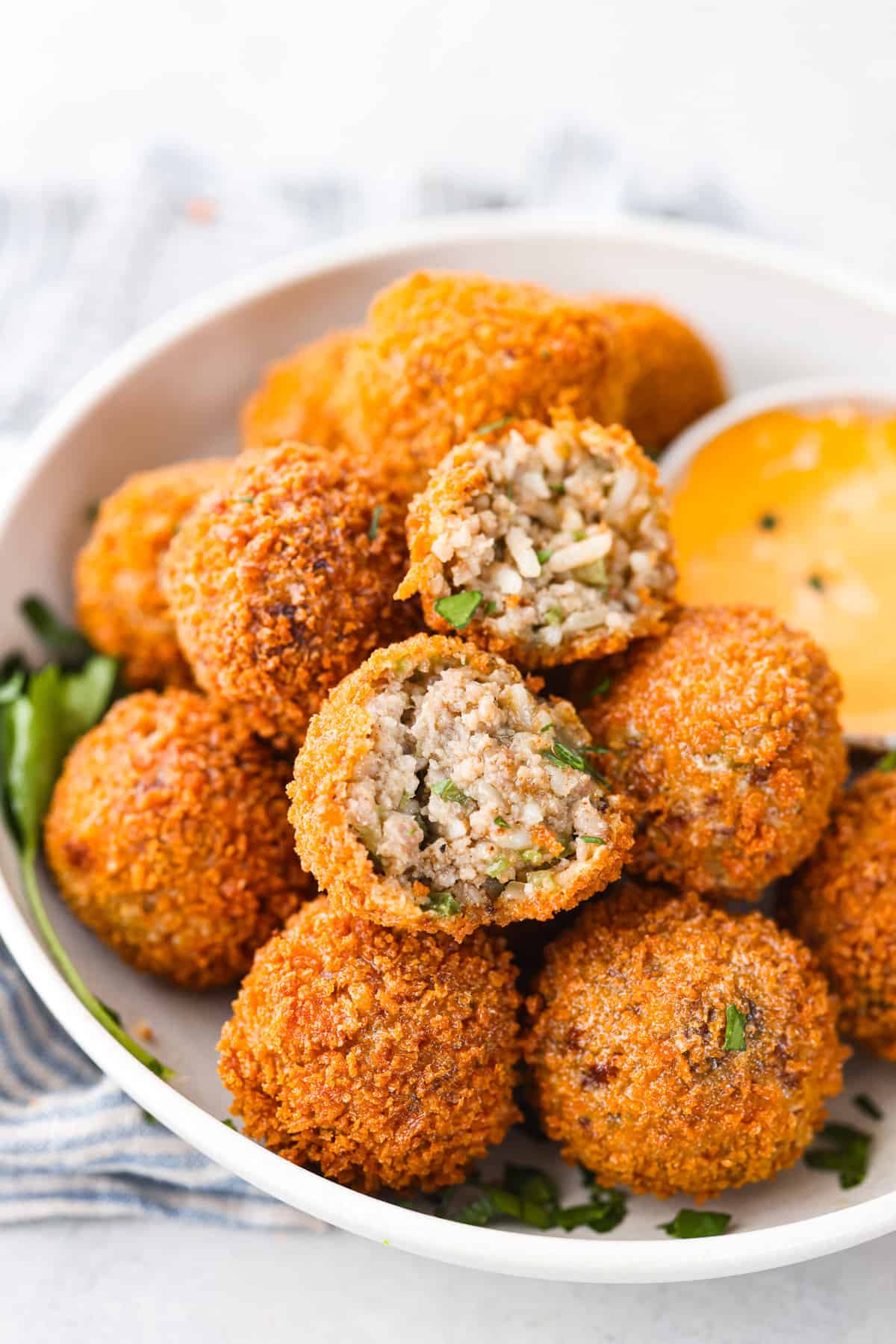
The “Crunch” Factor: Marketing the Sensory Experience
In brand strategy, the sensory experience is a vital component of brand recall. For the boudin ball, the sensory profile is its most powerful marketing tool. Brands that successfully scale this product do so by obsessively protecting the specific textures and flavors that define the category.
Sensory Branding and Consumer Expectation
The brand promise of a boudin ball is built on the contrast between the crispy, golden-brown exterior and the moist, savory interior. From a marketing perspective, this is often highlighted through high-definition “food porn” videography and photography that emphasizes the “crunch” sound and the steam rising from a broken-open ball. This sensory-heavy marketing bypasses logical decision-making and moves directly into the realm of emotional and physiological desire, a hallmark of successful lifestyle branding.
The Innovation of the “Center-Fill” Strategy
To further differentiate their brands, many producers have innovated the product core. The “pepper jack-filled boudin ball” has become a sub-brand of its own. By adding a molten cheese center, brands create a “surprise and delight” moment for the consumer. This not only increases the social media shareability of the product (the “cheese pull” factor) but also creates a proprietary version of a commodity item, allowing a brand to claim a unique space in the market.
Scaling the Niche: Strategic Expansion and Brand Consistency
The greatest challenge for any regional brand is scaling without losing the soul of the product. As boudin balls move into national distribution through frozen food aisles and franchise models, brand consistency becomes the primary objective.
Maintaining Quality Control as Brand Protection
In the world of corporate identity, the product is the brand. If a boudin ball is soggy, bland, or overly processed, the brand equity of “Cajun Authenticity” is immediately liquidated. Therefore, scaling requires rigorous supply chain management and technical innovation in flash-freezing and par-frying. Brands that succeed on a national level are those that can replicate the “roadside stand” experience in a high-volume manufacturing environment.
Franchising and the Community Connection
Many boudin ball brands have found success through the franchise model, where the brand is localized through community involvement. By positioning the boudin ball as a staple of community gatherings—tailgates, festivals, and family reunions—the brand weaves itself into the social fabric of new markets. The strategy here is not just to sell a product, but to sell a piece of a lifestyle. The brand becomes a vehicle for “Southern Hospitality,” a powerful emotional hook that resonates far beyond the borders of Louisiana.

Conclusion: The Future of the Boudin Ball Brand
The boudin ball is more than a mixture of meat and rice; it is a sophisticated brand entity that leverages heritage, sensory appeal, and strategic positioning to capture market share. As the food industry continues to move toward specialized, story-driven products, the boudin ball stands as a blueprint for how regional traditions can be modernized for a global audience.
For entrepreneurs and brand managers, the lesson of the boudin ball is clear: by identifying the core elements of a product’s cultural value and wrapping them in a contemporary, accessible form, it is possible to create a brand that is both timeless and timely. As long as brands continue to honor the “origin story” while innovating on the “delivery system,” the boudin ball will remain a dominant force in the competitive landscape of American food branding. The “crunch” of a boudin ball is not just a sound; it is the sound of a brand successfully making its mark on the world.
aViewFromTheCave is a participant in the Amazon Services LLC Associates Program, an affiliate advertising program designed to provide a means for sites to earn advertising fees by advertising and linking to Amazon.com. Amazon, the Amazon logo, AmazonSupply, and the AmazonSupply logo are trademarks of Amazon.com, Inc. or its affiliates. As an Amazon Associate we earn affiliate commissions from qualifying purchases.