
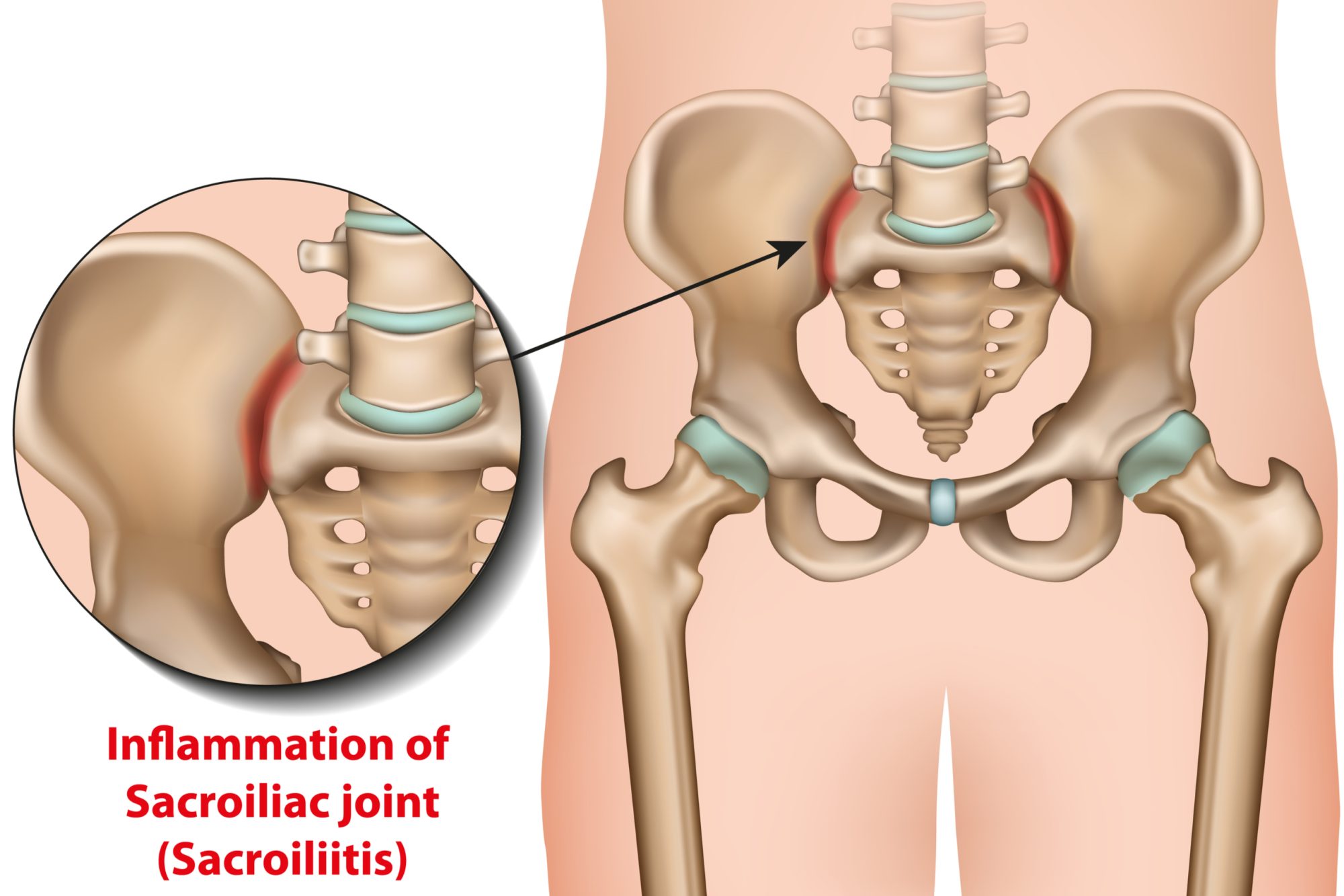
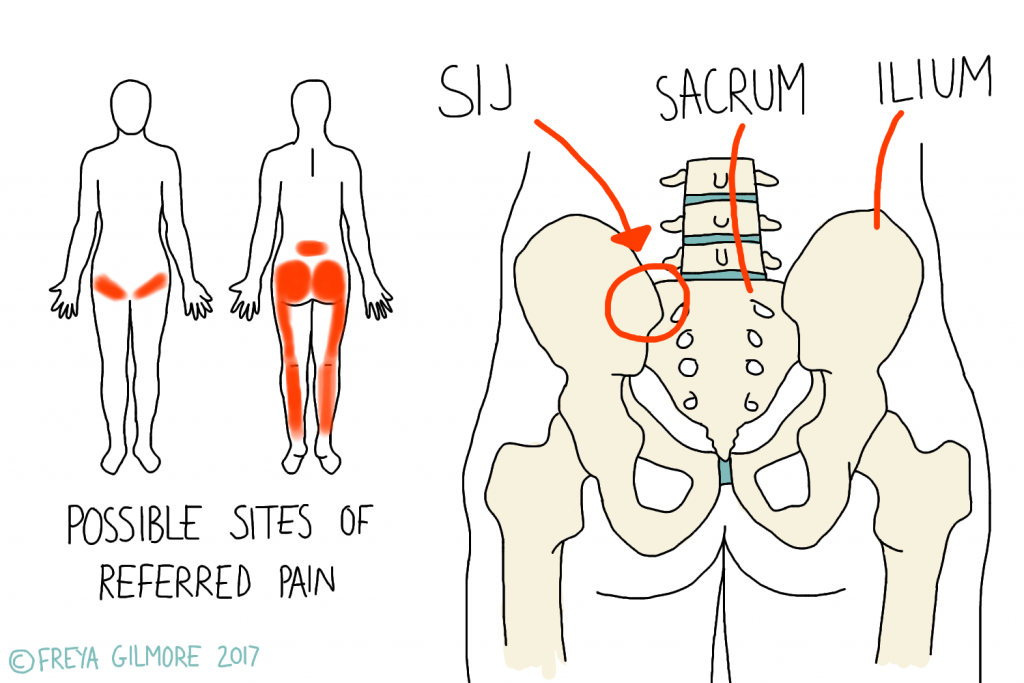
The sacroiliac (SI) joint is a crucial, yet often overlooked, component of our skeletal structure. Located where the sacrum (the triangular bone at the base of your spine) meets the ilium (the large, flat bones of your hips), these two joints play a vital role in transferring weight from the upper body to the legs and in providing stability during movement. When these joints become inflamed or dysfunctional, it can lead to a unique and often debilitating type of pain known as SIJ pain.
While medical professionals use precise diagnostic terms, many individuals experiencing this discomfort often struggle to articulate precisely what it feels like. Is it a sharp stab? A dull ache? Where exactly does it reside? This article aims to demystify SIJ pain by exploring its various sensations, causes, and the potential impact it can have, drawing parallels to concepts that might resonate within the realms of technology, branding, and finance, to help you better understand and communicate your experience.
The Nuanced Landscape of SIJ Pain: Beyond a Simple Ache
SIJ pain is rarely a singular, easily definable sensation. Instead, it often presents as a complex interplay of different feelings, making it challenging to pinpoint and even more difficult to explain to others, including medical practitioners. This ambiguity can be frustrating, especially when seeking effective treatment.
1. Location, Location, Location: The Deep-Seated Ache
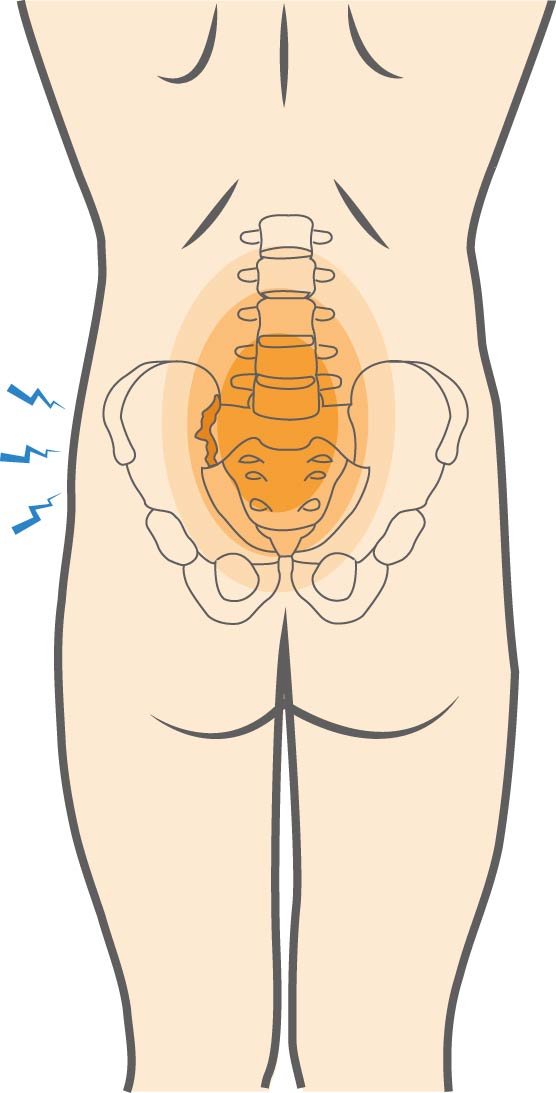
The hallmark of SIJ pain is its location. It’s typically felt in the lower back, specifically in the dimple-like areas on either side of the spine, just above the buttocks. However, the pain can radiate. This means it doesn’t stay confined to that initial spot.
- Deep and Gnawing: Often, the pain is described as a deep, gnawing ache that feels like it’s originating from within the bone itself. It’s not a superficial tenderness that you can easily touch and press. This deepness can make it feel like a persistent, internal issue.
- Unilateral or Bilateral: The pain can affect one SI joint (unilateral) or both (bilateral). When it’s unilateral, it might be easier to identify the source. However, when it affects both, the sensation can become more generalized, making it harder to distinguish from other lower back problems.
- Radiating Pain: This is a key characteristic that often confuses people. SIJ pain can mimic other conditions because it can radiate to various areas:
- Buttocks: A very common area for radiation, often described as a deep ache or tightness in one or both buttocks.
- Groin: The pain can sometimes extend forward into the groin area, leading to confusion with hip issues or even gynecological problems in women.
- Thigh: Pain can travel down the back or side of the thigh, but it typically does not extend below the knee, which is a distinguishing feature from sciatic nerve pain.
- Lower Abdomen: In some cases, the pain can be felt in the lower abdomen, further complicating diagnosis.
2. The Spectrum of Sensations: From Dull Throb to Sharp Stab
The quality of the pain can vary significantly from person to person and even from day to day for the same individual.
- Dull, Aching, and Constant: This is perhaps the most common description. A persistent, low-level ache that can be present at rest and is exacerbated by certain movements. It’s like a constant reminder that something isn’t right.
- Sharp, Stabbing, or Shooting: While less common as a constant sensation, SIJ pain can manifest as sudden, sharp jabs during specific activities. This can happen when:
- Getting up from a seated position: This sudden transition from resting to standing often triggers a sharp pain.
- Turning over in bed: The twisting motion can acutely irritate the SI joints.
- Climbing stairs: The weight-bearing and bending involved can cause sharp sensations.
- Lifting one leg: Activities like stepping over an obstacle or even shifting weight can elicit a stabbing pain.
- Burning Sensation: Some individuals describe a burning sensation in the SIJ area or along the radiating pathways. This can feel like an underlying inflammation that’s causing irritation.
- Stiffness and Tightness: Beyond pain, many people report a profound sense of stiffness and tightness in the lower back and hips. This can limit range of motion and make simple tasks feel arduous. It’s as if the area is “locked up” or resisting movement.
When Does SIJ Pain Flare Up? Triggers and Contributing Factors
Understanding what makes SIJ pain worse is crucial for management and prevention. Several common triggers can exacerbate the discomfort.
1. Movement and Activity-Related Pain
SIJ pain is often highly sensitive to physical activity, especially movements that involve the transfer of weight or twisting.
- Standing for Extended Periods: Prolonged standing can put continuous stress on the SI joints, leading to increased ache and stiffness.
- Walking and Gait Disturbances: The repetitive motion of walking can irritate the SI joints. A subtle limp or uneven gait can also develop as a protective mechanism, further stressing the joints.
- Sitting for Extended Periods: While standing can be problematic, prolonged sitting, especially in poor posture, can also aggravate SIJ pain. The prolonged flexed position can put pressure on the joints.
- Sudden Movements: As mentioned earlier, quick, jerky movements, such as twisting your torso or reaching for something suddenly, can cause sharp, shooting pain.
- Lifting and Bending: Lifting heavy objects or bending forward can place significant strain on the SI joints, leading to pain.
2. Postural Influences and Biomechanical Factors
The way we hold our bodies and the efficiency of our movement patterns play a significant role in SIJ health.
- Asymmetrical Weight Bearing: Favoring one leg over the other when standing or walking can create uneven pressure on the SI joints, leading to dysfunction. This can stem from injuries, leg length discrepancies, or simply habitual posture.
- Poor Posture: Slouching, excessive arching of the lower back, or an anterior pelvic tilt (where the front of the pelvis is lower than the back) can all contribute to SIJ stress.
- Leg Length Discrepancy: Even a small difference in leg length can cause the pelvis to tilt, leading to uneven stress on the SI joints.
- Pregnancy and Childbirth: The hormonal changes during pregnancy cause ligaments to relax, increasing laxity in the SI joints. The added weight and mechanical changes of childbirth can also lead to or exacerbate SIJ pain.
- Previous Injuries: Falls, direct trauma to the pelvis or lower back, or even previous surgeries in the area can predispose individuals to SIJ dysfunction.
Managing and Communicating SIJ Pain: Finding Solutions and Support
Understanding the nature of SIJ pain is the first step towards managing it effectively. This involves seeking professional help, adopting lifestyle modifications, and being able to articulate your experience clearly.
1. Navigating the Diagnostic and Treatment Landscape
Given the often vague nature of SIJ pain, seeking a proper diagnosis is paramount. This can involve a combination of physical examinations, imaging, and diagnostic injections.
- The Role of Technology in Diagnosis: While not as glamorous as cutting-edge AI, diagnostic tools like X-rays and MRI scans can help rule out other conditions and sometimes reveal signs of inflammation or arthritis in the SI joints. More advanced imaging techniques might be employed in specific cases.
- Expert Assessment: A thorough physical examination by a physiotherapist, chiropractor, or physician specializing in musculoskeletal pain is crucial. They will assess your range of motion, identify tender points, and perform specific tests designed to provoke SIJ pain.
- Diagnostic Injections: In some instances, a diagnostic injection of a local anesthetic into the SI joint can help confirm the source of pain. If the pain subsides with the injection, it strongly suggests the SI joint is the culprit.
2. Connecting with the “Brand” of Your Body’s Well-being
Just as a strong brand builds trust and recognition, understanding your body’s signals and “branding” your symptoms accurately can lead to better care.
- Communicating Your Symptoms Effectively: When describing your SIJ pain, use descriptive language. Instead of just saying “my back hurts,” try to specify:
- Location: “It’s a deep ache right here, in the dimple above my hip bone.”
- Quality: “It feels like a constant dull throb, but sometimes it stabs sharply when I stand up.”
- Triggers: “It gets worse when I sit for too long or try to turn in bed.”
- Radiation: “The pain sometimes shoots down into my buttock and the back of my thigh.”
- Impact: “It makes it hard for me to walk for long distances or even get out of a chair comfortably.”
- Building a “Reputation” for Your Pain: Be persistent in seeking help if your pain isn’t improving. Don’t be afraid to get a second opinion. Effectively communicating your symptoms can help healthcare providers build an accurate “case study” of your condition.
3. Investing in Your Body’s “Financial” Health
Treating SIJ pain is an investment in your physical well-being and your ability to live a full and active life.
- Personal Finance for Healthcare: Understanding the costs associated with diagnosis and treatment, including physical therapy, medication, or potential injections, is important. Many people find that proactive management can save them money in the long run by preventing more severe issues.
- Side Hustles for Pain Management: While not a direct treatment, engaging in gentle exercises or activities that you can manage can feel like a small “online income” of well-being, contributing to your overall physical health. This might include mindful walking, gentle stretching, or water-based exercises.
- Financial Tools for Recovery: Utilize resources like health savings accounts (HSAs) or insurance benefits to manage the financial aspects of your treatment.
Conclusion: Empowering Yourself Through Understanding
SIJ pain can be a bewildering experience, characterized by its deep-seated ache, radiating sensations, and triggers related to movement and posture. By understanding the nuanced ways this pain can manifest and by effectively communicating your symptoms, you are better equipped to navigate the diagnostic and treatment process. Just as we leverage technology, build strong brands, and manage our finances, investing in understanding your body and seeking appropriate care for SIJ pain is a crucial step towards reclaiming comfort, mobility, and a higher quality of life. Don’t let the ambiguity of the pain prevent you from seeking the help you deserve.
aViewFromTheCave is a participant in the Amazon Services LLC Associates Program, an affiliate advertising program designed to provide a means for sites to earn advertising fees by advertising and linking to Amazon.com. Amazon, the Amazon logo, AmazonSupply, and the AmazonSupply logo are trademarks of Amazon.com, Inc. or its affiliates. As an Amazon Associate we earn affiliate commissions from qualifying purchases.