
In the global automotive landscape, the phrase “Made in Japan” carries a weight that transcends simple manufacturing geography. For Toyota, a company that has evolved from a local loom manufacturer into the world’s largest automaker, its Japanese production roots are the cornerstone of its brand identity. While Toyota operates dozens of manufacturing facilities across North America, Europe, and Asia, a specific subset of its lineup remains exclusively or primarily tied to its domestic “Mother Plants.”
Understanding which Toyotas are made in Japan is not just a logistical exercise for buyers; it is an exploration of brand strategy. The decision to keep production within the borders of Aichi or Kyushu is a calculated move to preserve quality benchmarks, protect proprietary “Takumi” craftsmanship, and maintain the prestige of its flagship models.
The Strategic Power of the “Made in Japan” Label
The Toyota brand is built on the pillars of Reliability, Durability, and Quality (RDQ). While the Toyota Production System (TPS) is implemented globally, the Japanese domestic plants are viewed as the gold standard—the source code from which all other factories derive their protocols.
The Philosophy of Monozukuri
At the heart of Toyota’s Japanese production is the concept of Monozukuri, which translates to “the art of making things.” This isn’t just about automation; it’s about a spiritual and professional dedication to the craft. In the branding world, Toyota uses this philosophy to differentiate its high-end and enthusiast models from mass-market competitors. By keeping production of certain vehicles in Japan, Toyota signals to the consumer that these products have been touched by “Takumi”—master craftsmen who have spent decades perfecting a single element of the vehicle, from paint depth to engine acoustics.
Brand Consistency and JDM Allure
The “Japanese Domestic Market” (JDM) has become a powerful sub-brand in itself. Enthusiasts often perceive Japanese-built Toyotas as having tighter tolerances and superior assembly. Toyota leverages this perception to maintain high resale values. For example, the 4Runner and the Land Cruiser benefit immensely from their “Made in Japan” status, as the badge serves as a psychological guarantee of longevity that supports the brand’s rugged, “go-anywhere” marketing narrative.
Identifying the Japanese-Built Lineup: Flagships and Global Icons
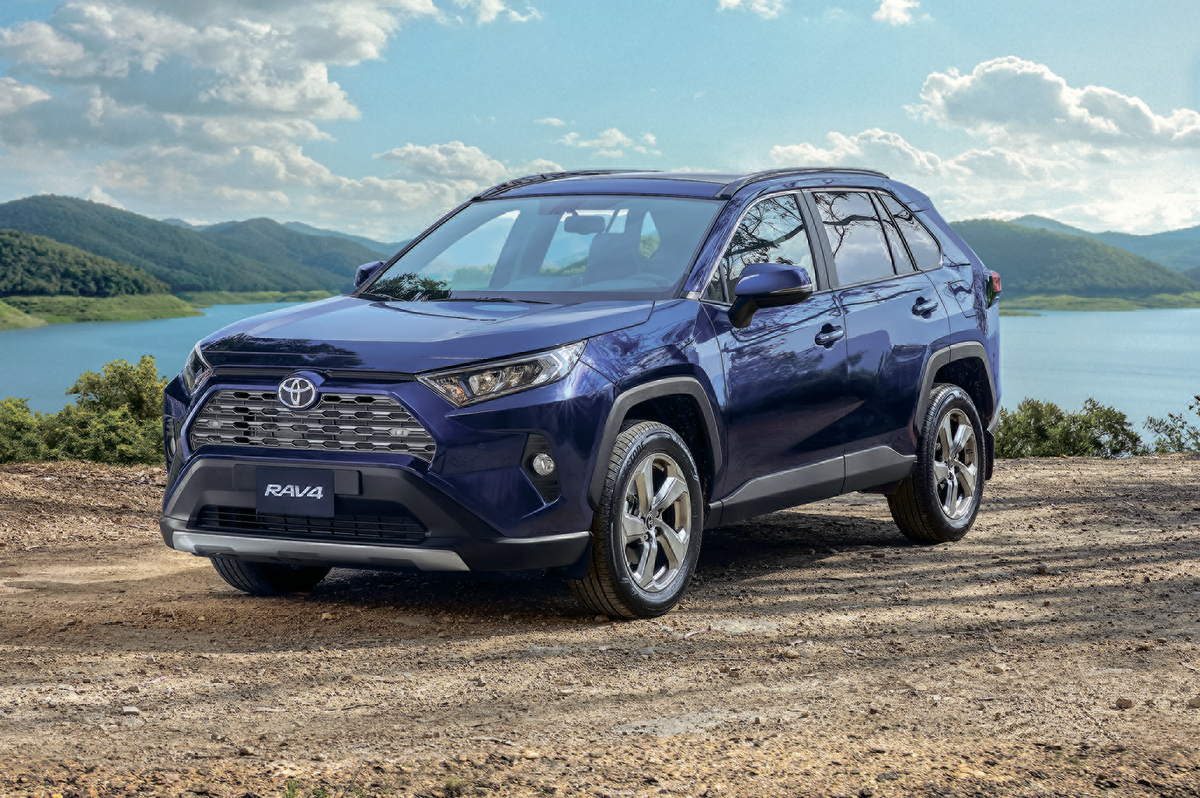
While popular models like the Camry, RAV4, and Tacoma are largely produced in North America for the local market, Toyota reserves its most complex, high-prestige, and low-volume vehicles for its Japanese facilities.
The Lexus Exception: Tahara and Kyushu
Lexus, Toyota’s luxury division, is a vital component of the corporate brand strategy. To compete with German luxury giants, Toyota produces the vast majority of Lexus vehicles in Japan. The Tahara plant is often cited as the finest automotive factory in the world. Models such as the Lexus LS, LC, and the LX are built here under rigorous standards that exceed those of standard Toyota lines. By centralizing Lexus production in Japan, Toyota ensures that the luxury brand’s “omotenashi” (hospitality) and precision remain untainted by the logistical variances of global manufacturing.
The Land Cruiser and 4Runner: Icons of Durability
The Toyota Land Cruiser (300 series and the new 250/Prado) and the Toyota 4Runner are perhaps the most famous examples of Japanese-made icons. These vehicles are built at the Tahara and Yoshiwara plants. From a brand perspective, these models represent the “indestructible” facet of Toyota. Keeping their production in Japan allows Toyota to oversee the specialized welding and heavy-duty frame construction required for these off-road legends. For the global consumer, the “Made in Japan” sticker on the door jamb of a Land Cruiser is a primary selling point.
The Crown and Century: The Sovereigns of the Lineup
The Toyota Crown—recently introduced to global markets—and the Toyota Century represent the pinnacle of Japanese automotive luxury. The Century, in particular, is handcrafted in a specialized “workshop” environment rather than a traditional assembly line. These vehicles serve as brand halos, demonstrating that Toyota can compete with Rolls-Royce or Bentley in terms of exclusivity. Producing them in Japan is a non-negotiable part of their identity; they are cultural ambassadors of Japanese engineering.
Manufacturing Geography: Why Plant Location Shapes Brand Identity
Toyota’s Japanese plants are more than just buildings; they are centers of excellence that dictate the brand’s global direction. Each plant has a “personality” that aligns with the vehicles it produces.
The Motomachi Plant: Where High-Tech Meets Handmade
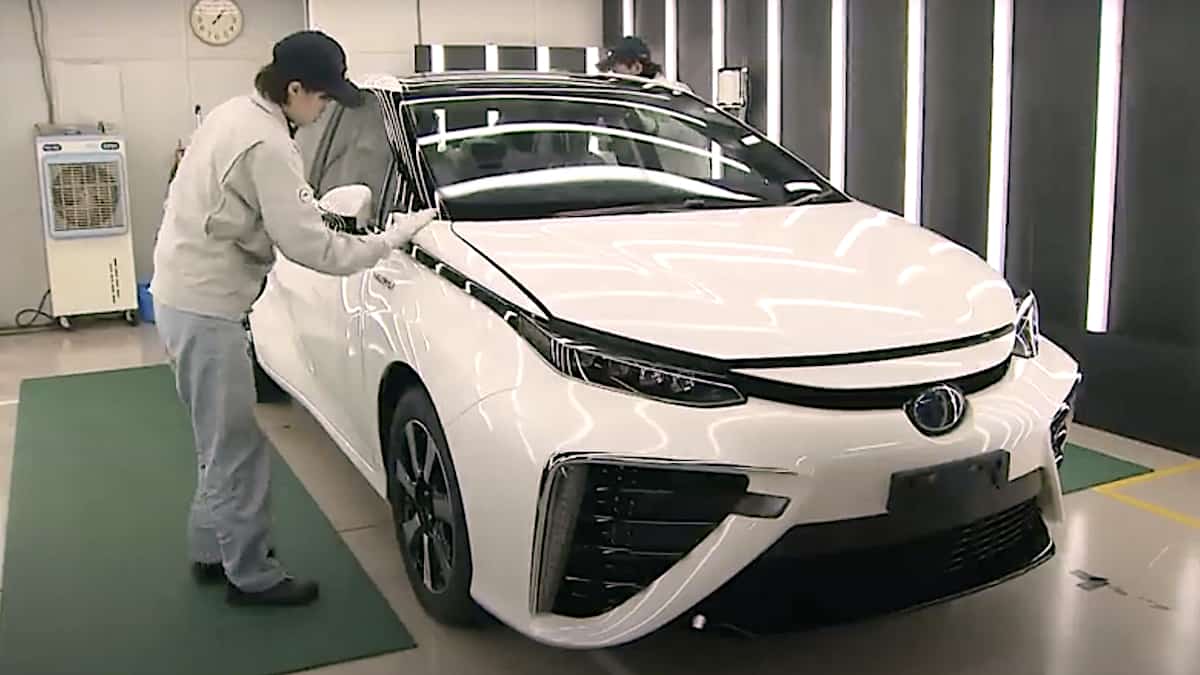
Motomachi is the legendary site where the Lexus LFA supercar was built. Today, it handles specialized vehicles like the GR Corolla, the GR Yaris, and the hydrogen-powered Mirai. From a branding standpoint, Motomachi represents Toyota’s “innovation” and “performance” wings. By producing the Gazoo Racing (GR) lineup here, Toyota connects its racing heritage directly to its most advanced manufacturing hub, reinforcing the idea that their performance cars are born from a pursuit of perfection that can only be achieved in their home country.
Tsutsumi and the Green Brand Image
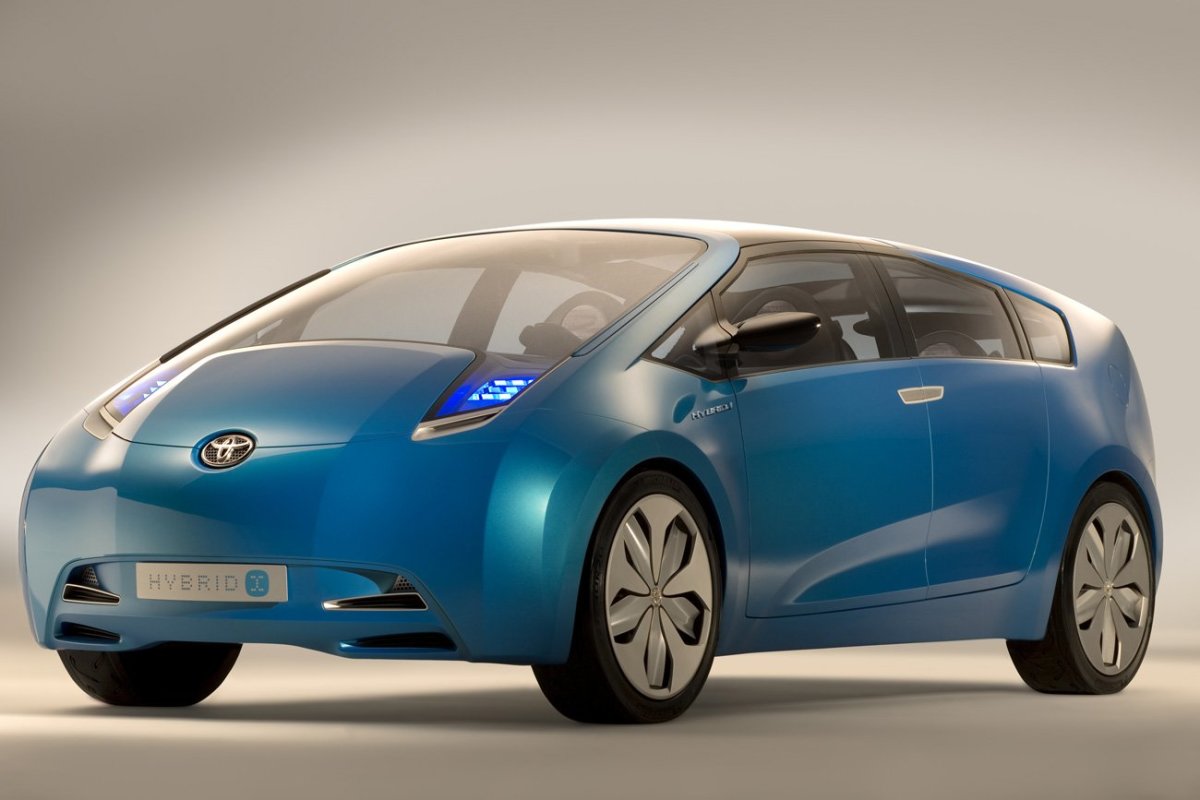
The Tsutsumi plant is the “eco-factory” responsible for the Toyota Prius. As the Prius is the global face of Toyota’s hybrid leadership, its production in Japan is a strategic choice. It allows Toyota to maintain a tight feedback loop between the engineers in Toyota City and the assembly line. This proximity ensures that the brand’s reputation for hybrid reliability remains flawless, as any incremental improvement in battery or motor tech can be implemented and monitored immediately at the source.
Global Supply Chain vs. Heritage: The Branding Dilemma
As Toyota continues to expand, it faces a delicate balancing act: how to localize production to reduce costs and carbon footprints while maintaining the prestige of its Japanese heritage.
The Localization Strategy
For high-volume models like the Corolla or the Tundra, Toyota’s brand strategy shifts toward “Local Pride.” By building Tundras in San Antonio, Texas, Toyota brands itself as an American employer, appealing to domestic loyalty. However, this creates a hierarchy within the brand. The “local” Toyotas are marketed as practical, hardworking tools, while the “Japanese” Toyotas are marketed as precision-engineered investments.
Maintaining the “Pure” Heritage
Toyota is careful not to dilute the brand equity of its flagship models. There have been numerous opportunities to move 4Runner or Land Cruiser production to North America to meet high demand, but the company has resisted. This restraint is a masterclass in brand preservation. Toyota understands that a 4Runner made in a different country might sell just as well in the short term, but it would lose the “built-to-last” mystique that allows the brand to command a premium price and maintain fanatical customer loyalty over decades.
The Future of the Brand: Japanese Innovation in a Global Market
As the industry pivots toward Electric Vehicles (EVs), Toyota’s Japanese plants are being retooled to lead the charge. The bZ4X, Toyota’s first major foray into the all-electric space, is produced at the Motomachi plant. This decision is a strategic signal to the market: Toyota is treating its transition to electric power with the same “Japanese-built” rigor that it applied to its legendary internal combustion engines.
Conclusion: Provenance as a Competitive Advantage
In an era of rapid globalization and outsourced manufacturing, Toyota’s commitment to its Japanese production hubs remains its greatest brand asset. Models like the Land Cruiser, the 4Runner, the Lexus LS, and the GR series serve as the North Star for the company’s quality standards.
For the consumer, knowing which Toyotas are made in Japan provides a roadmap to the brand’s most authentic expressions of craftsmanship. For the company, these Japanese-made vehicles are the anchors of a global identity, ensuring that no matter how many factories they open abroad, the heart of the brand remains firmly rooted in the pursuit of perfection that defines Japanese manufacturing. The “Made in Japan” tag is not just a label of origin; it is Toyota’s ultimate promise of excellence.
aViewFromTheCave is a participant in the Amazon Services LLC Associates Program, an affiliate advertising program designed to provide a means for sites to earn advertising fees by advertising and linking to Amazon.com. Amazon, the Amazon logo, AmazonSupply, and the AmazonSupply logo are trademarks of Amazon.com, Inc. or its affiliates. As an Amazon Associate we earn affiliate commissions from qualifying purchases.