
The arrival of a new baby is a momentous occasion, often celebrated with a flurry of plush toys, designer onesies, and nursery decor. However, in an era defined by economic volatility and rising education costs, many gift-givers are pivoting toward a more sustainable and impactful gesture: the gift of capital. While writing a card for a new baby traditionally involves sweet sentiments and well-wishes, the approach changes significantly when that card accompanies a check, a stock certificate, or a contribution to a 529 college savings plan.

When gifting money, the card serves a dual purpose. It must convey the warmth and joy of the occasion while also providing clarity on the financial intent. This article explores how to navigate the intersection of sentimentality and financial pragmatism, offering a guide on what to write in a card for a new baby when your gift is an investment in their future.
The Evolution of Baby Gifts: Why Financial Contributions Matter
In previous generations, a silver rattle or a hand-knitted blanket was the gold standard for baby gifts. Today, the landscape of parenting has shifted. Modern parents are often overwhelmed by “stuff,” leading to a growing preference for gifts that provide long-term utility. A financial gift is not merely a transaction; it is a tool for future autonomy.
Shifting from Consumables to Assets
Most physical baby gifts have a short lifespan. Clothes are outgrown in months, and toys are discarded as development progresses. In contrast, a financial gift is an appreciating asset. By choosing to give money, you are acknowledging the high costs of raising a child in the 21st century. Your message in the card should reflect this thoughtful pivot from the temporary to the permanent.
The Power of Compound Interest for New Parents
The most significant advantage a newborn has is time. A modest sum invested at birth can grow exponentially by the time the child reaches adulthood. When writing your card, you have the opportunity to highlight this “magic” of compounding. It shifts the narrative from “I bought you something” to “I am helping secure your future.” This professional and forward-thinking approach is often deeply appreciated by parents who are already worrying about future expenses like university tuition or a first home down payment.
Crafting the Message: How to Communicate Financial Intent
The challenge of writing a card for a monetary gift is avoiding a tone that feels transactional or cold. The goal is to wrap the financial “hard facts” in a “soft” emotional exterior. The wording should vary depending on the specific financial vehicle you have chosen.
Writing for Education Savings (529 Plans)
If you have contributed to a 529 plan or a similar educational trust, your message should focus on growth, curiosity, and opportunity. Education is one of the greatest gifts a child can receive, and your card should reflect the doors that this money will eventually open.
- Drafting Idea: “Welcome to the world, [Baby’s Name]! We are so excited to watch you grow and learn. To help you on your journey toward your big dreams, we’ve made a contribution to your college savings fund. May your future be as bright as your smile.”
- Professional Insight: By mentioning the specific intent (college savings), you provide the parents with a record of the gift’s purpose, which helps them manage their financial portfolio for the child.
Gifting Stocks, Crypto, or Gold
For the more tech-savvy or investment-oriented gift-giver, stocks or alternative assets are becoming popular. These gifts require a slightly different messaging strategy, as they represent a stake in a specific company or a hedge against inflation.
- Drafting Idea: “While you’re busy growing up, we wanted to give you something that grows with you. We’ve started your investment portfolio with [Number] shares of [Company]. We hope this serves as a foundation for a lifetime of financial independence.”
- Contextual Tip: If the stock is in a company the child might eventually recognize (like Disney or Apple), mention that it is a “piece of the world” they will one day enjoy.
Cash and Savings Bond Etiquette
Cash remains the most flexible gift, allowing parents to use it for immediate needs or long-term savings. Savings bonds, while more traditional, represent a disciplined approach to saving.
- Drafting Idea: “Congratulations on your new arrival! Please use this gift for whatever [Baby’s Name] needs most right now—whether it’s a boost to the nursery fund or a start to their first savings account. We can’t wait to meet the little one.”
- Strategic Wording: Using phrases like “boost to the nursery fund” gives the parents “permission” to use the money for diapers or gear if they are under financial stress, while “first savings account” encourages long-term thinking.
Messaging for Different Financial Vehicles
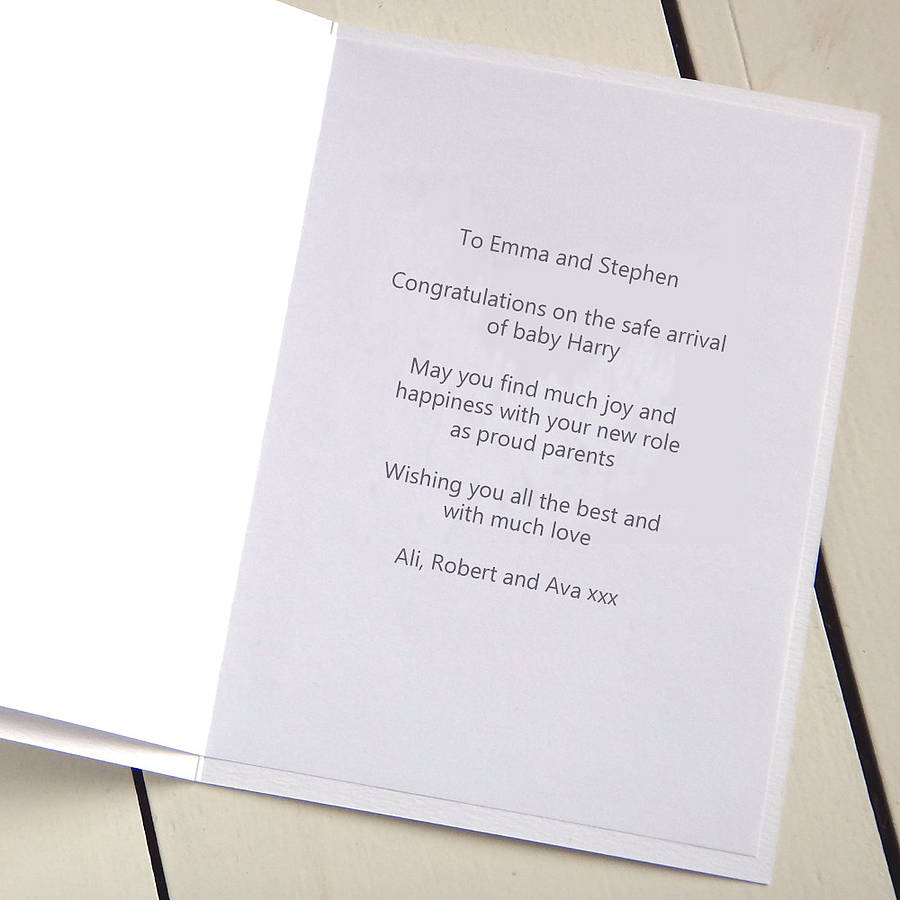
Not all money gifts are created equal. The legal and tax structures surrounding the gift may influence how you describe it in your card. Understanding these nuances allows you to write a more professional and informed message.
The UTMA/UGMA Account Message
Uniform Transfers to Minors Act (UTMA) accounts are custodial accounts used to hold and protect assets for minors. Since these assets legally belong to the child but are managed by the parent, your card should acknowledge this partnership.
- Drafting Idea: “We believe in [Baby’s Name]’s future and wanted to provide a head start. We’ve established a custodial account to help build a nest egg for their young adulthood. Cheers to a lifetime of prosperity!”
High-Yield Savings and Trust Fund Wishes
If you are a grandparent or a close relative setting up a trust or a dedicated high-yield savings account, the message should be more personal and legacy-focused. This is about building a family “safety net.”
- Drafting Idea: “Family is our greatest wealth. To celebrate [Baby’s Name], we have set aside these funds to ensure they always have a foundation to lean on. We look forward to seeing the amazing person they become.”
Navigating the Etiquette of Monetary Gifts
One of the most common hurdles in writing a card for a financial gift is the fear of appearing gauche or overly focused on money. However, in a professional and financially literate society, transparency is usually the best policy.
Addressing the Parents vs. the Child
Should you write the card to the baby or the parents? For a monetary gift, it is often best to address both. You are speaking to the baby’s future self while communicating practical information to the parents who will be managing the funds.
- The Hybrid Approach: “To [Parent Names] and Baby [Name]: We are so thrilled for your family. Enclosed is a gift to help kickstart [Name]’s financial journey. We hope this provides peace of mind and future opportunities for your little one.”
Balancing Pragmatism with Sentimentality
Avoid making the card look like a bank statement. Even if you are discussing a complex financial instrument, use evocative language. Words like “foundation,” “roots,” “growth,” “security,” and “freedom” bridge the gap between a balance sheet and a baby card.
- Key Phraseology: Instead of saying “I am giving you $500,” try “I am contributing to the building blocks of [Baby’s Name]’s future.”
Long-Term Impact: Building a Financial Legacy from Day One
The final section of your card is an opportunity to touch on the broader picture. A gift of money is a vote of confidence in the child’s future success. It is an act of “legacy building” that goes beyond a single afternoon at a baby shower.
Normalizing Financial Literacy in Family Circles
By being open about financial gifting, you help normalize conversations about money and investment within the family. Your card can be a catalyst for the parents to start thinking seriously about their child’s financial education.
- Final Closing Thought: “May this gift be the first of many investments in a life full of adventure and security. We are honored to be part of [Baby’s Name]’s village.”
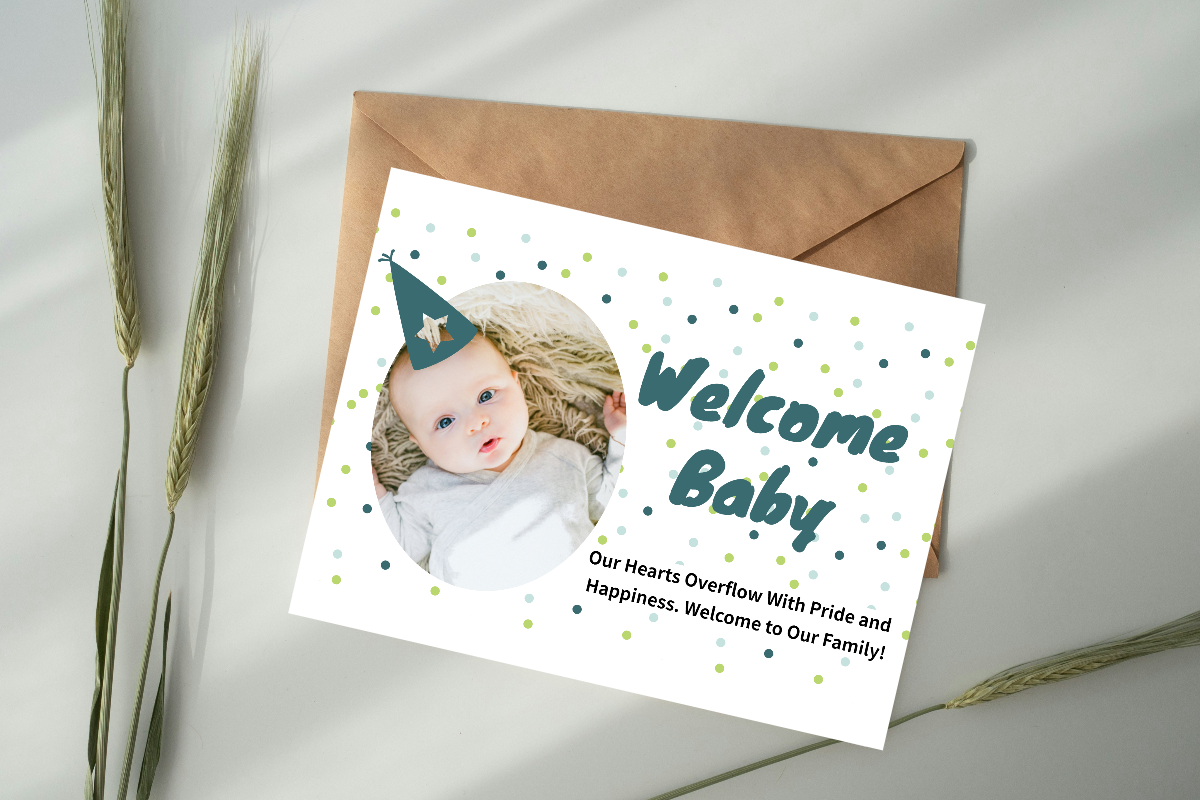
Summary of Professional Wording for Financial Gifts
When you sit down to write, keep these three pillars in mind:
- Clarity: State what the money is for (Education, General Savings, Investment).
- Warmth: Ensure the financial talk is bookended by genuine excitement for the new arrival.
- Vision: Mention the future. Financial gifts are about the person the baby will become 18 or 20 years from now.
In conclusion, “what to write in a card for a new baby” takes on a sophisticated dimension when money is involved. By focusing on growth, opportunity, and the long-term well-being of the child, your message becomes more than just a polite note—it becomes a testament to your commitment to the child’s lifelong success. In the world of personal finance and family legacy, there is perhaps no greater sentiment than providing the means for a new generation to thrive.
aViewFromTheCave is a participant in the Amazon Services LLC Associates Program, an affiliate advertising program designed to provide a means for sites to earn advertising fees by advertising and linking to Amazon.com. Amazon, the Amazon logo, AmazonSupply, and the AmazonSupply logo are trademarks of Amazon.com, Inc. or its affiliates. As an Amazon Associate we earn affiliate commissions from qualifying purchases.