
In the modern digital landscape, the act of starting a conversation on a dating application like Tinder has evolved from a simple social interaction into a complex exercise in user experience (UX) optimization and data-driven communication. When users ask “what to say on a Tinder match,” they are essentially seeking a strategy to bypass the noise of a saturated digital marketplace. Tinder is not merely a social tool; it is a sophisticated piece of software governed by proprietary algorithms, engagement metrics, and behavioral psychology. To master the art of the “opening line,” one must understand the technological framework that underpins the app and how to leverage digital tools—including generative AI and data analytics—to foster meaningful connections.

Decoding the Tinder Ecosystem: Understanding App Mechanics and Algorithms
Before a single word is typed, the technology behind Tinder has already dictated much of the interaction’s potential success. Tinder operates on a complex ecosystem that prioritizes active, high-value users. Understanding the mechanics of the software is the first step in crafting messages that actually get read.
The Role of Engagement Metrics and Visibility
Tinder’s internal algorithm—historically referred to as the ELO score, though now evolved into a more nuanced multi-factor system—prioritizes users based on their engagement levels. When you match with someone, the app’s software tracks the “speed to lead” (how quickly a message is sent) and the response rate. Opening lines that facilitate high response rates signal to the algorithm that your profile is “high quality,” thereby increasing your visibility in the stack for future potential matches. Therefore, what you say is not just for the recipient; it is data for the platform to categorize your social relevance.
Digital Etiquette in the Age of the “Infinite Scroll”
The user interface (UI) of Tinder is designed for rapid consumption—the “infinite scroll” or “infinite swipe” mechanic. This creates a psychological state in the recipient characterized by a short attention span. Technologically speaking, your opening message is a notification competing with dozens of others on a smartphone lock screen. A successful opener must be optimized for the “notification preview” window. Long-form introductions are often truncated by the OS, meaning the most critical, engagement-driven part of your message must appear within the first 40 characters.
Leveraging AI and NLP for the Perfect Opener
The rise of Large Language Models (LLMs) and Natural Language Processing (NLP) has fundamentally changed how users approach text-based communication. Instead of relying on tired clichés, tech-savvy users are now utilizing generative AI to personalize their outreach at scale.
Natural Language Processing in Conversational Starters
NLP allows for a deeper analysis of profile metadata. By scanning a match’s bio for keywords—such as specific hobbies, locations, or interests—users can employ AI tools to generate openers that are contextually relevant. For instance, if a profile mentions “Python” or “Cloud Architecture,” an NLP-informed opener might pivot toward a niche tech joke or a professional inquiry. This mirrors the “Personalization at Scale” strategy used in B2B SaaS outreach, ensuring that the recipient feels the message was crafted specifically for them rather than sent as a mass-broadcast script.
Utilizing Generative AI Tools to Personalize Outreach
Tools like ChatGPT or specialized dating AI assistants can act as a “creative layer” for the initial match. By inputting the text of a match’s bio into an LLM, a user can generate five or six variations of an opening line ranging from “witty” to “observational.” This process is known as prompt engineering. The key to using this tech effectively is to treat the AI as a draft-generator, refining the output to ensure it maintains a human-centric tone while benefiting from the AI’s ability to find unique linguistic connections that a tired human brain might miss after a day of work.
Data-Driven Communication Strategies: A/B Testing Your Openers
In the world of software development and digital marketing, nothing is left to chance; everything is tested. This same logic can be applied to Tinder. To determine “what to say,” one should look at the conversion rates of different messaging styles.
A/B Testing and Iterative Messaging
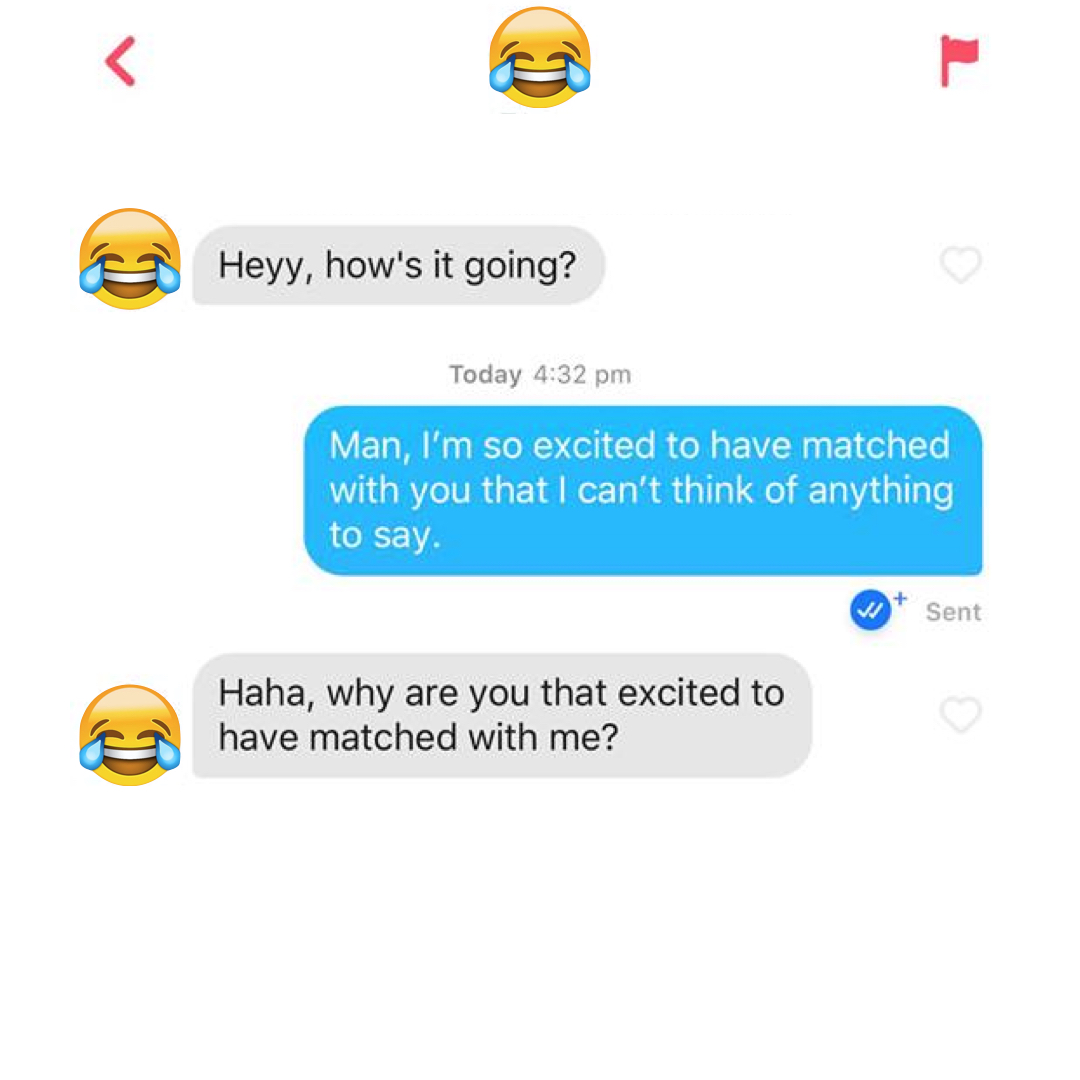
A/B testing (or split testing) involves sending two different types of opening lines to a set of matches to see which yields a higher response rate. For example, a user might test “The Observational Opener” (commenting on a specific photo) against “The Direct Question” (asking a hypothetical). By tracking the response data over a period of two weeks, a user can identify which “script” performs best within their specific demographic and geographic location. This iterative process allows users to refine their digital persona based on empirical evidence rather than guesswork.
The Impact of Multimedia: Integrating Spotify and Instagram APIs
Tinder’s integration with third-party APIs like Spotify and Instagram provides a wealth of data points for communication. A high-tech approach to “what to say” involves analyzing these data streams. If a match has integrated their Spotify “Top Artists,” your opening line should ideally reference a shared musical interest found in that data. This is an example of “social proofing” through API data. Instead of a generic “Hey,” referencing a specific niche track mentioned in their profile demonstrates a level of digital due diligence that sets a user apart from automated bot accounts.
Security, Privacy, and Digital Integrity in Initial Interactions
As we move deeper into the technicalities of “what to say,” we must address the security implications of digital communication. The first few messages are critical for establishing trust in an era of deepfakes and automated “catfishing” scripts.
Identifying Bot Patterns and Automated Scripts
Sophisticated users must be able to distinguish between a human match and a bot. Bots often use high-velocity messaging scripts characterized by generic compliments followed by a “call to action” (CTA), such as moving the conversation to a third-party encrypted app or a suspicious URL. When deciding what to say, it is vital to include “humanizing” elements—specific references to the environment or current events—that a basic script would struggle to replicate. This ensures the recipient that they are interacting with a verified human entity.
Managing Privacy within the App Environment
The “what to say” phase also involves “what not to say” regarding personal data. Digital security best practices suggest avoiding the disclosure of PII (Personally Identifiable Information) in the first several exchanges. Tech-conscious users should keep the conversation within Tinder’s sandboxed messaging environment until a level of trust is established. The app provides built-in safety features, such as photo verification and reporting tools, which are bypassed if a user moves to SMS or WhatsApp too early. Professional digital communication on Tinder involves respecting these boundaries and understanding the risks of “social engineering” attacks.
The Future of Digital Connection: Beyond the Swiping Interface
The landscape of Tinder communication is moving toward an increasingly integrated tech experience. As we look forward, the question of “what to say” will be influenced by even more advanced technologies.
Augmented Reality (AR) and Video Synthesis
We are already seeing the integration of video prompts and AR filters within the Tinder UI. The future of “what to say” may not be text-based at all. Short-form video “asynchronous” messages are becoming a staple in professional tools like Loom and Slack, and this trend is migrating to social apps. Being “tech-ready” means being comfortable communicating via high-bandwidth mediums where non-verbal cues are translated through digital filters.
The Rise of Personal AI Concierges
In the near future, we may see the emergence of “personal AI concierges” that handle the initial “handshake” phase of a Tinder match. Imagine an AI agent that knows your interests, your communication style, and your deal-breakers. This agent could interact with a match’s agent to determine compatibility before a human ever types a word. In this scenario, “what to say” becomes a matter of setting the right parameters for your digital representative.
Conclusion: Mastering the Digital Handshake
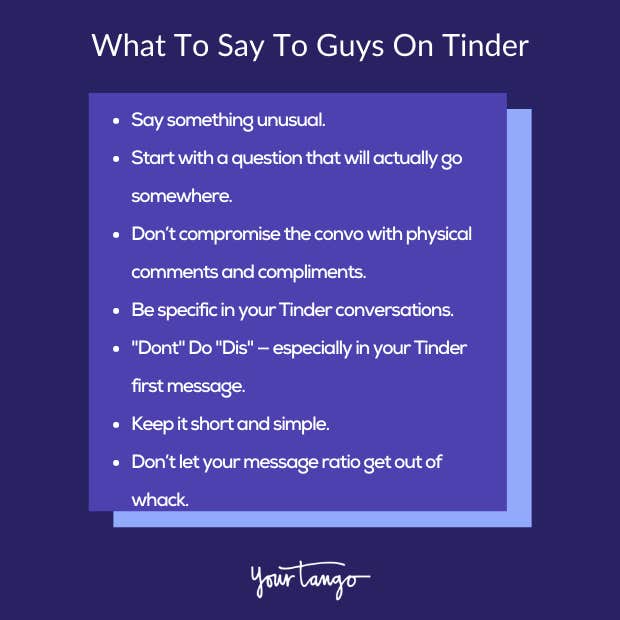
Knowing what to say on a Tinder match in the current era requires a blend of social intelligence and technical proficiency. By viewing the app as a sophisticated software platform rather than a simple chat room, users can optimize their interactions for better results. Whether it is understanding the underlying algorithm, utilizing NLP and generative AI to craft personalized openers, or applying data-driven A/B testing to communication styles, the modern “dater” is essentially a digital strategist.
Ultimately, the goal of these technological interventions is to bridge the gap between two humans in a crowded digital space. By mastering the tools of the trade—from API data to AI-driven prompts—you can ensure that your first impression is not just a random message, but a high-performing, optimized digital handshake. In the high-stakes environment of Tinder, where every swipe and every word is a data point, being tech-savvy is no longer optional; it is the key to connection.
aViewFromTheCave is a participant in the Amazon Services LLC Associates Program, an affiliate advertising program designed to provide a means for sites to earn advertising fees by advertising and linking to Amazon.com. Amazon, the Amazon logo, AmazonSupply, and the AmazonSupply logo are trademarks of Amazon.com, Inc. or its affiliates. As an Amazon Associate we earn affiliate commissions from qualifying purchases.