
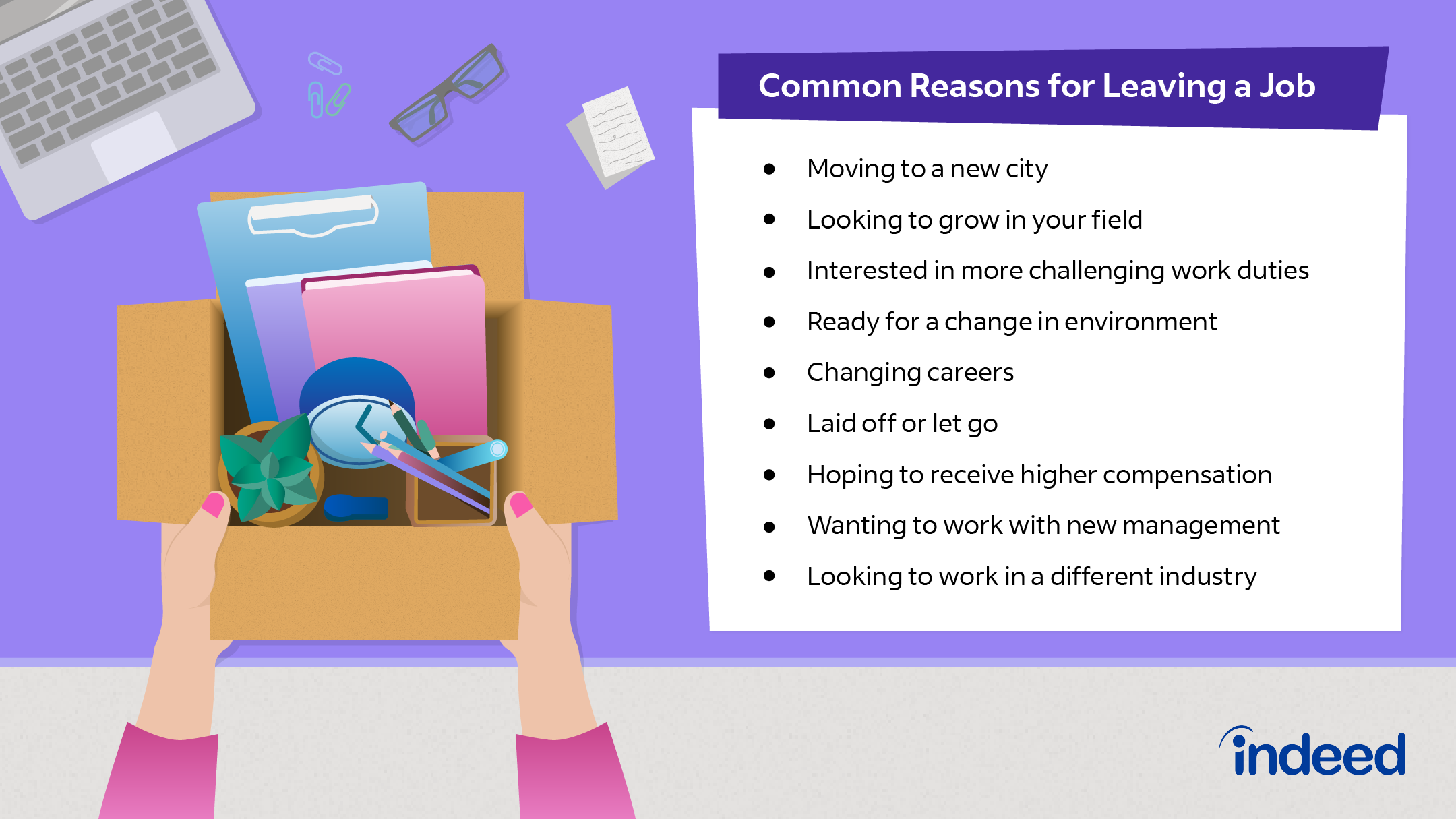
In the modern professional landscape, your career is no longer a linear climb up a single corporate ladder; it is a dynamic portfolio of experiences that define your personal brand. When you decide to move on from a role, the explanation you provide—to your current manager, your future employer, and your professional network—is more than just a formality. It is a critical branding exercise. How you articulate your reason for leaving a job dictates your market value, your reputation, and your future trajectory.
In the world of brand strategy, narrative is everything. When a major corporation undergoes a rebranding or a leadership change, every press release is meticulously crafted to ensure the market perceives the move as a strategic evolution rather than a retreat. Your professional career deserves the same level of strategic communication. By shifting the perspective from “quitting” to “repositioning,” you transform a potentially awkward conversation into a powerful statement of intent.
The Power of Positioning: Why Your Reason for Leaving is Your Brand’s New Chapter
In brand strategy, “positioning” refers to the space a brand occupies in the minds of its audience. As a professional, your “audience” includes recruiters, industry peers, and stakeholders. When you are asked why you are leaving a position, you are being given an opportunity to define your professional identity.
Shifting from Reactive to Proactive Communication
Most professionals approach the “reason for leaving” question reactively. They wait for a recruiter to ask it and then provide a defensive or overly honest answer that focuses on the past. To maintain a strong personal brand, you must flip this script. Your narrative should be proactive, focusing on where you are going rather than what you are escaping.
Instead of saying, “I’m leaving because the management is disorganized,” a brand-focused approach would be: “I have reached a point where I am looking to bring my expertise to an organization that prioritizes streamlined operations and high-level strategic alignment.” The former identifies you as someone who focuses on friction; the latter positions you as a solution-oriented specialist who values efficiency.
Aligning Your Departure with Your Professional Mission
Every strong brand has a mission statement. Your career should have one too. When your reason for leaving aligns with your long-term professional mission, it creates a sense of consistency and integrity. If your brand is built on “driving innovation in digital marketing,” then leaving a company that is scaling back its digital budget is a logical, brand-consistent move.
By framing your exit as a necessary step to stay true to your core competencies, you demonstrate to future employers that you are not just a “hired gun,” but a professional with a clear vision. This level of brand clarity makes you a more attractive candidate because it signals that you are intentional about your work.
Core Brand Narratives: Framing Your Exit for Maximum Market Value
When developing your departure narrative, you need a “core story” that resonates with the market. Depending on your situation, there are several strategic ways to frame your exit that reinforce your personal brand.
The Growth Trajectory Narrative (Seeking New Challenges)
This is the “Gold Standard” of branding narratives. It positions you as an ambitious, high-performing asset that has outgrown its current container. This narrative is particularly effective if you have been with a company for several years and have a track record of success.
In this scenario, your reason for leaving is that you have “successfully achieved the milestones set for the role” and are now looking to “scale your impact” in a more complex environment. This frames your departure as a graduation. You aren’t leaving because of failure; you are leaving because of your own success. It reinforces a brand of excellence and constant evolution.
The Value Alignment Narrative (Cultural Fit and Mission)
Sometimes, the reason for leaving is that the company’s direction has shifted away from your professional values. In brand strategy, this is known as “brand misalignment.” When a company changes its culture or strategic focus, it is perfectly valid—and even respected—to seek an environment that is a better “fit.”
When communicating this, focus on the “Value Proposition.” You might say, “While I appreciate the journey the company is taking, my professional brand is centered on [Specific Value, e.g., consumer-centric design or sustainable growth]. I am seeking a partnership where my passion for these principles can drive the greatest ROI.” This shows that you are a principled professional who understands that cultural alignment is a prerequisite for peak performance.
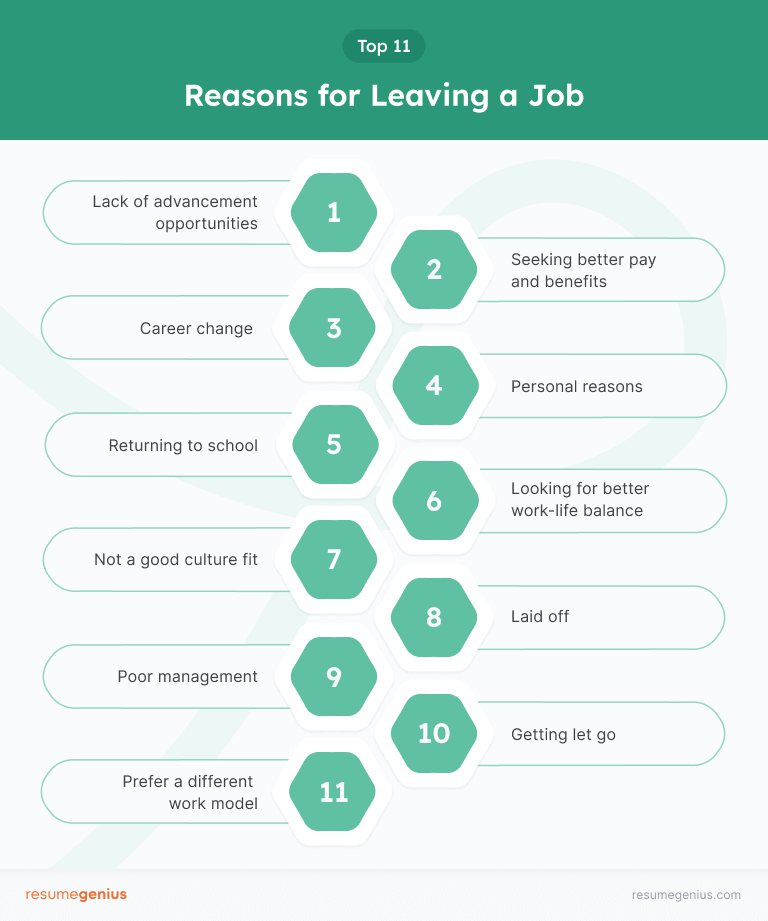
The Skillset Evolution Narrative (Pivoting Toward Specialization)
In a rapidly changing economy, your personal brand may need to pivot. Perhaps you started in general project management but have developed a deep expertise in AI-driven workflows. If your current role doesn’t allow you to utilize this new “brand extension,” leaving is the only way to remain competitive.
Frame this as a strategic update to your professional offerings. “Over the last two years, I have pivoted my focus toward [New Skillset]. To fully leverage this expertise and provide maximum value to the industry, I am moving toward roles that are specifically built around this specialization.” This tells the market that you are a forward-thinking professional who stays ahead of industry trends.
Guarding Your Reputation: The “No-Burned-Bridges” Strategy
A brand’s reputation is its most valuable intangible asset. In the corporate world, news travels fast. How you leave a company—and what you say on your way out—will follow you for years. The goal is to exit with “Brand Equity” intact.
Navigating Negative Environments Without Diluting Your Brand
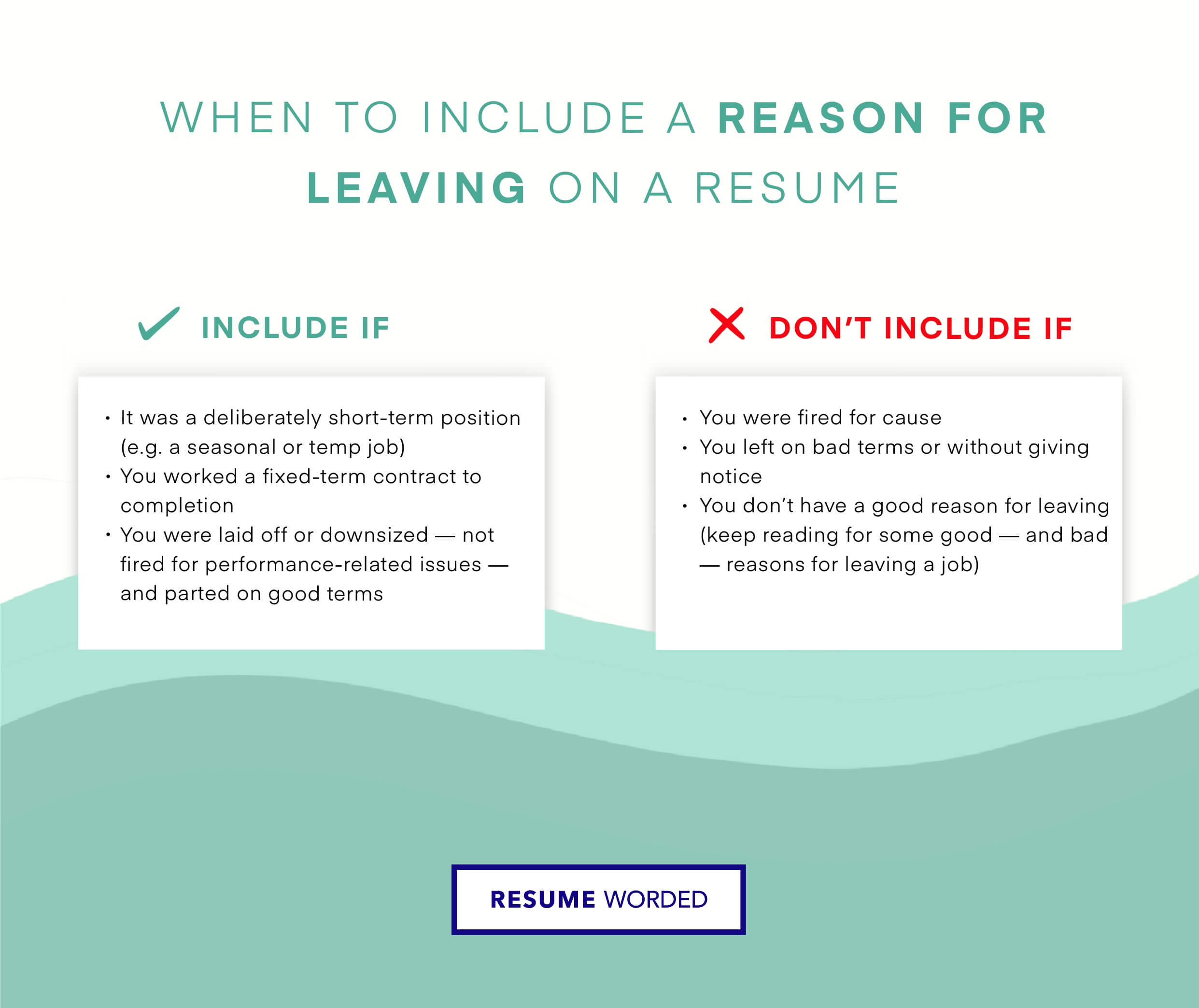
It is a reality of the professional world that people often leave jobs due to toxic leadership, burnout, or stagnancy. However, airing these grievances during an interview or an exit interview is a “brand killer.” It makes you appear high-maintenance or negative.
The strategic approach is to “neutralize the negative.” If you are leaving a chaotic environment, focus on your desire for “structured environments that support data-driven decision-making.” If you are leaving a micromanager, focus on your “demonstrated ability to lead projects autonomously.” You are acknowledging the deficit in your current role by highlighting the positive attribute you are seeking, without ever having to speak ill of your current employer.
The Art of the Positive Exit Interview
The exit interview is not a therapy session; it is a final branding touchpoint. Your objective is to leave the door open for future networking and referrals. Focus on the gratitude you have for the opportunities you were given and the relationships you built.
Even if the experience was subpar, find a “brand-positive” angle. “I am grateful for the chance to have navigated the challenges we faced this year; it has sharpened my crisis management skills significantly.” This leaves the impression of a resilient, professional individual who finds the value in every situation.
Digital Brand Consistency: Syncing Your Story Across LinkedIn and Beyond
In the age of digital transparency, your reason for leaving must be consistent across all platforms. Recruiters will check your LinkedIn profile against the story you told them in the interview. If there is a disconnect, your brand’s “trust equity” drops.
Updating Your Professional Summary Post-Departure
Once you have moved on, your LinkedIn summary should reflect your new narrative. Instead of simply listing your end date, use your summary to “bridge the gap.” If you left to pursue specialization, your headline and summary should reflect that new focus immediately. This signals to the market that your departure was a planned, strategic move into a new phase of your career.
Managing Recommendations and Endorsements During Transitions
A key part of personal branding is “Social Proof.” As you prepare to leave, proactively reach out to colleagues and supervisors for recommendations while your successes are still fresh in their minds. A surge of positive recommendations at the same time as your departure date reinforces the narrative that you left on excellent terms and were a valued member of the team. It validates the “Growth Trajectory” narrative you’ve been presenting.
Conclusion: Owning Your Career Evolution
Leaving a job is not an end; it is a “rebranding event.” By viewing the question “Why are you leaving?” through the lens of brand strategy, you take control of your professional identity. Whether you are seeking higher challenges, better cultural alignment, or a pivot into a new niche, your explanation should always serve your long-term goals.
Remember: you are the Chief Executive Officer of your own career. Like any successful brand, you must protect your reputation, communicate your value clearly, and ensure that every move you make is a step toward a more powerful, more authentic version of your professional self. When you master the art of the career narrative, you don’t just find a new job—you build a legacy of intentional growth and professional excellence.
aViewFromTheCave is a participant in the Amazon Services LLC Associates Program, an affiliate advertising program designed to provide a means for sites to earn advertising fees by advertising and linking to Amazon.com. Amazon, the Amazon logo, AmazonSupply, and the AmazonSupply logo are trademarks of Amazon.com, Inc. or its affiliates. As an Amazon Associate we earn affiliate commissions from qualifying purchases.