
In the modern professional landscape, your career is no longer a linear progression of tasks and titles; it is a narrative. Every move you make, every role you accept, and every departure you initiate contributes to your personal brand. When a recruiter or a hiring manager asks, “Why are you leaving your current role?” they are not merely looking for a logistical explanation. They are auditing your professional brand strategy. They are assessing your values, your judgment, and your long-term trajectory.
The “reason for leaving” is a pivotal moment in your brand story. Handled poorly, it can signal a lack of commitment or a “flight risk” persona. Handled strategically, it serves as a powerful confirmation of your Unique Value Proposition (UVP) and your alignment with future-focused market demands.
1. The Power of Narrative in Personal Branding
In brand strategy, the narrative is the glue that holds a corporate identity together. The same applies to your professional life. Your personal brand is built on the perception of your reliability, expertise, and growth potential. When you explain why you are moving on, you are essentially defining the end of one chapter and the thematic beginning of the next.
Defining Your Professional “Why”
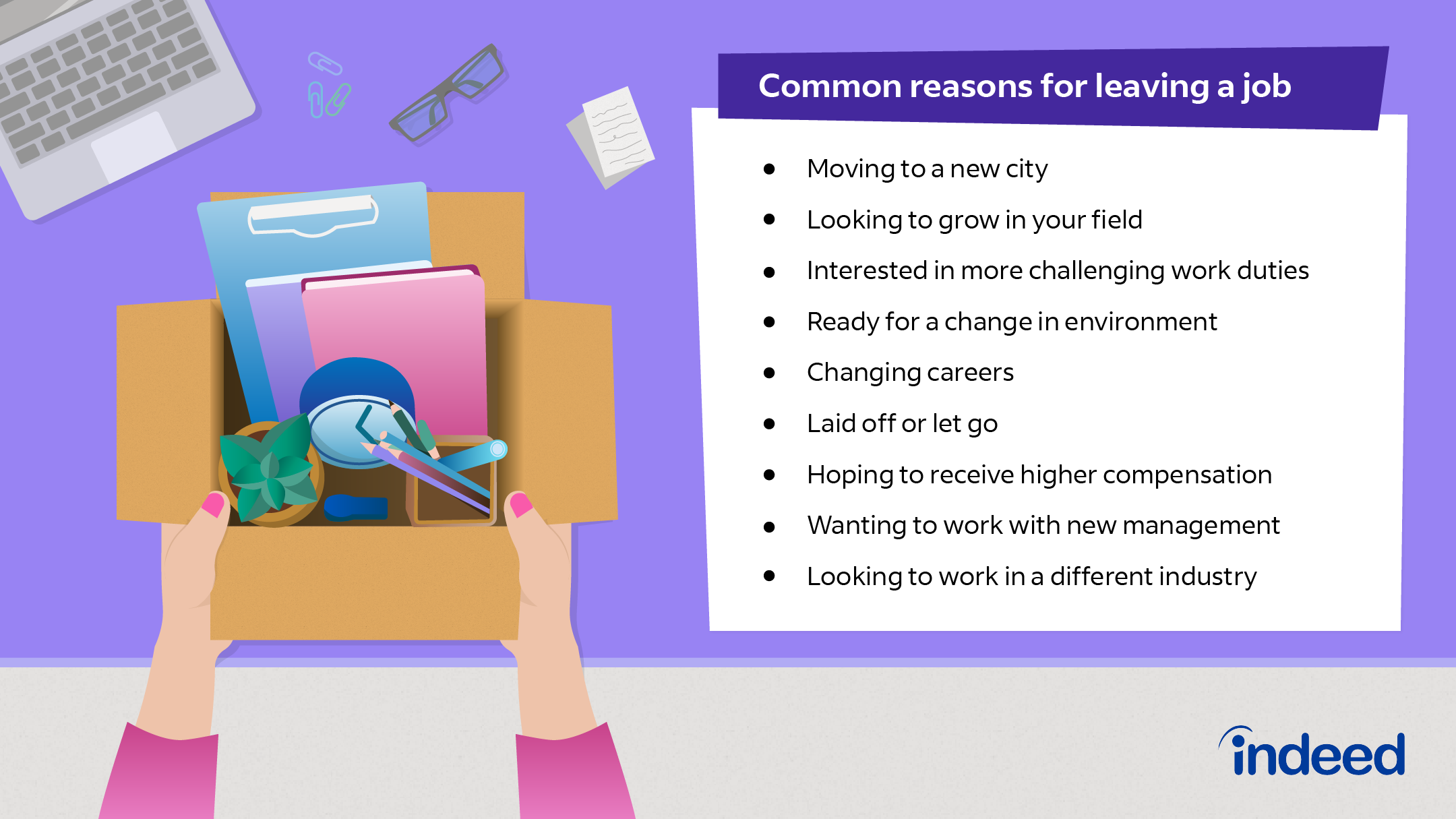
Every brand has a “Why”—a core purpose that drives its operations. When you provide a reason for leaving, it must align with your professional purpose. If your brand is built on “Innovation and Disruption,” leaving a job because the company culture was too stagnant is a strategic brand move. It shows that you prioritize environments that allow your core strengths to flourish.
Maintaining Brand Integrity During Transitions
Integrity is the bedrock of any successful brand. One of the most common mistakes professionals make is “trashing” their previous employer. From a branding perspective, this is a catastrophic error. It suggests that your brand is reactive rather than proactive. A strong personal brand remains poised and professional, focusing on “pull factors” (the attractions of the new role) rather than “push factors” (the grievances of the old one). By maintaining a high-road narrative, you signal to future stakeholders that your brand is stable, professional, and focused on solutions rather than problems.
2. Strategic Reframing: Turning Past Roles into Brand Assets
The way you frame your departure can either diminish or enhance the value of the experience you gained. In brand marketing, we often talk about “repositioning.” You are repositioning your experience to fit the needs of a new “target market” (your prospective employer).
Identifying Cultural Mismatch as Brand Realignment
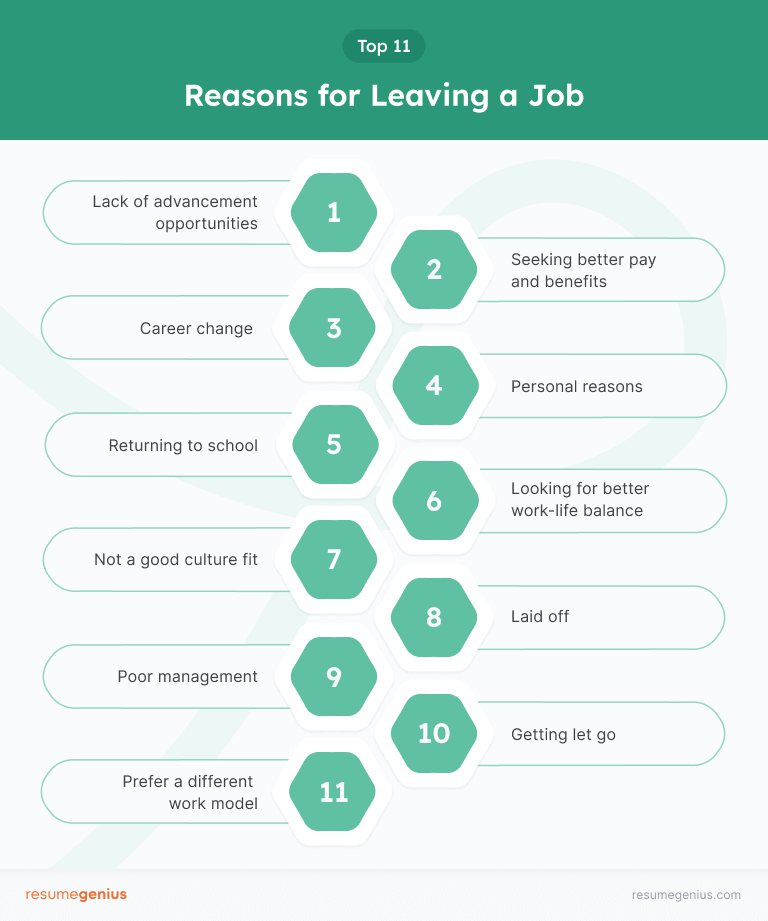
Sometimes, the reason for leaving is simply that the corporate brand and your personal brand are no longer in sync. Perhaps the company’s brand identity has shifted through a merger, or perhaps your own professional values have evolved. Framing a departure as a “search for better cultural alignment” is a sophisticated brand strategy. It demonstrates that you understand the importance of organizational synergy and that you are looking for a platform where your “brand voice” can be most effective.
The “Growth Mindset” as a Brand Pillar
If you have reached a plateau in your current role, your reason for leaving should be framed as a strategic acquisition of new market territory. In business, if a company stops growing, it loses market share. In your career, if you stop learning, your brand value depreciates. Stating that you have “maximized your impact” in your current role and are seeking a new environment to “scale your skill set” frames you as a high-growth asset. You are not just looking for a job; you are looking for a strategic partnership where you can deliver a higher ROI.
Turning Redundancy into a Rebranding Opportunity
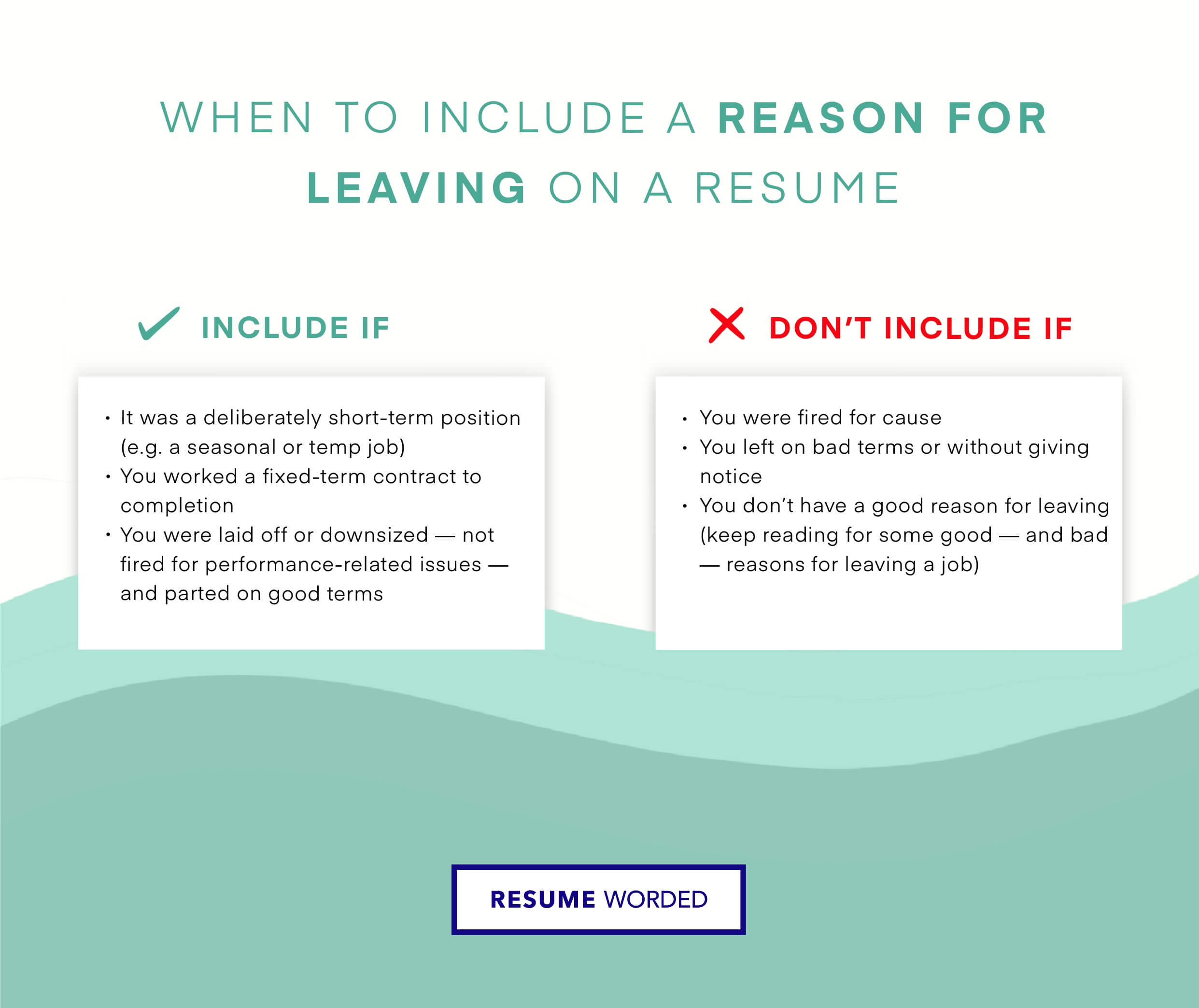
Layoffs and restructuring are common in the modern economy. From a branding perspective, being let go due to corporate restructuring is not a failure of your brand; it is a change in the market environment. Frame this as an “invited opportunity” to pivot. It allows you to conduct a “brand audit,” reassess your goals, and choose a path that is more intentionally aligned with where the industry is heading.
3. Navigating Common Scenarios Through a Brand Lens
Every reason for leaving can be distilled into a brand-positive statement. The key is to shift the focus from the past to the future, ensuring your narrative remains consistent with the professional image you have cultivated.
Leaving for a Career Pivot
When you leave a job to move into a different industry or function, you are undergoing a “Brand Extension.” Just as a luxury fashion house might expand into home decor, you are taking your core competencies into a new vertical. Your reason for leaving should highlight the “transferable brand equity” you are bringing with you. Explain how your background in Category A makes you a unique and valuable asset in Category B. This turns a “departure” into a “strategic expansion.”
Seeking Better Leadership and Vision
If the reason for leaving is poor management, the brand-aligned response focuses on “Visionary Leadership.” Instead of complaining about a bad boss, state that you are looking for an organization whose leadership philosophy and long-term vision more closely align with your own professional standards. This positions you as someone who values high-level strategic thinking and organizational excellence, which are desirable traits for any brand.
Addressing Gaps in the Resume
Gaps in a resume are often viewed with suspicion, but they can be branded as “Sabbaticals for Development” or “Strategic Resets.” Whether you left to care for family, travel, or pursue further education, frame this time as an investment in your personal brand’s longevity. A brand that takes time to refresh and innovate often returns to the market stronger and more focused.
4. Digital Brand Consistency: Aligning Your “Why” Across Platforms
In the digital age, your brand narrative must be consistent across all touchpoints. A recruiter will look at your resume, check your LinkedIn profile, and then ask you the “reason for leaving” question in person. Any discrepancy between these channels creates “brand friction.”
The LinkedIn “About” Section Strategy
Your LinkedIn profile is your brand’s landing page. Your “About” section should subtly hint at why you are “on the move” without being explicit. Instead of saying “I’m looking for a job because my current one is boring,” use brand-forward language like “Currently seeking to leverage my 10 years of experience in brand strategy to help a mission-driven startup scale its operations.” This sets the stage for your interview answer, making your reason for leaving feel like a natural progression of your public-facing narrative.
Resume Verbiage and Brand Voice
The “Work Experience” section of your resume should be a record of achievements, not just duties. When you list your roles, the way you describe your transitions (if you choose to include a brief line or if it’s implied by the dates) should reflect your brand voice. If your brand is “The Fixer,” your transitions should show a pattern of moving from completed projects to new challenges that require your specific brand of problem-solving.
The Interview: The Final Brand Pitch
The interview is where your brand story is truly tested. When asked about leaving, your tone should be one of “Brand Confidence.” Avoid defensiveness. If you were fired, own the narrative by explaining what you learned and how it refined your professional focus. If you are leaving voluntarily, express gratitude for the past while showing excitement for the future. This balanced approach demonstrates “Brand Maturity,” a trait highly valued by corporate leaders.
5. Future-Proofing Your Personal Brand
The reason you leave a job today sets the precedent for how you will be perceived in your next role. Brand strategy is a long game. By treating every exit as a strategic rebranding exercise, you ensure that your professional reputation remains untarnished and your market value continues to rise.
Building a Reputation for “Strategic Departures”
Top-tier professionals rarely “quit” jobs; they “graduate” from them. They build a brand reputation for leaving organizations better than they found them and moving on only when their mission is accomplished. This creates a legacy of success that becomes a core part of their personal brand. When you are known as someone who leaves for the right reasons—growth, alignment, and impact—you become a more desirable candidate for high-level positions.
Conclusion: Your Brand Is Your Story
Ultimately, what you put for your reason for leaving a job is a reflection of your self-worth and your professional vision. It is the story of a brand that knows its value and is seeking the best possible market to realize that value. By moving away from “excuses” and toward “strategic narratives,” you transform a potentially awkward interview question into a powerful marketing tool.
Your career is your most valuable brand. Every transition is an opportunity to refine that brand, clarify your message, and position yourself for greater success. When you frame your reason for leaving through the lens of brand strategy, you don’t just explain why you are leaving; you explain why you are the exact person the next company needs to hire.
aViewFromTheCave is a participant in the Amazon Services LLC Associates Program, an affiliate advertising program designed to provide a means for sites to earn advertising fees by advertising and linking to Amazon.com. Amazon, the Amazon logo, AmazonSupply, and the AmazonSupply logo are trademarks of Amazon.com, Inc. or its affiliates. As an Amazon Associate we earn affiliate commissions from qualifying purchases.