
For the modern consumer, the intersection of convenience and cost-saving is a critical component of personal finance management. Among the most popular ways to bridge the gap between necessary household spending and budget optimization is through the utilization of supermarket fuel programs. Kroger, as one of the largest retail chains in the United States, offers a robust fuel program that serves millions of drivers. However, to truly capitalize on these benefits, one must understand more than just the price per gallon; one must understand the logistical operations, specifically concerning the operating hours of Kroger fuel centers, and how these hours impact your overall financial strategy.

Knowing exactly when a Kroger gas station opens and closes is not merely a matter of convenience—it is a tactical component of a broader money-saving ecosystem. Whether you are a daily commuter, a gig economy driver, or a head of a household looking to shave hundreds of dollars off your annual expenses, timing your fuel stops is a foundational skill.
Understanding Kroger Fuel Center Operating Hours
The first step in mastering the Kroger fuel ecosystem is understanding the window of opportunity for transactions. While the main Kroger grocery stores often maintain extended hours, sometimes staying open 24 hours or until midnight, the fuel centers typically operate on a different schedule.
Regional Variations and Local Factors
Generally, most Kroger fuel centers open their kiosks between 6:00 AM and 10:00 PM. However, these hours are not universal. Operating times are heavily influenced by the specific location, local labor laws, and the traffic patterns of the surrounding community. For instance, a fuel center located in a high-traffic urban area might stay open until 11:00 PM to accommodate late-shift workers, while a rural location might close at 9:00 PM.
To ensure you are not wasting gas (and money) driving to a closed station, it is financially prudent to utilize the Kroger mobile app or website to verify the specific hours of your local branch. In the world of personal finance, “leakage”—the small, unnecessary costs like driving to a closed station—can add up over a year, undermining your savings goals.
The 24-Hour Pay-at-the-Pump Exception
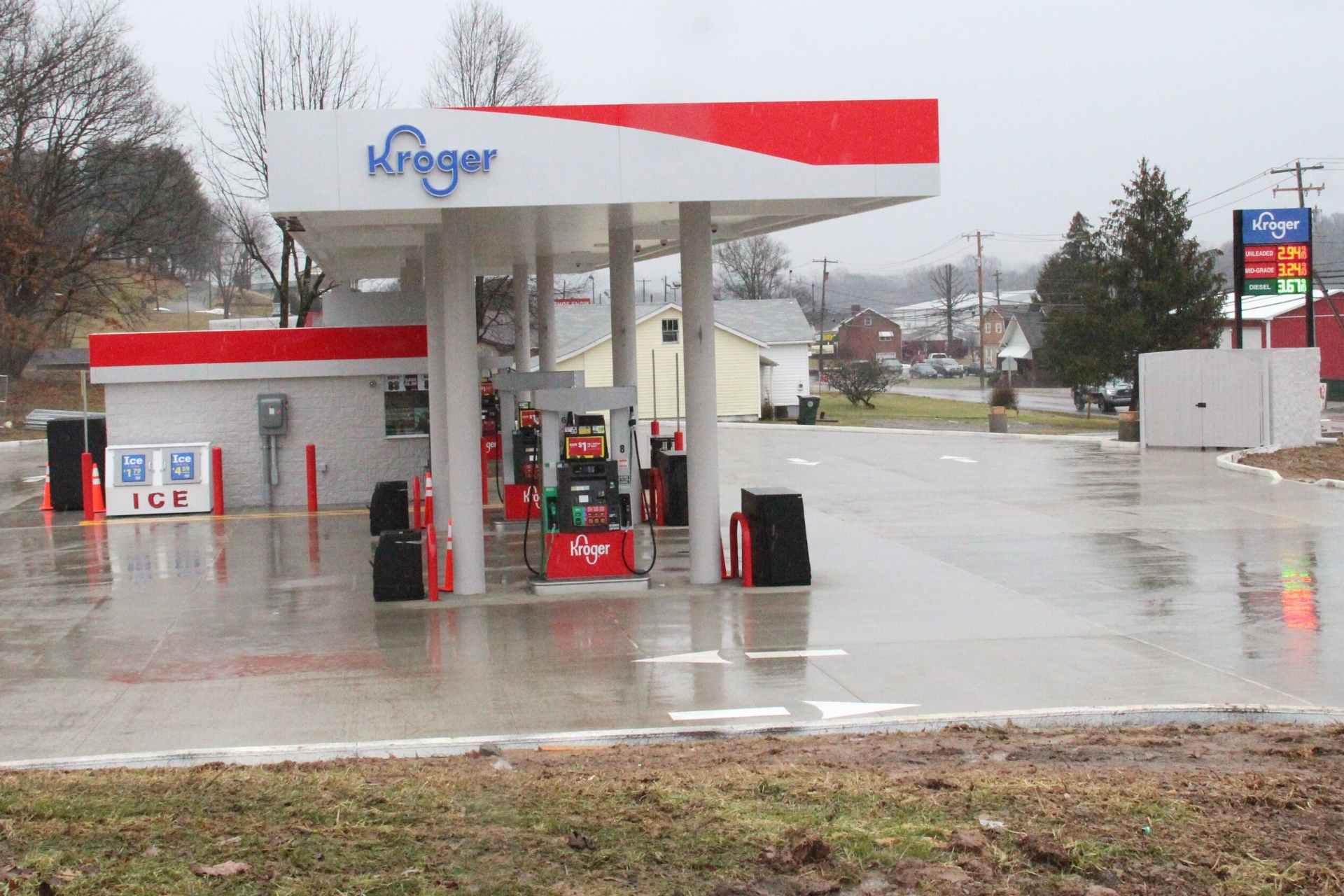
A critical piece of information for the budget-conscious traveler is the “Pay-at-the-Pump” functionality. While the kiosk (where an attendant is present and where you might buy tobacco or snacks) has set closing times, many Kroger gas stations allow for 24-hour fueling via credit or debit cards at the pump.
From a financial perspective, this is a vital distinction. If you are a gig worker for platforms like Uber, Lyft, or DoorDash, your “work day” might start at 3:00 AM. Knowing that you can still access Kroger’s competitive pricing and use your fuel points at the pump during “closed” hours allows for better route planning and ensures that your overhead costs remain low, regardless of the time of day.
The Financial Impact of the Kroger Fuel Program
To understand why people are so concerned with Kroger gas station hours, one must look at the underlying financial incentive: the Fuel Points program. This is a “loss leader” strategy designed by Kroger to ensure brand loyalty, but when used correctly, it functions as a high-yield savings tool for the consumer.
How the Fuel Points System Works
The math behind the Kroger fuel program is straightforward but powerful. For every $1 spent on groceries, the consumer earns 1 fuel point. For every 100 points accumulated, you receive a $0.10 discount per gallon of fuel, up to $1.00 off per gallon in a single fill-up.
In terms of personal finance, this represents a significant percentage of “cash back.” If gas is priced at $3.50 per gallon and you use a $1.00 discount, you are effectively receiving a 28% discount on a non-negotiable commodity. For a standard 15-gallon tank, that is a $15 saving per fill-up. Over the course of a year with bi-weekly fill-ups, this equates to nearly $400 in direct savings—money that can be redirected into an emergency fund or a high-yield savings account.
Calculating ROI on Grocery Spend vs. Fuel Savings
Sophisticated budgeters look at the Return on Investment (ROI) of their grocery spending. Kroger frequently offers “4x Fuel Points” on gift card purchases. For a consumer planning to make a purchase at a home improvement store or an electronics retailer, buying a gift card at Kroger first can yield massive fuel rewards.
For example, purchasing a $250 gift card for a necessary home repair during a 4x points event nets 1,000 points. Those 1,000 points translate to $1.00 off per gallon. If you fill up a 20-gallon tank, you’ve just “earned” $20 back on a purchase you were going to make anyway. Understanding the operating hours of the fuel center ensures you can actually execute this trade before your points expire at the end of the month.
Strategic Fueling: Timing Your Fill-Ups for Maximum Budget Efficiency
In the realm of personal finance, timing is often just as important as the amount spent. This applies to the stock market, and it applies to the gas pump. By aligning your schedule with Kroger’s operating hours, you can avoid the financial pitfalls of “panic fueling.”
Avoiding “Panic Fill-ups” During Closing Hours
One of the most common financial mistakes is the “panic fill-up”—stopping at a premium-priced, non-loyalty gas station because you realized your preferred station (Kroger) is closed for the night and you have an early commute. These impulse buys often cost an additional $0.30 to $0.50 per gallon compared to your discounted Kroger price.
By keeping a mental note of the 10:00 PM (or local) closing time, you can schedule your fueling during your regular grocery runs. This “habit stacking” reduces the cognitive load of financial management and ensures you never pay the “convenience tax” associated with 24-hour convenience stores that don’t offer loyalty discounts.
Leveraging Double and Triple Point Events
Kroger often runs promotional weekends where grocery purchases earn double or triple points. These events are the best time to “invest” in your pantry. By timing your large, bulk-buying trips with these promotions, you maximize the fuel points earned per dollar spent. However, these points have an expiration date.
A savvy financial strategy involves checking the fuel center hours during the last few days of the month. If you have 1,000 points set to expire, but you wait until 11:00 PM on the last day of the month and the pumps are undergoing maintenance or the kiosk is closed, you lose that $20–$35 value. Proactive management of your “fuel portfolio” requires being aware of the clock.
Business and Side Hustle Optimization via Kroger Fuel
For many, a vehicle is more than a mode of transport; it is a business asset. For those in the gig economy or small business owners who manage a fleet of vehicles, the Kroger fuel program is a tool for increasing profit margins.
Fuel Savings for Gig Workers (Uber/DoorDash)
If you are an independent contractor, every dollar spent on fuel is a dollar taken directly out of your net profit. Gig workers who utilize Kroger gas stations during their operating hours can significantly lower their Cost of Goods Sold (COGS).
If a full-time delivery driver uses 100 gallons of fuel per month, a $1.00 per gallon discount adds $1,200 annually to their bottom line. This is essentially a tax-free raise. Knowing the fuel center hours allows these workers to “top off” at the end of a shift or start their day with a full tank at the lowest possible price point, ensuring they don’t have to stop at a more expensive station during peak earning hours.
Expense Tracking and Tax Considerations for Business Fuel
For those who use their vehicle for business, the Kroger app provides a digital trail of fuel purchases. While the primary goal is the discount, the secondary financial benefit is the organization of expenses. By consistently using Kroger fuel centers during their operational hours, you centralize your fuel receipts.
Furthermore, when the kiosk is open, you can obtain printed receipts which are often required for certain types of tax audits or corporate reimbursements. Relying solely on the 24-hour pay-at-the-pump option sometimes results in “lost” receipts if the pump printer is out of paper—a minor annoyance that can become a headache during tax season.
Conclusion: The Synergy of Timing and Financial Health
The question of “what time does the Kroger gas station close” is the starting point for a much deeper conversation about financial discipline and strategic spending. In a world where inflation can fluctuate and fuel prices are volatile, leveraging every available tool to protect your wealth is essential.
By understanding the standard 6:00 AM to 10:00 PM window, accounting for the 24-hour flexibility of automated pumps, and integrating the fuel points program into your broader household or business budget, you transform a mundane chore into a sophisticated financial maneuver. Success in personal finance is rarely about one large windfall; it is about the accumulation of small, smart decisions made consistently over time. Managing your fuel consumption through the Kroger ecosystem is one of the most accessible and effective ways to practice that consistency. Keep an eye on the clock, keep an eye on your points, and keep your hard-earned money in your pocket.
aViewFromTheCave is a participant in the Amazon Services LLC Associates Program, an affiliate advertising program designed to provide a means for sites to earn advertising fees by advertising and linking to Amazon.com. Amazon, the Amazon logo, AmazonSupply, and the AmazonSupply logo are trademarks of Amazon.com, Inc. or its affiliates. As an Amazon Associate we earn affiliate commissions from qualifying purchases.