
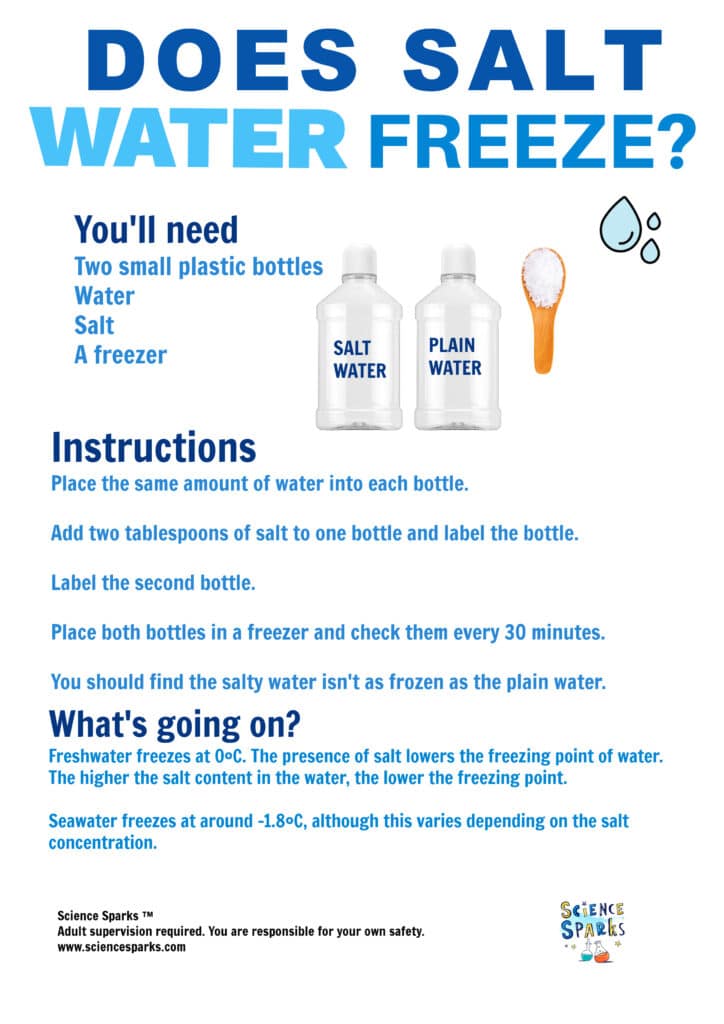
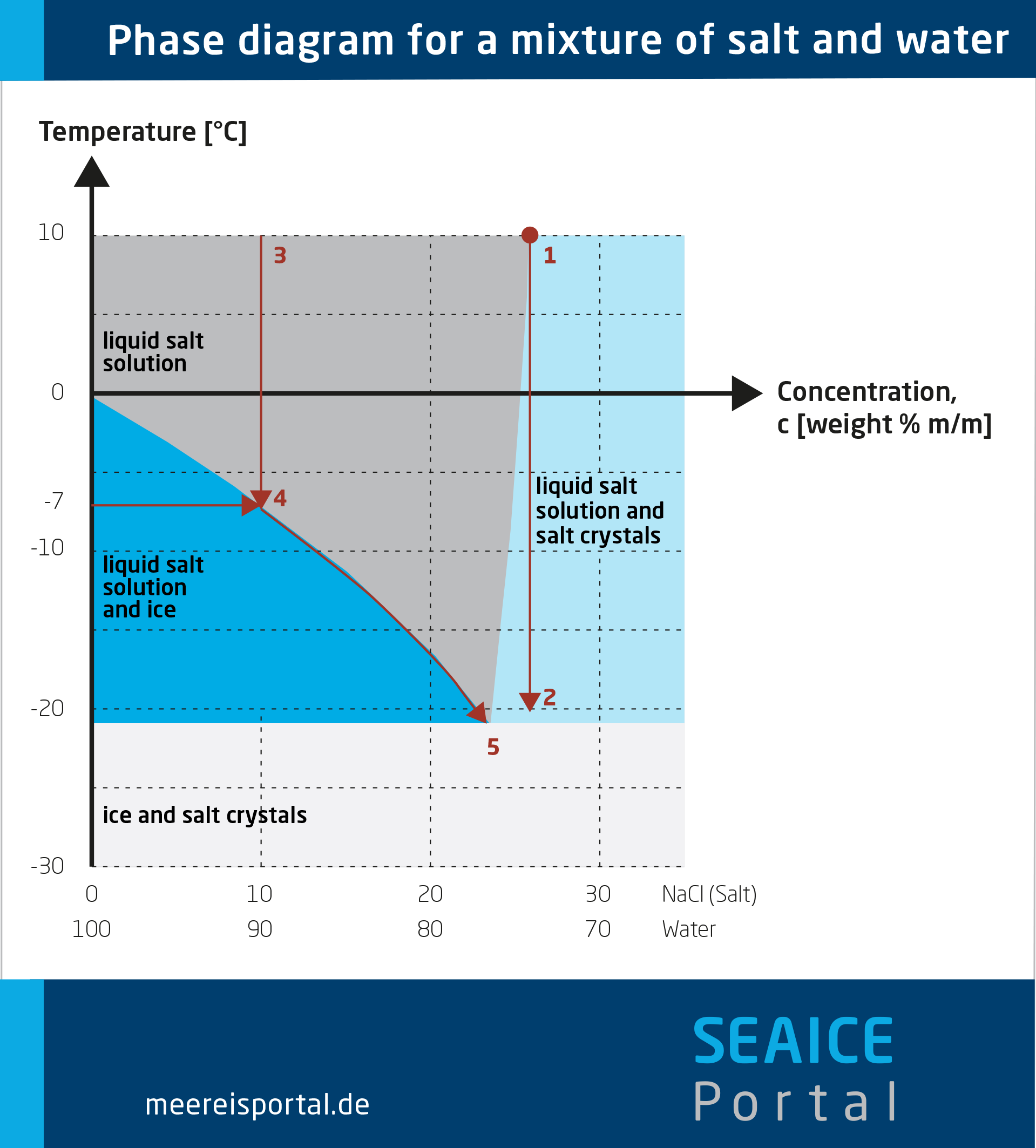
In the realm of thermodynamics, the question “what temp does salt water freeze at?” is more than a fundamental science query; it is a critical parameter that dictates the design of global infrastructure, maritime hardware, and next-generation cooling systems. While pure water transitions from liquid to solid at 0°C (32°F), the introduction of sodium chloride disrupts the molecular structure, lowering the freezing point to approximately -2°C (28.4°F) for average seawater.
From a technological perspective, this two-degree difference represents a massive engineering hurdle. Whether it is the deployment of autonomous underwater vehicles (AUVs) in the Arctic or the development of sustainable data center cooling systems that utilize ocean water, understanding and manipulating the freezing point of brine is essential for digital and physical resilience in the 21st century.
The Thermodynamics of Salinity in Modern Data Infrastructure
As the demand for high-performance computing (HPC) and artificial intelligence grows, the energy required to cool the underlying hardware has skyrocketed. Traditional air-cooling methods are increasingly insufficient, leading tech giants to explore liquid immersion and seawater-assisted cooling. In these environments, the freezing point of salt water becomes a vital metric for operational uptime.
Seawater-Cooled Data Centers and Thermal Management
Hyperscale data centers, such as those experimented with by Microsoft (Project Natick), leverage the natural thermal sink of the ocean. However, operating in northern latitudes requires an intimate understanding of “freezing point depression.” Because salt water remains liquid below the standard freezing point of fresh water, engineers can utilize it as a more efficient coolant in near-sub-zero environments without the immediate risk of pipe bursts associated with ice expansion.
Technology must account for the variable salinity levels in different geographical locations. In the Baltic Sea, where salinity is low, the freezing point is closer to 0°C. In the Dead Sea or high-salinity industrial cooling loops, the liquid can remain fluid at temperatures significantly lower. Tech stacks used to monitor these systems must utilize high-precision thermal sensors and IoT-enabled pressure gauges to prevent crystallization within the heat exchangers.
Liquid Cooling Innovations and Brine-Based Solutions
Beyond the ocean, the tech industry is seeing a rise in specialized brine-based cooling for server racks. By manipulating the concentration of salts and additives, engineers can create “thermal buffers.” These liquid systems can absorb more heat than air and remain stable in extreme environments. The challenge lies in the corrosive nature of the salt—a tech-wide hurdle that has birthed a new sub-sector of material science focused on non-reactive polymer coatings and high-grade titanium hardware that can withstand the chemical aggression of sub-zero brine.
Marine Technology and the Sub-Zero Barrier
The maritime industry is currently undergoing a digital transformation, with the integration of AI-driven navigation and autonomous sensors. For these technologies to survive in the polar regions, they must solve the problem of “what temp does salt water freeze at” while simultaneously dealing with the accretion of sea spray ice.
Autonomous Underwater Vehicles (AUVs) and Arctic Exploration
AUVs are the “satellites of the sea,” packed with sophisticated sensors, lithium-ion batteries, and microprocessors. When these units operate in the Southern Ocean or the Arctic, they are often submerged in water that is technically below the freezing point of fresh water.
The software governing these vehicles must include “thermal awareness” algorithms. If an AUV ascends through a layer of fresher, colder water (where the freezing point is higher), it risks being encased in flash-freeze ice. Modern marine tech utilizes predictive modeling to analyze salinity gradients in real-time, allowing the AUV to adjust its depth and internal heat distribution to prevent mechanical failure.
Anti-Icing Tech and Smart Materials
In the shipping industry, the digitalization of the “Blue Economy” has led to the development of smart surfaces. When salt water hits the deck of a vessel in freezing temperatures, the salt may lower the freezing point initially, but the water eventually turns to “black ice” as it accumulates.
Tech startups are now developing “Omniphobic” coatings—surfaces that repel both water and oils. These are being integrated with embedded heating elements controlled by AI. By calculating the exact freezing point based on local salinity sensors, these systems only activate when necessary, saving massive amounts of energy compared to traditional steam-based de-icing.

Digital Simulation and Predictive Modeling of Salinity
The complexity of saltwater freezing isn’t just a hardware problem; it’s a data problem. Computational Fluid Dynamics (CFD) and Artificial Intelligence are now the primary tools used to predict how salt water behaves under extreme pressure and fluctuating temperatures.
AI-Driven Fluid Dynamics
Predicting the exact moment salt water transitions to ice involves complex variables: salinity levels, pressure, and flow velocity. Tech companies specializing in environmental modeling are using deep learning to create “Digital Twins” of oceanic regions. These digital replicas allow engineers to simulate how a subsea fiber-optic cable might react if the surrounding brine reaches its freezing point.
These AI models are essential for the maintenance of global internet infrastructure. Since most of the world’s data travels through undersea cables, understanding the thermal limits of the protective casing in high-salinity, low-temperature trenches is a priority for digital security. If the salt water freezes, the resulting expansion of ice can crush the sensitive glass fibers, leading to continental-scale outages.
Remote Sensing and Satellite Telemetry
NASA and the European Space Agency (ESA) use specialized microwave radiometers on satellites to measure the “brightness temperature” of the ocean surface. This data is used to calculate sea surface salinity, which in turn tells us the freezing point of those specific waters.
The tech stack here is immense: from the satellite’s hardware that filters out galactic background noise to the ground-based cloud computing platforms that process terabytes of data. This “Salinity Tech” is vital for climate monitoring. As polar ice melts, it dumps fresh water into the salty ocean, raising the freezing point. Tracking these shifts allows tech-driven climate models to predict future shipping lane openings and changes in the global “Conveyor Belt” of ocean currents.
The Future of Energy: Saltwater Batteries and Thermal Stability
One of the most exciting intersections of “salt water freezing points” and technology is in the field of energy storage. As we move away from lithium-ion, “aqueous electrolyte” or saltwater batteries are emerging as a safer, cheaper alternative for grid-scale storage.
Aqueous Electrolyte Technology
Saltwater batteries use a concentrated brine solution as the electrolyte. A major hurdle for this tech in colder climates is the freezing risk. If the electrolyte freezes, the battery’s internal resistance skyrockets, and it can no longer discharge or charge.
To solve this, tech innovators are experimenting with “Eutectic” salt mixtures. By finding the exact ratio of different salts, they can lower the freezing point even further than that of standard seawater—sometimes down to -40°C. This allows for the deployment of renewable energy storage in remote, sub-zero locations like Alaska or Northern Scandinavia, where traditional batteries would fail.
Resilience and Thermal Runaway
Unlike lithium batteries, saltwater batteries do not suffer from thermal runaway (they won’t catch fire). However, their performance is still tied to the temperature-dependent viscosity of the brine. The next generation of “Smart Batteries” will include integrated thermal management software that monitors the proximity of the electrolyte to its freezing point, using waste heat from the battery’s own chemical reactions to keep the system in an optimal liquid state.
Conclusion: The Strategic Importance of the -2°C Threshold
Understanding the temperature at which salt water freezes is no longer a niche concern for marine biologists; it is a fundamental requirement for the modern tech landscape. As we push our hardware into more extreme environments—whether they are the depths of the ocean or the outskirts of the Arctic—the chemical properties of salt water become the boundary conditions for innovation.
From the liquid cooling systems that power our AI to the autonomous drones that map the sea floor, the -2°C threshold is a constant challenge. Through the use of AI modeling, advanced material science, and innovative energy storage, the tech industry is not just reacting to the freezing point of salt water; it is mastering it, turning a harsh environmental constraint into a controlled engineering variable. As the digital and physical worlds continue to merge, our ability to compute, communicate, and store energy in the cold and salty corners of the globe will define the next era of technological progress.
aViewFromTheCave is a participant in the Amazon Services LLC Associates Program, an affiliate advertising program designed to provide a means for sites to earn advertising fees by advertising and linking to Amazon.com. Amazon, the Amazon logo, AmazonSupply, and the AmazonSupply logo are trademarks of Amazon.com, Inc. or its affiliates. As an Amazon Associate we earn affiliate commissions from qualifying purchases.