
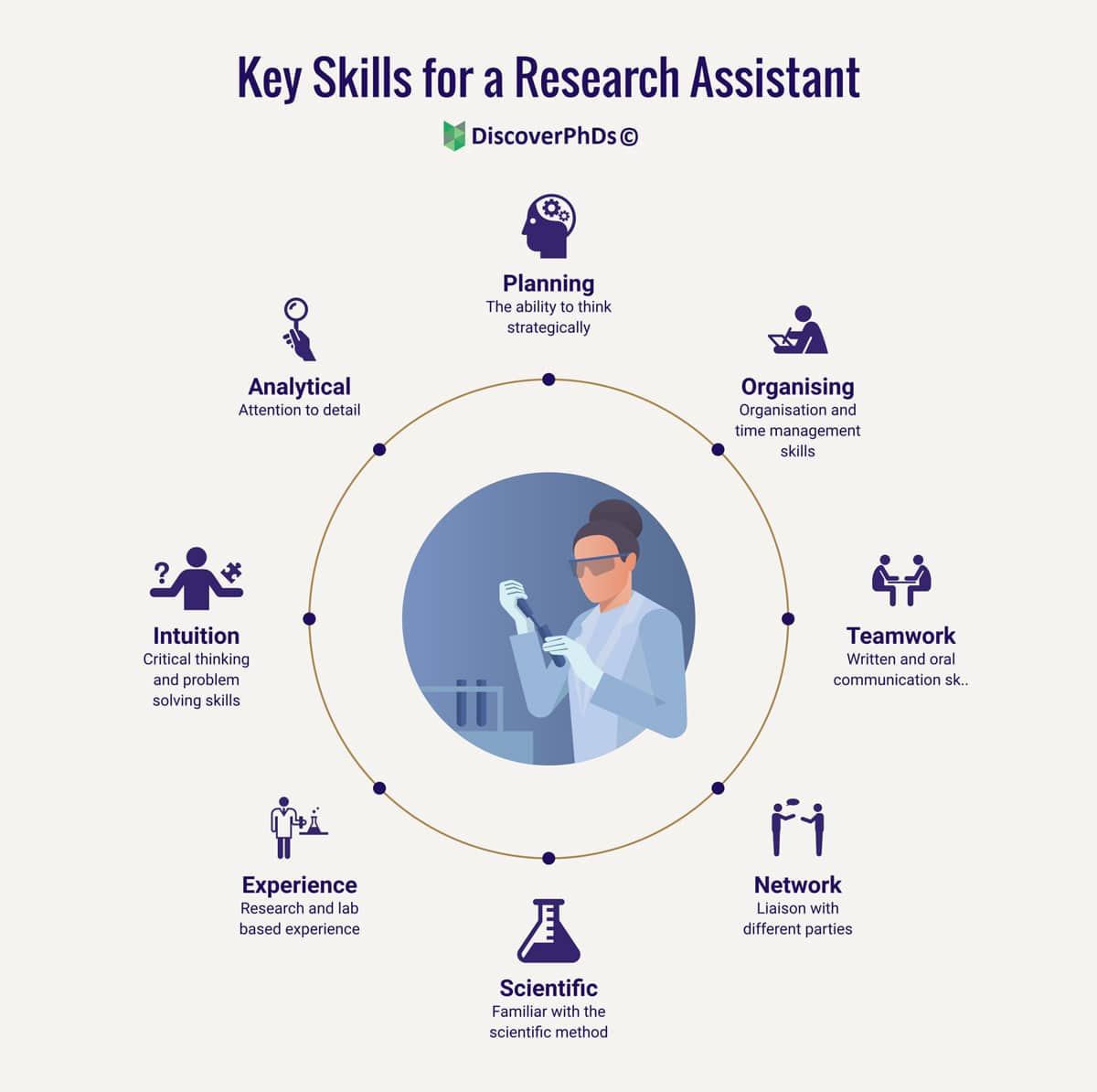
The role of a research assistant (RA) has undergone a radical transformation over the last decade. Historically, the image of a research assistant involved dusty archives, manual photocopies, and endless hours of physical filing. Today, the role has shifted into the high-tech domain. In contemporary research environments—whether in academia, private R&D, or corporate intelligence—a research assistant is essentially a data architect and a technology specialist.
In this era of information saturation, the primary function of a research assistant is no longer just “finding” information, but rather filtering, processing, and synthesizing it using a sophisticated tech stack. This article explores the modern technological functions of a research assistant, highlighting how software, AI, and digital security have become the cornerstone of the profession.
1. Navigating the Information Deluge: Automated Data Collection
The modern research assistant acts as the first line of defense against information overload. In the “Tech” niche, this involves moving beyond simple Google searches to employ advanced data harvesting techniques.
Automated Web Scraping and Data Extraction
One of the most critical tasks a tech-savvy research assistant performs today is automated data collection. Instead of manually copying and pasting data from websites, RAs utilize tools like BeautifulSoup, Scrapy, or browser-based extensions like Octoparse. By writing scripts or configuring “crawlers,” they can extract thousands of data points—such as product prices, social media sentiment, or academic citations—in a fraction of the time it would take a human. This allows the research team to work with massive datasets that provide statistical significance.
Managing Specialized Digital Databases
Beyond the open web, RAs are masters of specialized digital repositories. Whether it is querying IEEE Xplore for technical papers, PubMed for biotechnological breakthroughs, or GitHub for open-source code trends, the assistant must understand the syntax of complex queries. They use Boolean logic and database-specific filters to narrow down millions of records into a curated list of high-quality sources.
Real-Time Monitoring and Alert Systems
Technology has shifted research from a “static” activity to a “dynamic” one. Research assistants now set up automated pipelines using tools like Google Alerts, Talkwalker, or RSS aggregators integrated with Slack. By doing so, they ensure that the lead researchers are updated the moment a new patent is filed, a competitor releases a white paper, or a breakthrough algorithm is published on arXiv.
2. The AI Revolution: Enhancing Synthesis with Machine Learning
The integration of Artificial Intelligence has perhaps had the most profound impact on what research assistants do. Far from being replaced by AI, RAs are becoming “AI orchestrators,” using Large Language Models (LLMs) and Machine Learning (ML) to accelerate the discovery process.
Natural Language Processing (NLP) for Literature Reviews
A significant portion of an RA’s time is spent on literature reviews. In the modern tech-focused workflow, they use NLP tools like Elicit, Consensus, or ResearchRabbit. These platforms allow the assistant to find “semantically related” papers rather than just keyword matches. An RA uses these tools to map out the “knowledge graph” of a particular field, identifying which papers are the most influential and how different technical concepts have evolved over time.
Generative AI as a Synthesis Tool
Generative AI tools like ChatGPT-4 or Claude 3 have changed how RAs summarize information. A research assistant today might feed several 50-page technical reports into an AI and prompt it to “extract the methodology, key findings, and limitations” of each. However, the RA’s value lies in their ability to verify these outputs. They perform “human-in-the-loop” validation, ensuring the AI hasn’t hallucinated data and that the synthesis aligns with the research goals.

Predictive Modeling and Data Analysis
In more technical roles, research assistants utilize software like R, Python (with libraries like Pandas and Scikit-learn), or MATLAB to perform predictive analysis. They don’t just look at what happened; they help project what might happen. By applying basic machine learning models to existing data, they can identify trends in technology adoption or software vulnerabilities before they become mainstream knowledge.
3. The Technical Skillset: Mastery of the Digital Infrastructure
To be effective, a research assistant must be proficient in a variety of software ecosystems. Their role is to build a seamless digital infrastructure that supports the entire research lifecycle.
Reference Management and Collaborative Platforms
Organization is the backbone of research. Modern RAs use sophisticated reference management software like Zotero, Mendeley, or EndNote. These tools do more than just format bibliographies; they act as collaborative clouds where researchers can highlight PDFs, share notes, and sync libraries across global teams. The RA is responsible for maintaining the integrity of these databases, ensuring that every piece of information is tagged, searchable, and backed up.
Data Visualization and Technical Communication
Information is useless if it cannot be understood. A key task for the modern research assistant is translating complex datasets into visual narratives. Using tools like Tableau, Power BI, or Python’s Matplotlib and Seaborn, they create dashboards and infographics that highlight key tech trends. This allows stakeholders to grasp the implications of technical research without needing to dive into the raw logs or spreadsheets.
Basic Coding and Workflow Automation
Automation is the “force multiplier” for a research assistant. Many RAs now utilize “no-code” or “low-code” platforms like Zapier or Make.com to connect different apps. For example, they might create a workflow where any new paper saved to a specific folder in Dropbox is automatically summarized by an AI, and that summary is then posted to a team Notion page. This level of technical proficiency ensures that the research process is efficient and scalable.
4. Digital Security and Ethics in Research
As research assistants handle increasingly sensitive data—ranging from proprietary code to personal user information—their role in digital security has become paramount. Technology has introduced new risks that the RA must actively mitigate.
Data Privacy and IP Protection
Research assistants are often the gatekeepers of Intellectual Property (IP). They must ensure that all data is stored in compliance with regulations like GDPR or CCPA. This involves using encrypted storage solutions, managing access permissions on cloud drives (like Google Workspace or AWS), and ensuring that sensitive information is anonymized before analysis. In the tech world, a leak of preliminary research data can result in millions of dollars in lost competitive advantage.
Ensuring Algorithmic Neutrality
When using AI tools for research, there is a significant risk of “algorithmic bias.” A tech-focused research assistant must be aware of how search engines and AI models can prioritize certain viewpoints or demographics. They perform “bias audits” on their sources, intentionally seeking out diverse datasets and contradictory viewpoints to ensure the final research product is balanced and objective.
Maintaining Digital Hygiene
Cybersecurity is a daily part of the job. RAs must practice rigorous digital hygiene, including the use of password managers, two-factor authentication (2FA), and secure Virtual Private Networks (VPNs) when accessing restricted academic or corporate networks. They are often responsible for ensuring that the tools the research team uses are vetted for security vulnerabilities.
Conclusion: The Research Assistant as a Tech Pioneer
What a research assistant does today is a far cry from the administrative tasks of the past. They are now essential technical contributors who navigate the complex intersection of big data, artificial intelligence, and digital security. By mastering a diverse array of software tools and automation techniques, they transform raw, chaotic information into actionable intelligence.
In the fast-moving world of technology, the research assistant is the engine of innovation. They provide the empirical foundation upon which new software is built, new gadgets are designed, and new digital policies are written. As AI and data science continue to evolve, the role will only become more technical, requiring a lifelong commitment to learning the latest tools and methodologies in the digital landscape. Whether they are scraping the web, prompting an LLM, or securing a database, the modern research assistant is, above all else, a master of technology.
aViewFromTheCave is a participant in the Amazon Services LLC Associates Program, an affiliate advertising program designed to provide a means for sites to earn advertising fees by advertising and linking to Amazon.com. Amazon, the Amazon logo, AmazonSupply, and the AmazonSupply logo are trademarks of Amazon.com, Inc. or its affiliates. As an Amazon Associate we earn affiliate commissions from qualifying purchases.