
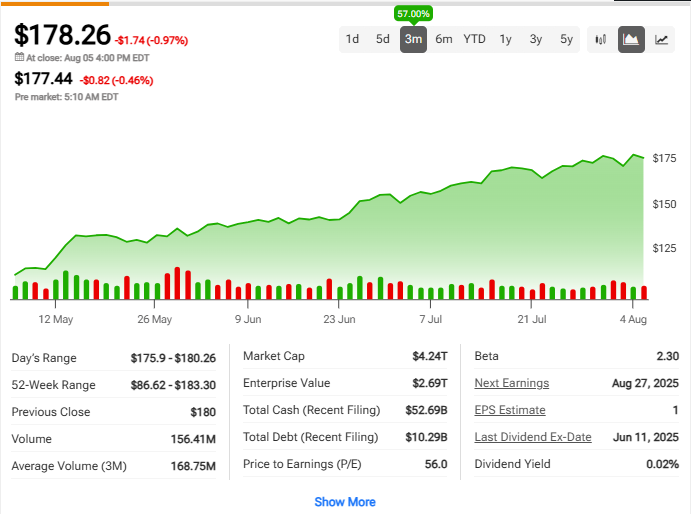
The meteoric rise of Nvidia in the global financial markets is not just a story of technological dominance; it is one of the most significant wealth-creation events in corporate history. As the company’s valuation surged past the $3 trillion mark, a new demographic emerged within the Silicon Valley ecosystem: the “Nvidia Millionaire.” While the company’s hardware powers the AI revolution, its stock performance has fundamentally altered the financial trajectory of its workforce.
To understand what percentage of Nvidia employees are millionaires, one must look beyond basic salaries and delve into the mechanics of equity compensation, market timing, and the compounding power of the world’s most sought-after stock.

The Mechanics of Equity: How Nvidia Builds Individual Wealth
The primary driver of wealth at Nvidia is not the annual base salary—though those are competitive—but rather the Restricted Stock Units (RSUs) and the Employee Stock Purchase Plan (ESPP). In the “Money” niche of corporate finance, equity is the Great Equalizer, turning high-earning professionals into high-net-worth individuals.
Restricted Stock Units (RSUs) as Wealth Accelerators
For the average senior engineer or manager at Nvidia, a significant portion of their total compensation package is delivered in RSUs. These are grants of shares that vest over a period of time, typically four years. When Nvidia’s stock price was trading at a fraction of its current value five years ago, these grants were sized based on the dollar value at the time.
For instance, an employee granted $100,000 worth of stock in early 2019 would have seen that specific grant appreciate by over 3,000%. What was once a modest “bonus” has, for many, transformed into a multi-million dollar portfolio. This exponential growth is why the percentage of millionaires at Nvidia is significantly higher than at legacy tech firms or traditional financial institutions.
The Power of the Employee Stock Purchase Plan (ESPP)
Nvidia’s ESPP is often cited by financial analysts as one of the most generous in the industry. It allows employees to contribute a portion of their post-tax salary to buy company stock at a discount—usually 15% off the market price. More importantly, many of these plans include a “look-back” provision, which allows employees to purchase the stock at a discount of the price at the beginning of the offering period or the end, whichever is lower.
During Nvidia’s vertical climb, this meant employees were buying shares at prices months or years old, instantly locking in massive gains. For disciplined savers who maximized their ESPP contributions over the last half-decade, the ESPP alone has been enough to push their net worth into the seven-figure range.
Estimating the Percentage: Who Reached the Millionaire Milestone?
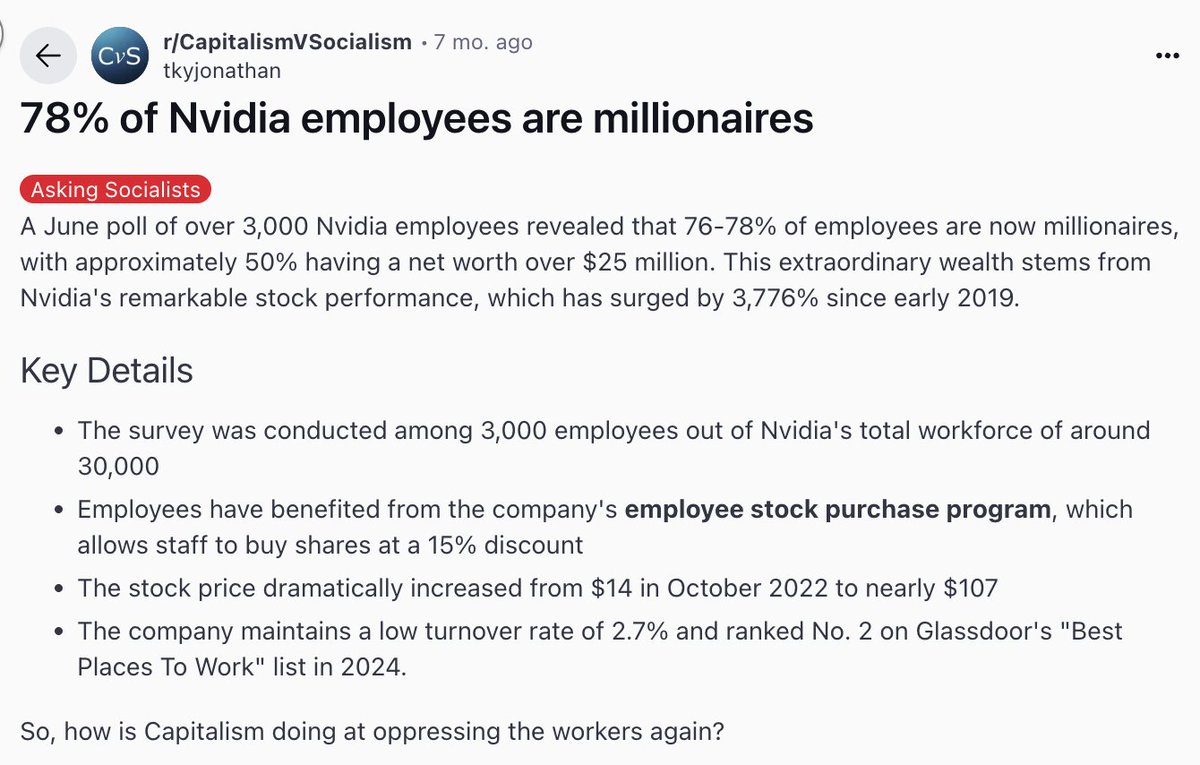
While Nvidia does not publicly release the net worth of its staff, internal surveys and financial modeling based on hiring cycles provide a clear picture. Estimates from platforms like Blind and financial news outlets suggest that a staggering percentage of the workforce has reached millionaire status, particularly those with a tenure of three years or more.
Tenure and the “Golden Hires” of 2019-2022
The most significant factor in determining an Nvidia employee’s wealth is their start date. Those hired before the 2023 AI explosion are almost certainly millionaires if they held onto their shares. Analysis of Nvidia’s headcount growth shows that the company had roughly 13,000 employees in 2019. By 2024, that number grew to nearly 30,000.
For the “original” 13,000, the probability of being a millionaire is estimated to be near 80% to 90%, provided they followed basic “buy and hold” strategies. For the newer cohorts, the “millionaire” status is more dependent on their job level and the size of their initial signing grants. Even so, the sheer velocity of the stock’s growth has shortened the “time to millionaire” status from the traditional 10–15 years down to just 24–36 months for many mid-level roles.
Comparative Data and Internal Sentiment
Recent internal polls and anecdotal evidence from wealth managers in Santa Clara suggest that approximately 40% to 50% of Nvidia’s total global workforce may now hold a net worth of $1 million or more. This is an anomaly in the business world. In most Fortune 500 companies, millionaire status is reserved for the top 5–10% of management. At Nvidia, the “wealth effect” has trickled down to individual contributors, including hardware engineers, systems architects, and even some support staff who have been with the company through multiple stock splits.
The Financial Implications of Concentrated Stock Wealth
Being a “paper millionaire” is one thing; managing that wealth is another. The sudden influx of capital for Nvidia employees has created unique challenges in personal finance and portfolio management.
The Risk of Over-Exposure and the “Golden Handcuffs”
Many Nvidia employees face a classic “Money” niche dilemma: asset concentration. When 90% of your net worth is tied to a single ticker symbol, you are highly vulnerable to market volatility. Financial advisors often warn against having more than 10% of one’s net worth in a single stock, yet for Nvidia employees, the stock’s growth has outpaced their ability to diversify.
This creates “golden handcuffs,” where employees are reluctant to leave because they have millions of dollars in unvested RSUs waiting for them. From a business finance perspective, this is excellent for retention, but from a personal finance perspective, it requires sophisticated hedging strategies, such as using protective puts or collars to lock in gains without triggering immediate massive tax liabilities.
Tax Planning and Capital Gains Strategies
For the Nvidia millionaire, the primary financial hurdle is the Internal Revenue Service. Moving from a standard income bracket to a high-net-worth individual requires a shift from income tax focus to capital gains tax focus. Long-term capital gains (assets held for over a year) are taxed at lower rates than ordinary income.
Sophisticated employees are increasingly utilizing strategies like Donor-Advised Funds (DAFs) to offset gains with charitable contributions or relocating to states with no income tax, such as Texas or Florida, before liquidating large positions. The “Nvidia Millionaire” is not just a person with a high bank balance; they are becoming a new class of sophisticated retail investors who must master the complexities of the tax code to preserve their newfound wealth.
Corporate Culture and the Future of Wealth Retention
The final consideration in the “Nvidia Millionaire” story is how this wealth affects the company’s internal dynamics and its future financial health. When half your workforce no longer needs to work for money, the motivation structure of the company changes.
“Rest and Vest” vs. Continued Innovation
There is a persistent narrative in Silicon Valley regarding “resting and vesting”—where wealthy employees do the bare minimum to collect their stock grants. Nvidia’s leadership, led by Jensen Huang, has countered this by maintaining a high-pressure, “flat” organizational structure. However, from a business finance standpoint, the company must eventually address the “wealth gap” between veteran millionaires and new hires. New employees joining at a $3 trillion valuation do not have the same “upside” potential as those who joined at $300 billion, which may lead to challenges in attracting top-tier talent who are looking for the next big wealth-creation event.
The Economic Ripple Effect in Silicon Valley
The concentration of wealth at Nvidia is also impacting the broader economy, particularly in the San Francisco Bay Area real estate market. We are seeing a “Nvidia Premium” in local housing, where cash offers and waived contingencies are often fueled by liquidated RSUs. This micro-economic shift demonstrates how corporate success translates into real-world purchasing power, further solidifying the link between company performance and personal financial status.
Conclusion: A New Standard for Corporate Wealth
While a definitive, audited percentage is impossible to obtain, the evidence suggests that between 40% and 50% of Nvidia’s workforce has achieved millionaire status—a figure that is virtually unprecedented for a company of its size. This phenomenon serves as a masterclass in the power of equity-based compensation and the benefits of being at the epicenter of a secular technological shift.
For the individual investor or the corporate professional, the Nvidia story is a reminder that in the modern economy, the path to significant wealth is rarely paved with a salary alone. It is paved with ownership. As Nvidia continues to lead the AI charge, its employees remain the primary beneficiaries of a financial surge that has redefined what it means to be a “company man” in the 21st century. Wealth, in this context, is not just about the numbers in a brokerage account; it is about the strategic management of an unprecedented financial windfall.
aViewFromTheCave is a participant in the Amazon Services LLC Associates Program, an affiliate advertising program designed to provide a means for sites to earn advertising fees by advertising and linking to Amazon.com. Amazon, the Amazon logo, AmazonSupply, and the AmazonSupply logo are trademarks of Amazon.com, Inc. or its affiliates. As an Amazon Associate we earn affiliate commissions from qualifying purchases.