
In a democratic society, the right of citizens to address their government, voice concerns, and demand change is a cornerstone of participatory governance. This fundamental principle, enshrined in many constitutions worldwide, is often exercised through the act of petitioning. But what exactly does petitioning the government mean in our increasingly interconnected, digital world? Far from being an antiquated practice confined to parchment and quill, modern petitioning has evolved into a dynamic, tech-driven, and strategically branded form of civic engagement, deeply intertwined with financial considerations and the intricate mechanics of public influence.
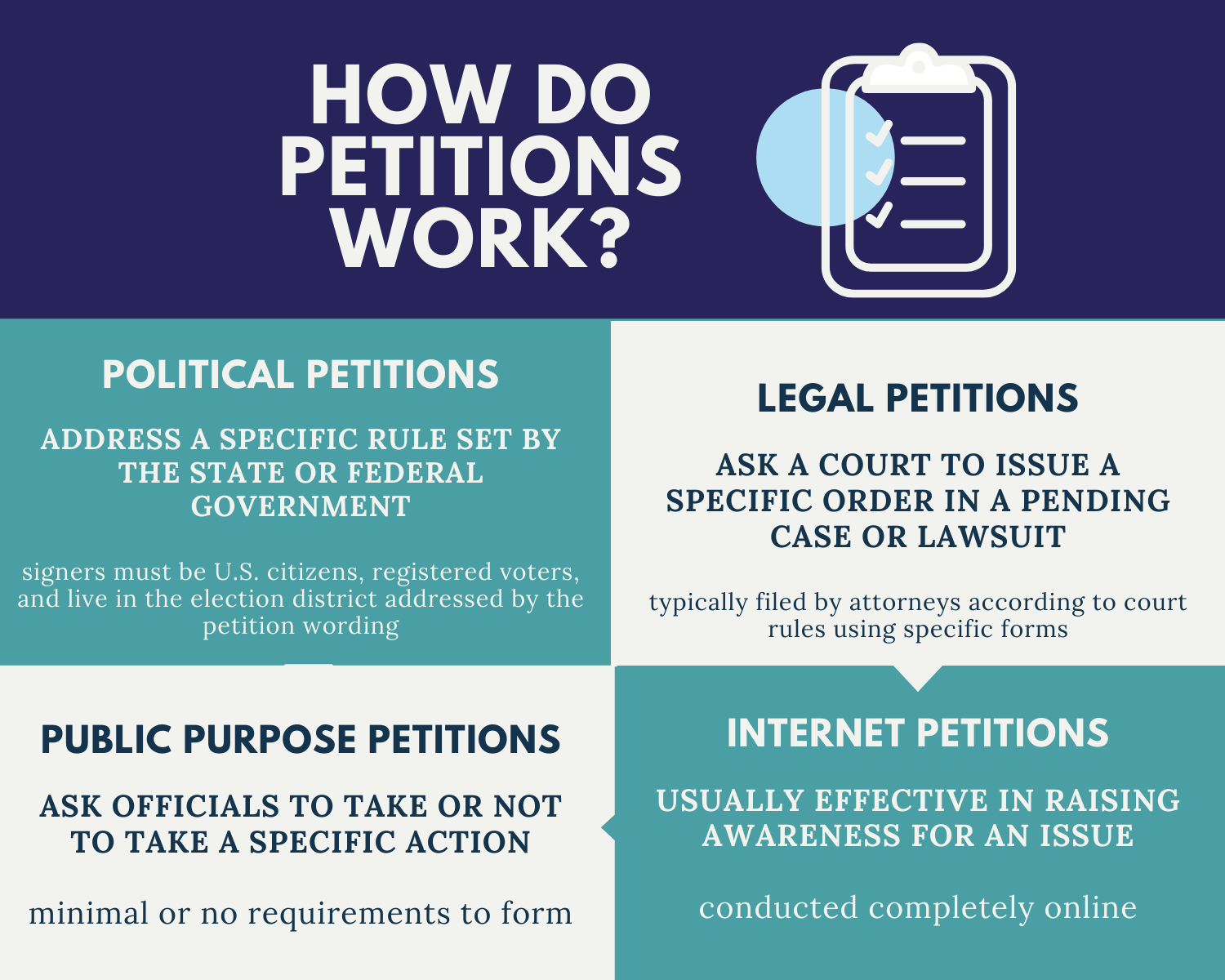
This article delves into the essence of petitioning the government, exploring its historical roots, its contemporary manifestations in the digital realm, and the crucial roles that technology, strategic branding, and financial acumen play in amplifying voices and driving policy change.
The Enduring Right to Be Heard: An Introduction to Petitioning
At its core, petitioning the government means formally submitting a request, appeal, or grievance to an official body or public authority. This act is a direct mechanism for citizens to communicate with their elected representatives and public servants, advocating for specific actions, policies, or reforms, or to express opposition to existing ones. It is a powerful democratic tool that empowers individuals and groups to participate in the legislative process and hold their government accountable.
Historically, the right to petition has been a bedrock of civil liberties. In England, the Magna Carta (1215) and the Bill of Rights (1689) laid early groundwork for subjects to seek redress from the monarch. The First Amendment to the United States Constitution explicitly guarantees “the right of the people peaceably to assemble, and to petition the Government for a redress of grievances.” Similar rights are found in countless modern democratic constitutions. This enduring right ensures that power remains, to some extent, with the people, allowing for a bottom-up influence on policy-making. Whether seeking environmental protection, advocating for social justice, or challenging economic policies, the act of petitioning provides a legitimate avenue for expressing collective will and demanding action.
In its traditional form, a petition might have been a physical document, painstakingly signed by supporters, and hand-delivered to a legislator or government office. While these methods still exist, the landscape of civic engagement has been dramatically reshaped by technological advancements, transforming the accessibility, reach, and impact of petitions in ways unimaginable just a few decades ago.
From Parchment to Pixels: Technology’s Transformation of Petitions
The digital revolution has fundamentally altered how citizens engage with their governments, and petitioning is perhaps one of the most visible manifestations of this shift. Where once geographical proximity and organizational resources limited participation, technology has now democratized the process, allowing anyone with an internet connection to launch or sign a petition, instantly connecting individuals to a global network of like-minded advocates.
Tech Integration: The Rise of Online Platforms
The most significant technological shift has been the proliferation of online petition platforms. Websites like Change.org, Avaaz, and government-specific portals (such as “We the People” on the former White House website or various parliamentary e-petition systems) have become central to modern advocacy. These platforms simplify the process of creating a petition, setting a signature goal, and sharing it with a vast audience. They provide user-friendly interfaces, often with templates and guidance, making it easier for everyday citizens to articulate their cause and mobilize support.
Digital Accessibility & Reach:
Technology has dramatically increased the accessibility and reach of petitions. No longer confined by the physical limitations of collecting signatures door-to-door, an online petition can gather thousands, even millions, of signatures from across a city, country, or the world in a matter of hours or days. This global reach allows for solidarity movements and international pressure on local issues, transcending traditional boundaries. Furthermore, for individuals with mobility challenges or those in remote areas, online platforms remove significant barriers to participation, fostering more inclusive civic engagement.
Social Media & Virality:
Social media platforms are the engine that drives modern digital petitions. Facebook, Twitter, Instagram, TikTok, and others serve as powerful amplifiers, enabling petitions to go “viral.” A compelling petition shared by a few individuals can rapidly spread across networks, reaching millions. This virality is not just about numbers; it’s about generating public awareness, media attention, and creating a sense of collective momentum that decision-makers find hard to ignore. Hashtags, shared posts, and live streams allow for real-time engagement and coordinated campaigns, transforming petitions into broader social movements.
Data & Analytics for Advocacy:
Beyond simply collecting signatures, technology offers sophisticated tools for understanding and optimizing petition campaigns. Analytics dashboards provide insights into where signatures are coming from, which sharing methods are most effective, and how quickly a petition is gaining traction. This data can inform strategy, helping campaigners refine their messaging, target specific demographics, and identify key influencers. While advanced AI tools might not be commonly used by grassroots petitioners for drafting, their potential for analyzing public sentiment, predicting policy outcomes, or identifying optimal advocacy strategies is growing in larger organizations.
Digital Security Concerns:
However, this digital shift isn’t without its challenges. Digital security is paramount. Ensuring the authenticity of signatures, protecting petitioner data from breaches, and combating bots or fake accounts are critical concerns. Platforms employ various verification methods, but the integrity of online petitions relies heavily on robust cybersecurity measures and transparent processes to maintain public trust and the legitimacy of the collected voices. The proliferation of deepfakes and misinformation also poses a threat, requiring careful monitoring and verification of content related to petitions.
Crafting a Compelling Cause: Branding Your Petition for Impact
In the crowded digital landscape, merely having a good cause isn’t enough. To stand out, garner support, and ultimately influence policy, a petition needs to be effectively “branded.” Just like a product or a political candidate, a petition, or the movement behind it, needs a clear identity, a compelling narrative, and a strategic approach to communication. This is where principles of branding, often associated with corporate marketing, become crucial for civic engagement.
The Petition as a Brand:
Think of your petition as a brand. What is its core message? What values does it represent? What emotions does it evoke? A well-branded petition has a distinct voice, a memorable slogan, and often visual elements (like a logo or consistent color scheme) that make it easily recognizable and resonate with potential supporters. It’s about crafting a “unique selling proposition” for your cause, clearly articulating why your petition matters, what problem it solves, and what impact it seeks to achieve.
Personal and Cause Branding: Building Credibility and Trust:
For individuals or smaller groups initiating petitions, personal branding becomes vital. The credibility and perceived trustworthiness of the petitioner or the organizing entity can significantly influence public response. This involves transparent communication, demonstrating expertise or passion for the cause, and building a consistent online presence that reinforces their commitment. Similarly, for larger organizations, their existing corporate identity and brand reputation play a huge role. A well-established NGO with a history of successful advocacy can leverage its brand equity to immediately gain trust and mobilize its existing supporter base.

Strategic Messaging & Marketing for Mobilization:
Effective petitioning requires strategic messaging, which is a core component of marketing. How is the message framed to appeal to diverse audiences? Is it emotionally resonant? Does it offer a clear call to action? Marketing techniques, such as storytelling, testimonials, and targeted advertising (even organic sharing), are used to disseminate the petition’s message and motivate people to sign and share. This involves identifying key demographics, understanding their motivations, and tailoring communication to maximize engagement. A petition needs a concise, impactful summary, a detailed explanation of the issue, and a clear articulation of the desired outcome to persuade potential signatories.
Reputation Management and Sustaining Momentum:
Once a petition gains traction, reputation management becomes essential. This involves actively engaging with feedback, responding to criticism constructively, and maintaining the integrity of the campaign. Misinformation or attacks on the petition’s legitimacy can quickly derail momentum. A strong brand helps weather such challenges. Moreover, sustaining momentum often requires continuous marketing efforts – regular updates, celebrating milestones, sharing success stories, and keeping the cause alive in public consciousness even after initial virality fades. This might involve coordinated social media campaigns, media outreach, and consistent engagement with signatories.
Case Studies in Influence:
Consider successful campaigns like those advocating for environmental protection or human rights. Their success often stems from not just the validity of their cause but also from how effectively they branded their movements. They developed compelling narratives, iconic imagery, and consistent messaging that resonated deeply with the public, transforming individual concerns into widespread collective action. Conversely, petitions that fail often struggle due to muddled messaging, a lack of clear identity, or an inability to effectively market their cause to a broader audience.
The Economics of Advocacy: Financial Considerations in Petitioning
While petitioning is fundamentally about civic engagement and social change, the practicalities of launching, promoting, and sustaining a petition campaign often involve significant financial considerations. From the direct costs of technology to the broader economic implications of the policies being sought, money plays an undeniable role in the world of advocacy.
Funding Your Cause: Crowdfunding, Grants, and Budgets:
Even in the digital age, successful advocacy campaigns rarely operate without financial resources. While signing an online petition is free, the infrastructure to support it, the efforts to promote it, and the follow-up actions can incur costs. These might include:
- Platform Fees: While many online petition platforms offer free basic services, premium features or dedicated resources might come with a cost.
- Advertising & Promotion: To reach a wider audience beyond organic shares, campaigns might invest in social media advertising, digital marketing, or traditional media outreach.
- Organizational Costs: For sustained campaigns, there are costs associated with staff, legal advice, research, event organizing, and communication tools.
- Lobbying Efforts: If a petition progresses to direct lobbying of legislators, this can involve significant expenses for professional lobbyists, travel, and material preparation.
Funding for these activities often comes from various sources: - Crowdfunding: Platforms like GoFundMe or Kickstarter allow individuals to directly solicit small donations from a large number of supporters, embodying the “power of the crowd” financially.
- Grants: Many non-profit organizations and advocacy groups rely on grants from foundations, philanthropic organizations, or even government programs focused on civic engagement.
- Membership Fees & Donations: Established organizations often fund their advocacy through membership fees and direct donations from their supporter base.
- Online Income / Side Hustles (Indirectly): While petitions themselves don’t generate income directly, organizations built around advocacy might leverage their expertise for consulting, create educational content, or even sell merchandise related to their cause to sustain their operations.
The Financial Stakes: Economic Impact of Policy Changes:
Beyond the cost of running a campaign, the very substance of many petitions often revolves around money. Citizens might petition against new taxes, for increased public spending on healthcare or education, against corporate subsidies, or for regulations that impact specific industries.
- Personal Finance: Petitions related to taxation, housing affordability, student debt, or social security directly impact the personal finance of millions. Citizens petition to protect or improve their economic well-being.
- Business Finance: Businesses frequently petition the government concerning regulations that affect their operations, trade policies, labor laws, or environmental standards. A petition might advocate for a tax break for a certain industry or against a policy that would increase operational costs, directly impacting their bottom line and competitiveness.
- National Economy: Large-scale petitions can address macroeconomic issues such as national debt, budget deficits, or investment in critical infrastructure. The success or failure of such petitions can have profound effects on national economic indicators and the financial health of the country.
Opportunity Costs & Returns:
In evaluating a petition, whether from the perspective of the petitioner or the government, there’s an inherent cost-benefit analysis. What are the potential financial gains or losses if the petition is successful? What are the opportunity costs of pursuing this specific petition versus another? For example, advocating for a specific environmental regulation might have significant financial costs for industries but yield long-term economic benefits through improved public health and reduced climate change impacts. Understanding these financial implications is critical for building a compelling case and for governments in evaluating the feasibility and desirability of the proposed changes.
Transparency in Funding:
Ethical considerations around money in advocacy are also crucial. Transparency in funding sources helps maintain the integrity of a petition and its advocates. Public knowledge of who is funding a campaign can either bolster its credibility or raise questions about potential conflicts of interest, influencing public perception and the government’s receptiveness.
Navigating the Digital Landscape: Best Practices for Effective Petitioning
To be truly impactful in today’s environment, petitioning requires a thoughtful blend of strategic planning, technological savvy, strong branding, and financial awareness. It’s not just about collecting signatures; it’s about building a movement and achieving tangible outcomes.
Strategic Planning: Defining Goals and Targets:
Before launching, clearly define what success looks like. What specific policy change or action are you seeking? Who are the key decision-makers who can enact this change? Is it a local council, a federal minister, a corporate CEO? Understanding your audience and your objective is paramount. A petition should have clear, achievable goals and a well-researched argument to support its claims.
Leveraging Tech Tools Strategically:
Choose the right online platform for your petition based on your target audience and the platform’s features. Utilize social media not just for sharing but for engaging with potential supporters, answering questions, and building a community around your cause. Employ data analytics (even basic ones available on most platforms) to track performance and adapt your strategy. Explore tools for creating compelling visuals (infographics, short videos) that can significantly boost engagement in a visually-driven digital world.
Building a Strong Brand: Crafting Compelling Narratives:
Invest time in crafting a clear, concise, and emotionally resonant message. Develop a simple, memorable name or slogan for your petition. Use storytelling to illustrate the human impact of the issue you’re addressing. Consistent messaging across all platforms, from the petition text itself to social media posts and emails, will strengthen your brand and make your cause more memorable. Authenticity and transparency are key components of building a trusted brand for your petition.
Financial Prudence: Budgeting and Fundraising:
Even for grassroots efforts, consider potential costs. If advertising or expert advice is needed, plan for how these will be funded. If crowdfunding, clearly articulate how the raised funds will be used. Be transparent with supporters about financial needs and expenditures to maintain trust. Understanding the financial implications of your proposed policy change is also crucial for presenting a well-rounded and persuasive argument to decision-makers.
Measuring Success Beyond Signatures:
While signature count is important, true success lies in the impact. Track media mentions, public discussions, and any direct responses from government officials. The ultimate measure is whether the petition contributes to actual policy change, increased public awareness, or a shift in the public discourse. Documenting these impacts can serve as powerful case studies for future advocacy efforts.

Conclusion: The Future of Participatory Governance
Petitioning the government remains an indispensable right and a vital mechanism for citizen participation in democratic processes. In the 21st century, this ancient right has been profoundly transformed by technology, evolving into a sophisticated act of digital civic engagement. Modern petitions are no longer mere requests; they are often strategically branded campaigns, meticulously crafted and widely disseminated through digital channels, with significant financial considerations underpinning their launch and execution.
The ability to petition in this new digital landscape empowers a more diverse and globally connected citizenry, giving voice to marginalized communities and amplifying calls for justice and change. By understanding and effectively integrating the power of technology, the art of branding, and the realities of financial management, citizens and advocacy groups can harness the full potential of petitioning to shape public policy, hold governments accountable, and forge a more responsive and participatory future for governance. The digital age has not diminished the right to petition; it has reinvigorated it, making it more accessible, more visible, and potentially, more impactful than ever before.
aViewFromTheCave is a participant in the Amazon Services LLC Associates Program, an affiliate advertising program designed to provide a means for sites to earn advertising fees by advertising and linking to Amazon.com. Amazon, the Amazon logo, AmazonSupply, and the AmazonSupply logo are trademarks of Amazon.com, Inc. or its affiliates. As an Amazon Associate we earn affiliate commissions from qualifying purchases.