
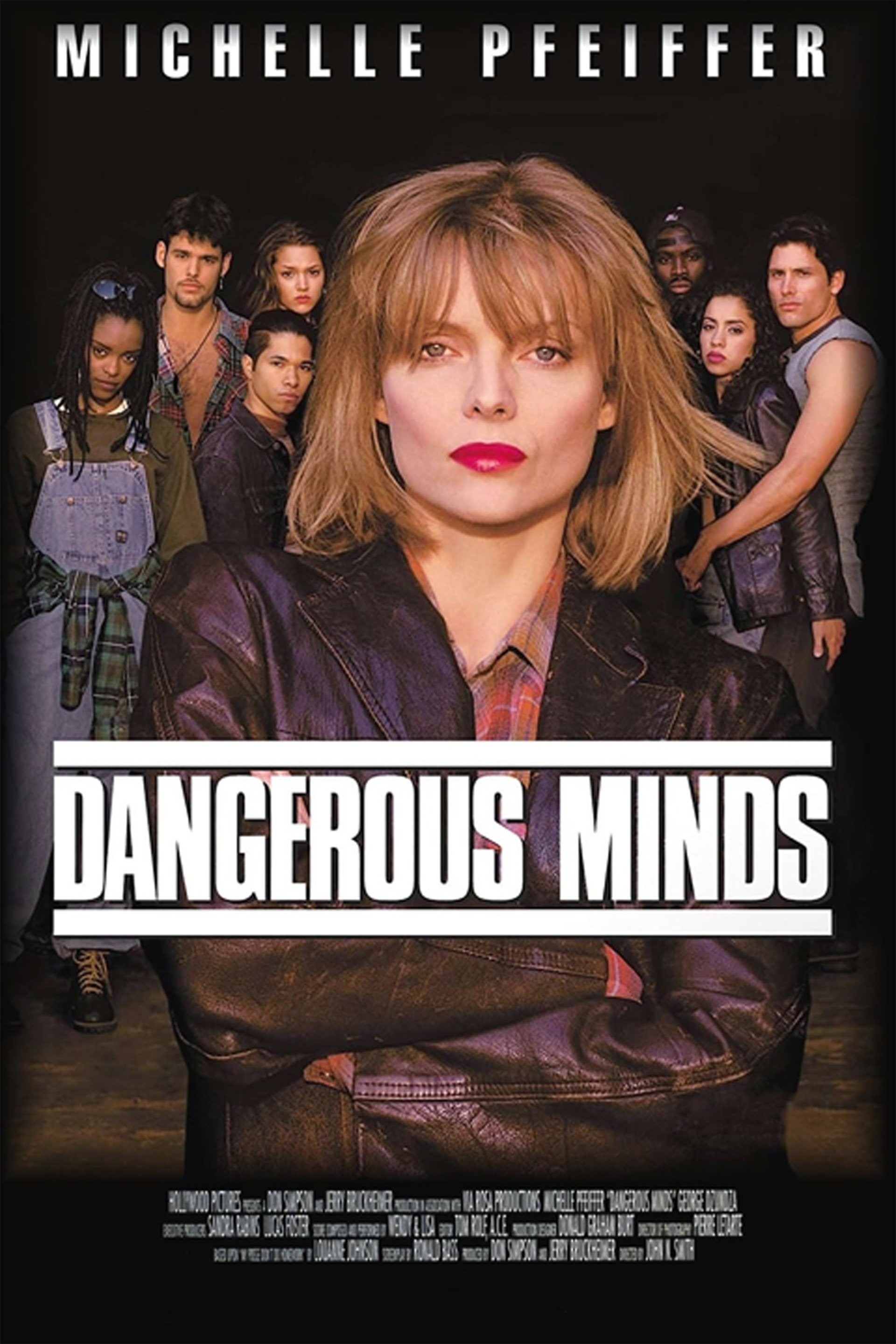
In the annals of 1990s pop culture, few intersections of cinema and music are as potent as the relationship between the film Dangerous Minds and its lead single, “Gangsta’s Paradise.” While the casual viewer might simply ask, “What movie is ‘Gangsta’s Paradise’ from?” the brand strategist sees a masterclass in cross-promotional synergy, sonic identity, and the creation of a global cultural icon.
Released in 1995, Dangerous Minds—starring Michelle Pfeiffer as an ex-Marine turned inner-city teacher—became a box-office success, grossing over $179 million. However, its commercial longevity and brand recognition are arguably more indebted to Coolio’s haunting anthem than to the screenplay itself. This article explores the brand strategy behind the song, how it redefined the “movie tie-in” model, and the lessons modern marketers can learn from this legendary collaboration.
The Intersection of Music and Cinematic Branding
In the mid-90s, the “Soundtrack Era” was at its peak. Studios realized that a hit song could act as a 24-hour advertisement for a film. For Dangerous Minds, the branding challenge was significant: how do you market a drama about educational reform to a youth demographic? The answer lay in the strategic deployment of “Gangsta’s Paradise.”
How “Gangsta’s Paradise” Defined the Dangerous Minds Identity
The brand of Dangerous Minds was built on the contrast between authority and the “streets.” By selecting a track that sampled Stevie Wonder’s “Pastime Paradise” and adding Coolio’s gritty yet poetic delivery, the film’s marketing team created a “Sonic Logo.” The song provided the film with an immediate sense of urgency, gravity, and authenticity that traditional trailers lacked. When audiences heard those opening minor chords, they didn’t just hear music; they perceived the entire brand ethos of the film: struggle, resilience, and hope.
The Power of the Tie-In Music Video
Perhaps the most brilliant branding move was the music video, directed by Antoine Fuqua. By featuring Michelle Pfeiffer sitting face-to-face with Coolio, the video bridged the gap between Hollywood’s “A-List” brand and the “Street” brand of West Coast hip-hop. This visual association was a strategic masterstroke. It lent Pfeiffer’s character street credibility while elevating Coolio into the mainstream cinematic consciousness. This wasn’t just a music video; it was a dual-branded commercial that played on heavy rotation on MTV, effectively functioning as a high-frequency ad campaign for the movie.
Building a Global Personal Brand: Coolio’s Strategic Pivot
For an artist, a movie tie-in is more than a paycheck; it is a brand expansion opportunity. Before 1995, Coolio was known for “Fantastic Voyage,” a lighthearted, fun-loving track. “Gangsta’s Paradise” represented a total brand pivot that would define his legacy.
From Underground to Universal Recognition
Coolio’s personal brand underwent a radical transformation through this association. By aligning himself with a major Hollywood production, he shifted from a regional West Coast rapper to a global household name. The song’s success showcased the importance of “Brand Versatility.” It proved that an artist could maintain their core identity while appealing to a global, diverse audience. Coolio’s image—his iconic braids and intense stare—became inseparable from the song’s brand, creating a visual identity that remains recognizable decades later.
The “Michelle Pfeiffer Effect” on Celebrity Association
In branding, association is everything. By appearing in the video and being the “face” of the film the song represented, Pfeiffer provided an endorsement that transcended traditional marketing. This is an early example of “Influencer Marketing” at its highest level. The association suggested that the music was sophisticated enough for an Oscar-nominated actress, which in turn invited a demographic of listeners who might otherwise have ignored the hip-hop genre. This cross-pollination of audiences is a tactic now used by luxury brands and tech giants alike to expand their market reach.
Sonic Branding: Why This Track Still Resonates Decades Later
Sonic branding is the use of sound to reinforce a brand’s identity. “Gangsta’s Paradise” is one of the most successful examples of this in the history of the entertainment industry. Its longevity isn’t accidental; it’s the result of a perfectly executed aesthetic.
Consistency in Brand Messaging (Lyrics vs. Visuals)
The brand of “Gangsta’s Paradise” is one of somber reflection. Unlike many of its contemporaries in the “Gangsta Rap” era, the song focused on the psychological and spiritual toll of street life. This “Melancholy Realism” brand matched the film’s narrative of a teacher trying to reach students trapped in cycles of poverty and violence. Because the brand message of the song and the brand message of the movie were perfectly aligned, the marketing felt authentic rather than forced.
The “Sample” Strategy: Leveraging Stevie Wonder’s Brand Equity
From a brand strategy perspective, the decision to sample Stevie Wonder was a move to leverage “Legacy Brand Equity.” Stevie Wonder’s music carries a brand of soul, depth, and universal respect. By building “Gangsta’s Paradise” on the foundation of “Pastime Paradise,” the producers effectively borrowed Wonder’s prestige. This gave the song an “instant classic” feel. It allowed the track to resonate with older generations who recognized the sample, while sounding fresh and revolutionary to younger listeners.
Lessons in Marketing and Viral Distribution (Pre-Internet)
While “Gangsta’s Paradise” predates social media, its rise to the top of the charts followed many of the principles we now associate with viral marketing. It was a “top-down” and “bottom-up” success story.
Cross-Promotional Synergy between Hollywood and the Music Industry
The partnership between Disney (the distributor of the film through Hollywood Pictures) and MCA Records was a blueprint for corporate synergy. They synchronized the release of the single with the film’s premiere, ensuring that the song dominated the airwaves just as the film hit theaters. This created a “Saturation Effect.” You couldn’t turn on the radio without hearing the song, and you couldn’t go to the movies without seeing the poster. This 360-degree marketing approach ensured that the “Gangsta’s Paradise” brand was inescapable.
Navigating Cultural Relevance to Maintain Brand Longevity
A brand survives by remaining relevant. “Gangsta’s Paradise” has been covered, parodied (most famously by “Weird Al” Yankovic in “Amish Paradise”), and reused in numerous trailers (such as the 2019 Sonic the Hedgehog trailer). Each of these instances serves as a “Brand Refresh.” The song has moved beyond its original context in Dangerous Minds to become a standalone cultural pillar. This demonstrates the power of “Brand Elasticity”—the ability of a product to adapt to new contexts while maintaining its core emotional resonance.
The Modern Brand Evolution: “Gangsta’s Paradise” in the Digital Age
In the current landscape of streaming and social media, the “Gangsta’s Paradise” brand continues to generate revenue and engagement. It serves as a case study for how intellectual property (IP) can be managed over a long-term horizon.
Content Licensing and Brand Revitalization
The estate of the song and the film’s rights holders have been strategic about licensing. By placing the song in key cultural moments—from video games to high-profile trailers—they ensure that the brand is introduced to Gen Z and Alpha. Every time the song is used, it drives a spike in searches for “what movie is Gangsta’s Paradise from,” leading a new generation back to Dangerous Minds. This creates a “Content Loop” where the music feeds the film and the film feeds the music, maintaining the financial value of the IP.

Conclusion: The Enduring Blueprint for Sound-Based Marketing
The legacy of “Gangsta’s Paradise” and Dangerous Minds is a testament to the power of integrated brand strategy. By aligning the film’s narrative with a powerful sonic identity and a charismatic personal brand, the creators built more than just a hit movie; they built a cultural landmark.
For modern brands, the lesson is clear: identity is not just about what you see, but what you hear and how those elements interact. When a brand’s visual, narrative, and auditory components are perfectly synchronized, it creates an emotional connection that can survive for decades. “Gangsta’s Paradise” isn’t just a song from a movie; it is a masterclass in how to build a brand that defines an era.
aViewFromTheCave is a participant in the Amazon Services LLC Associates Program, an affiliate advertising program designed to provide a means for sites to earn advertising fees by advertising and linking to Amazon.com. Amazon, the Amazon logo, AmazonSupply, and the AmazonSupply logo are trademarks of Amazon.com, Inc. or its affiliates. As an Amazon Associate we earn affiliate commissions from qualifying purchases.