
In the modern landscape of celebrity commerce, few names carry as much weight, controversy, and complexity as Kanye West, now legally known as Ye. For decades, the “Brand of Ye” has been synonymous with disruption, innovation, and an uncompromising creative vision. However, in recent years, the narrative surrounding this global entity has shifted from his musical and fashion achievements to a deeper, more polarizing conversation regarding his mental health. Specifically, his public journey with Bipolar Disorder has become an inseparable component of his brand identity.
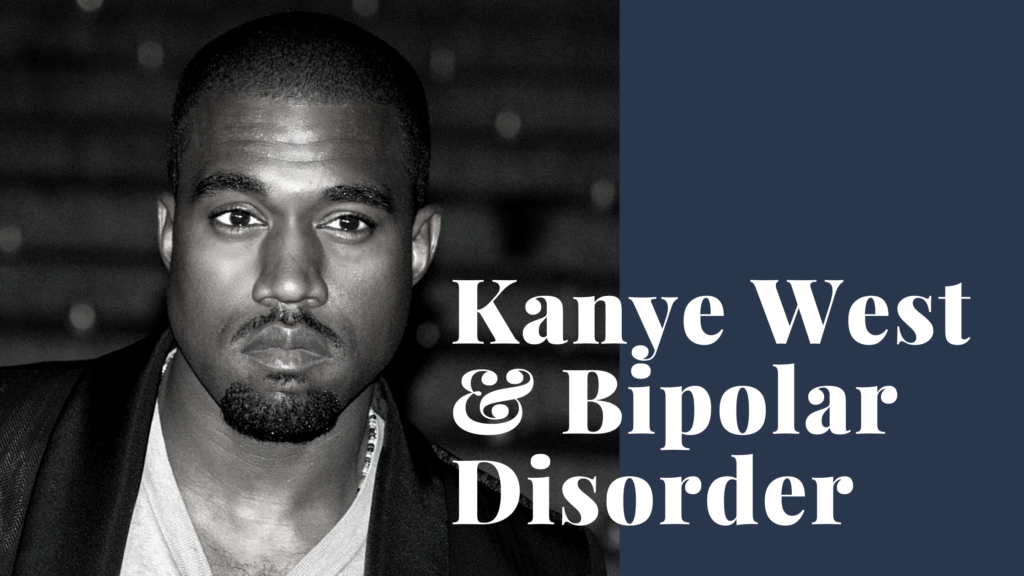
In the world of brand strategy and corporate identity, the case of Kanye West serves as a critical study in brand volatility. It forces us to ask: How does a personal brand navigate the delicate balance between authentic vulnerability and reputational liability? When a brand’s primary architect is also its greatest risk, the traditional rules of marketing and crisis management are rewritten. This article explores the evolution of the Ye brand through the lens of mental health, corporate decoupling, and the future of high-volatility personal branding.
The Anatomy of a High-Volatility Personal Brand
A personal brand is typically built on consistency, reliability, and a specific “promise” to the consumer. For most of his career, Kanye West’s brand promise was “The Genius”—the disruptor who would redefine hip-hop, high fashion, and industrial design. However, as his mental health struggles became public, the brand shifted into a high-volatility state.
The “Genius” Archetype and Public Perception
Early in his career, West’s erratic behavior was often rebranded as “eccentricity” or “artistic temperament.” In branding terms, this created a mythos around his creative process. His diagnosis of Bipolar Disorder, which he famously referred to as his “superpower” on the album Ye, initially integrated into his brand as a signifier of raw, unfiltered authenticity. To his core audience, his struggles made the brand more human, relatable, and deeply tied to the “tortured artist” archetype.
From Transparency to Volatility
The transition from a “transparent” brand to a “volatile” brand occurs when the actions of the individual no longer align with the values of the stakeholders or the expectations of the market. For the Ye brand, the public episodes associated with his mental health began to move beyond artistic expression and into the realm of social and political controversy. From a brand management perspective, this created a divergence between his loyal fan base and the institutional partners required to sustain a multi-billion-dollar enterprise.
Corporate Decoupling: The Financial Fallout of Brand Instability
The ultimate test of a personal brand’s strength is its ability to maintain institutional partnerships. For years, the Yeezy brand enjoyed unprecedented success through collaborations with Adidas and Gap. These partnerships were built on the premise that Kanye’s creative “chaos” was a manageable risk in exchange for massive cultural capital and revenue.
The Breaking Point with Adidas and Gap
The collapse of these partnerships in 2022 serves as a landmark case study in corporate identity protection. When a personal brand’s public statements—often exacerbated by periods of mental health crisis—conflict with a corporation’s Environmental, Social, and Governance (ESG) standards, “decoupling” becomes inevitable.
Adidas, which saw billions in revenue from the Yeezy line, eventually faced a crisis of conscience and capital. The brand had to weigh the immediate loss of a massive product line against the long-term erosion of its own corporate identity. This highlights a crucial lesson in modern branding: no matter how profitable a partnership is, the “moral clause” in a contract is the ultimate safeguard for the institutional brand.
The Mechanics of Brand Divorce
Corporate decoupling is a complex process. It involves more than just ending a contract; it requires a strategic distancing that preserves the reputation of the larger entity. In the wake of Ye’s public episodes, Adidas and Gap had to execute a “brand scrub,” removing associations while managing the fallout of excess inventory. This illustrates the inherent risk of hitching a corporate wagon to a singular, unpredictable personal brand.
The Ethics of Branding Mental Health: Aesthetic vs. Reality
One of the most complex aspects of the Ye brand is how mental health has been utilized as a marketing narrative. This brings up significant ethical questions regarding the intersection of personal health and commercial identity.
The Commercialization of Crisis
In the digital age, attention is the primary currency. There is a fine line between a brand being “open about mental health” and a brand “utilizing a crisis for engagement.” Throughout various album cycles, West’s public episodes often preceded product launches, leading many analysts to wonder if the “crisis” was being leveraged as a marketing tool. This creates a dangerous precedent where mental illness is commodified as part of a brand’s “edgy” aesthetic.
De-stigmatization vs. Reputation Erosion
On one hand, West’s openness about his Bipolar Disorder contributed to a broader global conversation about mental health, particularly in the Black community. On the other hand, when symptoms of an illness manifest as harmful rhetoric, the brand loses its ability to claim the “de-stigmatization” high ground. For brand strategists, this highlights the necessity of having a clear boundary between personal health journeys and the values the brand projects to the world.
Strategic Lessons for Personal Brands in Crisis
The trajectory of the Kanye West brand offers several vital lessons for influencers, entrepreneurs, and public figures who operate as the face of their own businesses.
The Necessity of Brand Infrastructure
A high-profile personal brand cannot survive on the whims of an individual alone. It requires a robust infrastructure—PR teams, legal advisors, and brand managers—who have the authority to intervene when the brand’s equity is at risk. One of the perceived failures of the Ye brand was the apparent lack of an internal “check and balance” system that could mitigate damage during periods of health crisis.
Building Resilient Brand Value
To survive volatility, a brand must build “resilient equity”—value that exists independently of the person’s daily actions. For example, the Yeezy brand attempted to do this through iconic silhouette designs (like the 350 and 700 sneakers) that gained a life of their own. However, because the brand was so deeply intertwined with West’s personal persona, it struggled to survive the “severing” from its creator. Resilience in personal branding often requires a strategic shift from “Me” to “We”—moving the focus from the individual to the product or the community.
Crisis Communication in the Real-Time Era
The Ye brand’s approach to crisis has often been “total transparency,” which frequently results in further damage. Modern brand strategy suggests that during a mental health-related crisis, the most effective path is often a strategic withdrawal to allow for recovery and repositioning. By remaining constantly “online” during episodes, the Ye brand prevented itself from ever achieving the “redemption arc” that is so common in celebrity branding.

The Future of the “Ye” Brand Identity
As we look toward the future, the Brand of Ye remains in a state of flux. It is no longer the titan of industry it once was, having lost the institutional support of the world’s largest retailers. Yet, it retains a powerful, albeit smaller, core audience that values its perceived independence.
The evolution of Kanye West from a beloved producer to a polarizing cultural figure is a cautionary tale of how mental health, if not managed with care and strategic foresight, can disrupt even the most powerful brand legacies. The legacy of the Yeezy brand will likely be studied for decades—not just for its impact on footwear, but as a primary example of the “volatility tax” that comes when a personal brand’s identity becomes inseparable from its creator’s public health struggles.
In conclusion, the “Brand of Ye” serves as a reminder that in the age of personal branding, the individual is the greatest asset and the greatest liability. For brands looking to emulate his success, the lesson is clear: innovation and disruption are valuable, but they must be anchored by a core of stability and a commitment to the values that the market, and humanity, demand.
aViewFromTheCave is a participant in the Amazon Services LLC Associates Program, an affiliate advertising program designed to provide a means for sites to earn advertising fees by advertising and linking to Amazon.com. Amazon, the Amazon logo, AmazonSupply, and the AmazonSupply logo are trademarks of Amazon.com, Inc. or its affiliates. As an Amazon Associate we earn affiliate commissions from qualifying purchases.