
In the world of personal finance and wealth management, vehicles are traditionally viewed as one of the fastest-depreciating assets an individual can own. From the moment a new car leaves the dealership lot, it typically loses 10% to 20% of its value. However, a select group of vehicles defies this economic gravity, transitioning from utilitarian machines into “classic” status.
To the casual observer, a classic vehicle is a matter of nostalgia or aesthetic charm. To the investor, a classic is a high-performing alternative asset. Identifying what makes a vehicle a classic requires a deep dive into market dynamics, scarcity, and the psychological drivers of value. Understanding these factors is essential for anyone looking to diversify their portfolio with tangible assets that offer more than just a ride—they offer a return on investment.
The Economic Definition of a Classic Vehicle
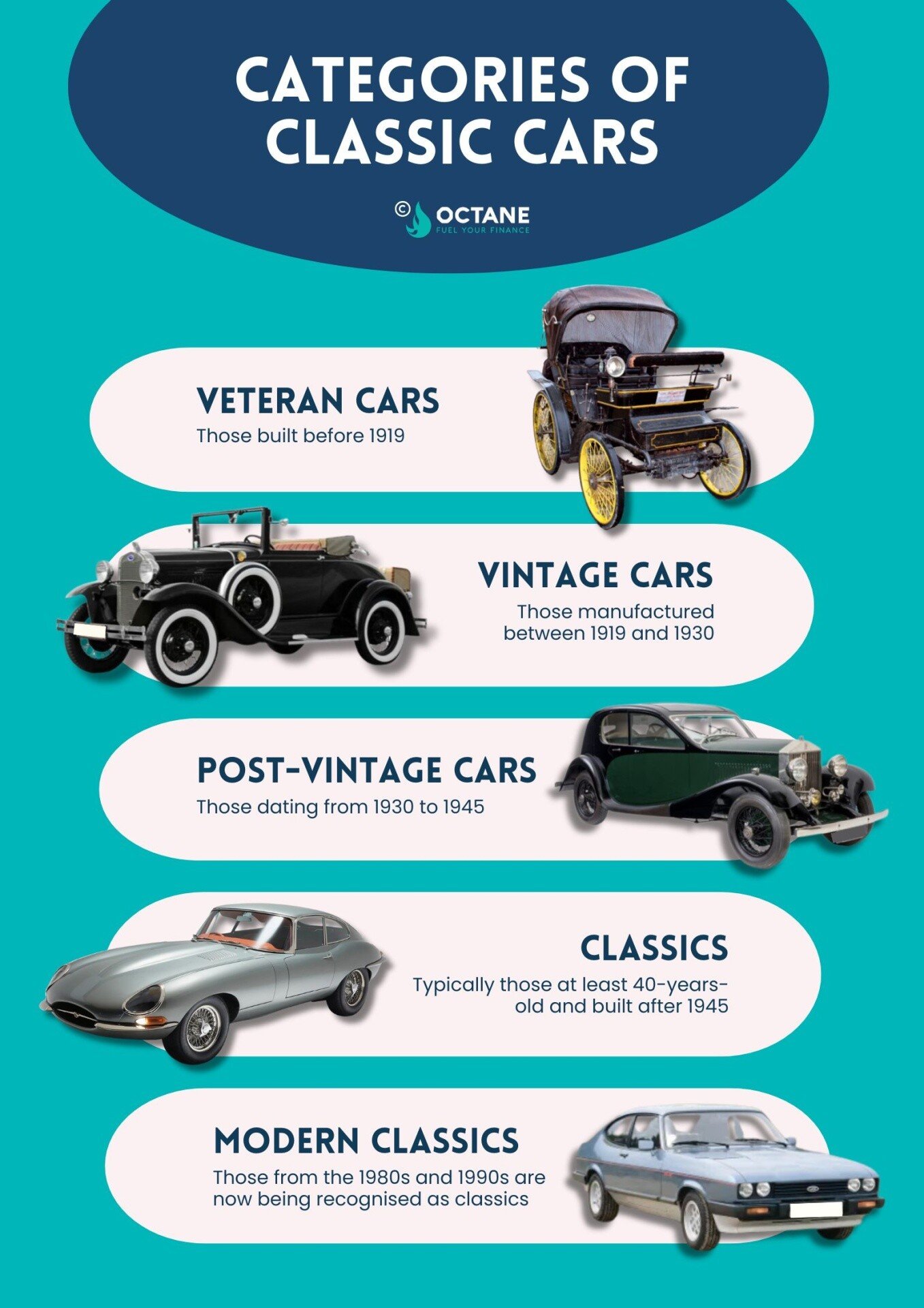
In financial terms, a vehicle becomes a classic when its value begins to trend upward on a sustained trajectory, surpassing its original inflation-adjusted MSRP. This transition marks the end of its lifecycle as a consumable good and its birth as a store of value.
Depreciation vs. Appreciation: The Inflection Point
Every vehicle undergoes a “U-shaped” value curve. During the first 10 to 15 years, the car depreciates as it incurs wear and tear and its technology becomes obsolete. The “inflection point” occurs when the rate of survival decreases—meaning more units are scrapped or lost to accidents—while the desire for that specific model remains or increases. Once the supply of well-maintained units falls below market demand, the vehicle enters the “Youngtimer” phase, the precursor to true classic status. Investors look for this specific pivot point to enter the market before prices skyrocket.
The 25-Year Rule and Regulatory Influence on Value
From a legal and financial perspective, age is often the primary metric. In the United States, the 25-year rule used by the NHTSA and the EPA allows for the importation of vehicles that were never originally sold in the domestic market. This regulatory milestone often triggers a massive influx of capital into specific models (such as the Nissan Skyline GT-R or the Land Rover Defender). When a vehicle hits this age, it becomes eligible for “Antique” or “Classic” registration, which often lowers insurance premiums through specialized providers like Hagerty and can exempt the vehicle from modern emissions testing, further increasing its liquidity and desirability in the secondary market.
Scarcity and Market Demand: The Drivers of ROI
In any investment market, scarcity is the ultimate driver of price. For a vehicle to be deemed a classic, there must be a fundamental imbalance between the number of surviving examples and the number of collectors who wish to own them.
Production Numbers and Rarity Tiers
Not all old cars are classics. A high-production economy sedan from the 1980s may be “old,” but its lack of rarity prevents it from being a financial asset. Investors look for “low-production” variants—limited editions, final-year models, or vehicles with specific performance packages (like the BMW “M” or Mercedes-Benz “AMG” badges). When a manufacturer limits production to 500 or 1,000 units globally, they are essentially creating a built-in floor for the vehicle’s future value. Rarity creates a “moat” around the investment, protecting it from the volatility seen in mass-produced commodities.
Provenance and the “Story” Premium
In the high-end classic market, the history of a specific vehicle—its provenance—can double or triple its valuation. A Porsche 911 is a valuable car; a Porsche 911 formerly owned by Steve McQueen is a multi-million-dollar asset. Beyond celebrity ownership, provenance includes racing pedigree and historical significance. Did the model win Le Mans? Was it the first vehicle to implement a revolutionary engine design? These narratives create emotional demand, and in the world of luxury assets, emotional demand translates directly into financial premiums.
The Mechanics of Valuation: Condition and Authenticity
When treating a vehicle as a financial tool, the physical state of the asset is the most critical variable. In the stock market, one share of Apple is identical to another. In the classic car market, two seemingly identical 1967 Mustangs can have a price delta of $100,000 based on their condition and authenticity.
The Impact of Restomodding on Resale
A significant trend in the current market is “restomodding”—the process of restoring a classic vehicle while updating it with modern technology (such as fuel injection, disc brakes, and climate control). From a financial standpoint, this is a double-edged sword. While it may increase the vehicle’s “usability” and appeal to a broader audience, it can often diminish its value among “purist” collectors. For a vehicle to reach the highest tiers of classic status, “originality” is king. Modified vehicles often reach a price ceiling, whereas “survivor” vehicles—those in original, unrestored condition—often set record prices at auctions like Sotheby’s or Barrett-Jackson.
Certification and Paperwork: The Financial Safety Net
The “paper trail” is the most undervalued component of a classic vehicle’s worth. Original window stickers, service logs, and “Numbers Matching” certification (ensuring the engine, transmission, and chassis numbers match the factory records) serve as the vehicle’s audit trail. For the serious investor, a car without documentation is a high-risk gamble. Authentic documentation provides the “proof of stake” necessary to command a premium price during a divestment. This transparency reduces the “information asymmetry” between buyer and seller, leading to a more stable and predictable valuation.
Strategic Investing: Emerging Classics and Portfolio Diversification
As traditional markets become increasingly volatile, many high-net-worth individuals are moving capital into “passion assets.” Classic cars have historically shown a low correlation with the S&P 500, making them an excellent hedge against inflation and equity market downturns.
Identifying the Next Generation of High-Yield Classics
The most lucrative opportunities in the classic market often lie in “Modern Classics”—vehicles from the 1990s and early 2000s. The logic is driven by the “Generational Wealth Cycle.” As the “Gen X” and “Millennial” cohorts reach their peak earning years, they begin to purchase the cars they lusted after in their youth. This shift has caused a massive price surge in Japanese domestic market (JDM) icons and analog European supercars. Identifying which vehicles are currently at the bottom of their depreciation curve but possess the “it-factor” (unique design, manual transmission, or cultural significance) is the key to achieving significant capital appreciation.
Risk Management in the Collector Car Market
Like any investment, classic vehicles carry risks. The most prominent are “carrying costs.” Unlike a dividend-paying stock, a classic car requires capital outflows for climate-controlled storage, specialized insurance, and mechanical maintenance. Furthermore, the market is relatively illiquid; it can take months to find the right buyer at the right price. Diversification within this niche is vital. A savvy collector might balance their portfolio with one “Blue Chip” classic (like a 1960s Ferrari) for long-term stability and several “Speculative” classics (like early 2000s Porsches) for higher growth potential.
Conclusion: The Convergence of Passion and Profit
What makes a vehicle a classic is a complex intersection of age, scarcity, engineering excellence, and cultural resonance. However, through a financial lens, a classic is defined by its ability to transition from a depreciating tool of transport to an appreciating asset of historical and mechanical significance.
For the modern investor, the classic car market offers a unique opportunity to combine personal enjoyment with strategic wealth building. By focusing on production numbers, maintaining meticulous documentation, and understanding the generational shifts in market demand, one can navigate this space with the same rigor applied to any other financial sector. While the roar of a vintage V8 engine provides an emotional thrill, for the true classic car enthusiast, the most beautiful sound is the steady appreciation of their investment’s bottom line.
aViewFromTheCave is a participant in the Amazon Services LLC Associates Program, an affiliate advertising program designed to provide a means for sites to earn advertising fees by advertising and linking to Amazon.com. Amazon, the Amazon logo, AmazonSupply, and the AmazonSupply logo are trademarks of Amazon.com, Inc. or its affiliates. As an Amazon Associate we earn affiliate commissions from qualifying purchases.