
In the contemporary professional landscape, the definition of a “great employee” has transcended the traditional boundaries of simple task execution and punctuality. As the global marketplace becomes increasingly saturated, companies no longer look for mere cogs in a machine; they seek individuals who function as extensions of their corporate brand. In this context, a great employee is a strategic asset whose personal brand aligns seamlessly with the organization’s identity, driving value through cultural synergy, reputation management, and brand advocacy.
The shift toward a brand-centric view of employment means that professional excellence is now measured by how an individual enhances the company’s market position and internal health. To understand what makes a great employee today, one must look through the lens of brand strategy, exploring how personal professional identity intersects with corporate mission.

The Power of Personal Branding Within the Workplace
Every employee carries a personal brand, whether they consciously cultivate it or not. In the eyes of an employer, a “great” employee is one who manages this brand with intentionality, ensuring that their reputation is one of reliability, expertise, and growth.
Authenticity and Value Alignment
The foundation of a strong personal brand within a company is authenticity. A great employee doesn’t just perform a role; they inhabit it. This begins with a deep alignment between the individual’s personal values and the company’s brand values. When an employee’s intrinsic motivations mirror the corporate mission, their work becomes more than a checklist—it becomes a manifestation of the brand’s promise. This alignment fosters a level of sincerity that cannot be faked, making the employee a trustworthy representative of the organization to both clients and colleagues.
The Narrative of Professional Growth
A standout employee understands that their career is a narrative. They take ownership of their professional development, treated as a “product upgrade” in brand terms. By consistently seeking new certifications, attending workshops, and refining their craft, they signal to the organization that their personal brand is appreciating in value. This proactive approach to self-improvement ensures they remain a competitive asset, helping the company stay ahead of industry trends through the collective expertise of its workforce.
Reliability as a Brand Promise
In branding, consistency is key to trust. The same applies to employees. A great employee establishes a brand promise of reliability. When stakeholders know exactly what level of quality to expect from an individual, it reduces “friction” within the corporate engine. This consistency builds “brand equity” for the employee, making them the go-to person for high-stakes projects because their track record serves as a guarantee of success.
Cultural Synergy: Aligning Personal Identity with Corporate Brand
A great employee acts as a bridge between the company’s internal culture and its external identity. They understand that a brand is not just a logo or a marketing campaign; it is the sum of the behaviors and attitudes of the people within the organization.
Living the Brand Values
Companies spend millions defining their core values—integrity, innovation, customer-centricity, or sustainability. A great employee translates these abstract concepts into daily actions. If a brand prides itself on “innovation,” the great employee is the one constantly questioning “why” and suggesting iterative improvements. If the brand is built on “empathy,” the great employee displays this in every client interaction and peer collaboration. By “living” the brand, they become a living embodiment of the company’s marketing claims, providing the social proof necessary to sustain a corporate reputation.
Internal Brand Advocacy
The most valuable employees are also the company’s most effective brand ambassadors. Internal brand advocacy involves more than just liking a LinkedIn post; it’s about fostering a positive environment that attracts and retains talent. Great employees boost morale, mentor newcomers, and champion the company’s vision during times of transition. They help build a “corporate identity” that is magnetic, making the company an employer of choice and reinforcing the brand’s strength from the inside out.
Navigating the Corporate Identity
Every organization has a unique “voice” and “personality.” A great employee has the social intelligence to navigate this identity while maintaining their own. They understand the nuances of the corporate culture—knowing when to be formal, when to be creative, and how to communicate in a way that resonates with the brand’s established tone. This cultural fit is often what separates a high-performer from a “great” employee; the latter doesn’t just do the job well, they do it in a way that feels uniquely “right” for that specific organization.
Soft Skills as Brand Assets
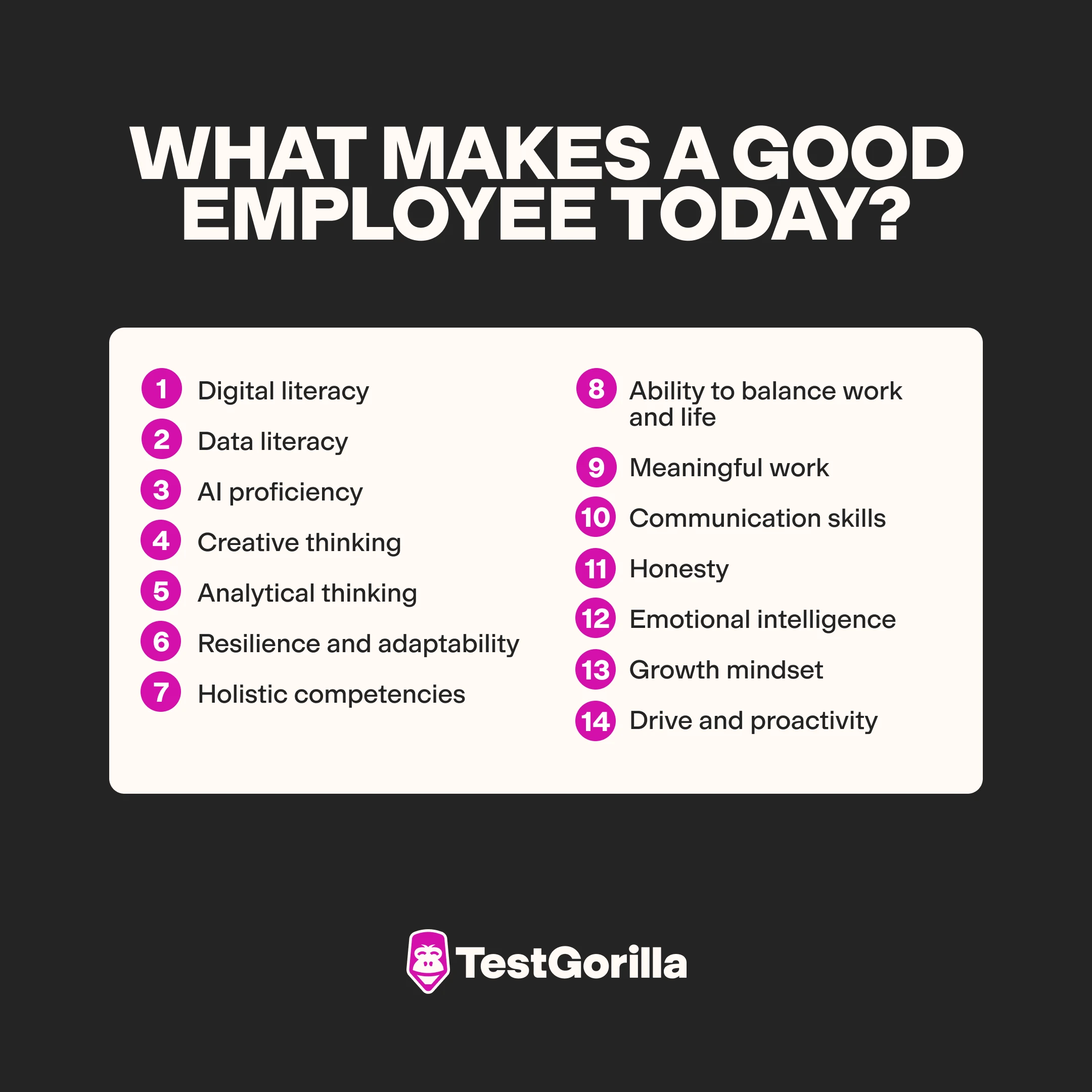
In the world of brand strategy, the “experience” of a product is often more important than its technical specifications. Similarly, for an employee, soft skills represent the “user experience” of working with them. A great employee treats their interpersonal interactions as touchpoints that define their professional brand.
Emotional Intelligence (EQ) as a Differentiator
If technical skills are the “features” of an employee, Emotional Intelligence is the “premium feel.” High EQ allows an employee to navigate complex office dynamics, resolve conflicts gracefully, and build strong relationships. In a brand context, EQ is what builds loyalty. Coworkers and managers are more likely to support and promote an employee who makes them feel heard and respected. A great employee uses empathy to anticipate needs, much like a top-tier brand anticipates the needs of its customers.
Strategic Communication and Interpersonal Design
Great employees are master communicators. They understand that every email, presentation, and meeting is an opportunity to reinforce their brand and the company’s brand. They communicate with clarity, purpose, and a sense of “interpersonal design”—tailoring their message to the audience for maximum impact. By reducing ambiguity and fostering transparency, they help the organization operate more efficiently, which is a hallmark of a well-oiled corporate brand.
Collaborative Leadership
Even those not in formal management positions can exhibit leadership. A great employee practices “collaborative leadership,” which involves taking initiative and helping the team win without needing the spotlight. In branding, this is akin to a “co-branding” effort where the success of the partner (the team) elevates the brand of the individual. They understand that a rising tide lifts all boats and that their personal brand is strengthened when they contribute to the collective success of the group.
Adaptability and the Innovation Mindset
The modern business world is characterized by volatility. A brand that cannot adapt eventually becomes obsolete, and the same is true for employees. A great employee is “future-proof” because they embrace a mindset of continuous evolution.
The T-Shaped Professional
In brand strategy, a “T-shaped” professional is someone with deep expertise in one area (the vertical bar of the T) and a broad ability to collaborate across disciplines (the horizontal bar). A great employee isn’t just a specialist; they understand how their work affects marketing, finance, design, and operations. This holistic understanding allows them to provide strategic value that goes beyond their job description, making them an indispensable part of the brand’s ecosystem.
Resilience in Market Fluctuations
When a company faces a crisis or a pivot in strategy, the great employee is the one who remains steady. Resilience is a powerful brand trait. By staying focused and maintaining a positive outlook during lean times, these employees provide the stability the corporate brand needs to weather the storm. They view challenges as opportunities to “rebrand” obstacles into stepping stones, showing an agility that is vital for long-term organizational survival.
Curiosity as a Catalyst for Innovation
A great employee is inherently curious. They look at industry shifts not as threats, but as data points to be analyzed. This curiosity drives innovation. By staying curious about new methodologies, changing consumer behaviors, and emerging market needs, they help the corporate brand stay relevant. They are the early adopters who test new workflows and the creative thinkers who find novel solutions to old problems, ensuring the brand remains a leader rather than a follower.
Measuring Impact: From Output to Brand Equity
Ultimately, what makes a great employee is the measurable impact they have on the business. In a brand-focused niche, this impact is measured not just in hours worked, but in the “equity” they build for the company.
Quantifiable Contributions to Brand Success
A great employee understands the “Return on Investment” (ROI) of their role. They don’t just complete tasks; they achieve results that move the needle. Whether it’s improving a process that saves the company money, designing a campaign that increases brand awareness, or providing service that boosts customer retention, their work has a clear link to the company’s financial health and brand strength. They are results-oriented and take pride in contributing to the bottom line.
Long-term Reputation Management
A great employee thinks about the long-term reputation of the company. They make decisions that protect the brand’s integrity, even when it’s difficult. They understand that a short-term win is never worth a long-term loss in trust. By acting with ethics and foresight, they protect the company’s “brand capital,” ensuring that the organization remains respected in the eyes of the public, the industry, and the shareholders.
Legacy and the Multiplier Effect
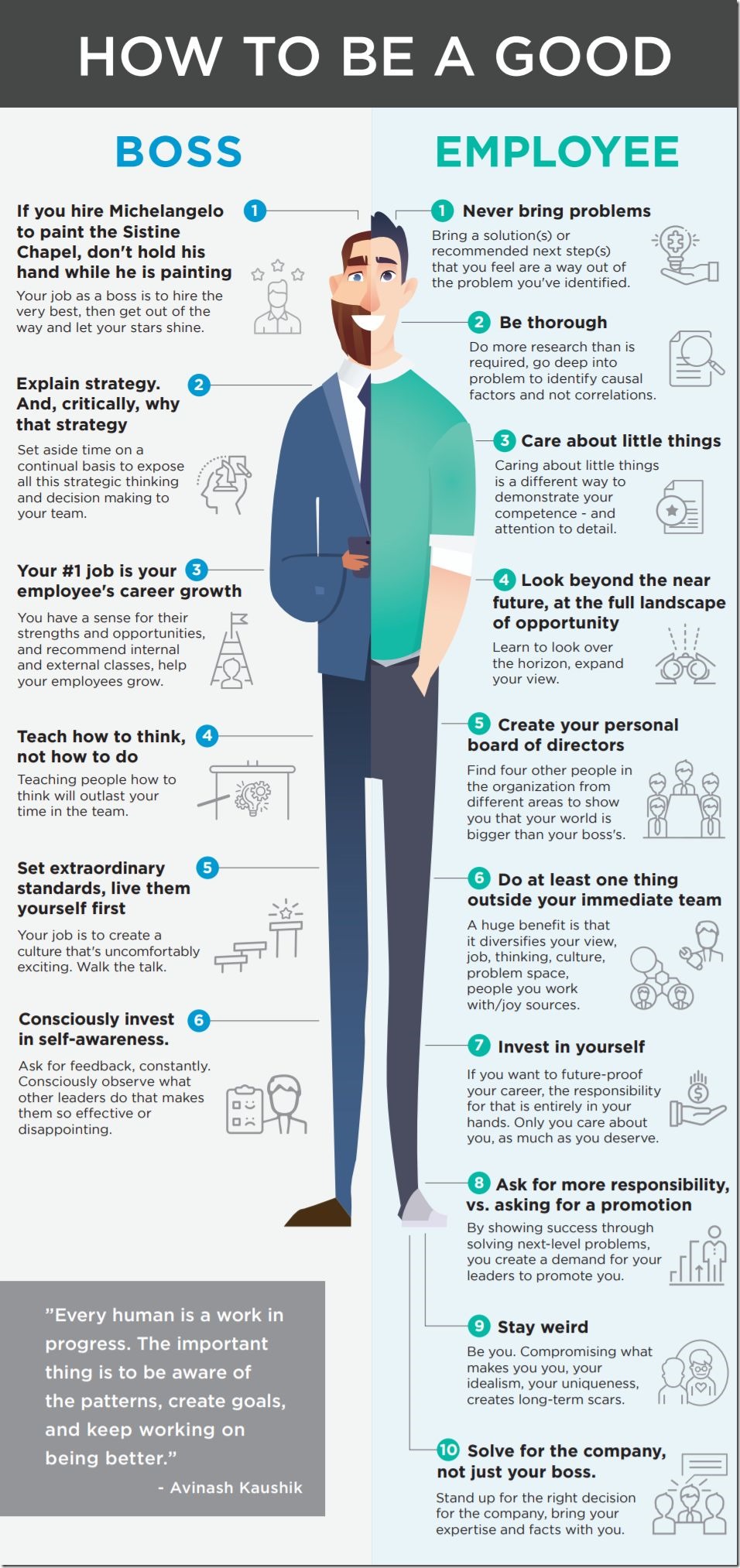
The highest tier of “great” employees are those who leave the company better than they found it. Through mentoring, process improvement, and the setting of high standards, they create a “multiplier effect” where their influence continues to benefit the brand long after they have moved on or been promoted. They build a legacy of excellence that becomes part of the company’s DNA, proving that the true value of a great employee is not just what they do, but the lasting impact they leave on the corporate brand.
aViewFromTheCave is a participant in the Amazon Services LLC Associates Program, an affiliate advertising program designed to provide a means for sites to earn advertising fees by advertising and linking to Amazon.com. Amazon, the Amazon logo, AmazonSupply, and the AmazonSupply logo are trademarks of Amazon.com, Inc. or its affiliates. As an Amazon Associate we earn affiliate commissions from qualifying purchases.