
A degree in Health Science is often viewed as a versatile “Swiss Army Knife” in the academic world. While many students enter the program with the intention of eventually applying to medical or dental school, the degree itself holds significant intrinsic value in the global marketplace. From a financial perspective, a Bachelor of Science in Health Science (BSHS) offers a unique bridge between the clinical world and the high-stakes business of healthcare.
In today’s economy, healthcare is not just a public service; it is one of the most resilient and profitable sectors of the global market. For graduates, the key to financial success lies in understanding how to leverage this degree to enter high-growth, high-margin roles. Whether you are looking for immediate high-income entry-level positions or a path toward executive-level business management in healthcare, this degree provides the foundational capital necessary to build a lucrative career.
The Economics of a Health Science Degree: ROI and Market Resilience
When evaluating any degree from a “Money” perspective, the first metric to consider is the Return on Investment (ROI). The cost of higher education continues to climb, making it imperative for students to choose majors that offer a clear path to debt repayment and wealth accumulation. Health Science stands out because it caters to the “recession-proof” nature of the healthcare industry.
Understanding the Salary Spectrum
The financial trajectory for Health Science graduates varies significantly based on specialization. While entry-level roles in public health or community outreach might start in the $45,000 to $55,000 range, the degree serves as a gateway to specialized roles in medical sales, healthcare administration, and pharmaceutical consulting where six-figure salaries are the norm. By strategically selecting electives in economics, data analytics, or management, students can position themselves for the higher end of this spectrum immediately upon graduation.
Market Demand and Income Stability
The Bureau of Labor Statistics consistently ranks healthcare occupations as some of the fastest-growing in the economy. For a professional looking at long-term financial planning, this growth translates to job security and bargaining power. In a tight labor market, Health Science graduates can negotiate better benefit packages, signing bonuses, and performance-based incentives—factors that are critical for long-term wealth building.
The Leveraged Degree: Paving the Way for Graduate Wealth
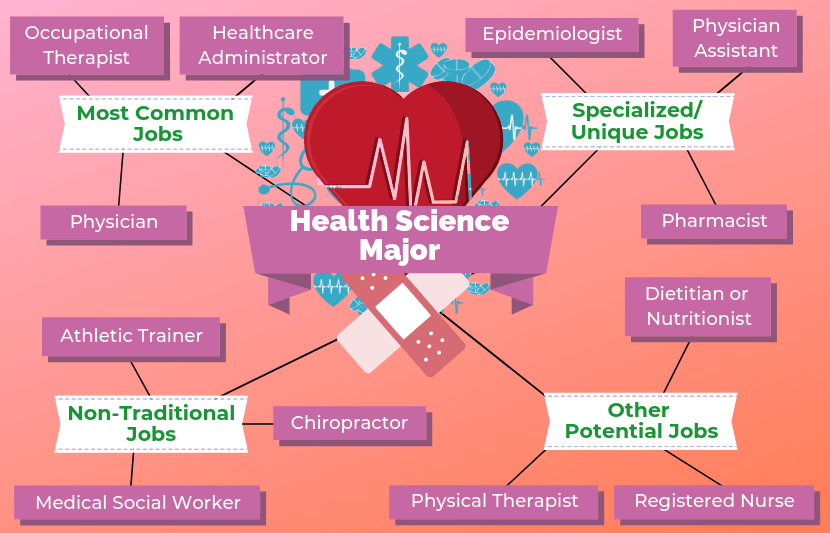
For those willing to invest further, the BSHS is the ultimate prerequisite for high-income clinical roles such as Physician Assistants (PA) or Physical Therapists (PT). From a business standpoint, the “break-even” point for these advanced degrees is often reached within five to seven years of practice, given the substantial jump in earning potential, often exceeding $110,000 to $150,000 annually.
High-Income Career Paths in Healthcare Administration and Management
One of the most financially rewarding avenues for a Health Science graduate is moving away from direct patient care and into the business and operational side of medicine. Healthcare administration is a multi-billion dollar niche that requires a deep understanding of both health protocols and financial bottom lines.
Medical and Health Services Managers
As hospitals and private practices become more corporate, the demand for Health Services Managers has skyrocketed. In this role, you are essentially the COO of a clinical department. You manage budgets, optimize supply chains, and ensure the facility is operating at peak financial efficiency. With a median salary often exceeding $100,000, and top earners in metropolitan areas clearing $200,000, this is one of the most lucrative paths available without requiring a medical doctorate.
Healthcare Risk Management and Compliance
In the world of business finance, risk is the greatest enemy of profit. Healthcare risk managers identify potential legal and financial liabilities within a healthcare system. They work closely with insurance providers and legal teams to minimize losses. Because this role directly protects the organization’s capital, it is highly valued and compensated accordingly.

Clinical Research Coordinators
The pharmaceutical industry is one of the most profitable sectors globally. Health Science graduates working as Clinical Research Coordinators sit at the intersection of science and commerce. They manage the trials for new drugs and medical devices, ensuring that the millions of dollars invested by biotech firms are utilized effectively and within regulatory bounds. This path often leads to roles in “Medical Science Liaison” (MSL) positions, which are famous for high base salaries and significant performance bonuses.
The Business of Wellness: Medical Sales and Entrepreneurial Ventures
For those with a high risk tolerance and a drive for performance-based income, the Health Science degree opens doors to the competitive world of medical sales and private consulting. This is where the ceiling for “online income” and “business finance” truly disappears.
Medical Device and Pharmaceutical Sales
If your goal is to maximize your income quickly, medical sales is arguably the most effective route. A Health Science degree provides the technical literacy needed to explain complex surgical tools or pharmacological agents to doctors. Unlike many other health roles, sales offers a commission-based structure. Top-tier medical device reps often earn between $150,000 and $400,000 annually. This career path requires a blend of clinical knowledge and aggressive business strategy, making it a favorite for those focused on rapid wealth accumulation.
Healthcare Consulting and Freelance Advising
With the rise of the “gig economy” and specialized consulting, many Health Science graduates are opting to start their own businesses. Organizations often hire external consultants to audit their health protocols, improve workplace wellness programs, or navigate new health regulations. As a consultant, you can set your own hourly rates, often ranging from $100 to $300 per hour, allowing for a scalable business model that far outpaces traditional salary structures.
Corporate Wellness Strategy
Large corporations have realized that employee health directly impacts the company’s stock price and productivity. Health Science graduates are being hired by Fortune 500 companies to design and manage corporate wellness divisions. These roles are not just about health; they are about “Human Capital Management.” By reducing insurance premiums and absenteeism, wellness strategists save companies millions, justifying their high-level executive salaries.
Strategic Financial Planning for Health Science Professionals
Obtaining the degree is only the first step; managing the income it generates is what builds lasting wealth. Because the health sector provides such high income stability, graduates are in a prime position to utilize sophisticated financial tools and investment strategies.
Investing in Specialized Certifications
In the finance world, “upskilling” is a form of capital investment. For a Health Science graduate, obtaining a certification in Lean Six Sigma (for operational efficiency) or a Certified Professional in Healthcare Risk Management (CPHRM) can result in an immediate salary bump. These certifications often cost a few thousand dollars but can yield a 20-50% increase in annual earning potential.
Leveraging Public Service Loan Forgiveness (PSLF)
Many Health Science jobs are found within non-profit hospitals or government agencies. From a financial management perspective, this offers a massive advantage: the Public Service Loan Forgiveness program. By working in these sectors for ten years, graduates can have their federal student loans forgiven tax-free. This allows a professional to redirect what would have been loan payments into high-growth investment vehicles like Roth IRAs or brokerage accounts, effectively doubling their net worth over a decade.
Diversifying Income Through Health-Tech Side Hustles
The digital transformation of healthcare has created a niche for “Health-Tech” side hustles. Health Science graduates can contribute to medical writing, app content development, or telehealth consulting. By diversifying income streams, a health professional can protect themselves against sectoral shifts while accelerating their path to financial independence.
Conclusion: Building Wealth Through Health
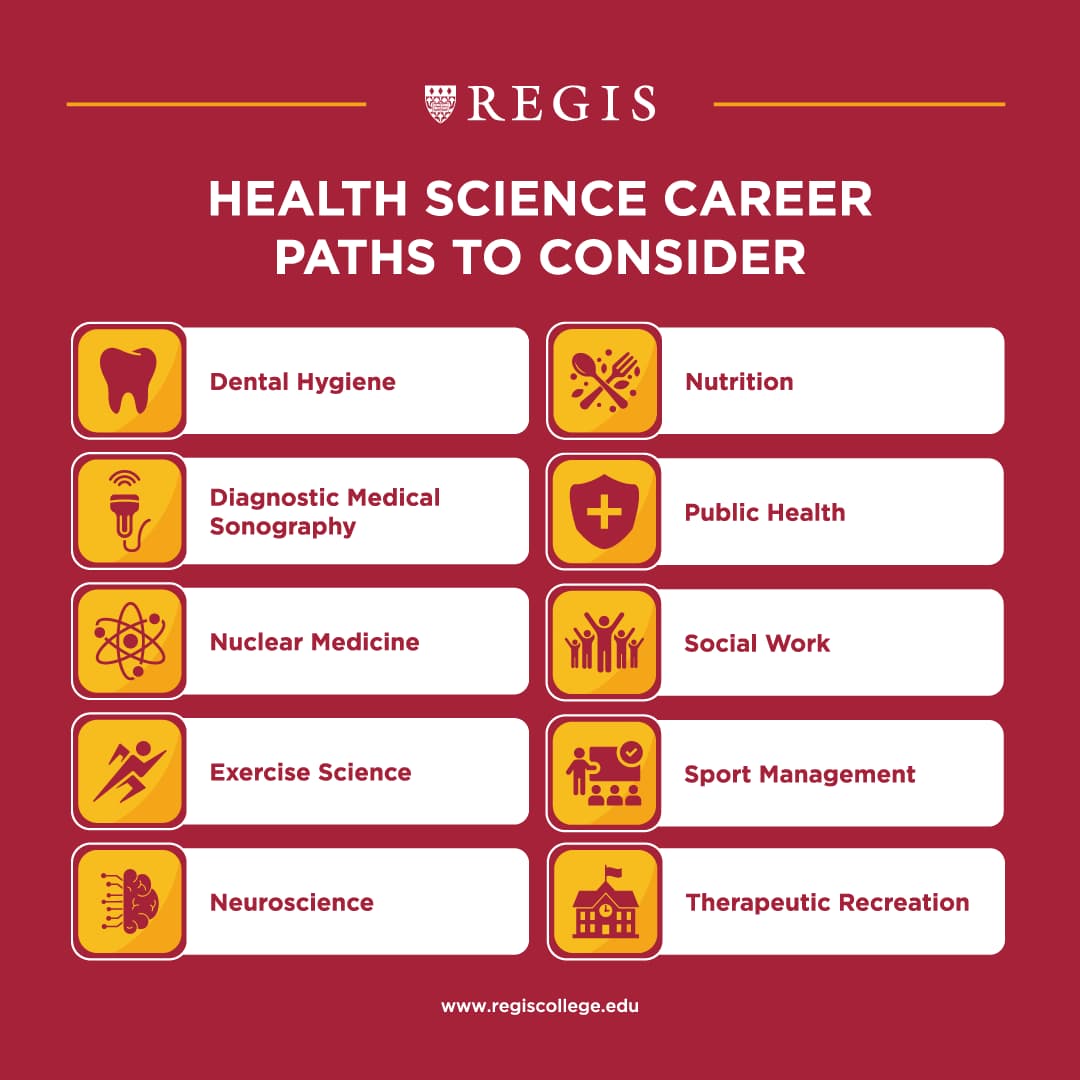
A Health Science degree is far more than a precursor to a lab coat; it is a robust financial asset. By viewing the degree through the lens of business finance and market demand, graduates can navigate away from low-paying clinical entry roles and toward high-stakes, high-reward positions in administration, sales, and consulting.
The key to maximizing the “Money” aspect of this degree is to remain market-aware. Understand where the venture capital is flowing—currently into biotech, telehealth, and aging-in-place technologies—and position your career to solve the financial problems of those industries. With the right strategic approach, a Health Science degree is not just a path to a job; it is a path to a high-net-worth future.
aViewFromTheCave is a participant in the Amazon Services LLC Associates Program, an affiliate advertising program designed to provide a means for sites to earn advertising fees by advertising and linking to Amazon.com. Amazon, the Amazon logo, AmazonSupply, and the AmazonSupply logo are trademarks of Amazon.com, Inc. or its affiliates. As an Amazon Associate we earn affiliate commissions from qualifying purchases.