
In the world of personal finance and global commodity markets, we often overlook the most ubiquitous items in our pantry. White distilled vinegar is one such product. While a scientist might tell you it is a solution of acetic acid and water, a financial analyst sees it differently. From a business perspective, white distilled vinegar is a triumph of industrial efficiency, a cornerstone of the defensive consumer goods sector, and a case study in how a low-cost commodity can maintain stable profit margins for decades.
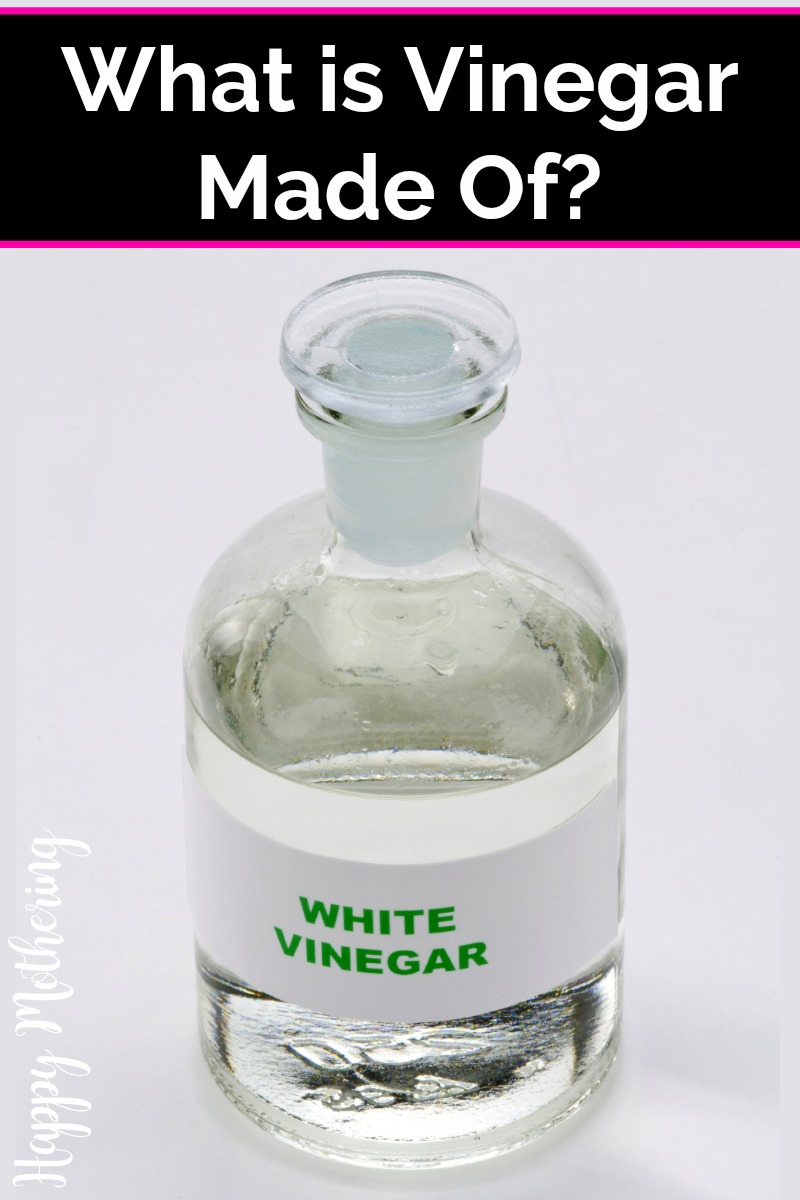
Understanding what white distilled vinegar is “made of” requires looking past the liquid itself and into the supply chains, raw material costs, and market dynamics that allow it to be sold for pennies a gallon while generating millions in revenue for conglomerates.
The Raw Material Chain: From Grain Subsidies to Liquid Gold
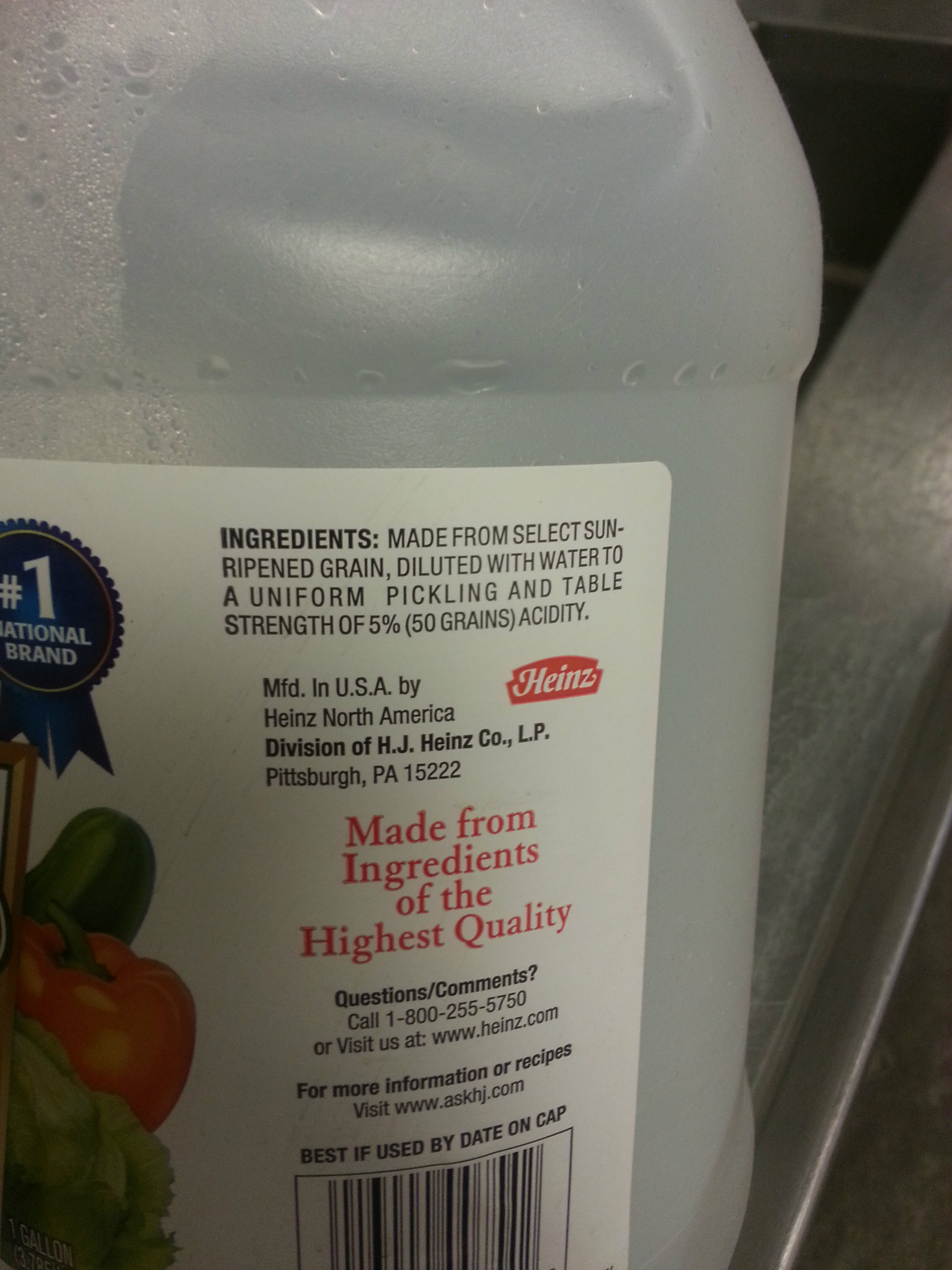
To understand the financial composition of white distilled vinegar, one must first look at the agricultural commodities market. Most distilled white vinegar in North America is derived from grain—specifically corn. Therefore, the price and “ingredients” of vinegar are, in a financial sense, largely composed of the fluctuating prices of corn futures and the efficiency of ethanol production.
The Fermentation ROI: Converting Ethanol to Profit
The production process begins with the fermentation of distilled alcohol (ethanol). From a business standpoint, the Return on Investment (ROI) in vinegar production is found in the conversion efficiency of the Acetobacter bacteria. These bacteria oxidize the ethanol into acetic acid. Large-scale manufacturers invest heavily in “Acetators”—high-tech fermentation vats—to ensure that every drop of expensive ethanol is converted into marketable acid with minimal waste. The financial viability of a vinegar plant is dictated by the “yield” of this biological conversion.
Commodity Pricing and Volatility
Because vinegar is a secondary product of grain fermentation, its price is tethered to the global agricultural market. When corn prices rise due to droughts or changes in government subsidies, the cost of the base ethanol increases. However, vinegar is what economists call an “inelastic good.” Because it is a staple, consumers tend to buy it regardless of minor price fluctuations. This allows producers to maintain steady cash flows even when the underlying commodity markets are volatile, making vinegar production a remarkably stable business model.
The Market Landscape: Industrial Production vs. Consumer Retail
When we ask what vinegar is made of, we must also consider the “value-added” components of the retail market. The liquid in the bottle represents only a fraction of the price you pay at the supermarket. The financial structure of a bottle of white distilled vinegar is a complex breakdown of manufacturing, packaging, and logistics.
The White-Label Dominance
White distilled vinegar is perhaps the ultimate “generic” product. In the world of retail finance, “white labeling” refers to a product manufactured by one company that other companies rebrand. Most grocery store chains do not own vinegar plants; they buy in bulk from massive industrial suppliers like Mizkan or Fleischmann’s. For the consumer, this creates a unique financial opportunity: there is almost zero qualitative difference between a name-brand vinegar and a store-brand version. From a personal finance perspective, choosing the generic option is a 100% win, as the “ingredients”—5% acetic acid and 95% water—are legally mandated to be identical.
Economies of Scale in Chemical Manufacturing
The profitability of vinegar is driven by volume. Because the profit margin per bottle is slim, manufacturers must produce millions of gallons to remain viable. This is where “Economies of Scale” come into play. Large-scale producers integrate their facilities near corn processing plants or ethanol refineries to minimize transportation costs. By reducing the logistical “ingredients” of the final price, these companies can undercut smaller competitors, creating a high barrier to entry for new firms in the vinegar market.

Investing in the Essentials: Vinegar as a Defensive Asset
For investors looking at the “Money” side of the equation, white distilled vinegar represents a classic defensive asset. In a recession, consumers might stop buying luxury electronics or high-end skincare, but they continue to buy vinegar for cooking, preserving, and cleaning.
Recession-Proof Commodities
During economic downturns, the “ingredients” of a portfolio often shift toward Consumer Staples. Companies that produce white distilled vinegar are frequently part of larger diversified conglomerates or specialized food ingredient firms. These stocks tend to have lower “beta” (volatility) relative to the broader market. When you invest in the producers of vinegar, you are essentially betting on the continued human need for food preservation and low-cost sanitation.
Logistics and Distribution Costs
A significant portion of what vinegar is “made of” financially is the cost of moving water. Since vinegar is 95% water, it is heavy and expensive to ship. Therefore, the financial health of a vinegar company is highly dependent on fuel prices and shipping efficiency. Smart investors look at companies that have strategically decentralized their bottling plants to be closer to major metropolitan hubs. Reducing the “carbon and fuel footprint” of the product is the primary way these companies increase their net profit margins without raising prices for the consumer.
Household Savings: The Cost-Benefit Analysis of Vinegar as a Utility
Finally, we must look at what white distilled vinegar is made of from the perspective of the household budget. In personal finance, vinegar is often cited as the ultimate “frugal hack.” Its chemical composition makes it a multi-purpose financial tool that can replace a dozen specialized products.
Replacing Expensive Specialized Cleaners
The average household spends hundreds of dollars annually on specialized glass cleaners, floor sanitizers, and fabric softeners. Financially, these products are often just water, a small amount of surfactant, and fragrance, sold at a 500% markup. White distilled vinegar, when diluted, performs many of these tasks for a fraction of the cost. By understanding that vinegar is “made of” a potent natural solvent (acetic acid), a savvy consumer can effectively “dividend” their household budget, reallocating the money saved on cleaning supplies into their savings or investment accounts.
Long-term Financial Impact of DIY Solutions
The compounding effect of small savings is a pillar of wealth building. If a household saves $20 a month by switching to vinegar-based cleaning and DIY food preservation, that $240 a year, if invested in a low-cost index fund with a 7% return, could grow to over $10,000 over 20 years. In this light, white distilled vinegar is made of “opportunity cost.” It represents the difference between mindless consumption of branded chemicals and a strategic, budget-conscious approach to household management.
Conclusion: The Bottom Line on Vinegar
White distilled vinegar is far more than a simple mixture of fermented grain alcohol and water. From a financial standpoint, it is a complex product made of commodity futures, industrial scaling, retail strategy, and consumer psychology.
Whether you are an investor looking for stability in the consumer staples sector, a business owner analyzing supply chain efficiencies, or an individual looking to optimize a household budget, understanding the “ingredients” of this liquid commodity is essential. It serves as a reminder that even the simplest items in our lives are part of a massive, global financial engine—one where efficiency, scale, and utility are the primary components of success. By looking at vinegar through the lens of money, we see a product that is not just a kitchen staple, but a masterclass in economic endurance.
aViewFromTheCave is a participant in the Amazon Services LLC Associates Program, an affiliate advertising program designed to provide a means for sites to earn advertising fees by advertising and linking to Amazon.com. Amazon, the Amazon logo, AmazonSupply, and the AmazonSupply logo are trademarks of Amazon.com, Inc. or its affiliates. As an Amazon Associate we earn affiliate commissions from qualifying purchases.