
In the contemporary landscape of global commerce, the difference between a brand that survives and one that defines an era is often found in its leadership. We frequently hear the term “visionary leadership” used to describe the architects of the world’s most influential corporations, but what does it actually mean within the context of brand strategy? At its core, visionary leadership is the ability to see beyond the immediate horizon, identifying a future state for a brand that does not yet exist and articulating that future so compellingly that it becomes the organizational reality.
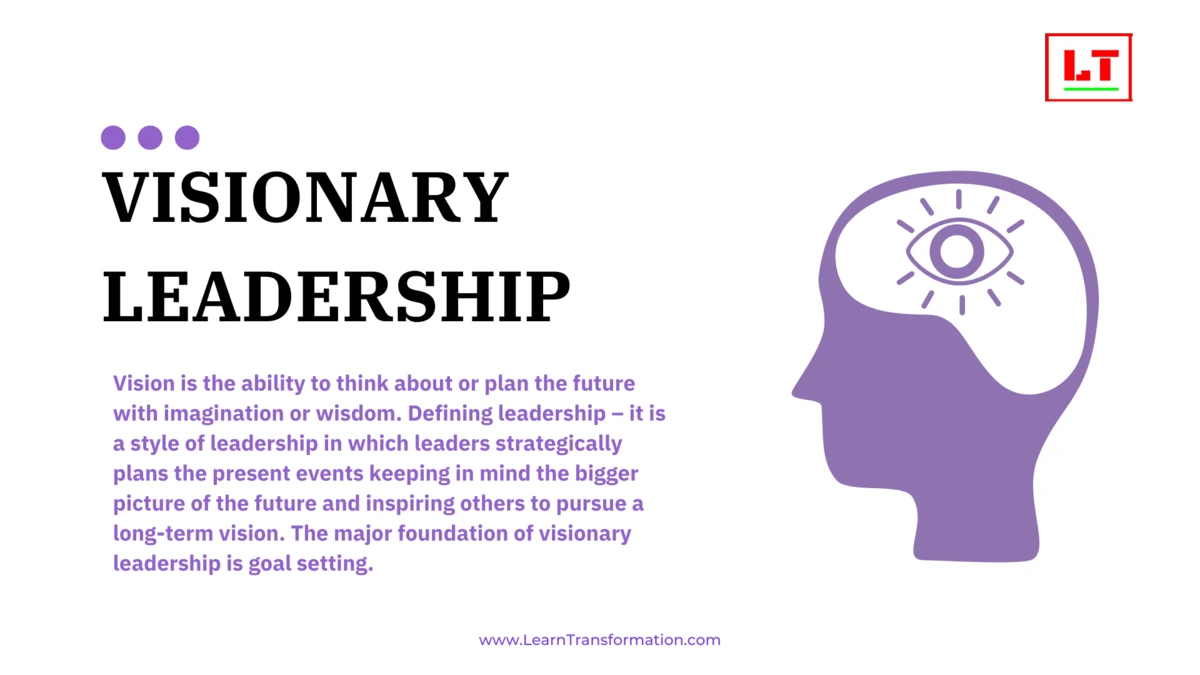
For a brand, visionary leadership acts as the “North Star.” It is the driving force that prevents a company from becoming a mere commodity, instead transforming it into a cultural or industrial icon. This leadership style is not concerned with the incremental gains of next quarter; it is concerned with the legacy the brand will leave over the next decade.
The Core of the Brand: Defining Visionary Leadership in Corporate Identity
Visionary leadership is often confused with charismatic leadership, but they are fundamentally different. While a charismatic leader uses personality to influence, a visionary leader uses the power of a strategic narrative to reshape a brand’s identity.
Beyond Management: The Strategic Architect
Management is about maintaining systems and ensuring efficiency within current parameters. Visionary leadership, conversely, is about architectural change. In the realm of branding, this means the leader isn’t just managing the current marketing budget; they are reimagining the brand’s value proposition. A visionary leader asks, “What problem will our brand solve ten years from now that the world doesn’t even realize it has yet?”
This shift from management to architecture is what allows brands to pivot successfully. When a leader views the brand through a visionary lens, the brand identity becomes fluid enough to adapt to technological shifts but remains anchored by a core philosophy. It is the difference between selling a product and selling a perspective.
The North Star Principle
A brand’s identity is its promise to the consumer. Visionary leadership ensures that this promise is both ambitious and consistent. By establishing a “North Star”—a singular, high-level vision—the leader provides a filter for every decision the brand makes. Whether it is a design choice, a merger, or a social media campaign, the visionary leader ensures that every action aligns with the ultimate brand destination.
Without this visionary guidance, brands suffer from “identity drift,” where they chase trends and lose their core essence. Visionary leadership prevents this by prioritizing long-term brand equity over short-term market fluctuations.
Characteristics of a Visionary Brand Leader
To lead a brand toward a visionary future, a leader must possess a specific set of psychological and strategic traits. These characteristics are what enable them to build trust with stakeholders and inspire loyalty in consumers.
Strategic Foresight and Market Disruption
Visionary leaders possess an uncanny ability to read “weak signals” in the market—small trends that indicate a massive shift in consumer behavior. In brand strategy, this translates to disruption. Instead of entering an existing market and competing on price (the “Red Ocean” strategy), visionary leaders create new markets (the “Blue Ocean” strategy). They redefine what the brand stands for, often making their competitors irrelevant by changing the rules of the game.
Communicating a Compelling Brand Narrative
A vision is useless if it cannot be shared. The most successful visionary leaders are master storytellers. They understand that a brand is not just a logo or a product; it is a narrative that people want to belong to. By communicating the brand’s “Why”—as popularized by Simon Sinek—visionary leaders create an emotional resonance that transcends the functional benefits of what they are selling. They turn customers into advocates and employees into believers.

Resilience in the Face of Brand Dilution
The path to realizing a grand vision is rarely a straight line. Visionary leaders must have the resilience to withstand criticism, especially when the brand’s new direction seems counterintuitive to current market logic. They protect the brand’s integrity even when it is commercially inconvenient to do so. This resilience is what builds “Brand Authenticity,” one of the most valuable assets in modern marketing.
Implementing Visionary Leadership in Brand Strategy
Visionary leadership cannot exist in a vacuum; it must be operationalized throughout the organization. For a brand to embody a vision, the leadership must weave that vision into the very fabric of the company’s operations.
Cultivating a Culture of Innovation
A visionary leader understands that they cannot be the only source of innovation. Their role is to create a corporate environment where risk-taking is encouraged and the brand’s vision is democratized. This involves fostering a “fail fast” culture where team members feel empowered to experiment with new ways to express the brand’s identity. When the culture is aligned with the vision, the brand becomes a living entity that evolves organically while staying true to its roots.
Aligning Internal Teams with the Brand Promise
One of the greatest challenges in brand strategy is the gap between what a brand says and what it does. Visionary leadership bridges this gap by ensuring that internal culture reflects the external brand promise. If a brand’s vision is “Simplicity,” but its internal processes are bureaucratic and complex, the brand will eventually fail. A visionary leader audits the internal brand experience to ensure it matches the external marketing. This alignment creates a seamless brand ecosystem that reinforces the vision at every touchpoint.
Case Studies: Visionary Leadership in Modern Branding
To understand the practical application of these concepts, we can look at brands that have been fundamentally shaped by visionary leaders. These examples demonstrate how a clear vision can elevate a brand from a business to a global phenomenon.
Apple: The Legacy of Simplification
Steve Jobs is perhaps the most cited example of visionary leadership in branding. His vision wasn’t just to build computers; it was to “put a dent in the universe” by humanizing technology. This vision dictated every brand decision, from the minimalist industrial design of the hardware to the “Think Different” advertising campaigns. Apple’s brand became synonymous with a specific lifestyle and aesthetic, allowing it to maintain premium pricing and intense customer loyalty long after the products themselves became ubiquitous.
Patagonia: Purpose-Driven Leadership
Yvon Chouinard of Patagonia exemplifies visionary leadership through the lens of brand purpose and ethics. By pivoting the brand’s vision toward environmental activism—even going so far as to tell customers “Don’t Buy This Jacket” in a famous advertisement—Chouinard built a brand identity that is virtually unassailable. The vision of saving the planet wasn’t a marketing gimmick; it was the core brand strategy. This visionary approach has resulted in a level of brand trust that few companies can replicate.
The Future of Visionary Branding in a Digital Age
As we move further into the digital and AI-driven era, the role of visionary leadership in branding is becoming even more critical. In an age of automation and infinite content, human-centric vision is what provides the “soul” of a brand.
Personal Branding for the Visionary Executive
In the modern market, the brand of the leader and the brand of the company are increasingly intertwined. Visionary leaders now use personal branding to humanize their organizations. By sharing their thought processes, failures, and long-term aspirations on platforms like LinkedIn or through public speaking, they provide a face to the corporate identity. This transparency builds a different kind of brand equity—one based on personal connection and shared values.
Navigating Brand Evolution
The digital age moves fast, and visionary leaders must be able to evolve their brand’s vision without losing its core identity. This requires a balance between “timelessness” and “timeliness.” The visionary leader understands which parts of the brand are sacred and which parts are subject to change. They use technology not just for the sake of being “tech-forward,” but as a tool to further the brand’s ultimate mission.
In conclusion, visionary leadership is the catalyst that transforms a standard business strategy into a legendary brand. It requires a rare combination of foresight, storytelling, and strategic discipline. By focusing on the long-term identity of the brand and aligning every internal and external action with a clear “North Star,” visionary leaders do more than just sell products—they shape the future of our culture and our economy. For any brand aiming for longevity and impact, visionary leadership is not an optional luxury; it is the fundamental requirement for success.
aViewFromTheCave is a participant in the Amazon Services LLC Associates Program, an affiliate advertising program designed to provide a means for sites to earn advertising fees by advertising and linking to Amazon.com. Amazon, the Amazon logo, AmazonSupply, and the AmazonSupply logo are trademarks of Amazon.com, Inc. or its affiliates. As an Amazon Associate we earn affiliate commissions from qualifying purchases.