
In the hyper-competitive landscape of the global beauty and personal care industry—a sector valued at over $500 billion—success is no longer dictated solely by product efficacy. Instead, it is driven by the precision of market segmentation and the ability of a brand to resonate with a consumer’s specific identity. One of the most significant shifts in this space over the last decade has been the commercialization and branding of the hair typing system. Specifically, “Type 3 hair” has transitioned from a simple descriptive term used by stylists into a powerful brand category that commands billions in market share.
For brand strategists, marketing executives, and entrepreneurs, understanding “What is Type 3 hair?” is not an exercise in cosmetology; it is a masterclass in niche identification, community-led growth, and the power of specialized corporate identity.
Understanding the Market Segment: What is Type 3 Hair in the Branding Landscape?
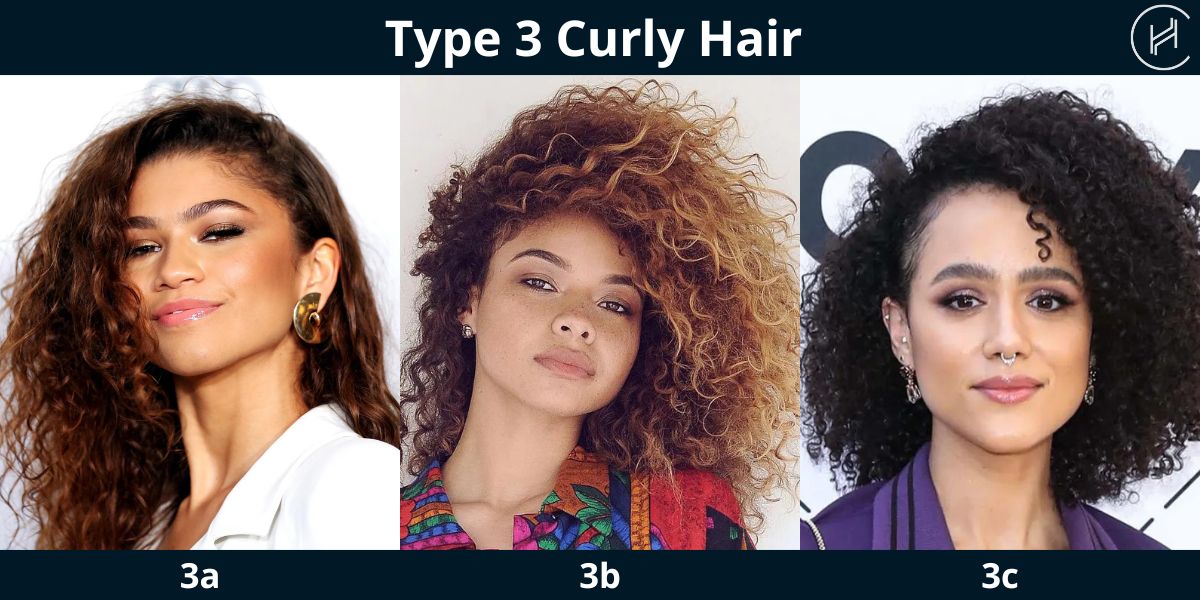
In the context of brand strategy, Type 3 hair refers to a specific consumer persona characterized by “S-shaped” curls. This segment sits between the wavy “Type 2” and the tightly coiled “Type 4.” However, from a marketing perspective, Type 3 represents a unique psychological space: a consumer who requires high-performance moisture without the weight, and someone who has historically been underserved by “one-size-fits-all” legacy brands.
The Andre Walker System: From Classification to Commercialization
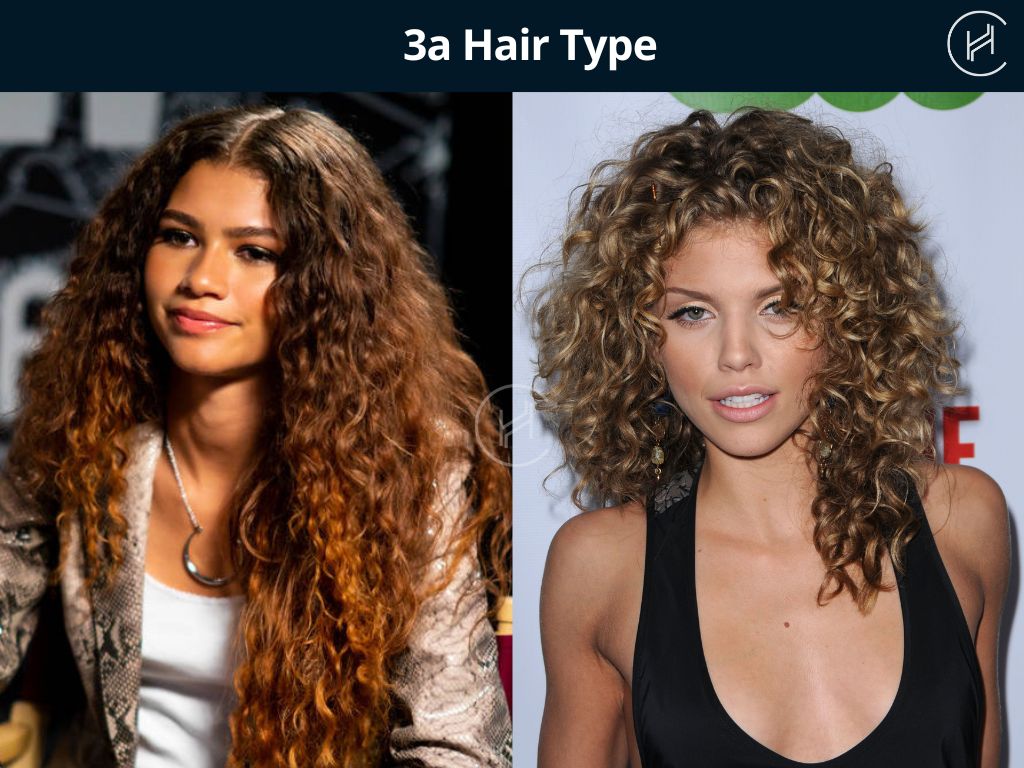
The categorization of Type 3 hair originated from the Andre Walker Hair Typing System. Walker, long-time stylist to Oprah Winfrey, created this classification to help consumers understand their specific needs. While it began as a functional guide, it was quickly adopted as a branding framework. By assigning numbers and letters (3A, 3B, 3C) to hair textures, brands were able to move away from vague descriptors like “frizzy” or “unruly”—which often carried negative connotations—toward a more clinical, celebratory, and precise nomenclature. This shift allowed brands to position themselves as experts in a specific “type,” creating an immediate sense of authority and trust.
Niche Identification: The Power of Specificity in Product Marketing
The “Type 3” label serves as a shorthand for a complex set of needs. In brand design, specificity is the antidote to commoditization. When a brand markets a product “for curly hair,” it competes with every drugstore brand on the planet. When a brand creates a “Type 3B Defining Gel,” it speaks directly to a consumer who has likely struggled with products that are either too weak (Type 2) or too heavy (Type 4). This level of granular targeting reduces the cost of customer acquisition (CAC) because the messaging is so hyper-relevant that it bypasses the “skepticism” phase of the consumer journey.
Building Authenticity: How Type 3 Hair Brands Win Through Community
In the modern era of branding, a corporate identity is only as strong as the community that supports it. For the Type 3 hair segment, this community was built in digital forums and on social media long before major corporations took notice. Brands that have successfully entered this space are those that have embraced a “community-first” strategy, prioritizing education and peer-to-peer validation over traditional top-down advertising.
User-Generated Content (UGC) as a Brand Pillar
Type 3 hair is visually dynamic and highly variable. This makes it the perfect subject for User-Generated Content. Brands like DevaCurl and Ouidad built their empires by encouraging customers to share their “curl journeys.” For these brands, the product is not the hero; the customer’s transformation is. By centering their branding on real results from real people with Type 3 curls, these companies built a level of social proof that traditional “glossy” hair commercials could never achieve. This strategy transformed the brand from a manufacturer into a facilitator of a lifestyle.
The Transition from Mass Market to Personalized Solutions
The rise of the Type 3 hair category signaled the end of the “mass market” era in beauty. Consumers within this niche do not want to be part of the “masses”; they want solutions that acknowledge their unique hair porosity, density, and curl pattern. Successful brands in this space have pivoted their identity to focus on personalization. Whether through “Curl Quizzes” on their websites or custom-blended formulas, the brand promise is now: “We see you as an individual, not just a hair type.” This shift has significantly increased customer lifetime value (CLV), as users are less likely to switch brands once they find a personalized system that works.

Case Studies in Successful Texture Branding
To understand the financial and cultural impact of the Type 3 hair designation, one must look at the brands that redefined their corporate identity to serve this specific niche. These companies didn’t just sell soap and conditioner; they sold a new way for people to view their natural selves.
SheaMoisture and the Rise of the Inclusive Brand
SheaMoisture is perhaps the most prominent example of a brand that leveraged texture-specific categorization to achieve massive scale. By clearly labeling their lines for different hair types (including a heavy focus on Type 3 and Type 4), they became the anchor for the “natural hair movement” in retail spaces like Target and CVS. Their brand strategy was rooted in “Community Commerce,” focusing on heritage and ingredients. This allowed them to maintain a “boutique” feel even as they were acquired by Unilever. Their success proved that niche hair-type branding was not just a fad, but a multi-billion dollar opportunity.
Pattern Beauty: Leveraging Personal Brand Equity
Tracee Ellis Ross’s Pattern Beauty is a masterclass in how personal branding can merge with niche market needs. Ross identified that while Type 3 and Type 4 hair was being “served,” it wasn’t being “celebrated” with the same luxury aesthetic as straight-hair brands. Pattern Beauty’s branding is minimalist, high-end, and deeply emotional. By focusing on the “joy” of curls rather than just the “management” of them, the brand tapped into a psychological need for premium products within the textured hair community. This positioning allowed them to command a higher price point, proving that Type 3 consumers are willing to pay for a brand experience that aligns with their identity.
The Future of Hair Care Tech and Brand Loyalty
As we move forward, the “Type 3” designation is evolving. We are entering an era where technology—specifically AI and data analytics—is merging with brand strategy to create an even more refined consumer experience.
AI-Driven Personalization: The Digital Hair Consult
The next frontier for brands in the Type 3 space is the integration of AI tools. Many leading brands are now developing apps that analyze a photo of a user’s hair to determine if they are truly Type 3 or perhaps a mix of Type 2 and 3. This technological integration serves two purposes: it provides the consumer with immediate value, and it provides the brand with invaluable first-party data. By understanding the exact distribution of hair types within their database, brands can optimize their R&D and supply chain to match real-world demand.
Sustainability and Ethical Branding in the Textured Space
Finally, the future of branding for Type 3 hair is inextricably linked to ESG (Environmental, Social, and Governance) factors. The curly hair consumer is statistically more likely to scrutinize ingredient lists and demand ethical sourcing. Brands are now rebranding themselves not just as “curly hair experts,” but as “clean beauty leaders.” This transition is essential for maintaining brand loyalty among Gen Z and Millennial consumers, who view their purchasing power as an extension of their values. A brand that serves Type 3 hair but uses harsh sulfates or non-recyclable packaging is now at a competitive disadvantage.
Conclusion: The Strategic Imperative of Niche Categorization
The question “What is Type 3 hair?” finds its most compelling answer in the boardrooms of the world’s most successful beauty conglomerates. It is a testament to the power of niche branding. By taking a physical characteristic and turning it into a structured, recognized, and celebrated category, the industry has created an entirely new ecosystem of products, services, and communities.
For any business leader or brand strategist, the lesson is clear: identity is the ultimate currency. Whether in tech, finance, or beauty, the ability to define a segment, speak its language, and solve its specific pain points is the foundation of a resilient brand. Type 3 hair is no longer just a curl pattern; it is a blueprint for how modern brands can find their voice in a crowded, noisy, and increasingly personalized world. By focusing on the “Type 3s” of their own respective industries, brands can move away from the race to the bottom and toward a future of high-margin, community-driven growth.
aViewFromTheCave is a participant in the Amazon Services LLC Associates Program, an affiliate advertising program designed to provide a means for sites to earn advertising fees by advertising and linking to Amazon.com. Amazon, the Amazon logo, AmazonSupply, and the AmazonSupply logo are trademarks of Amazon.com, Inc. or its affiliates. As an Amazon Associate we earn affiliate commissions from qualifying purchases.