
In the rapidly evolving landscape of decentralized technology, the bridge between a user and the blockchain is perhaps the most critical piece of infrastructure. Among the myriad of tools available to navigate this space, Trust Wallet has emerged as a gold standard for mobile-first, non-custodial software. But to understand what Trust Wallet truly is, one must look beyond its simple user interface and explore the sophisticated technological architecture that allows it to function as a gateway to the decentralized web (Web3).
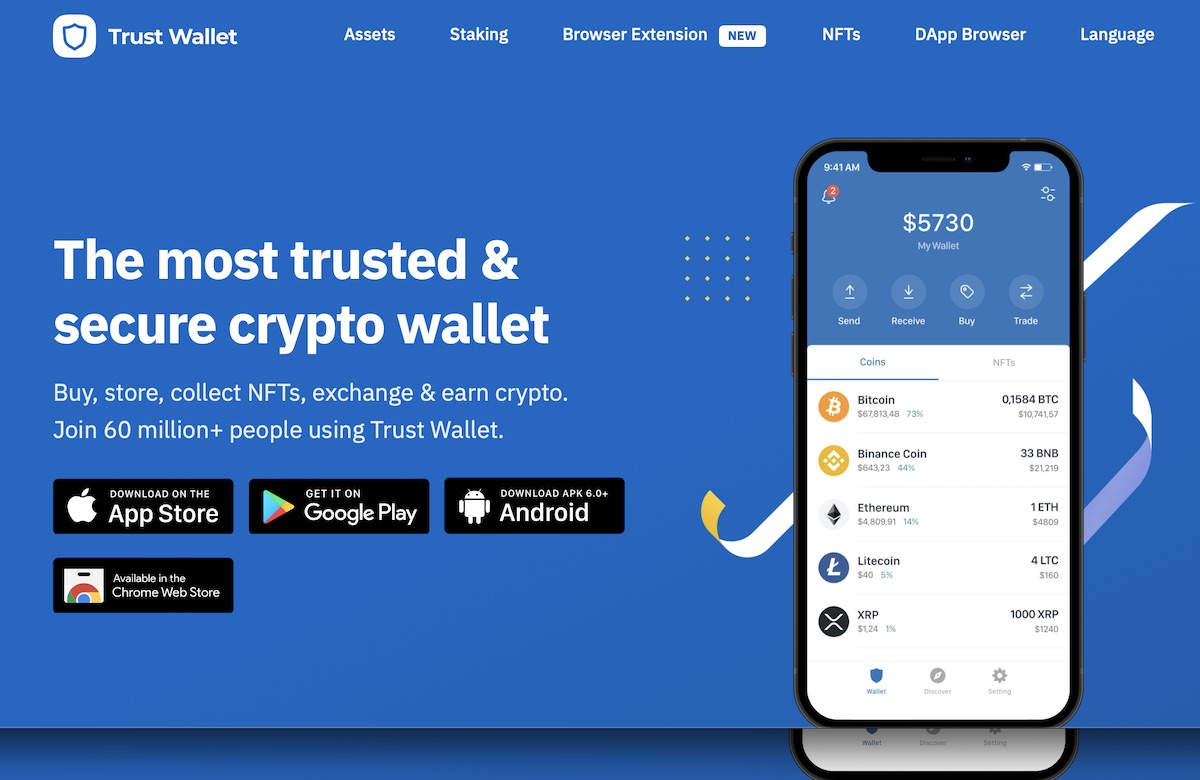
At its core, Trust Wallet is a multi-chain, non-custodial software application designed to interact with various blockchain protocols. Unlike traditional banking apps or centralized exchange platforms, Trust Wallet does not hold a user’s digital assets. Instead, it provides the cryptographic tools necessary for a user to manage their own private keys and interact directly with the ledger. This distinction is the cornerstone of its technical identity.
Understanding the Non-Custodial Architecture
The defining technical characteristic of Trust Wallet is its non-custodial (or self-custodial) nature. In the world of software engineering and digital security, this means that the application acts as a client-side interface rather than a centralized server that stores sensitive user data.
The Role of Private Keys and Seed Phrases
Technically, your digital assets do not “live” inside Trust Wallet. They exist as entries on their respective blockchains (such as Ethereum, Bitcoin, or Solana). Trust Wallet provides the software environment to generate and store your private keys—the digital signatures required to authorize transactions.
When a user sets up a new wallet, the app utilizes an algorithm to generate a 12 or 24-word “Secret Recovery Phrase” (based on the BIP39 standard). This phrase is a human-readable representation of a highly complex cryptographic master key. Trust Wallet encrypts this data locally on the user’s device. Because the developers of Trust Wallet never have access to this phrase or the underlying keys, the user remains the sole “custodian” of their digital data. This “Zero-Knowledge” architecture ensures that even if the Trust Wallet servers were compromised, user funds would remain secure because the keys are stored only on individual mobile devices.
Decentralization vs. Centralized Interfaces
Traditional financial apps rely on a centralized database. When you send money, you are asking the bank to update their ledger. In contrast, Trust Wallet communicates directly with blockchain nodes. When a user initiates a transaction, the app constructs a data packet, signs it with the local private key, and broadcasts it to the network. This peer-to-peer communication model is what classifies Trust Wallet as a decentralized application (dApp) in its own right, adhering to the core tenets of blockchain technology: transparency, immutability, and censorship resistance.
Technical Features and Multi-Chain Support
One of the greatest technical challenges in the blockchain space is interoperability. Most wallets are built for a single ecosystem (for example, a wallet might only support Ethereum-based tokens). Trust Wallet’s technical triumph lies in its multi-chain aggregation engine, which supports over 100 different blockchain protocols and millions of distinct digital assets.
Beyond Bitcoin: Managing 100+ Blockchains
From a software development perspective, maintaining a wallet that supports Bitcoin (UTXO model), Ethereum (Account model), and newer protocols like Aptos or Cosmos (Tendermint-based) is an immense undertaking. Trust Wallet uses a modular codebase that allows it to integrate various virtual machines and consensus mechanisms into a single, cohesive user experience.
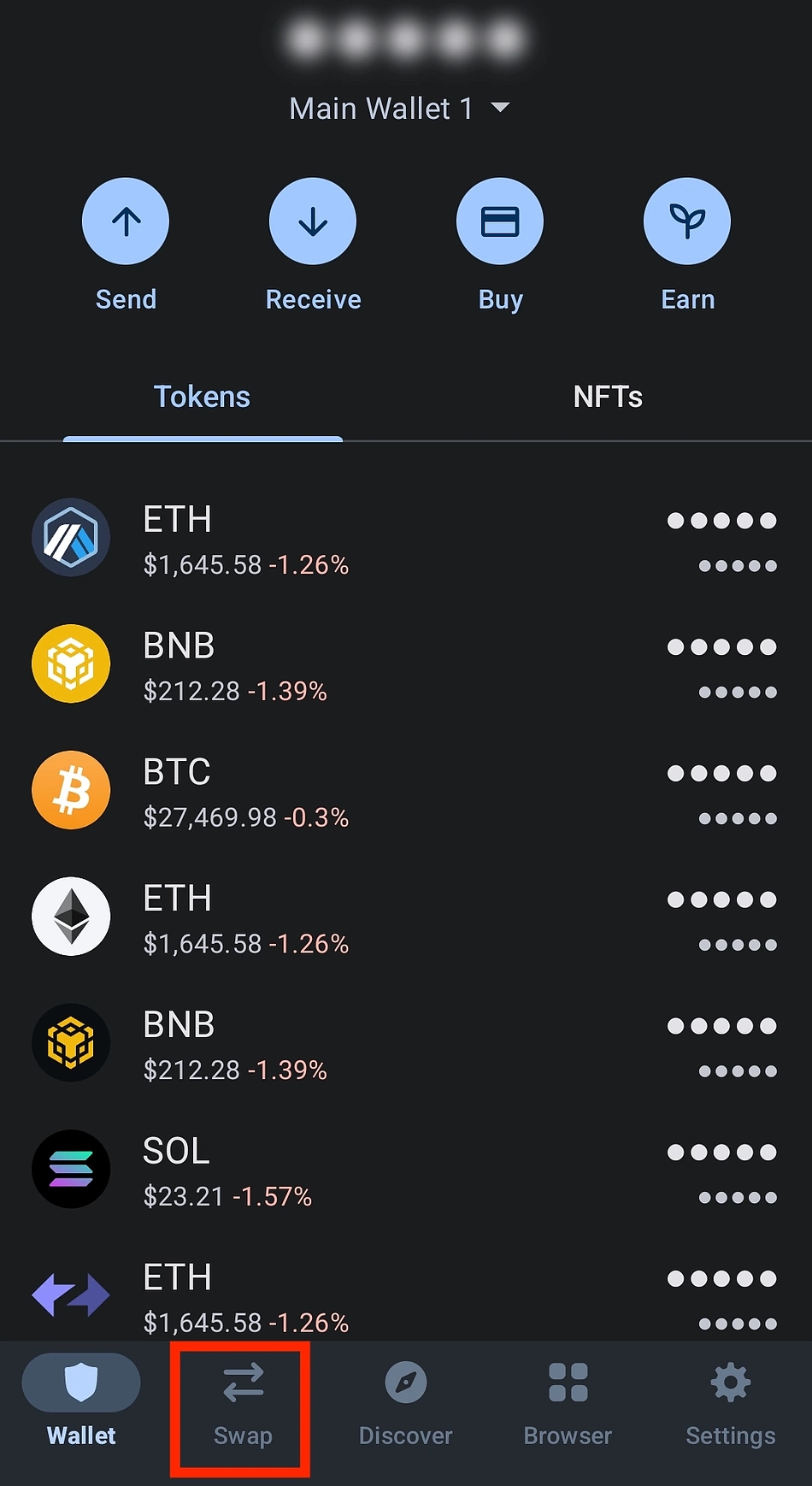
The app functions by maintaining connections to various “nodes” or “RPC (Remote Procedure Call) endpoints” for each supported chain. When you check your balance for a specific token, Trust Wallet’s backend infrastructure queries the relevant blockchain in real-time to pull the data, formatting it into a unified display. This abstraction layer is what allows a non-technical user to manage complex, multi-chain portfolios without needing to understand the underlying differences in how each blockchain handles data.
Smart Contract Interaction and Token Standards
Trust Wallet is engineered to recognize and interact with various smart contract standards, such as ERC-20, ERC-721 (NFTs), and BEP-20. When a user receives an NFT, the wallet doesn’t just show a transaction hash; it parses the metadata of the smart contract to display the visual media associated with the token. This requires a robust integration with decentralized storage solutions like IPFS (InterPlanetary File System), where the actual image data for NFTs is often hosted.

The Web3 Gateway: dApp Browser and Integration
Beyond being a storage solution, Trust Wallet serves as a functional browser for the decentralized web. This is achieved through a specialized “dApp Browser”—a Web3-equivalent to Chrome or Safari that is built directly into the mobile application.
Connecting to DeFi and NFT Marketplaces
The dApp browser uses a Web3 provider (like an injected Ethereum provider) that allows websites to “speak” to the wallet. When a user visits a decentralized exchange (DEX) or an NFT marketplace, the website requests permission to view the wallet address. If the user approves, a secure bridge is formed.
This technical bridge is what allows for “Smart Contract Calls.” For instance, when a user wants to swap one token for another on a protocol like Uniswap, the dApp sends a transaction request to Trust Wallet. The wallet then presents a “Transaction Confirmation” screen, detailing the gas fees (computational costs) and the specific function being called. This interaction is the backbone of the decentralized finance (DeFi) ecosystem, and Trust Wallet’s implementation is optimized for low-latency communication between the mobile UI and the blockchain.
WalletConnect: Bridging Mobile and Desktop
For users who prefer using decentralized applications on a desktop computer, Trust Wallet utilizes a protocol called WalletConnect. This is an open-source standard that uses a secure WebSocket to establish an encrypted connection between a desktop dApp and the mobile Trust Wallet app via a QR code. This allows the user to keep their private keys on their mobile device (which is generally more secure than a desktop browser extension) while still interacting with large-scale web applications on a bigger screen.
Security Protocols and Open-Source Integrity
In the realm of digital security, “trust” is ironically earned through the elimination of the need to trust a central authority. Trust Wallet employs several layers of technical security to protect the integrity of the software and the data it handles.
Encryption and Biometric Safeguards
At the hardware level, Trust Wallet leverages the secure enclaves found in modern smartphones. On iOS and Android, the app can be configured to require biometric authentication (FaceID, TouchID, or fingerprint sensors) before any sensitive action is taken, such as viewing a seed phrase or signing a transaction.
Furthermore, the data stored on the device is encrypted using industry-standard AES (Advanced Encryption Standard). Even if someone were to gain physical access to the device, the wallet’s data remains encrypted at rest, requiring the user’s passcode or biometric signature to be decrypted.
The Importance of Open-Source Code Audits
A critical aspect of Trust Wallet’s standing in the tech community is its commitment to open-source principles. Much of the core library that Trust Wallet uses—known as the “Wallet Core”—is open-source and available on platforms like GitHub.
Being open-source is a vital security feature in the tech world because it allows independent security researchers and developers to audit the code. They can verify that there are no “backdoors” and that the private keys are indeed being handled locally and securely. This transparency is a fundamental technical requirement for any software that purports to handle high-value digital assets. By allowing the community to inspect its “engine,” Trust Wallet ensures that its security claims are backed by verifiable code rather than just corporate promises.
Conclusion: The Evolution of Mobile Blockchain Software
Trust Wallet represents a sophisticated convergence of mobile app development, advanced cryptography, and decentralized networking. It is more than just an “app”; it is a specialized piece of middleware that translates the complex, often opaque world of blockchain protocols into a functional, secure, and intuitive interface.
By prioritizing non-custodial architecture, multi-chain compatibility, and open-source integrity, Trust Wallet has positioned itself as an essential tool in the Web3 stack. As blockchain technology continues to move toward mass adoption, the technical foundations laid by platforms like Trust Wallet—focusing on user-controlled data and cross-protocol communication—will serve as the blueprint for the next generation of digital interaction. For the tech-savvy user, Trust Wallet is not just a place to store assets, but a powerful engine for participating in the decentralized future.
aViewFromTheCave is a participant in the Amazon Services LLC Associates Program, an affiliate advertising program designed to provide a means for sites to earn advertising fees by advertising and linking to Amazon.com. Amazon, the Amazon logo, AmazonSupply, and the AmazonSupply logo are trademarks of Amazon.com, Inc. or its affiliates. As an Amazon Associate we earn affiliate commissions from qualifying purchases.