
In the world of contemporary marketing and personal branding, few figures have managed to transition from a niche creative to a global powerhouse as effectively as the man the world knows as Travis Scott. However, behind the autotuned melodies and high-octane performances lies a calculated brand architecture that began with a fundamental shift in identity. To understand the phenomenon of Travis Scott, one must first look at the man behind the moniker: Jacques Bermon Webster II.
While “Travis Scott” is the name that fills stadiums and sells out product drops in seconds, “Jacques Webster” is the visionary executive orchestrating a multi-layered brand strategy. This transition from a birth name to a professional persona is not merely a stage requirement; it is a masterclass in brand positioning, narrative building, and the creation of a lifestyle ecosystem that transcends music.
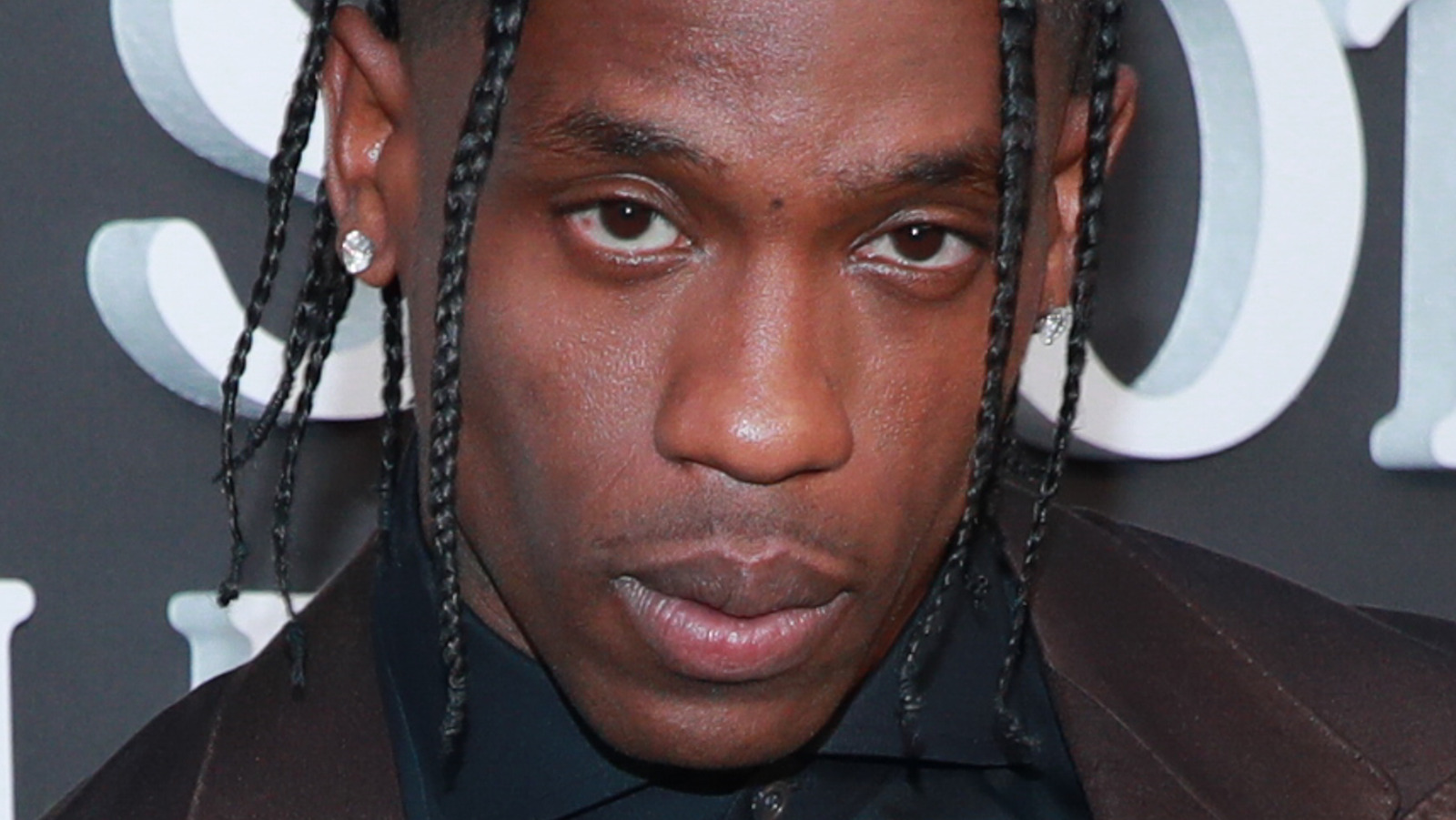
Beyond the Stage Name: The Origins of Jacques Bermon Webster II
Every iconic brand has a founding myth, and for Travis Scott, that myth is rooted in the suburb of Missouri City, Houston. Jacques Bermon Webster II did not choose his stage name at random. It was a deliberate homage—a mixture of his favorite uncle’s name (Travis) and one of his musical inspirations (Kid Cudi, whose real name is Scott Mescudi). This initial act of naming was the first step in constructing a brand that felt personal yet possessed universal marketability.
The Psychology of the Moniker
In branding, a name serves as the first point of contact between a product and a consumer. “Jacques Webster II” carries a certain sophistication and familial weight, but “Travis Scott” offers a punchy, memorable, and phonetically balanced alternative that fits the “rockstar” archetype. By adopting a pseudonym, Webster created a “brand mask.” This allowed him to separate his private persona from the public entity, giving him the creative freedom to build a world—Astroworld—that could be inhabited by fans globally.
In the corporate world, this is akin to a company rebranding to reflect a broader mission. Just as Google transitioned into Alphabet to encompass its various ventures, Jacques Webster utilized “Travis Scott” as the forward-facing interface for a much larger creative engine.
Defining the “Cactus Jack” Umbrella
If Travis Scott is the brand, then Cactus Jack is the holding company. Named as a nod to his father (and his own real surname’s legacy), the Cactus Jack brand serves as the bridge between Jacques Webster the individual and Travis Scott the performer. From a strategic standpoint, Cactus Jack operates as a creative collective and record label that allows Webster to diversify his portfolio.
By leaning into the “Cactus Jack” moniker for his collaborations, Webster ensures that the brand remains grounded in his roots while exploring diverse industries such as fashion, food and beverage, and gaming. This prevents the “Travis Scott” name from becoming overexposed, allowing the sub-brand to carry the weight of commercial partnerships.
Building a Lifestyle Ecosystem: The Art of Brand Integration
Travis Scott’s real name might be the foundation, but his brand’s longevity is built on the pillars of strategic integration. He does not just “endorse” products; he integrates them into his personal narrative. This is the difference between a traditional celebrity spokesperson and a modern brand architect.
The McDonald’s Case Study: Humanizing a Corporate Giant
One of the most significant moments in modern marketing history was the “Travis Scott Meal” at McDonald’s. This partnership was groundbreaking not because of the food—which was a standard Quarter Pounder with specific toppings—but because of the brand alignment. Jacques Webster understood that to make a corporate giant like McDonald’s “cool” again, he needed to inject his personal “Cactus Jack” aesthetic into the experience.
From a branding perspective, this was a massive success in “earned media.” The collaboration utilized the Travis Scott brand to drive Gen Z foot traffic into stores, creating a cultural moment that felt authentic rather than forced. It proved that a personal brand, when managed correctly, could influence the consumer behavior of a legacy corporation.
Nike and Jordan Brand: Scarcity as a Marketing Tool

The partnership between Travis Scott and Nike/Jordan Brand is perhaps the most prestigious in his portfolio. Here, Webster utilizes the “Cactus Jack” aesthetic—earth tones, reversed swooshes, and DIY textures—to create a visual language that is instantly recognizable.
The strategy here is rooted in the economics of scarcity. By limiting supply and leaning into his status as a tastemaker, Webster has turned every sneaker release into a high-stakes event. This maintains the premium status of his brand, ensuring that despite his massive mainstream appeal, the “Travis Scott” name remains synonymous with exclusivity and “street cred.”
Strategic Visual and Auditory Identity
A brand is more than just a name or a logo; it is an emotional resonance. Jacques Webster has meticulously crafted the Travis Scott “vibe”—a dark, psychedelic, and high-energy aesthetic that permeates every facet of his output.
The “Astroworld” Era: World-Building in Marketing
The release of the Astroworld album was a defining moment in brand world-building. Webster didn’t just release music; he resurrected a defunct Houston theme park in the minds of his fans. He created a physical and digital space where the “Travis Scott” brand could live.
Through the use of giant inflatable heads, carnival-themed merchandise, and an annual festival, he transformed his identity into a destination. This is a strategy often used by luxury brands (like the “World of Chanel”) to create an immersive experience that justifies high price points and fosters intense brand loyalty. For Webster, Astroworld was the ultimate proof of concept: his brand could exist as a tangible environment.
Maintaining Authenticity in Mass-Market Commercialization
The greatest risk to any personal brand is the loss of authenticity. As Jacques Webster scaled his business, the “Travis Scott” persona faced the challenge of remaining “underground” while being globally ubiquitous. He solved this by maintaining a consistent visual language.
Whether he is appearing in a Fortnite concert or a high-fashion campaign for Dior, the aesthetic remainders of his brand—the distressed fonts, the lo-fi video filters, and the “La Flame” energy—stay constant. This consistency tells the consumer that while the platform may change, the brand’s core values remain intact.
The Future of Personal Branding in the Digital Age
As we look toward the future, the evolution of Jacques Webster into Travis Scott provides a blueprint for the next generation of entrepreneurs and creatives. He has demonstrated that in the digital age, a name is a modular asset.
Lessons for Modern Entrepreneurs
The success of Travis Scott offers several key takeaways for brand strategists:
- Identity Control: You don’t have to be defined by your starting point. Jacques Webster redefined himself to fit a specific market gap.
- Cross-Industry Fluidity: A strong brand should be able to move between music, fashion, and tech without losing its soul.
- Community Over Customers: Webster doesn’t just have customers; he has a “Rage” culture. Building a community around a brand ensures long-term viability.

From Musician to Multi-Hyphenate Corporate Consultant
Today, Travis Scott is often called upon by major corporations not just for his face, but for his brain. Jacques Webster operates as a creative consultant, helping brands navigate the complexities of youth culture. This transition from “talent” to “strategist” is the ultimate goal of personal branding. He has successfully commodified his taste, making his “real name” irrelevant in the face of the massive intellectual property he has built.
In conclusion, while the answer to “what is Travis Scott’s real name” is Jacques Bermon Webster II, the more profound answer lies in what that name represents. It represents the foundation of a modern empire built on the strategic manipulation of identity, the mastery of corporate collaboration, and a relentless commitment to a singular visual and cultural vision. Travis Scott is no longer just a person; he is a global trademark, a creative agency, and a case study in the power of a perfectly executed brand strategy. Through the lens of Jacques Webster’s ambition, we see that a name is only the beginning—the real work lies in the world you build around it.
aViewFromTheCave is a participant in the Amazon Services LLC Associates Program, an affiliate advertising program designed to provide a means for sites to earn advertising fees by advertising and linking to Amazon.com. Amazon, the Amazon logo, AmazonSupply, and the AmazonSupply logo are trademarks of Amazon.com, Inc. or its affiliates. As an Amazon Associate we earn affiliate commissions from qualifying purchases.