
In the world of Italian hospitality, a “trattoria” is traditionally defined as a mid-tier eating establishment—less formal than a ristorante but more permanent and structured than an osteria. However, in the contemporary landscape of brand strategy and corporate identity, the concept of a “Trattoria” has evolved into a powerful metaphor for a specific type of brand archetype: one that balances professional excellence with intimate, community-driven authenticity.
When we ask “What is Trattoria?” through the lens of modern branding, we are not merely discussing a place to consume pasta. We are analyzing a sophisticated framework for building brand equity through warmth, reliability, and human-centric design. This article explores how the Trattoria model serves as a blueprint for brands looking to escape the sterility of corporate aesthetics in favor of a more resonant, “lived-in” brand identity.
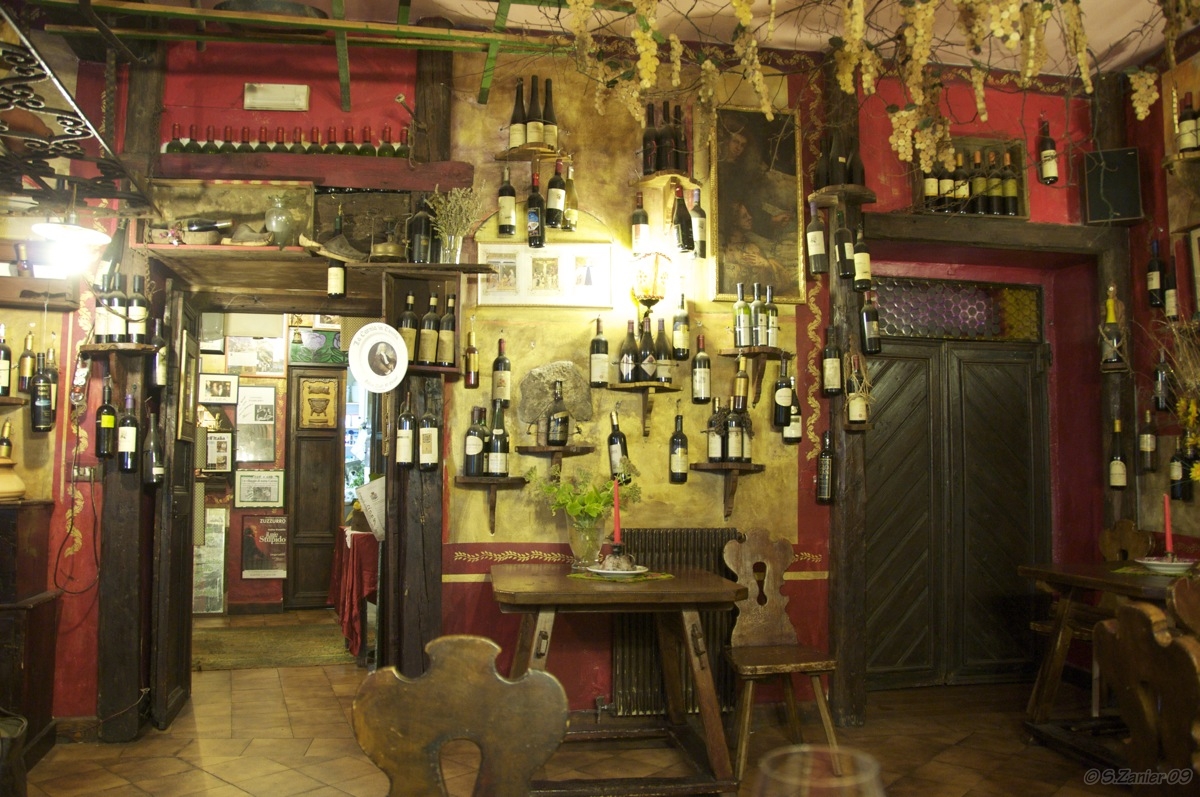
The Anatomy of a Trattoria: Beyond the Italian Kitchen
To understand the Trattoria as a brand strategy, one must look at its core components. Unlike high-end luxury brands that focus on exclusivity and distance, the Trattoria model thrives on proximity and accessibility. It represents a brand that is an expert in its craft but remains approachable to its audience.
Community-Centric Identity
At the heart of any successful trattoria is its relationship with its locale. In branding, this translates to “Hyper-Localization.” A Trattoria-style brand does not try to be everything to everyone; instead, it seeks to be the “third place” for a specific community. This involves developing a brand voice that speaks the local dialect—whether that is literal language or the specific cultural nuances of a digital subculture. By positioning a brand as a community pillar, companies can foster a level of loyalty that purely transactional brands can never achieve.
The Power of Unpretentious Excellence
A common mistake in brand strategy is the assumption that “premium” must equal “stiff.” The Trattoria model challenges this. It delivers high-quality “products” (traditionally food, but in this context, services or goods) without the barrier of elitism. This is “Unpretentious Excellence.” In terms of design, this means moving away from overly polished, “Stock Photo” aesthetics toward textures, hand-drawn elements, and a “perfectly imperfect” visual identity that suggests human hands were involved in the process.
Scaling the “Trattoria Mentality” in Modern Brand Strategy
The greatest challenge for any brand today is scaling without losing its soul. As companies grow, they often trade their unique personality for standardized processes. The Trattoria framework provides a method for maintaining intimacy even as a brand expands its global footprint.
Building Emotional Equity
Emotional equity is the “reserve of goodwill” a customer has for a brand. Trattoria-style brands build this by prioritizing the “service” over the “sale.” In digital marketing, this might manifest as content that provides genuine value without a constant call to action. It’s the brand equivalent of a complimentary glass of wine while you wait for your table. By investing in these small, non-transactional interactions, brands create a sense of belonging that translates into long-term retention.
The Role of Human-Centric Design
In the tech-heavy 21st century, brand identity is often mediated through screens. To implement a Trattoria strategy, the user experience (UX) must feel human. This means moving beyond rigid grids and sterile white space toward layouts that feel organic and inviting. Brand voice plays a massive role here; instead of corporate jargon, the “Trattoria Brand” uses conversational, transparent language. It admits mistakes, shares behind-the-scenes stories, and treats the customer as a guest rather than a data point.
Corporate Identity vs. The Trattoria Approach

Many established corporations are currently undergoing “rebranding” phases to adopt a Trattoria-like feel because they have realized that their current “Corporate Identity” is perceived as cold and untrustworthy.
Overcoming the “Cold” Corporate Image
The traditional corporate identity is built on the pillars of efficiency, scale, and dominance. While these are great for shareholders, they often alienate the modern consumer who craves authenticity. The Trattoria approach softens this image. It introduces the “Founder’s Story” or the “Artisan’s Perspective” into the marketing mix. By highlighting the people behind the brand, a corporation can pivot from being a faceless entity to a collective of passionate individuals. This shift is essential for brands looking to attract Gen Z and Millennial consumers, who prioritize “purpose” and “personality” in their purchasing decisions.
Personalization as a Competitive Edge
In a world of AI-driven mass marketing, true personalization is the ultimate luxury. A trattoria owner knows your name and your favorite order. In modern branding, this doesn’t necessarily mean “Dynamic Tagging” in an email; it means “Psychographic Alignment.” It’s about creating niche offerings that make the customer feel seen. When a brand adopts the Trattoria model, it shifts its KPI (Key Performance Indicator) from “Reach” to “Depth.” It is better to have 1,000 “regulars” who advocate for the brand than 100,000 passive followers who have no emotional connection to the identity.
Case Studies: Brands That Successfully Use the Trattoria Model
To see the Trattoria brand strategy in action, we can look at several global players who have successfully integrated “small-scale warmth” into “large-scale operations.”
From Tech Giants to Boutique Labels
Consider a brand like Airbnb. While it is a multi-billion dollar tech platform, its entire brand strategy is built on the Trattoria principle of “Belonging.” Their “Bélo” logo and their focus on “hosting” rather than “renting” are direct attempts to create a sense of community and local intimacy on a global scale. They have successfully branded the experience of staying in a stranger’s home as an invitation to a global dinner table.
Similarly, Patagonia utilizes the Trattoria model by focusing on shared values and craftsmanship over raw profit. Their “Worn Wear” program—encouraging customers to repair old gear rather than buy new—is the brand equivalent of a local shopkeeper fixing your shoe because they care about the craft, not just the transaction. This builds a brand identity that is rooted in integrity and a specific, shared worldview.
Lessons in Localized Global Branding
Starbucks provides a cautionary and then evolutionary tale. In its early days, it aimed to be the “Third Place”—a literal Americanized version of the Italian coffee culture. As it scaled, it became a “Ristorante” (formal/corporate) and then a “Fast Food” entity, losing its Trattoria soul. In recent years, their “Reserve Roastery” locations are a strategic pivot back toward the Trattoria model: high-end, localized, experiential, and focused on the “theatre” of the craft.
Implementing the Trattoria Brand Framework
If you are looking to revitalize a brand or launch a new one, the Trattoria framework offers a sustainable path to relevance.
Narrative Storytelling
Every Trattoria has a story—usually one involving family, tradition, or a specific region. Your brand needs a “Origin Myth” that isn’t just a list of accomplishments. It needs to be a narrative of struggle, passion, and purpose. This story should be woven into every touchpoint, from the “About Us” page to the packaging design. The goal is to make the customer feel like they are part of a continuing story, not just a one-off buyer.

Sustainable Community Engagement
Finally, a Trattoria brand must be an active participant in its ecosystem. This means moving beyond “Social Responsibility” as a tax write-off and toward “Community Integration.” This could involve collaborating with local artists, sponsoring niche events, or creating digital forums where customers can interact with each other.
The Trattoria brand is not a destination; it is a relationship. By focusing on the qualities that have made the Italian trattoria a beloved institution for centuries—warmth, authenticity, quality, and community—modern brands can create a lasting identity that survives the volatility of market trends. In the end, “What is Trattoria?” is an invitation to build a brand that feels like home.
aViewFromTheCave is a participant in the Amazon Services LLC Associates Program, an affiliate advertising program designed to provide a means for sites to earn advertising fees by advertising and linking to Amazon.com. Amazon, the Amazon logo, AmazonSupply, and the AmazonSupply logo are trademarks of Amazon.com, Inc. or its affiliates. As an Amazon Associate we earn affiliate commissions from qualifying purchases.