
Eyelash tinting, a cosmetic procedure involving the application of semi-permanent dye to the natural lashes, is often discussed in the context of beauty and personal grooming. However, when viewed through the lens of business finance and online income generation, it represents a high-margin, low-overhead entry point into the lucrative aesthetics industry. For entrepreneurs, side-hustlers, and established salon owners, understanding the “what” of eyelash tinting is secondary to understanding the “how much”—specifically, how this service functions as a reliable engine for recurring revenue and high return on investment (ROI).
The Macro-Economic Landscape of Semi-Permanent Cosmetics
The global beauty and personal care market is valued at over $500 billion, but the real growth is concentrated in the “effortless beauty” sub-sector. Eyelash tinting sits at the heart of this trend. Consumers are increasingly shifting their discretionary spending away from daily-use cosmetics toward semi-permanent treatments that reduce morning prep time. This shift is not just a fashion trend; it is a fundamental change in consumer behavior that has created a robust financial opportunity.
The Shift Toward “Efficiency Luxury”
In a post-pandemic economy, the “Lipstick Effect”—the theory that consumers will still buy small luxury items even during an economic downturn—has evolved. Today’s consumers prioritize services that offer long-term value. Eyelash tinting provides a visible aesthetic upgrade for a relatively low price point, making it an “affordable luxury” that remains resilient even when larger discretionary spends are curtailed. For the service provider, this means a steady stream of income that is less sensitive to market volatility than high-ticket items like plastic surgery or expensive laser treatments.
Demographic Spending Habits and Market Penetration
The target demographic for eyelash tinting has expanded significantly. While traditionally aimed at women aged 25–45, the market now encompasses busy professionals across all genders, as well as an aging population seeking to restore the appearance of thinning or lightening lashes. From a financial perspective, this broadening demographic lowers the cost of customer acquisition (CAC). When a service appeals to a wider audience, marketing spend becomes more efficient, allowing for a higher net profit margin per lead generated.
Dissecting the Unit Economics of Eyelash Tinting
To understand why eyelash tinting is a “Money” topic, one must look at the unit economics. Unit economics refers to the direct revenues and costs associated with a single service. In the world of aesthetics, few services offer a more favorable ratio than tinting.
Initial Capital Expenditure (CapEx)
Unlike high-tech beauty services that require $50,000 laser machines, the startup cost for eyelash tinting is remarkably low. The primary requirements are professional certification (which varies by jurisdiction but is generally affordable), a sanitary workspace, and a professional-grade tinting kit. For an independent contractor or a side-hustler, the initial investment can often be recovered within the first ten appointments. This low barrier to entry makes it an ideal “low-risk, high-reward” venture for those looking to diversify their income streams.
Per-Service Variable Costs
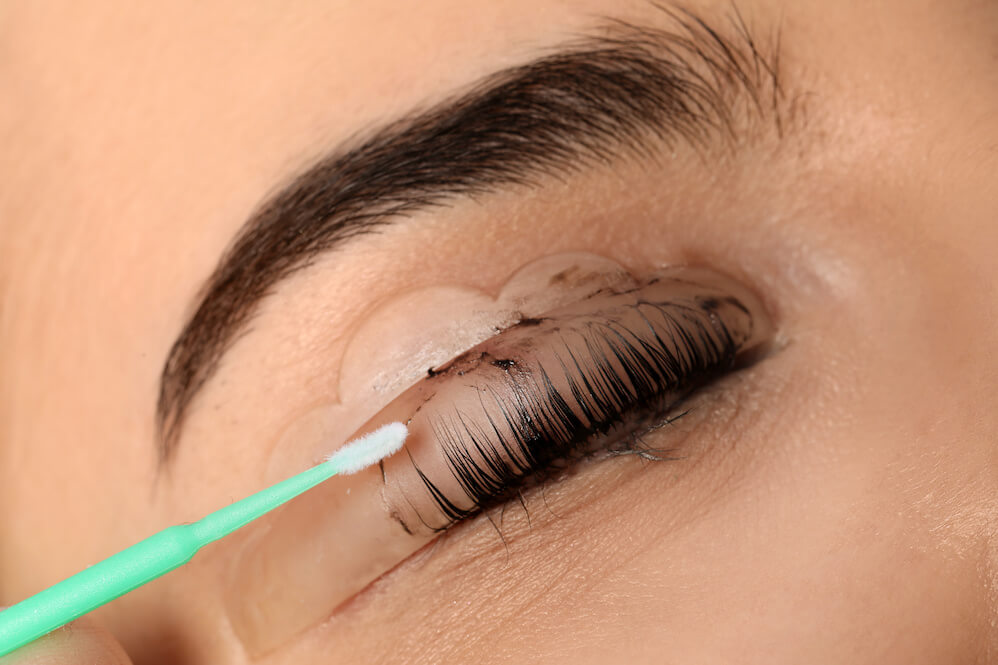
The variable cost—the cost of the actual dye, developer, undereye pads, and micro-brushes used during one treatment—is negligible. On average, the product cost per service ranges from $1.50 to $3.00. Given that the average market price for a professional lash tint ranges from $20 to $75 depending on the region and the prestige of the establishment, the gross margin is often upwards of 90%. In the world of business finance, a 90% gross margin is an outlier that signifies immense scalability.
Labor and Time Management
Time is the most valuable asset in any service-based business. An eyelash tinting procedure typically takes 15 to 30 minutes. When we calculate the “Revenue Per Productive Hour,” tinting excels. If a provider charges $40 for a 20-minute service, the hourly revenue potential is $120. Even after accounting for fixed overhead (rent, utilities, insurance), the net profit per hour remains significantly higher than many other labor-intensive beauty services like full-body massages or intricate nail art.
Revenue Optimization and Strategic Pricing Models

Simply offering a service is not enough to ensure financial success. To maximize the “Money” aspect of eyelash tinting, providers must employ sophisticated pricing and marketing strategies that drive both volume and loyalty.
Competitive Benchmarking and Value-Based Pricing
Pricing should not be a “race to the bottom.” While it is important to be aware of local competitors, savvy entrepreneurs use value-based pricing. This involves positioning the service not just as “darker lashes,” but as a time-saving solution for the working professional. By branding the service as a “Morning Routine ROI,” providers can command premium prices. Furthermore, geographic arbitrage—setting up services in high-income urban centers while maintaining low supply costs—can further widen profit margins.
The Subscription and Membership Model
One of the most powerful tools in personal finance and business growth is recurring revenue. Eyelash tints are not permanent; they last between four and six weeks. This creates a natural “subscription” cycle. By offering a membership model (e.g., $35 a month for a recurring tint), businesses can secure predictable cash flow. For the client, it’s a discounted convenience; for the business, it’s a guaranteed “Customer Lifetime Value” (CLV). Predictable cash flow is the bedrock of financial stability, allowing a side hustle to scale into a full-time corporate entity.
Upselling and Cross-Pollination of Services
Eyelash tinting is rarely a standalone financial strategy. It serves as a “gateway service.” Once a client trusts a provider with their eyes, the barrier to selling higher-ticket items—such as lash lifts, brow lamination, or premium skincare products—drops significantly. From a marketing perspective, the tinting service acts as a low-cost “loss leader” or “entry-point offer” that fuels a multi-tiered sales funnel, ultimately increasing the average transaction value (ATV).
Financial Scalability and Long-term Growth
For those looking beyond a simple side hustle, eyelash tinting offers a pathway to scalable business models and long-term wealth creation.
Portfolio Diversification in Aesthetics
An investor or entrepreneur doesn’t need to be the one performing the service. The “Money” move is to build a specialized “Lash & Brow Bar” and hire certified technicians. By moving from a “Self-Employed” model to a “Business Owner” model, one can leverage the labor of others to generate passive or semi-passive income. Because the overhead for a tint-focused boutique is lower than a full-service spa, the “Break-Even Point” (the moment when total revenue equals total costs) is reached much faster.
Mitigating Financial Risk and Compliance
No discussion of money is complete without a look at risk management. The aesthetics industry carries liability risks. To protect one’s financial assets, it is imperative to invest in professional liability insurance and adhere to strict health and safety protocols. From a financial planning perspective, the cost of insurance is a “necessary friction” that prevents a single legal claim from bankrupting the business. Additionally, staying compliant with local tax laws—especially when dealing with a high volume of small cash or digital transactions—is crucial for long-term financial health and potential future business valuation.
The Exit Strategy: Valuation of a Niche Beauty Business
If built correctly, a business centered on high-margin services like eyelash tinting can be sold. Acquirers look for businesses with high recurring revenue, low customer churn, and strong brand equity. By meticulously documenting financial records and maintaining a high profit-margin-to-overhead ratio, an entrepreneur can eventually exit the business for a multiple of their annual earnings. This turns a simple beauty service into a significant capital asset.

Conclusion: The Financial Verdict on Eyelash Tinting
What is eyelash tinting? In the world of beauty, it is a pigment application. In the world of Money, it is a high-yield, low-volatility financial instrument. It offers the rare combination of low startup costs, minimal variable expenses, and high recurring demand.
Whether you are looking to start a side hustle to supplement your income, or you are an investor looking to enter the aesthetics market, the economic fundamentals of eyelash tinting are undeniably strong. By focusing on unit economics, recurring revenue models, and strategic upselling, this simple cosmetic procedure can become a cornerstone of a robust financial portfolio. In an era where time is the ultimate currency, services that sell “time-saving beauty” will always be in high demand, making eyelash tinting a smart, strategic, and profitable venture.
aViewFromTheCave is a participant in the Amazon Services LLC Associates Program, an affiliate advertising program designed to provide a means for sites to earn advertising fees by advertising and linking to Amazon.com. Amazon, the Amazon logo, AmazonSupply, and the AmazonSupply logo are trademarks of Amazon.com, Inc. or its affiliates. As an Amazon Associate we earn affiliate commissions from qualifying purchases.