
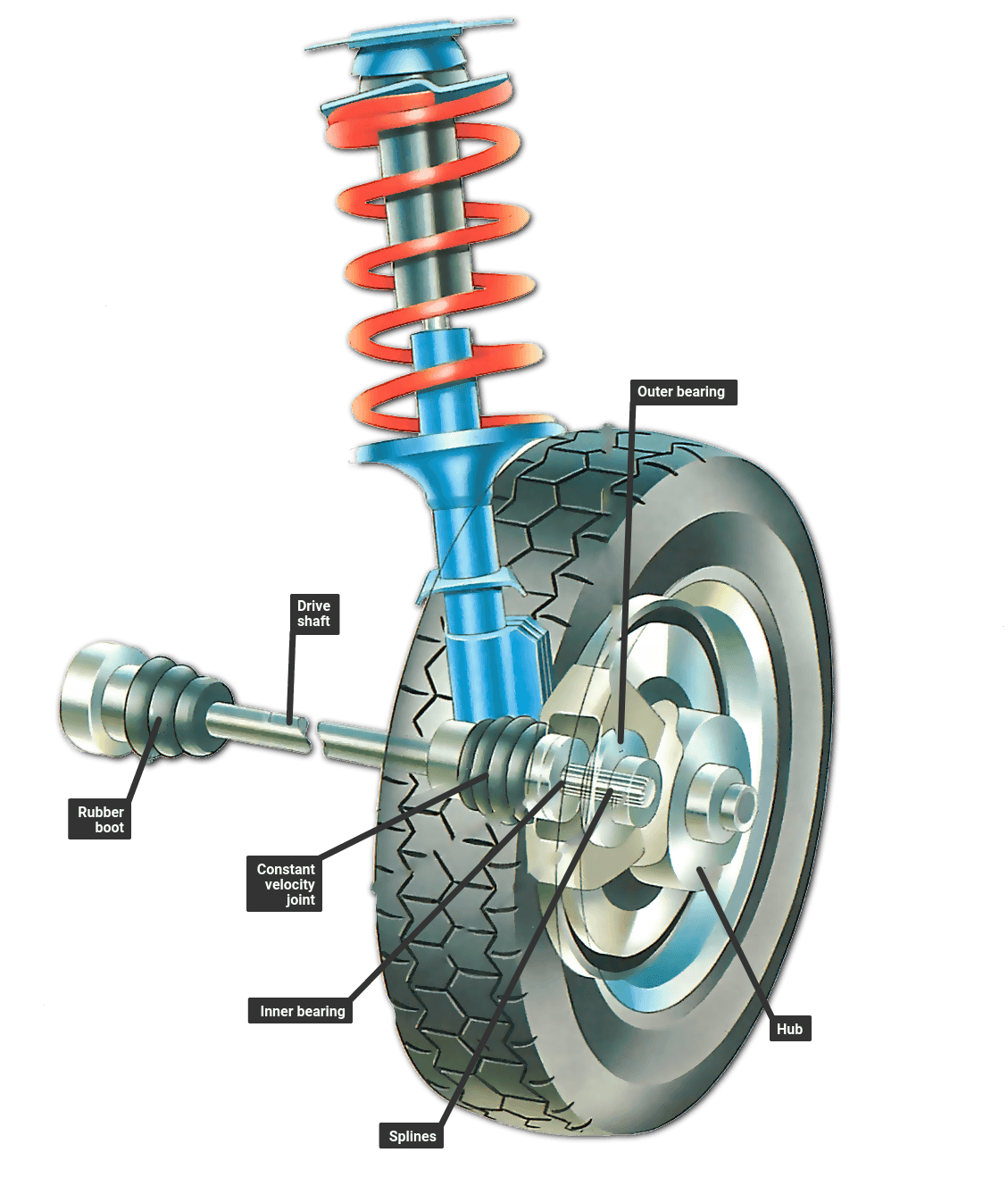
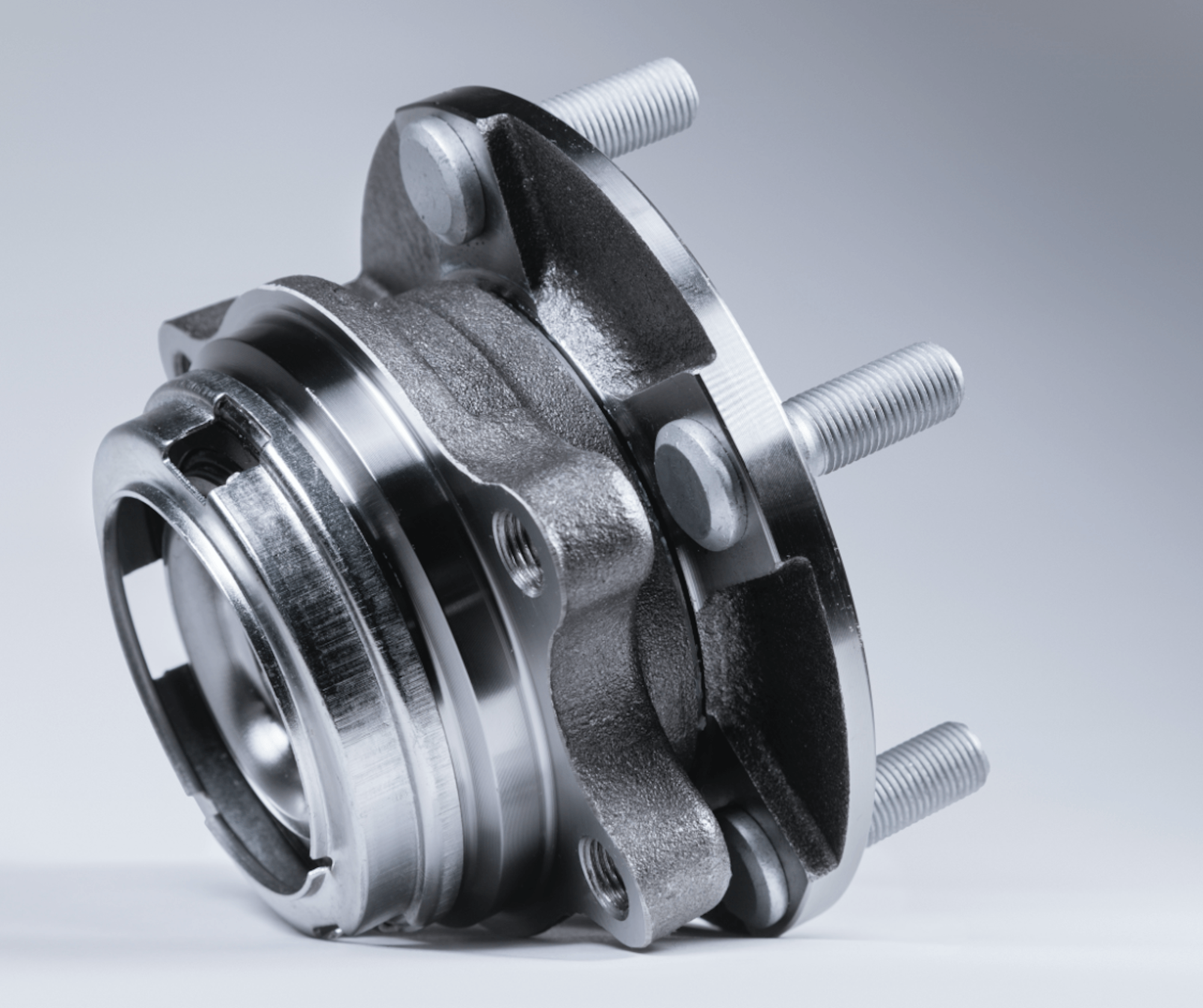
In the rapidly evolving landscape of modern mobility, the definition of hardware is undergoing a radical transformation. For decades, if you asked an engineer “what is the wheel hub,” the answer would have been purely mechanical: a central component that connects the wheel to the vehicle’s axle, housing the bearings that allow for smooth rotation. However, in the era of the Internet of Things (IoT), autonomous driving, and vehicle electrification, the wheel hub has transitioned from a passive metal casting into a sophisticated “smart node.”
Today, the wheel hub sits at the epicenter of vehicle intelligence. It is no longer just a structural component; it is a critical piece of tech infrastructure that gathers real-time data, manages energy recovery, and facilitates the complex communication between a vehicle’s peripheral hardware and its central processing unit. To understand the modern wheel hub is to understand the future of edge computing and sensor integration in the tech industry.
The Evolution of Hub Technology: From Mechanical to Digital
The transition of the wheel hub from a simple rotation point to a high-tech sensor platform represents a broader trend in the “smartification” of industrial hardware. As we move toward fully autonomous systems, the demand for high-fidelity data from every corner of the machine has never been higher.
Smart Sensors and Telematics Integration
The modern wheel hub is now an sophisticated housing for an array of sensors. Beyond the standard Anti-lock Braking System (ABS) sensors, contemporary hubs are being equipped with piezoelectric sensors and accelerometers that monitor vibration, temperature, and load distribution in real-time. This tech integration allows the vehicle’s onboard computer to “feel” the road surface. By analyzing the frequency of vibrations through the hub, software can adjust suspension settings or alert the driver to hydroplaning risks before the human senses can even detect a change in traction.
The Role of AI in Predictive Maintenance
One of the most significant technological leaps in hub design is the implementation of AI-driven predictive maintenance. In the past, a hub failure—usually due to bearing wear—was only detected through physical noise or catastrophic failure. Today, tech companies are developing digital twin models of wheel hubs. By feeding real-time data from the hub’s sensors into a machine learning algorithm, fleet operators can predict the exact remaining lifespan of the component. This shift from “reactive” to “proactive” maintenance is a cornerstone of the modern tech-heavy logistics industry, reducing downtime and optimizing the supply chain.
Architecture of the Modern Digital Hub
When we look at the wheel hub through a tech lens, we see a complex architecture that mimics a localized network. It functions as an “Edge” device, processing data locally before sending it to the vehicle’s main gateway. This architecture is necessary to reduce latency, especially in autonomous vehicles where a millisecond delay in data transmission can be the difference between a safe stop and a collision.
Embedded Systems and Microcontrollers
The interior of a high-end wheel hub now contains specialized microcontrollers designed to operate in extreme environments. These embedded systems must withstand high thermal loads from braking and intense kinetic shocks from road debris. These chips are tasked with pre-filtering raw sensor data. Instead of sending a constant stream of noisy data to the vehicle’s central ECU (Electronic Control Unit), the smart hub processes the signal locally, sending only relevant “state changes” or “anomaly alerts.” This efficiency is a hallmark of modern IoT architecture.
Communication Protocols: CAN Bus and Automotive Ethernet
The connectivity of the wheel hub is what truly defines it as a piece of tech hardware. Traditionally, hubs communicated via simple analog signals. Modern iterations utilize the Controller Area Network (CAN bus) or, increasingly, Automotive Ethernet. This high-bandwidth connectivity allows the wheel hub to be part of a larger ecosystem. For instance, in a smart city environment, the data collected by a wheel hub about road ice or potholes can be uploaded to the cloud, informing other vehicles in the network about potential hazards. The hub, in this context, is a data-harvesting tool for the “connected car” movement.

Electrification and the Rise of In-Wheel Motor Tech
The most disruptive trend in this space is the emergence of “In-Wheel Motors” (IWM). This technology reimagines the wheel hub not just as a part that holds the wheel, but as the engine itself. This represents a total decentralization of vehicle power, moving the propulsion system from under the hood directly into the hub assembly.
Decentralizing Power: The Shift from Engines to Hubs
In-wheel motor technology integrates the electric motor, the braking system, and the hub into a single, compact unit. This tech trend is a game-changer for vehicle design, as it eliminates the need for transmissions, drive shafts, and differentials. From a software perspective, this provides unprecedented control. Each wheel hub can be controlled independently by a central AI, allowing for “tank turns” or lateral movements that were previously impossible. This level of granular control is the result of sophisticated software-defined hardware.
Efficiency and Torque Vectoring Software
The “tech” in the wheel hub is nowhere more apparent than in torque vectoring. This is a software-driven process where the computer calculates the optimal amount of power to send to each individual hub based on steering angle, G-force, and tire slip. By adjusting the torque at the hub level in microseconds, the software can effectively “steer” the vehicle through power distribution. This maximizes energy efficiency—a key metric in the tech world—ensuring that not a single watt of battery power is wasted on unnecessary friction or wheel spin.
Cybersecurity in the Connected Hub
As the wheel hub becomes more integrated into the vehicle’s digital network, it also becomes a potential entry point for cyberattacks. In the tech industry, any device that generates data and communicates over a network is a “surface” that must be defended.
Vulnerabilities in Edge Computing
The “smart hub” is essentially an IoT device, and like all IoT devices, it is susceptible to exploits. If a malicious actor were able to intercept the data coming from a wheel hub’s sensors, they could potentially feed false information to the vehicle’s autonomous driving system. For example, by spoofing a “zero traction” signal, a hacker could trigger an emergency brake sequence. This makes the security of the hub’s firmware just as important as the strength of its steel.
Encryption and Data Integrity for Autonomous Systems
To combat these risks, tech firms are implementing robust encryption standards for hub-to-ECU communication. We are seeing the introduction of Hardware Security Modules (HSMs) within the hub assembly itself. These modules ensure that the data being transmitted is authenticated and has not been tampered with. In the world of tech-enabled transport, data integrity is the new safety standard. Ensuring that the wheel hub is “secure by design” is now a primary focus for engineers and software developers alike.
Conclusion: The Hub as the Foundation of Future Mobility
Returning to the original question—”what is the wheel hub”—we find that in a modern context, it is a sophisticated piece of digital architecture. It is the point where the physical world of friction and movement meets the digital world of data and algorithms.
From its role as a sensor-laden edge device to its future as a decentralized propulsion system, the wheel hub is a microcosm of the broader tech industry. It reflects the shift toward software-defined hardware, the importance of real-time data analytics, and the critical need for cybersecurity in a connected world. As we look toward a future defined by autonomous transit and smart cities, the wheel hub will remain one of the most important, albeit hidden, pieces of technology in our lives. It is no longer just about keeping the car rolling; it is about keeping the data flowing.
aViewFromTheCave is a participant in the Amazon Services LLC Associates Program, an affiliate advertising program designed to provide a means for sites to earn advertising fees by advertising and linking to Amazon.com. Amazon, the Amazon logo, AmazonSupply, and the AmazonSupply logo are trademarks of Amazon.com, Inc. or its affiliates. As an Amazon Associate we earn affiliate commissions from qualifying purchases.