
In the modern era of the “Connected Home,” we often focus on smart lighting, automated climate control, and voice-activated assistants. However, one of the most critical infrastructures of the household—the plumbing system—is undergoing a digital transformation. For years, the question “what is the water pressure for a house?” was answered by a simple mechanical gauge and a manual pressure-reducing valve. Today, that answer has evolved into a sophisticated data point managed by Internet of Things (IoT) sensors, artificial intelligence, and high-tech hardware.
Understanding your home’s water pressure is no longer just a matter of ensuring a comfortable shower; it is about infrastructure health, resource conservation, and the integration of fluid dynamics into the broader smart home ecosystem. In this deep dive, we explore the technology behind residential water pressure management and how the latest gadgets are redefining how we interact with our utilities.
The Digital Evolution of Plumbing: How IoT is Revolutionizing Residential Water Pressure
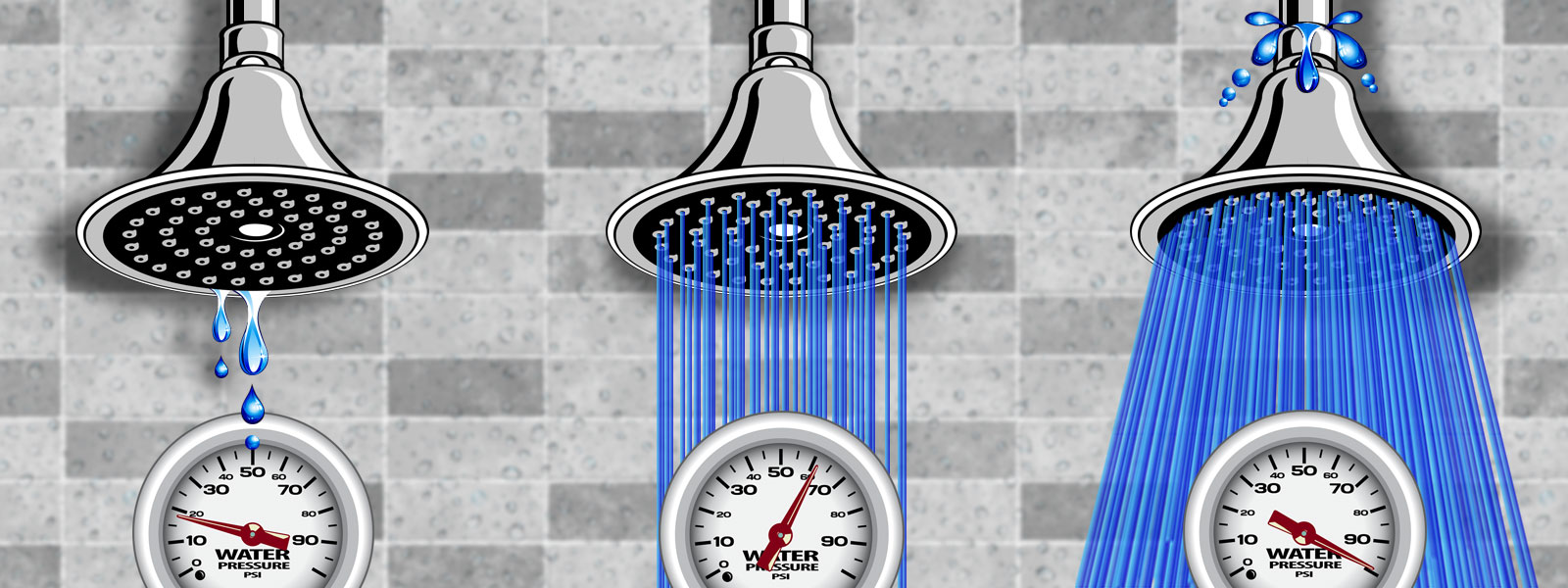
The standard “healthy” water pressure for a residential property typically falls between 40 and 60 pounds per square inch (PSI). While mechanical regulators have maintained this range for decades, they are “dumb” devices—they cannot alert a homeowner to a gradual failure or a sudden surge. The tech industry has stepped in to fill this gap with smart pressure management systems.
Smart Pressure Regulators and Digital Gateways
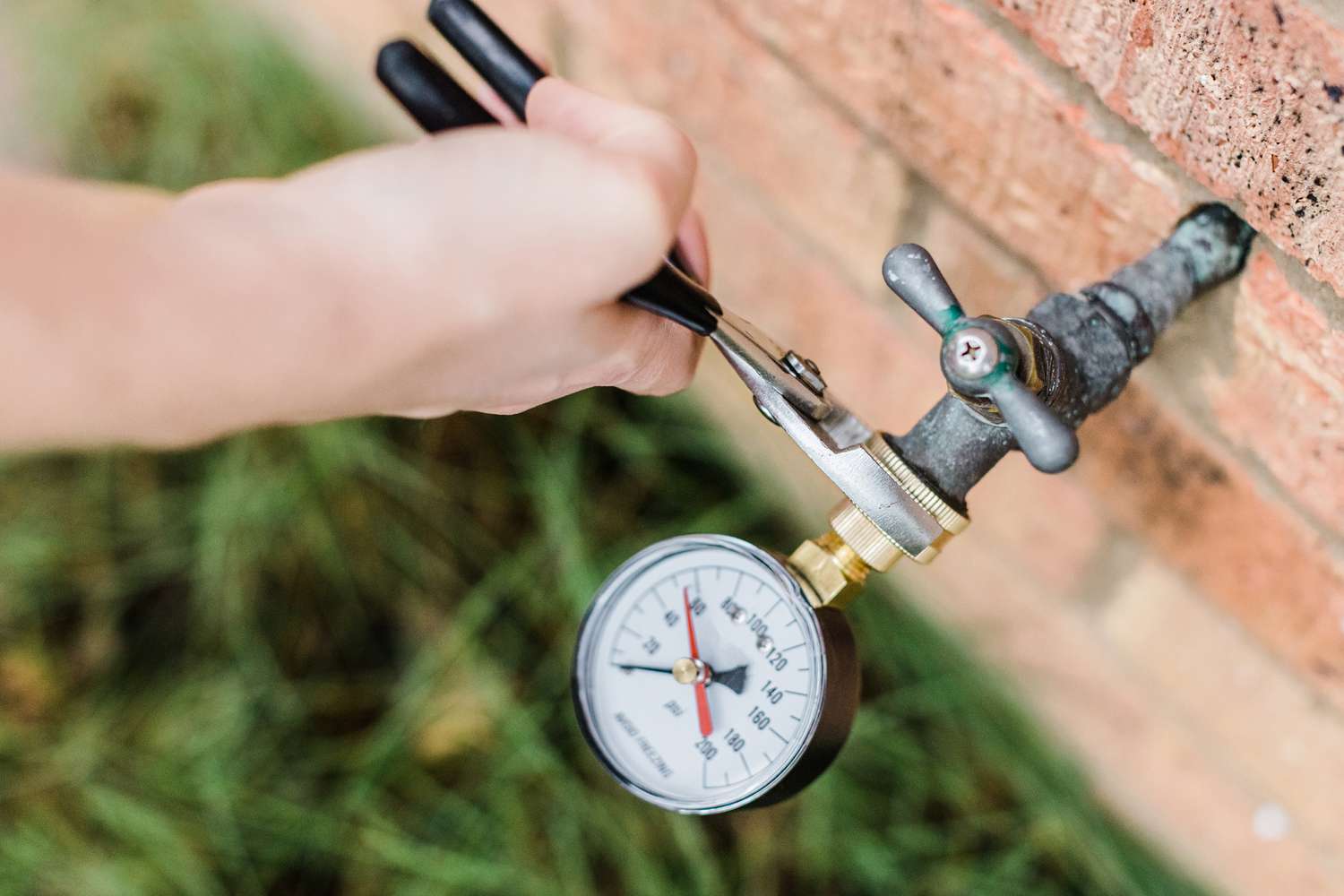
The centerpiece of the modern high-tech utility closet is the Smart Pressure Reducing Valve (sPRV). Unlike traditional valves, these devices are equipped with digital actuators and internal sensors that communicate via Wi-Fi or Matter protocols. These gateways allow homeowners to monitor their PSI in real-time through dedicated mobile applications. If the municipal supply surges—a common cause of pipe bursts—the digital regulator can automatically adjust or shut off the flow, sending a push notification to the user’s smartphone.
Real-Time Monitoring with IoT Sensors
Beyond the main intake, a network of IoT sensors can now be distributed throughout the home. These sensors utilize Micro-Electromechanical Systems (MEMS) to detect minute changes in pressure and vibration. By placing these sensors near high-value appliances like dishwashers or tankless water heaters, the system creates a “digital twin” of the home’s water usage. This allows for granular data collection, identifying exactly how much pressure is being delivered to different zones of the house and ensuring that tech-heavy appliances operate within their manufacturer-specified tolerances.
Predictive Maintenance: Using AI to Prevent Water Pressure-Related Disasters
The intersection of artificial intelligence and home maintenance is perhaps most evident in leak detection and pressure stabilization. High water pressure is a leading cause of “silent” leaks—micro-fissures in copper or PEX piping that go unnoticed until catastrophic mold or structural damage occurs. AI-driven platforms are now the frontline defense against these invisible threats.
Machine Learning Algorithms for Leak Detection
Modern smart water monitors, such as those developed by companies like Phyn or Moen (Flo), utilize machine learning to analyze the “signature” of water flow. Every fixture in a house—from a high-efficiency toilet to a rainfall showerhead—has a unique pressure and flow profile. AI algorithms learn these patterns over time. If the system detects a pressure drop or a flow pattern that doesn’t match a known household “signature,” it identifies it as a potential leak. The tech is so advanced that it can distinguish between a running faucet and a pinhole leak behind a wall, allowing for surgical repairs rather than broad demolition.
Data-Driven Insights for Optimal Flow Rates
Data analytics are also being used to optimize the “Goldilocks zone” of water pressure. By analyzing historical usage data, AI can suggest the optimal PSI for a specific household’s needs. For instance, if the system detects that the family is away for a week (based on integration with smart security systems), it can autonomously lower the house’s water pressure to 30 PSI. This reduces the stress on the plumbing infrastructure and minimizes the risk of a high-pressure burst while the home is unoccupied.
Integrating Water Pressure into the Smart Home Ecosystem
As we move toward a unified smart home experience, water pressure management is being integrated into broader home automation platforms like Apple HomeKit, Amazon Alexa, and Google Home. This connectivity transforms a utility into a manageable digital asset.
Mobile Applications and Remote Management
The modern homeowner expects to manage their property from anywhere in the world. Software interfaces for water management now provide comprehensive dashboards that display PSI trends over days, months, or years. These apps provide “health scores” for the plumbing system. If the pressure begins to creep up—indicating a failing mechanical regulator—the app provides a diagnostic report that can be shared directly with a technician. This shift from reactive to proactive maintenance is a hallmark of the digital age.
High-Tech Solutions for Sustainable Water Usage
Sustainability is a major driver of tech innovation in the water sector. High water pressure often leads to water waste; a shower at 80 PSI uses significantly more gallons per minute than one at 50 PSI, often without a perceptible difference in comfort. Smart home ecosystems can now link water pressure data with smart irrigation systems and weather APIs. For example, if the local weather station predicts a freeze, the smart water system can automatically adjust pressure or circulate water to prevent pipe bursts, using sensor data to ensure the most efficient use of resources.
Essential Tech Gadgets for Modernizing Your Home’s Water Infrastructure
To achieve the “perfect” water pressure, several high-tech gadgets have entered the market, moving away from old-school plumbing toward “Digital Fluid Management.” These devices are essential for anyone looking to build a state-of-the-art home infrastructure.
High-Performance Smart Booster Pumps
For homes in areas with low municipal pressure, a traditional booster pump can be noisy and inefficient. The new generation of smart booster pumps features Variable Frequency Drives (VFDs). These pumps use sophisticated software to adjust motor speed in real-time, maintaining a constant, pre-set pressure regardless of how many taps are open. They operate silently and are often controlled via Bluetooth, allowing users to set custom pressure “scenes”—such as a “High-Pressure Mode” for the outdoor sprinkler system and an “Eco Mode” for overnight hours.
Ultrasonic Flow Meters and Digital Readouts
Traditional water meters use a mechanical nutating disc to measure flow, which can be inaccurate and prone to wear. The latest tech-forward homes are installing ultrasonic flow meters. These devices use sound waves to measure the velocity of water through a pipe, providing incredibly precise digital readouts of both flow and pressure. Because they have no moving parts, they are more durable and provide the high-fidelity data required for advanced smart home integrations.
Conclusion: The Future of Residential Water Management
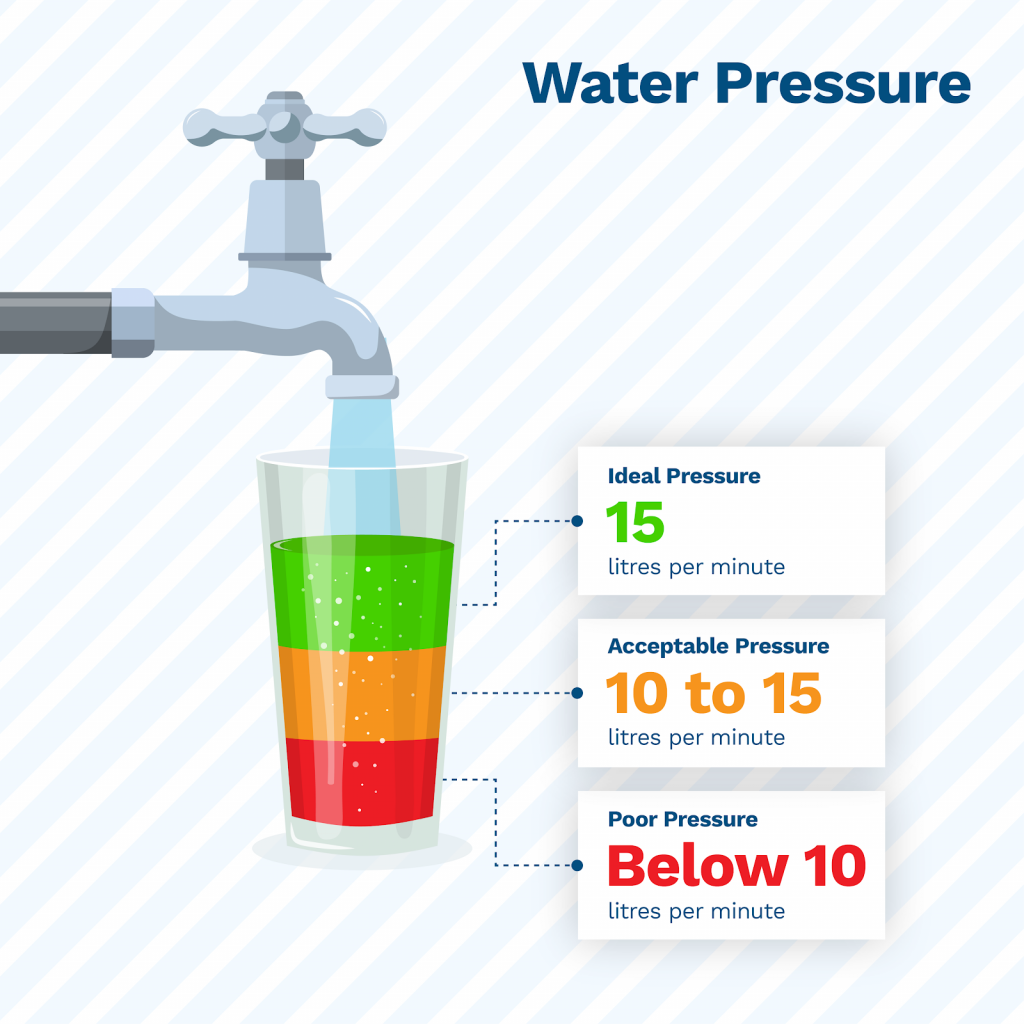
The question of “what is the water pressure for a house” is the gateway to a much larger conversation about the role of technology in our daily lives. We are moving away from a time when home systems were “invisible and ignored” until they failed. Today, through the power of IoT, AI, and sophisticated hardware, our home’s water pressure is a finely-tuned digital metric that we can monitor, optimize, and control from the palm of our hand.
By investing in smart pressure technology, homeowners are doing more than just protecting their pipes; they are upgrading their property into a resilient, data-driven environment. As the “Matter” standard continues to unify smart devices and AI becomes even more predictive, the future of the smart home looks not just brighter, but more efficient and secure. The digital stream is here, and it is pressurized to perfection.
aViewFromTheCave is a participant in the Amazon Services LLC Associates Program, an affiliate advertising program designed to provide a means for sites to earn advertising fees by advertising and linking to Amazon.com. Amazon, the Amazon logo, AmazonSupply, and the AmazonSupply logo are trademarks of Amazon.com, Inc. or its affiliates. As an Amazon Associate we earn affiliate commissions from qualifying purchases.