
The announcement of Jurassic World Rebirth has sent shockwaves through both the cinematic world and the global marketing landscape. While fans are eager to discover “what is the new dinosaur” that will lead the charge, brand strategists are looking at the film through a different lens. In the world of high-stakes franchise management, a new dinosaur is not merely a plot point or a visual effect; it is a vital brand asset designed to revitalize a thirty-year-old intellectual property (IP). As Universal Pictures prepares to launch this new era, the introduction of a fresh prehistoric protagonist—or antagonist—serves as the cornerstone of a sophisticated rebranding strategy intended to capture a new generation of consumers.

The Strategy of Rebirth: Why Franchise Identity Matters
The title Jurassic World Rebirth is a deliberate choice that signals a shift in brand architecture. After the “World” trilogy concluded with Dominion, the franchise faced a common dilemma in corporate identity: how to continue a legacy without succumbing to “franchise fatigue.” The “Rebirth” subtitle acts as a brand reset, promising a return to the roots of the series while shedding the baggage of previous sequels.
Evolution of the Jurassic Brand
Since 1993, the Jurassic brand has evolved from a cautionary sci-fi tale into a global lifestyle brand. The identity of the franchise has shifted from the wonder and terror of the original Jurassic Park to the blockbuster spectacle of Jurassic World. However, brand equity can dilute over time if the core offering remains static. By labeling this installment “Rebirth,” the studio is communicating a “Brand 2.0” philosophy. This involves streamlining the narrative—moving away from the “dinosaurs among us” chaos of the last film—and returning to an isolated, high-stakes environment. This strategic narrowing of focus helps re-establish the brand’s core value proposition: the visceral thrill of humans versus nature’s ultimate predators.
The “Rebirth” Pivot and Market Positioning
Market positioning for a multi-billion dollar IP requires a balance between the familiar and the novel. The brand must retain its “Heritage Assets”—the T-Rex, the iconic logo, and the John Williams theme—while introducing “Growth Assets.” The “new dinosaur” in Jurassic World Rebirth represents the primary growth asset. Early reports suggest that the film will focus on a mission to secure DNA from three massive creatures within an isolated tropical biosphere. This setup allows the brand to introduce a new “Hero Creature” that can be trademarked, merchandised, and used as the face of the new era, ensuring that the brand remains fresh in a crowded marketplace of cinematic universes.
The New Dinosaur as a Brand Asset: Merchandising and Visual Identity
In the niche of brand strategy, a character is a product. When asking what the new dinosaur is, we are essentially asking what the new “flagship product” of the Jurassic line will be. Whether it is the rumored Sinosauropteryx or a return to a more menacing, redesigned Spinosaurus, the choice is dictated as much by the toy aisle as it is by the script.
Visual Marketing and the Power of Silhouettes
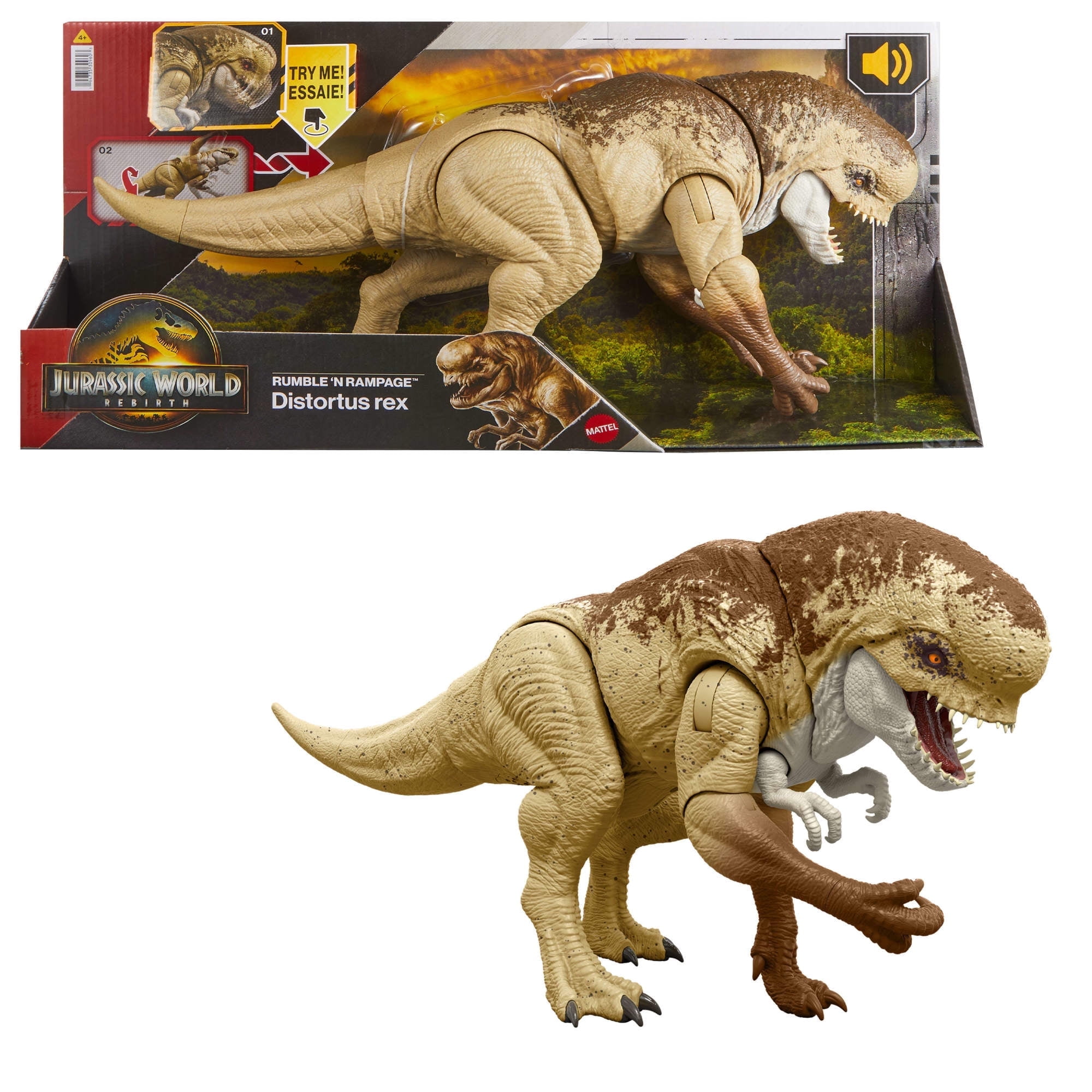
A successful brand asset must be instantly recognizable. The original T-Rex and Velociraptors achieved this through distinct silhouettes. For Jurassic World Rebirth, the design team is tasked with creating a creature that offers a “Visual USP” (Unique Selling Proposition). This could involve unique coloring, bioluminescence, or a predatory behavior never before seen on screen. From a branding perspective, this creature becomes the “key visual” for the entire marketing campaign. The silhouette of this new dinosaur will appear on everything from soda cans to high-end collectibles, serving as a shorthand for the film’s identity.
Merchandising Synergies and Revenue Streams
The Jurassic franchise is a titan of licensing. The introduction of a new dinosaur triggers a massive “Brand Extension” strategy. Hasbro, Mattel, and Lego rely on these new creature reveals to drive their annual product cycles. By introducing a new apex predator in Rebirth, Universal creates a fresh demand for “must-have” items. This is a classic example of “Built-in Obsolescence” in brand management—while the T-Rex is a “Legacy Purchase,” the new dinosaur is a “Primary Purchase” for children and collectors who already own previous models. The brand’s ability to generate billions in retail sales is tethered directly to the novelty and appeal of these new biological assets.
Nostalgia vs. Innovation: Balancing the Brand Legacy
One of the greatest challenges in brand management is managing the “Legacy-Innovation Gap.” If a brand changes too much, it alienates its loyal base; if it changes too little, it becomes stagnant. Jurassic World Rebirth is navigating this by bringing in new creative leadership—director Gareth Edwards and writer David Koepp—to recalibrate the brand’s tone.
Legacy Casting vs. New Icons
While the previous trilogy leaned heavily on “Nostalgia Marketing” by bringing back the original 1993 trio, Rebirth is taking a different approach. By casting Scarlett Johansson and Mahershala Ali, the brand is associating itself with “Prestige Talent.” This move elevates the brand’s perceived value, moving it away from “popcorn flick” territory and toward “cinematic event” status. The new dinosaur must complement this shift. It cannot be a “monster” in the vein of the Indominus Rex; it must be a “force of nature,” aligning with the more grounded, gritty aesthetic that Gareth Edwards is known for. This shift in “Brand Voice” from “spectacle” to “suspense” is a calculated move to win back critics and adult audiences.
The Role of Director Gareth Edwards as a Brand Steward
In modern filmmaking, the director is a brand in their own right. Gareth Edwards, known for Godzilla and Rogue One, brings a “Guerilla Realism” brand to the franchise. His involvement signals to the market that Jurassic World Rebirth will prioritize scale and atmosphere. From a brand perspective, this is a “Co-Branding” effort. Universal is leveraging Edwards’ reputation for visual storytelling to “re-premiumize” the Jurassic name. The new dinosaur will likely be filmed with a sense of “scale and awe” rather than just “action and speed,” reinforcing the brand’s original identity as a pioneer of cinematic wonder.
Market Positioning and Global Audience Perception
The Jurassic brand is one of the few IPs with universal global appeal, transcending cultural and linguistic barriers. The new dinosaur in Rebirth must be designed for a global market, ensuring that its “Brand Story” is easily understood from New York to Beijing.
Global Appeal and the “Universal Language” of Dinosaurs
Dinosaurs are a “borderless” brand. They require no translation. However, the way they are marketed varies by region. In the North American market, the brand focuses on the thrill and the “summer blockbuster” tradition. In emerging markets, the brand focuses on the technological marvel and the “Western Spectacle.” Jurassic World Rebirth utilizes the new creature to create “Viral Marketing” moments that can go global instantly. A 15-second clip of a new, terrifying predator can garner hundreds of millions of views across TikTok and Instagram, serving as a low-cost, high-impact “Brand Awareness” tool that works regardless of geography.

Synergies Across Media and Theme Parks
Finally, we must consider the “ecosystem” of the brand. Universal Destinations & Experiences (the theme park division) is a critical stakeholder in the “Rebirth” project. A new dinosaur in the movie eventually becomes a new animatronic in a theme park or a new theme for a ride. This “Cross-Platform Integration” ensures that the brand remains a physical presence in the lives of consumers. The “Rebirth” of the film franchise provides the necessary narrative fuel to keep the theme parks relevant and profitable. The new creature isn’t just a star on the screen; it is the future face of a multi-sensory brand experience that spans films, toys, digital media, and physical attractions.
In conclusion, “what is the new dinosaur in Jurassic World Rebirth” is a question that goes far beyond paleontology or plot points. It is a question of brand survival, evolution, and dominance. By introducing a new creature within the “Rebirth” framework, Universal Pictures is executing a masterclass in brand revitalization—balancing legacy with innovation, and storytelling with commercial viability. As the film approaches its release, the world will be watching to see if this new brand asset can successfully carry the weight of a thirty-year-old empire into a new age of cinematic history.
aViewFromTheCave is a participant in the Amazon Services LLC Associates Program, an affiliate advertising program designed to provide a means for sites to earn advertising fees by advertising and linking to Amazon.com. Amazon, the Amazon logo, AmazonSupply, and the AmazonSupply logo are trademarks of Amazon.com, Inc. or its affiliates. As an Amazon Associate we earn affiliate commissions from qualifying purchases.