
In the landscape of modern music, few intellectual properties carry the weight, recognition, and emotional equity of Leonard Cohen’s “Hallelujah.” While the casual listener may interpret the song through a spiritual or romantic lens, from a strategic perspective, “Hallelujah” represents one of the most successful brand evolutions in the history of creative industries. It is a case study in how a product—initially rejected by its own distributors—can undergo a series of strategic pivots to become a global commodity.
To understand the “meaning” of “Hallelujah” in a professional context is to understand the mechanics of brand longevity, the power of iteration, and the value of emotional resonance in the global marketplace. This article explores how “Hallelujah” transitioned from a struggling B-side to a multi-million dollar brand asset that continues to dominate charts, film scores, and the cultural consciousness.

The Genesis of an Iconic Brand: Leonard Cohen’s Strategic Persistence
The story of “Hallelujah” is not one of overnight success; it is a story of rigorous product development and market resilience. When Leonard Cohen first presented the album Various Positions to Columbia Records in 1984, the label famously rejected it, claiming that while Cohen was a great poet, the market didn’t want his music. This initial failure highlights a crucial branding lesson: even the highest quality intellectual property (IP) requires the right market positioning to thrive.
The Iterative Process as Product Development
Cohen’s approach to writing “Hallelujah” was akin to a high-stakes R&D project. He reportedly wrote around 80 drafts of the lyrics over several years, often banging his head against the floor of a hotel room in frustration. This exhaustive process of refinement ensured that the “brand” of the song was robust.
In brand strategy, we often discuss the importance of the “minimum viable product.” Cohen, however, was focused on the “maximum emotional impact.” By constantly rewriting and retooling the verses, he created a modular product. The “meaning” of the song could shift depending on which verses were included—moving from the overtly religious to the deeply secular and carnal. This flexibility allowed the song to be marketed to diverse demographics, from religious congregations to indie-rock enthusiasts.
Intellectual Property and the Value of Longevity
From a corporate identity standpoint, Cohen’s persistence protected the long-term value of his IP. Because he refused to settle for a mediocre version, the final product possessed a “gravity” that ensured it would outlast the trends of the mid-80s. In the world of branding, longevity is the ultimate metric of success. A brand that can survive a failed launch and still become a global standard decades later is a testament to the strength of its core identity.
Brand Extension Through Cover Artistry: The Jeff Buckley Pivot
The most significant turning point for the “Hallelujah” brand was its reinterpretation by other artists. In branding terms, this is known as brand extension or collaborative rebranding. While Cohen’s original version was synth-heavy and somewhat clinical, John Cale’s 1991 cover—and subsequently Jeff Buckley’s 1994 masterpiece—repositioned the song for a younger, more emotionally driven audience.
Rebranding Through Authenticity
Jeff Buckley’s version of “Hallelujah” is perhaps the most famous example of a successful brand “reboot.” Buckley stripped away the 80s production and replaced it with a raw, vulnerable, and ethereal sound. This maneuver changed the brand’s perception from “aging poet” to “tragic romanticism.”
For a brand to resonate, it must feel authentic to its audience. Buckley’s interpretation tapped into the zeitgeist of the 1990s, where authenticity and emotional transparency were the primary currencies of the music industry. By altering the “packaging” (the arrangement) while keeping the “core product” (the lyrics and melody), the brand gained a new lease on life and reached a demographic that Cohen’s original might never have touched.
The Role of Emotional Resonance in Brand Loyalty
Why do consumers—or in this case, listeners—return to “Hallelujah” repeatedly? It is because the song has established a monopoly on a specific emotional niche: the “sacred-profane” intersection. In brand strategy, identifying a unique emotional territory is the key to building brand loyalty.

The meaning of “Hallelujah” lies in its ability to validate the listener’s own experiences of failure and redemption. This creates a deep psychological bond with the brand. When a brand can make a consumer feel “seen” or “understood,” it moves beyond being a mere commodity and becomes a part of the consumer’s identity.
The Ubiquity Factor: “Hallelujah” as a Cultural Commodity
As the 21st century progressed, “Hallelujah” achieved a level of ubiquity that few brands ever reach. It moved from being an “indie” secret to a mainstream staple, appearing in everything from Shrek to televised singing competitions like The X Factor and American Idol.
Licensing and the Sound of Melancholy
From a marketing perspective, the licensing of “Hallelujah” for the film Shrek was a masterstroke in market expansion. It introduced the song to a generational cohort of children and families. In this context, the “meaning” was simplified to signify a moment of sadness or reflection.
This brings us to the concept of “brand semiotics.” “Hallelujah” has become a sonic shorthand—a signifier. When a filmmaker needs to evoke a specific feeling of bittersweet realization, they reach for “Hallelujah.” This level of market saturation is a double-edged sword. On one hand, it generates massive royalty revenue; on the other, it risks “brand dilution” or “overexposure.”
Maintaining Brand Integrity Amidst Overexposure
How does a brand remain prestigious when it is everywhere? “Hallelujah” managed this by maintaining its core “mystique.” Despite being covered by hundreds of artists (including Bon Jovi, Pentatonix, and Alexandra Burke), the song’s fundamental complexity remains intact.
In corporate branding, this is equivalent to a luxury house like Louis Vuitton maintaining its status while also being widely available. The “meaning” of the song—its lyrical depth and ambiguity—acts as a protective layer. No matter how many times it is played on a reality TV show, the original “brand promise” of profound poetic inquiry remains available to those who seek it.
Lessons in Personal Branding: The Legacy of Leonard Cohen
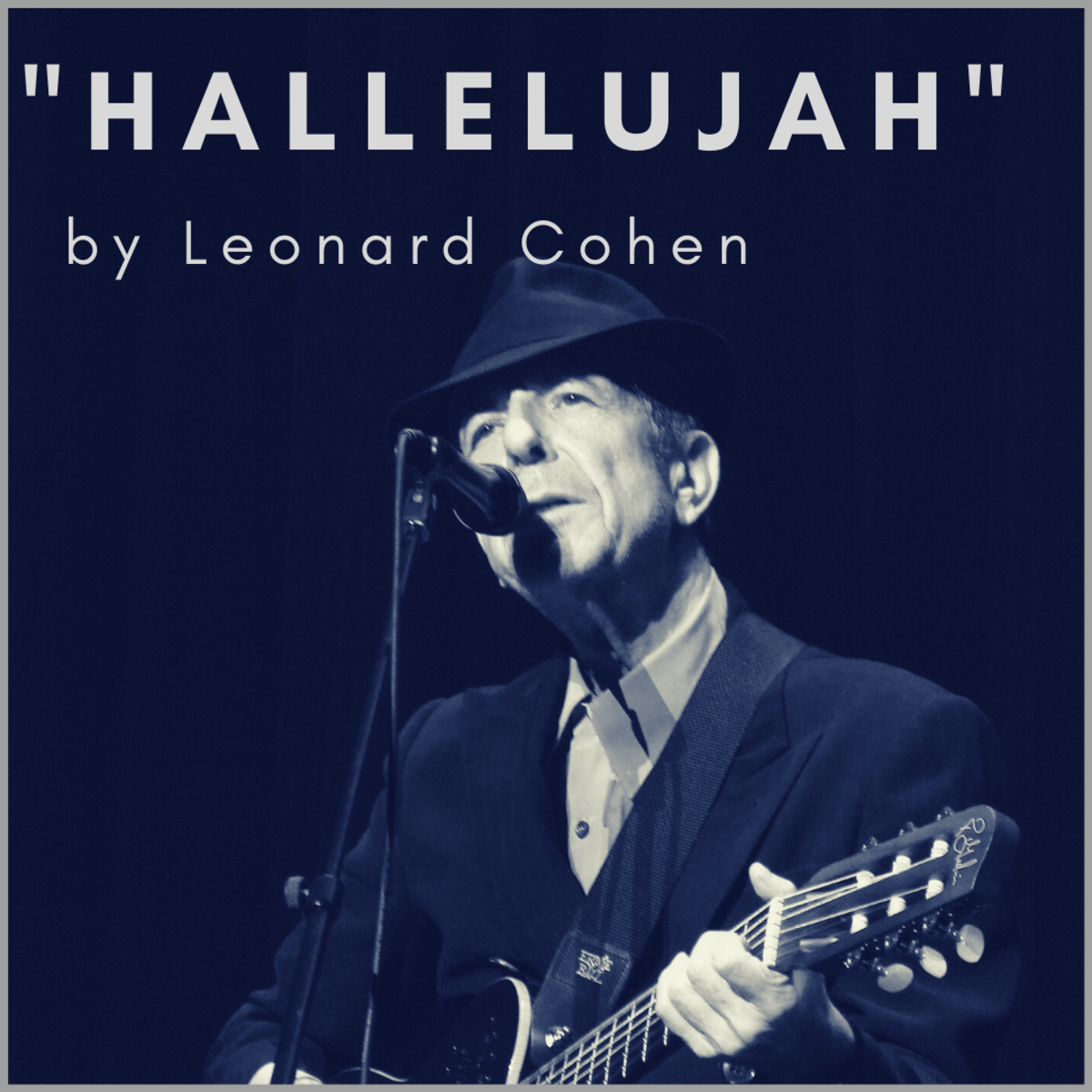
Finally, the meaning of “Hallelujah” is inextricably linked to the personal brand of Leonard Cohen himself. Cohen’s brand was built on the pillars of wisdom, humility, and a relentless pursuit of truth. “Hallelujah” is the flagship product of that brand.
Vulnerability as a Brand Asset
One of the most powerful elements of the Cohen brand was his willingness to showcase failure. In “Hallelujah,” he sings, “It’s a cold and it’s a broken Hallelujah.” In a professional world that often prioritizes the appearance of perfection, Cohen’s brand stood for the beauty of the “broken.”
This is an essential lesson for modern personal branding. Audiences today are increasingly cynical toward “perfect” corporate personas. They gravitate toward brands that admit to the struggle. The meaning of “Hallelujah” is essentially an invitation to embrace the “broken” parts of our own narratives, making it a timeless brand for the human condition.
Navigating the Lifecycle of a Creative Brand
Cohen’s career demonstrates how to manage a brand lifecycle over decades. He didn’t chase trends; he focused on the “evergreen” value of his work. By the time he passed away in 2016, his brand was at its peak. “Hallelujah” served as his legacy piece—a product that had finally achieved its full market potential after thirty years of gestation and evolution.
In conclusion, the meaning of the song “Hallelujah” is found not just in its lyrics, but in its journey as a global brand. It is a testament to the power of strategic iteration, the importance of emotional authenticity, and the ability of a well-crafted “product” to transcend its original market and become a universal standard. For any strategist or brand builder, “Hallelujah” remains the ultimate benchmark for how to turn a creative vision into a lasting cultural and financial asset.
aViewFromTheCave is a participant in the Amazon Services LLC Associates Program, an affiliate advertising program designed to provide a means for sites to earn advertising fees by advertising and linking to Amazon.com. Amazon, the Amazon logo, AmazonSupply, and the AmazonSupply logo are trademarks of Amazon.com, Inc. or its affiliates. As an Amazon Associate we earn affiliate commissions from qualifying purchases.