
Navigating the complexities of the tax system is a fundamental pillar of personal finance and business management. Whether you are a salaried employee, a freelance professional, or a small business owner, understanding “how to pay taxes” is not just about fulfilling a legal obligation—it is about optimizing your cash flow, avoiding unnecessary penalties, and ensuring long-term financial stability. In the modern financial landscape, the process has evolved from paper checks and manual calculations to a sophisticated digital ecosystem. This guide provides an in-depth look at the tax payment process, the tools available to streamline it, and the strategies you can use to manage your liabilities effectively.
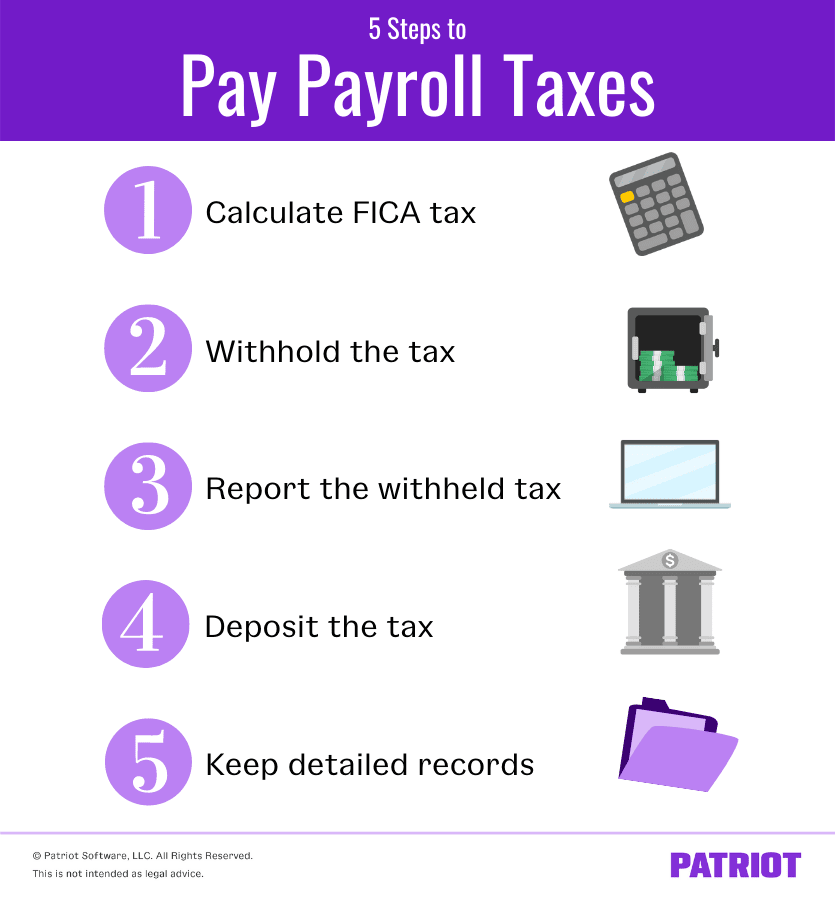
Understanding Your Tax Liability and Filing Status
Before you can determine how to pay, you must understand what you owe and why. Tax liability is the total amount of tax debt owed by an individual or entity to taxing authorities. In the realm of personal finance, this is generally dictated by your income level, filing status, and the types of income you receive.
Identifying Different Types of Taxable Income
Not all income is treated equally by the IRS or local tax authorities. Earned income from a W-2 job is subject to standard withholding, whereas “unearned income”—such as dividends, interest, and capital gains—may be taxed at different rates. For those involved in the “Money” niche through side hustles or digital entrepreneurship, self-employment tax is a critical factor. This covers both the employer and employee portions of Social Security and Medicare, totaling 15.3%. Understanding these distinctions is the first step in calculating your total tax burden.
The Role of Filing Status
Your filing status is a major determinant of your standard deduction and tax brackets. Whether you file as Single, Married Filing Jointly, or Head of Household can significantly shift your financial responsibility. For instance, the “Head of Household” status offers more favorable tax brackets and a higher standard deduction than filing as Single, provided you meet specific criteria regarding dependents. Choosing the wrong status can lead to overpayment or, conversely, an underpayment that triggers audits.
Estimated Quarterly Taxes for Freelancers and Investors
For those who do not have taxes automatically withheld from a paycheck, the “pay-as-you-go” system applies. This means making estimated tax payments four times a year. If you expect to owe more than $1,000 when you file your return, staying on top of these quarterly deadlines (typically April, June, September, and January) is essential to avoid underpayment penalties.
Choosing the Best Methods for Tax Payment
The digital age has introduced a variety of ways to settle your tax bill. Selecting the right method depends on your need for speed, your desire for a paper trail, and whether you prefer to pay via bank transfer or credit.
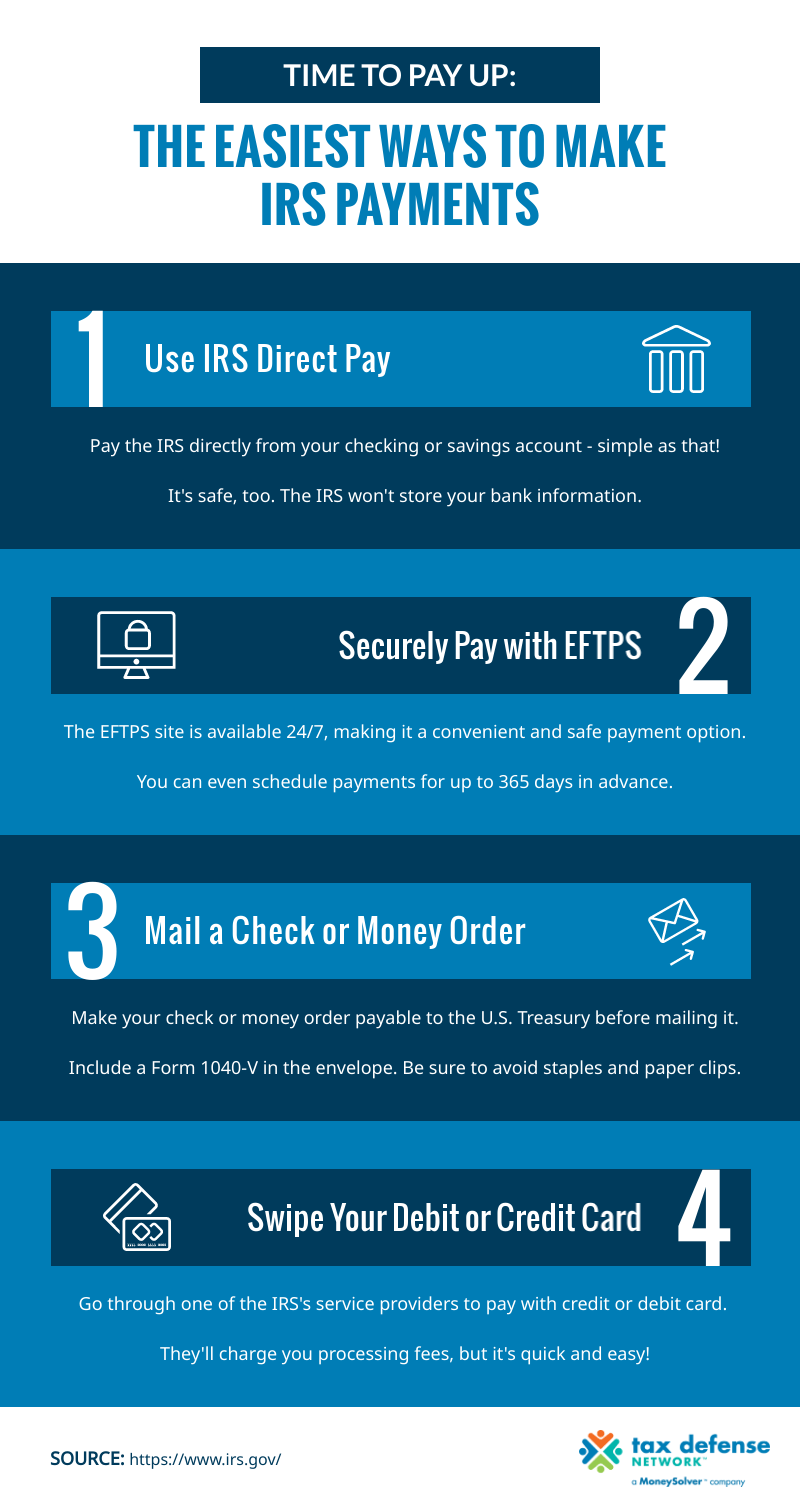
IRS Direct Pay and Electronic Funds Withdrawal
For most individuals, IRS Direct Pay is the most efficient financial tool available. It allows you to pay your income tax directly from your checking or savings account without any additional fees. You receive an immediate confirmation number, which serves as vital documentation for your personal records. Similarly, Electronic Funds Withdrawal (EFW) is an option available when you use tax preparation software to file your return electronically, allowing you to schedule a payment for a specific date.
The Electronic Federal Tax Payment System (EFTPS)
While individuals can use Direct Pay, businesses and those with complex payment needs often utilize the EFTPS. This is a free service provided by the U.S. Department of the Treasury. It is highly secure and offers the most robust reporting features, allowing users to schedule payments up to 365 days in advance. For the serious investor or business owner, EFTPS provides the level of control necessary for meticulous financial planning.
Paying via Credit or Debit Cards
You can pay your taxes using a credit or debit card through authorized third-party processors. While this offers convenience and the potential to earn credit card rewards or “points,” it comes with a caveat: processing fees. These fees usually range from 1.8% to 2% for credit cards. From a personal finance perspective, this is only advisable if the value of the rewards earned exceeds the processing fee, or if you are using the card to bridge a short-term liquidity gap.
Leveraging Financial Tools for Tax Preparation
Technology has democratized tax preparation, moving it away from expensive accounting firms and into the hands of the individual. Using the right tools can ensure accuracy and help you identify deductions you might have otherwise missed.
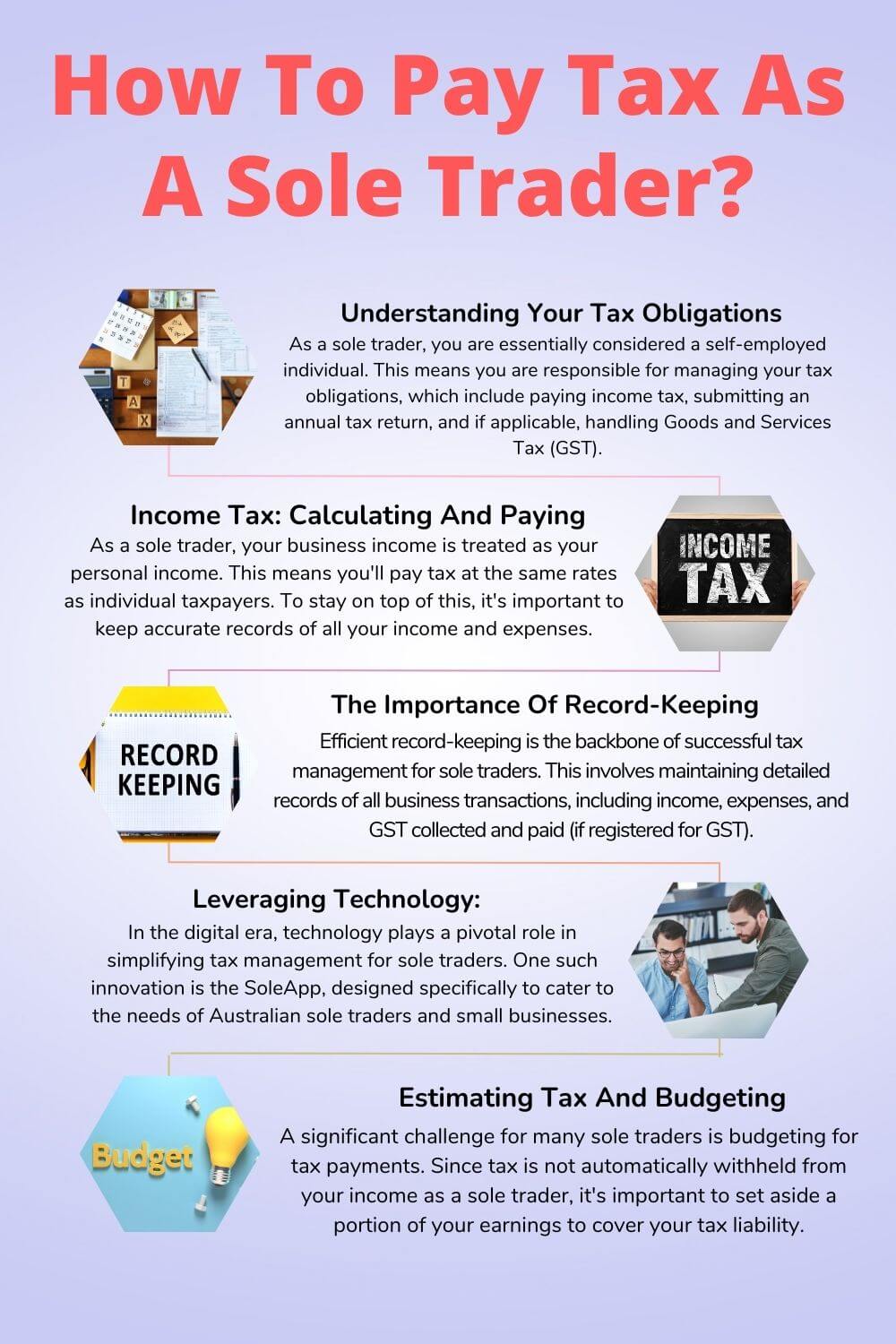
Popular Tax Software Solutions
Programs like TurboTax, H&R Block, and FreeTaxUSA act as digital guides through the tax-paying maze. These platforms use interview-style interfaces to gather information, reducing the likelihood of manual entry errors. For those in the “Money” niche, these tools are invaluable for importing data from investment accounts, cryptocurrency exchanges, and payroll systems, ensuring that every cent is accounted for.
The IRS Free File Program
Financial literacy includes knowing when to save on the tools themselves. The IRS Free File program provides free brand-name tax software to taxpayers whose Adjusted Gross Income (AGI) falls below a certain threshold (typically $79,000). This is a powerful resource for young professionals and students looking to maximize their returns without incurring software costs.
Digital Record-Keeping and Expense Tracking
Paying taxes actually begins on January 1st, not April 15th. Using apps like QuickBooks, FreshBooks, or even a well-organized spreadsheet to track deductible expenses throughout the year is vital. For those with side hustles, tracking mileage, home office expenses, and equipment depreciation in real-time ensures that when it comes time to pay, you are paying the absolute minimum required by law.
Strategic Tax Planning to Minimize Payments
The ultimate goal of understanding how to pay taxes is to learn how to pay less legally. Tax avoidance—not to be confused with tax evasion—is the strategic organization of your finances to minimize your tax liability.
Maximizing Deductions: Standard vs. Itemized
Every taxpayer must choose between taking the standard deduction or itemizing. In recent years, the standard deduction has increased significantly, making itemization less common. However, if your mortgage interest, state and local taxes (SALT), and charitable contributions exceed the standard deduction, itemizing can save you thousands. A savvy financial mind reviews these numbers annually to determine which path offers the greatest savings.
Utilizing Tax-Advantaged Accounts
One of the most effective ways to lower your taxable income is by contributing to retirement accounts. Contributions to a traditional 401(k) or a Traditional IRA are “pre-tax,” meaning they are deducted from your gross income before your tax liability is calculated. For business owners, setting up a SEP IRA or a Solo 401(k) allows for even higher contribution limits, serving as both a wealth-building tool and a massive tax shield.
Tax Credits: The Dollar-for-Dollar Advantage
While deductions lower the amount of income you are taxed on, credits are even more powerful because they reduce your tax bill dollar-for-dollar. Examples include the Child Tax Credit, the Earned Income Tax Credit (EITC), and various education credits like the American Opportunity Tax Credit (AOTC). Understanding the eligibility requirements for these credits can transform a significant tax bill into a healthy refund.
Deadlines, Extensions, and Managing Delinquencies
Timeliness is a critical component of financial health. The tax calendar is rigid, and failing to adhere to it can lead to compounded interest and penalties that erode your net worth.
Important Dates in the Tax Year
April 15th is the most famous deadline, but it is not the only one. If you are an entrepreneur, you must track quarterly deadlines. If you cannot file by April 15th, you can request an automatic six-month extension, moving your filing deadline to October 15th. However, a common misconception is that an extension to file is an extension to pay. You must still estimate your owed taxes and pay them by April to avoid interest charges.
Dealing with Penalties and Interest
If you find yourself unable to pay your taxes in full, the worst thing you can do is ignore the bill. The IRS charges two primary penalties: failure to file and failure to pay. The failure-to-file penalty is significantly higher, meaning you should always file your return on time even if you cannot afford the payment. The government offers several “Money” management solutions for this, such as Short-Term Payment Plans (180 days) or Long-Term Installment Agreements.
The Importance of a Professional Review
As your financial situation grows in complexity—perhaps through real estate investments, stock options, or international business—the DIY approach may no longer be sufficient. Engaging a Certified Public Accountant (CPA) or a tax strategist can provide a high ROI. These professionals don’t just help you “pay taxes”; they provide a comprehensive financial strategy that looks at your entire portfolio to ensure you are positioned for maximum tax efficiency.
In conclusion, knowing how to pay taxes is a multifaceted discipline that combines legal compliance with strategic financial management. By choosing the right payment methods, utilizing modern software, and engaging in proactive tax planning, you can demystify the process and keep more of your hard-earned money working for you. Tax season should not be a period of financial stress, but rather an opportunity to audit your financial health and refine your path toward long-term prosperity.
aViewFromTheCave is a participant in the Amazon Services LLC Associates Program, an affiliate advertising program designed to provide a means for sites to earn advertising fees by advertising and linking to Amazon.com. Amazon, the Amazon logo, AmazonSupply, and the AmazonSupply logo are trademarks of Amazon.com, Inc. or its affiliates. As an Amazon Associate we earn affiliate commissions from qualifying purchases.