
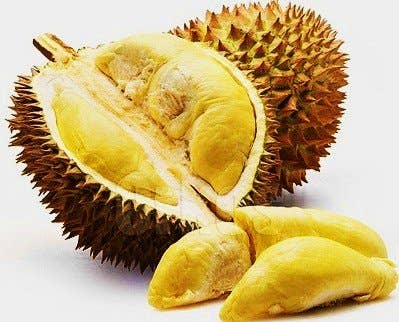
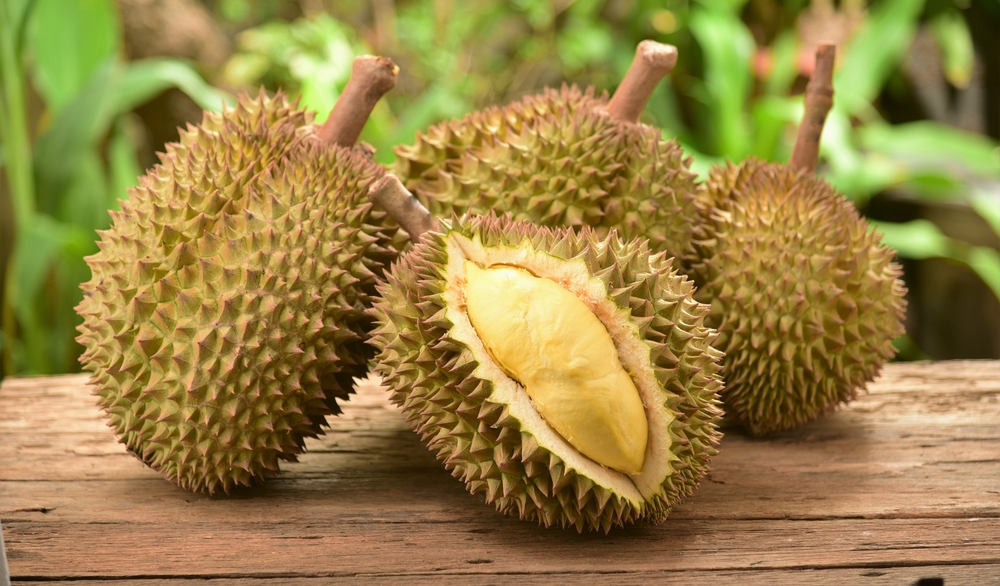
In the botanical world, the title “King of Fruits” has long been synonymous with the durian. Known for its formidable thorny exterior, polarizing aroma, and rich, custard-like flesh, the durian holds a cultural and culinary status unlike any other fruit. However, in the modern era, the definition of what makes this fruit a “king” is shifting. It is no longer just about the sensory experience or the price per kilogram; it is about the sophisticated technological ecosystem that now sustains its production, distribution, and global dominance.
The transition of the durian from a regional delicacy to a global high-tech commodity is a case study in how “AgTech” (Agricultural Technology) can transform traditional farming into a high-precision industry. As demand surges, particularly in markets like China and North America, the king of fruits is being reinvented through the lens of artificial intelligence, the Internet of Things (IoT), and advanced biotechnology.
The Precision Agriculture Revolution: Cultivating the King
To understand why the durian remains the king of fruits, one must look at the immense technical difficulty involved in its cultivation. Unlike hardier crops, premium durian varieties—such as the Musang King or Black Thorn—are notoriously temperamental. They require specific humidity, soil pH, and temperature ranges to thrive. To mitigate these risks, the industry has turned to Precision Agriculture.
IoT Sensors and Micro-climate Control
Modern durian plantations are becoming “smart forests.” By deploying a network of IoT (Internet of Things) sensors across vast hectares of orchards, farmers can now monitor the health of each individual tree in real-time. These sensors track soil moisture levels, nutrient density, and ambient temperature. When the data indicates that a tree is under stress, automated irrigation systems can deliver precise amounts of water and liquid fertilizer directly to the root zone. This granular level of control ensures that the “King” grows in an environment that maximizes its flavor profile and minimizes fruit drop.
Drone Surveillance and Predictive Yield Mapping
Drones have become indispensable tools for the modern durian planter. Equipped with multispectral cameras, these unmanned aerial vehicles (UAVs) fly over the canopy to identify early signs of pest infestation or fungal diseases—issues that are often invisible to the naked eye from the ground. Furthermore, AI-driven software analyzes drone footage to count the number of fruits on each branch, allowing exporters to predict harvest yields with up to 95% accuracy. This predictive capability is vital for managing supply chains and securing pre-orders in the global market.
Smart Logistics and Cold Chain Integrity
The durian’s reputation is often hindered by its short shelf life and its pungent smell, which has led to bans in hotels and public transport across Asia. Technology has stepped in to solve these logistical nightmares, ensuring the king of fruits can travel thousands of miles without losing its “royal” quality.
Nitrogen Freezing and Preservation Tech
One of the biggest technological breakthroughs in the durian trade is the use of Liquid Nitrogen (LN2) cryogenic freezing. Traditional refrigeration is insufficient for the durian’s complex organic structure. By blast-freezing the fruit at -196°C shortly after harvest, the cellular structure of the fruit is preserved perfectly. This process “locks in” the flavor and texture for up to 18 months. When thawed, the fruit tastes as if it were just picked from the tree. This technology has effectively removed the geographic barriers that once limited the king of fruits to Southeast Asia.
Blockchain for Traceability and Authenticity
As the value of premium durians has skyrocketed, so has the incidence of “fruit fraud”—where lower-quality varieties are mislabeled as expensive cultivars. To combat this, leading exporters are implementing blockchain technology. Each fruit is assigned a unique QR code linked to a decentralized ledger. Consumers can scan the code to see the fruit’s entire journey: the specific orchard it came from, the date it was harvested, the technician who graded it, and the temperature logs from the shipping container. This transparency reinforces the “brand” of the king of fruits as a premium, trustworthy product.
AI and Machine Learning in Grading and Sorting
The grading of durians has traditionally been a manual, subjective process performed by “master graders” who knock on the husk with a wooden stick to listen for hollowness. While skillful, this method is not scalable. The integration of AI is bringing a new level of standardization to the industry.
Computer Vision for Husk Analysis
Using deep learning algorithms, tech firms have developed computer vision systems that can grade durians based on their external characteristics. By analyzing the shape, color, and thorn density of the fruit through high-resolution cameras on a conveyor belt, the AI can categorize the fruit into Grade A, B, or C with higher consistency than human workers. This ensures that the premium prices commanded by the “King” are always backed by objective quality metrics.
Sensory Tech and “Electronic Noses”
Perhaps the most futuristic application in the durian tech space is the development of the “Electronic Nose” (e-nose). These are sensor arrays designed to detect specific volatile organic compounds (VOCs) emitted by the fruit. Since the ripeness of a durian is directly correlated with its chemical scent profile, e-noses can determine the exact peak of ripeness without needing to open the fruit. This non-invasive testing allows distributors to sort fruits for immediate sale or long-term storage based on their chemical maturity.
E-commerce and the Digital Marketplace
The “King of Fruits” has found a second home in the digital economy. The rise of live-streaming commerce and specialized apps has changed how the fruit is marketed and sold.
Direct-to-Consumer Platforms
In the past, durian farmers were at the mercy of multiple layers of middlemen. Today, digital platforms allow orchards to sell directly to consumers in Shanghai, New York, or London. These platforms integrate payment gateways, real-time logistics tracking, and customer feedback loops. By cutting out the middleman, technology ensures that more of the profit stays with the producers, who can then reinvest in further AgTech innovations.
Big Data in Global Export Trends
Large-scale distributors are now using Big Data analytics to understand consumption patterns. By analyzing search trends, social media sentiment, and historical purchase data, companies can predict which regions are likely to see a spike in durian demand during festive seasons. This allows for the strategic positioning of inventory in regional hubs, reducing shipping times and ensuring that the “King” arrives in the hands of the consumer at the height of its quality.
The Future of Biotech: Genome Mapping the King
The ultimate frontier for the king of fruits lies in the laboratory. In 2017, a team of scientists successfully mapped the genome of the Musang King durian, identifying the specific genes responsible for its unique odor and nutritional content.
Odor Reduction and Pest Resistance
With the genome mapped, biotechnologists are exploring ways to use CRISPR gene-editing technology to create “apartment-friendly” durians with a milder scent, without compromising the rich flavor profile. Furthermore, genetic research is being directed toward developing varieties that are resistant to “Phytophthora palmivora,” a devastating soil-borne pathogen. By making the trees more resilient through tech, the industry secures the long-term future of the crop against climate change and disease.
Nutritional Optimization
Beyond taste, technology is being used to enhance the nutritional profile of the durian. Already high in potassium, fiber, and Vitamin C, researchers are looking at ways to increase the bioavailability of these nutrients. The goal is to position the durian not just as a delicacy, but as a “super-fruit” in the global health and wellness market, backed by clinical data and genetic proof.
Conclusion: A Digital Crown for a Natural King
What is the king of fruits? While the answer remains “the durian,” the reality of that title has been fundamentally transformed by technology. The durian’s reign is no longer just a matter of natural evolution; it is a result of human ingenuity and digital transformation.
From the IoT sensors in the soil to the blockchain-verified QR codes on the husk, the durian industry has embraced the Fourth Industrial Revolution. This technological stack has allowed a once-obscure tropical fruit to command global attention and premium pricing. As AgTech continues to evolve, the “King of Fruits” will likely remain at the forefront of the intersection between nature and machine, proving that even the most ancient delicacies can find a new life in the digital age. In the end, the crown of the durian is now made as much of silicon and data as it is of thorns and custard.
aViewFromTheCave is a participant in the Amazon Services LLC Associates Program, an affiliate advertising program designed to provide a means for sites to earn advertising fees by advertising and linking to Amazon.com. Amazon, the Amazon logo, AmazonSupply, and the AmazonSupply logo are trademarks of Amazon.com, Inc. or its affiliates. As an Amazon Associate we earn affiliate commissions from qualifying purchases.