
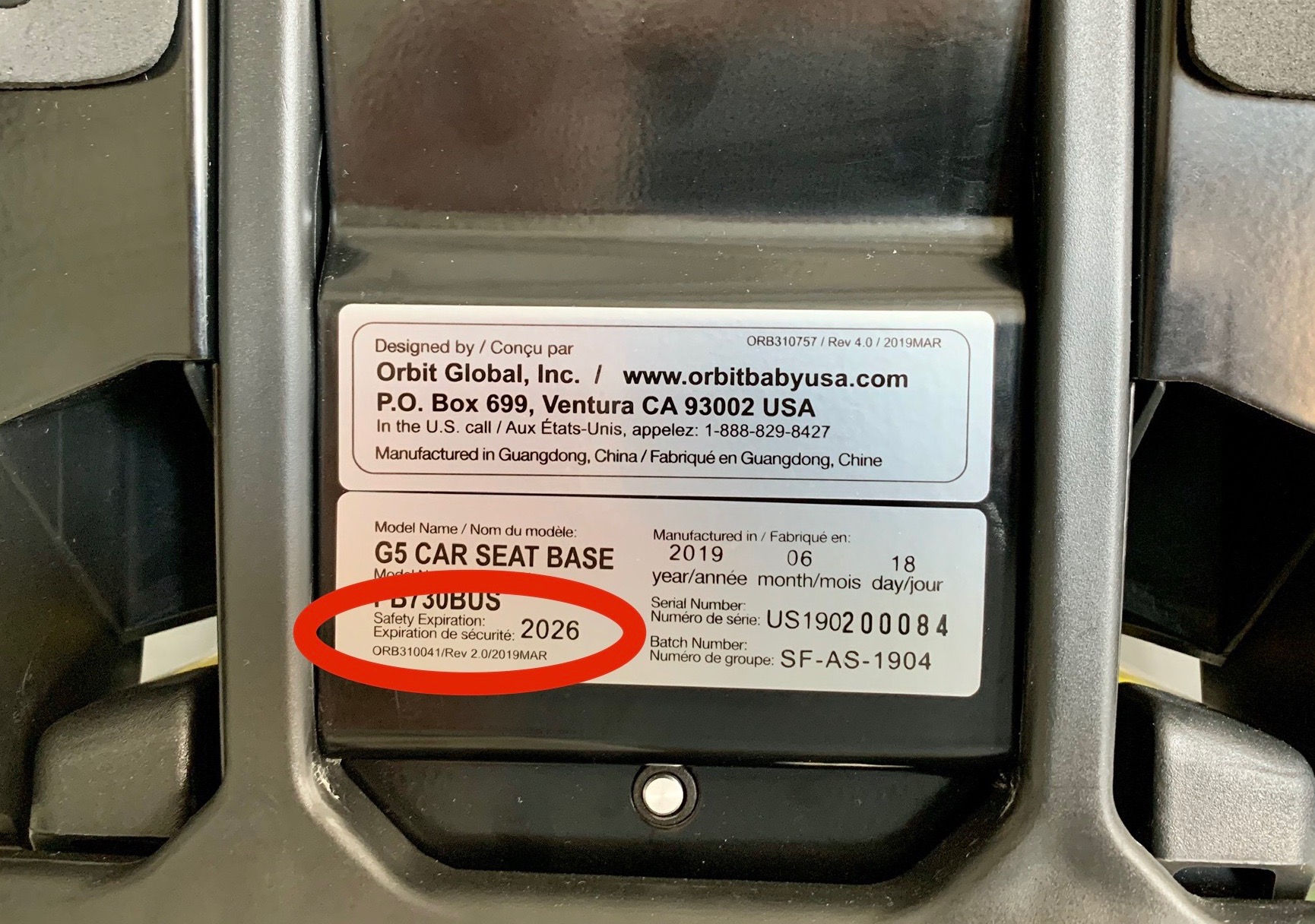
In the ecosystem of automotive safety gadgets, few pieces of hardware are as critical—or as misunderstood—as the child restraint system. While most consumers view a car seat as a static piece of furniture, engineers and technology specialists recognize it as a high-performance safety device designed to manage extreme kinetic energy. The question of “what is the expiration date on car seats” is not merely a matter of manufacturer preference or a marketing ploy; it is a fundamental calculation based on materials science, engineering evolution, and the rapid advancement of safety technology.

Understanding the expiration date requires a shift in perspective. We must move away from seeing the car seat as a durable good and start seeing it as a technical component with a defined functional lifespan. This article explores the technological underpinnings of why car seats expire, the degradation of the polymers involved, and how the integration of smart technology is redefining child passenger safety.
The Materials Science of Polymer Degradation
The primary reason car seats carry an expiration date—typically ranging from six to ten years—lies in the volatile nature of the materials used in their construction. Most modern car seats are manufactured using high-density polyethylene (HDPE) and other specialized polymers designed to be lightweight yet capable of absorbing massive amounts of energy during a collision.
Thermal Cycling and Structural Fatigue
Automobiles are among the most hostile environments for synthetic materials. A vehicle parked in the sun can reach internal temperatures exceeding 170 degrees Fahrenheit, only to drop to sub-zero temperatures in the winter. This constant “thermal cycling” wreaks havoc on the molecular structure of plastic. Over time, the polymers undergo a process called photo-degradation and thermal oxidation.
From a technical standpoint, the long-chain molecules that give the plastic its elasticity and strength begin to break down. This results in “crazing”—micro-cracks that are often invisible to the naked eye but significantly compromise the structural integrity of the seat. When a seat is “expired,” it means the manufacturer can no longer guarantee that the plastic will flex and absorb energy rather than shattering upon impact.
The Role of Flame Retardants and Chemical Stability
Car seats are treated with a variety of chemicals to meet Federal Motor Vehicle Safety Standards (FMVSS). These include flame retardants and UV stabilizers. However, these chemical additives are not permanent. Over a decade of exposure to air, humidity, and heat, these stabilizers “off-gas” or migrate to the surface of the material. As the chemical composition of the seat changes, the material becomes more brittle. In the world of safety tech, a brittle component is a failure point. The expiration date serves as a technical cutoff to ensure the hardware remains within its “nominal performance window.”
Engineering Evolution: Why Legacy Hardware Becomes Obsolete
Even if the materials of a car seat were to remain pristine forever, the “expiration” would still be a technical necessity due to the rapid pace of engineering innovation. The technology used to protect passengers today is exponentially more sophisticated than the technology available a decade ago.
Advancements in Kinetic Energy Management
Ten years ago, the “tech” inside a car seat was largely limited to basic foam and webbing. Today, engineering teams utilize advanced computer modeling and Finite Element Analysis (FEA) to design complex energy-management systems. Modern seats often feature “crumple zones” similar to those found in vehicle frames, as well as honeycomb structures designed to compress at specific rates.
When a manufacturer sets an expiration date, they are essentially “sunsetting” older technology that no longer meets the current state-of-the-art safety benchmarks. A seat manufactured in 2014 simply does not possess the side-impact protection or the load-leg technology that has become standard in the 2024 tech cycle.
Hardware Interface and Vehicle Compatibility
The technology of the car seat must interface perfectly with the technology of the vehicle. As automotive manufacturers update their LATCH (Lower Anchors and Tethers for Children) systems and airbag deployment sensors, car seat hardware must evolve in tandem. An expired car seat may lack the technical compatibility required for newer vehicle safety systems. For instance, the transition from basic belt-routing to integrated tensioning systems represents a significant leap in hardware complexity. Using an expired seat often means using a device that was engineered for a generation of vehicles that is no longer the industry standard.
The Rise of Smart Car Seats and IoT Integration
The most significant shift in the “car seat as a gadget” paradigm is the integration of digital technology and the Internet of Things (IoT). The expiration date is becoming even more critical as these seats incorporate electronic components that have their own unique lifecycles.
SensorSafe and Real-Time Monitoring
Companies like Cybex and Evenflo have introduced “SensorSafe” technology, which utilizes a smart chest clip connected to a vehicle’s On-Board Diagnostics (OBDII) port and a smartphone app. These sensors monitor everything from the ambient temperature around the child to whether the chest clip has been unbuckled while the vehicle is in motion.
The inclusion of Bluetooth modules, thermistors, and accelerometers within the car seat architecture introduces a “software shelf-life.” Just as a smartphone becomes obsolete due to hardware limitations and software updates, smart car seats face a technical sunset. The expiration date ensures that the electronic safety net remains compatible with evolving mobile operating systems and vehicle communication protocols.
Data-Driven Safety and Feedback Loops
Future iterations of car seat tech are expected to include “impact sensors” that can communicate directly with emergency services via the vehicle’s telematics system. In this context, an expiration date is akin to a “service life” for a precision instrument. If the sensors lose calibration or the internal batteries (often non-replaceable for safety reasons) degrade, the seat’s digital utility vanishes. The tech industry’s move toward “Safety-as-a-Service” means that keeping hardware current is no longer optional; it is a requirement for the digital ecosystem to function.
Regulatory Hardware and the Logic of Technical Standards
Finally, the expiration date is a reflection of the evolving regulatory landscape. In the United States, the National Highway Traffic Safety Administration (NHTSA) and the FMVSS frequently update the testing protocols that hardware must pass.
The Shift in Testing Benchmarks
Testing technology has improved dramatically. The “crash test dummies” (Anthropomorphic Test Devices) used today are packed with high-fidelity sensors that measure forces the industry couldn’t track twenty years ago. As the “testing tech” improves, the “product tech” must follow. A seat that passed the technical hurdles of 2012 might fail the more rigorous, data-intensive simulations of 2024.
Manufacturers use expiration dates to purge the market of hardware that was tested against inferior or outdated benchmarks. This ensures that the collective “fleet” of car seats on the road maintains a high technical floor, reducing the variance in safety outcomes across different demographics.
The Liability of Legacy Tech
From a corporate technology standpoint, maintaining support for legacy hardware is a significant liability. In the event of a technical failure, a manufacturer must be able to prove that their device was functioning within its intended parameters. By defining an expiration date, manufacturers create a clear “end-of-life” (EOL) policy. This is common in the software industry, and its application to physical safety hardware is a logical extension of risk management. It forces a hardware refresh cycle that keeps the most advanced safety features in the hands of the consumer.
Summary: The Expiration Date as a Technical Requirement
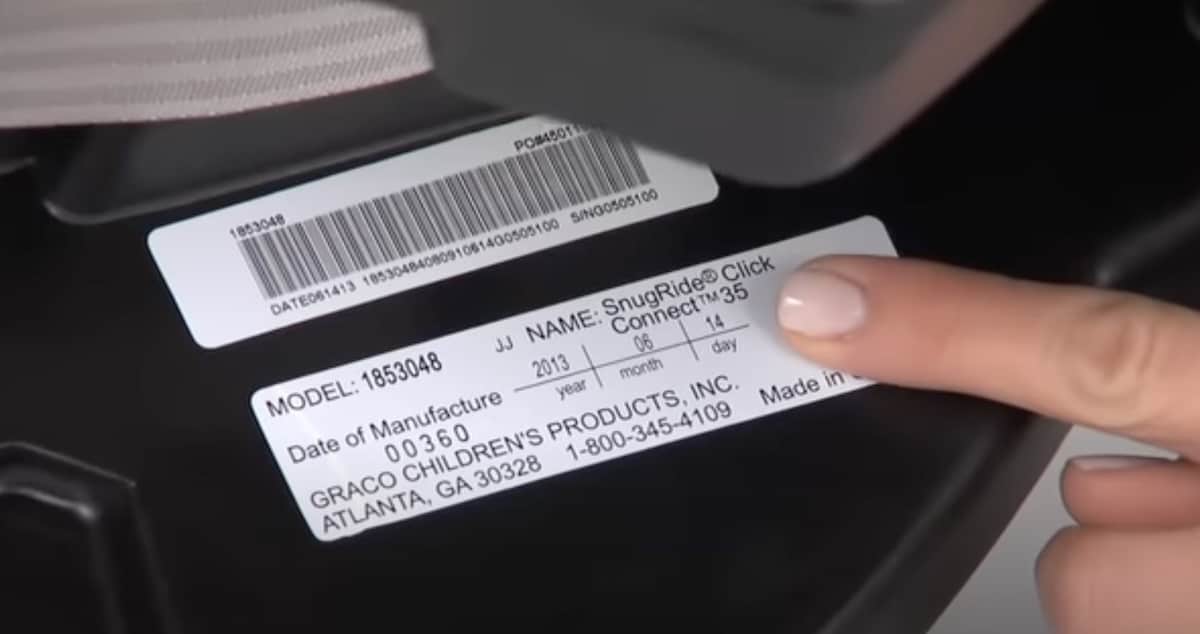
In conclusion, the expiration date on a car seat is the intersection of materials science, mechanical engineering, and digital innovation. It is a recognition that:
- Synthetic materials are finite: The polymers that provide the “shield” for a child are subject to environmental degradation and molecular fatigue.
- Engineering is iterative: Modern energy-management systems are technically superior to legacy designs, making older seats functionally obsolete.
- Digital integration is the future: The transition to smart, sensor-equipped seats introduces a software and electronic lifecycle that necessitates periodic hardware replacement.
- Standards are dynamic: Regulatory tech and testing protocols move forward, and the hardware must keep pace to ensure maximum efficacy.
For parents and caregivers, the expiration date should be viewed not as a suggestion, but as a critical technical specification. In the high-stakes world of automotive safety technology, running “outdated hardware” is a risk that the engineering community—and the data—simply cannot support. Keeping your safety gear within its operational lifespan is the most effective way to leverage the massive technological leaps made in passenger protection over the last decade.
aViewFromTheCave is a participant in the Amazon Services LLC Associates Program, an affiliate advertising program designed to provide a means for sites to earn advertising fees by advertising and linking to Amazon.com. Amazon, the Amazon logo, AmazonSupply, and the AmazonSupply logo are trademarks of Amazon.com, Inc. or its affiliates. As an Amazon Associate we earn affiliate commissions from qualifying purchases.