
In the modern landscape of marketing and identity, a “brand” is no longer defined merely by a logo or a catchy slogan. Instead, brands are increasingly defined by movement, emotion, and the ability to foster a sense of belonging. “Swag Surf,” originally a 2009 hit single by the group Fast Life Yungstaz (F.L.Y.), has transcended its origins as a hip-hop track to become a powerhouse brand symbol in the worlds of sports, education, and corporate culture.
To understand what Swag Surf is in a branding context is to understand the mechanics of experiential marketing. It is a physical manifestation of unity, a rhythmic signal of confidence, and a masterclass in how a cultural artifact can be leveraged to build an indomitable brand identity.

The Anatomy of a Cultural Brand: From Viral Hit to Institutional Symbol
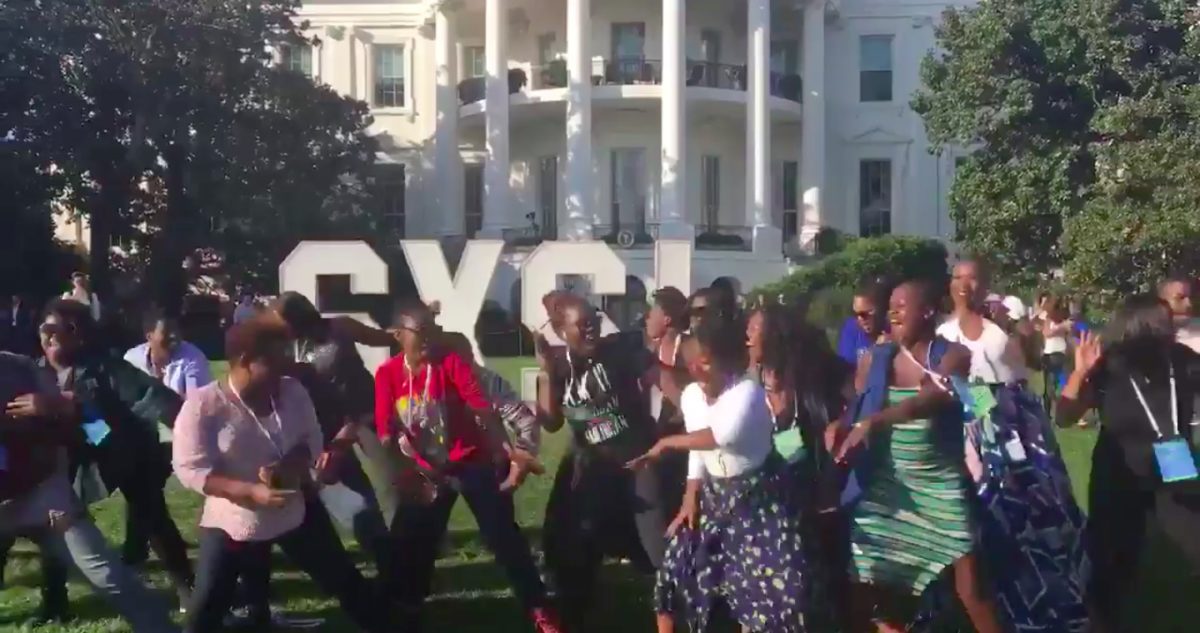
At its core, “Swag Surf” is a song accompanied by a specific dance: participants stand shoulder-to-shoulder, link arms or place hands on neighbors’ shoulders, and sway rhythmically from side to side. While the song debuted over a decade ago, its brand equity has only grown over time. This longevity is rare in the “viral” era, where trends typically have the shelf life of a few weeks.
From Viral Hit to Institutional Symbol
The transition of Swag Surf from a localized Atlanta club hit to a global brand identifier began with its adoption by Historically Black Colleges and Universities (HBCUs). For these institutions, the dance became more than a halftime tradition; it became a brand signal for resilience, joy, and community. When a brand can attach itself to a specific physical ritual, it moves from being a passive product to an active experience. In branding terms, this is known as “ritualization”—the process by which a behavior becomes synonymous with a specific group or event.
The Core Values of the Swag Surf Identity
Every successful brand is built on a set of core values. The Swag Surf “brand” is built on three pillars: confidence, inclusivity, and synchronicity. The word “swag” itself—a derivative of “swagger”—denotes a high level of self-assurance. When a sports team or a corporate entity adopts the Swag Surf, they are signaling to their audience that they possess this confidence. Because the dance requires physical connection with those nearby, it reinforces a brand promise of inclusivity. You cannot “surf” alone; the brand requires a collective.
Experiential Branding: The Power of Collective Movement
In the digital age, consumers are bombarded with visual advertisements. To cut through the noise, modern brand strategy prioritizes experience. Swag Surf represents the pinnacle of experiential branding because it transforms a spectator into a participant.
Strengthening the Fan-Team Bond
In professional sports, teams like the Atlanta Falcons, the Washington Commanders, and the Kansas City Chiefs have utilized Swag Surf to revitalize their stadium atmospheres. When 70,000 people engage in a synchronized movement, the “brand” of the team becomes visceral. It is no longer just a group of athletes on a field; it is a unified movement that includes the fans. This level of engagement creates high brand loyalty. Fans aren’t just watching a game; they are part of a ritual that produces a physical “high” through collective effervescence.
The Psychology of Synchronized Participation
From a psychological standpoint, synchronized movement (like the Swag Surf) triggers the release of endorphins and promotes social bonding. Brands that can trigger these physiological responses are significantly more memorable than those that rely on traditional media. By integrating Swag Surf into their events, organizations are leveraging neurobiology to cement their brand identity in the minds of their audience. It creates a “halo effect,” where the positive feelings generated by the dance are subconsciously transferred to the organization hosting the event.
Case Studies in Brand Integration: Sports, Education, and Pop Culture
To see the “Swag Surf” brand in action, one must look at the diverse sectors that have successfully integrated it into their own corporate or institutional identities. These case studies highlight how the movement functions as a versatile marketing tool.
The Kansas City Chiefs and the “Kelce Effect”
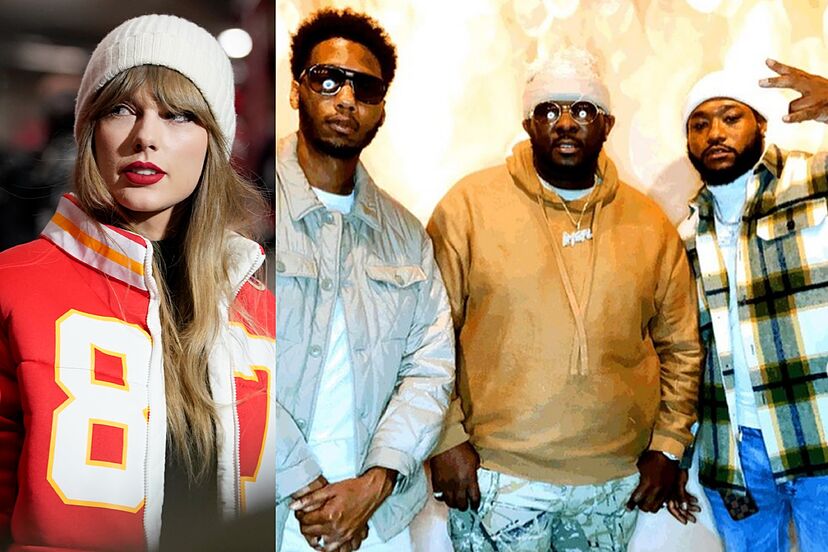
Recently, the Kansas City Chiefs have used Swag Surf as a cornerstone of their “Winners’ Brand.” Following high-profile victories, players like Travis Kelce have been seen leading the stadium in the dance. This was further amplified in pop culture when figures like Taylor Swift were seen participating. From a brand strategy perspective, this is “co-branding” at its finest. The Chiefs brand, the NFL brand, and the personal brands of superstars converged around a single rhythmic movement, creating a global marketing moment that felt authentic rather than manufactured.
HBCU Culture and the Preservation of Brand Heritage
For HBCUs, Swag Surf is a vital part of the “heritage brand.” It is performed by marching bands, alumni, and students alike. In this context, the dance serves as a bridge between generations. For these institutions, branding is about preserving a specific cultural narrative. Swag Surf acts as a “brand anchor”—a reliable, recurring element that ensures the institution’s identity remains consistent even as the student body changes every four years. It communicates a brand story of Black joy and excellence that is recognizable across the country.
Monetizing the Movement: Intellectual Property and Market Influence
While Swag Surf functions as a cultural symbol, it is also a commercial asset. The intersection of cultural movements and brand monetization is a complex but lucrative field.
Intellectual Property in the Digital Age
The creators of the song, Fast Life Yungstaz, have seen their brand reach a level of “evergreen” status that most artists envy. In the world of music branding, an “evergreen” asset is one that continues to generate revenue and relevance years after its release. Through licensing for films, television, and sports broadcasts, the Swag Surf brand continues to provide financial returns. This serves as a lesson for modern brands: creating a “lifestyle” asset is often more valuable than creating a “product” asset.
Content Strategy and Social Media Virality
On platforms like TikTok and Instagram, the Swag Surf brand continues to evolve through user-generated content (UGC). When a brand becomes the subject of a “challenge” or a recurring trend, its marketing is effectively outsourced to the consumer. For a brand to achieve this, it must be “remixable.” Swag Surf is the perfect brand asset because it is simple enough for anyone to do, yet visually impactful enough to stop a user from scrolling.
Building Your Own Cultural Catalyst: Lessons for Modern Brands
What can a brand strategist or business leader learn from the Swag Surf phenomenon? It is not about copying the dance, but about understanding the principles that made it a global identifier.
Authenticity Over Artificiality
The reason Swag Surf became a powerful brand is that its growth was organic. It started in the streets and the clubs before it moved to the boardroom. Brands today often fail because they try to manufacture “cool” from the top down. To build a brand with the staying power of Swag Surf, one must listen to the community first. Authentic branding is about identifying what your audience is already doing and finding a way to amplify it, rather than forcing a new behavior upon them.
Designing for Inclusivity and Participation
If you want your brand to “go viral” or become a staple in your industry, you must ask: “How can my audience participate in this?” A brand should not be a monologue; it should be a dialogue. Swag Surf succeeds because it literally asks the person next to you to join in. Whether you are designing a software interface, a physical product, or a corporate service, building in “collaborative” features allows your brand to spread through social proof and shared experience.
Conclusion: The Future of Movement-Based Branding
“Swag Surf” is much more than a song or a dance; it is a blueprint for the future of branding. In an increasingly isolated and digital world, brands that can provide a sense of physical and emotional connection will win. By studying how Swag Surf moved from a 2009 rap track to a global symbol of unity, companies can learn how to turn their own products into movements.
The ultimate goal of any brand is to become “culturally indelible”—to reach a point where the brand is so woven into the fabric of society that it no longer requires an advertising budget to survive. Swag Surf has achieved this. It is a brand that lives in the muscles, the memories, and the hearts of millions, proving that when you get people to move together, you create a brand that can never be forgotten.
aViewFromTheCave is a participant in the Amazon Services LLC Associates Program, an affiliate advertising program designed to provide a means for sites to earn advertising fees by advertising and linking to Amazon.com. Amazon, the Amazon logo, AmazonSupply, and the AmazonSupply logo are trademarks of Amazon.com, Inc. or its affiliates. As an Amazon Associate we earn affiliate commissions from qualifying purchases.