
In the world of global cinema, few phrases carry as much weight, stylistic expectation, and brand equity as “A Spike Lee Joint.” While most directors settle for the standard “Directed by” or “A Film by” credit, Spike Lee pioneered a linguistic and visual trademark that transcends the medium of film. To understand “what is a Spike Lee Joint” is to understand the mechanics of elite personal branding. It is a lesson in how a creator can transform their name into a seal of quality, a political statement, and a unique market position that remains unshakable after four decades.
The Origin of the Trademark: More Than a Credit
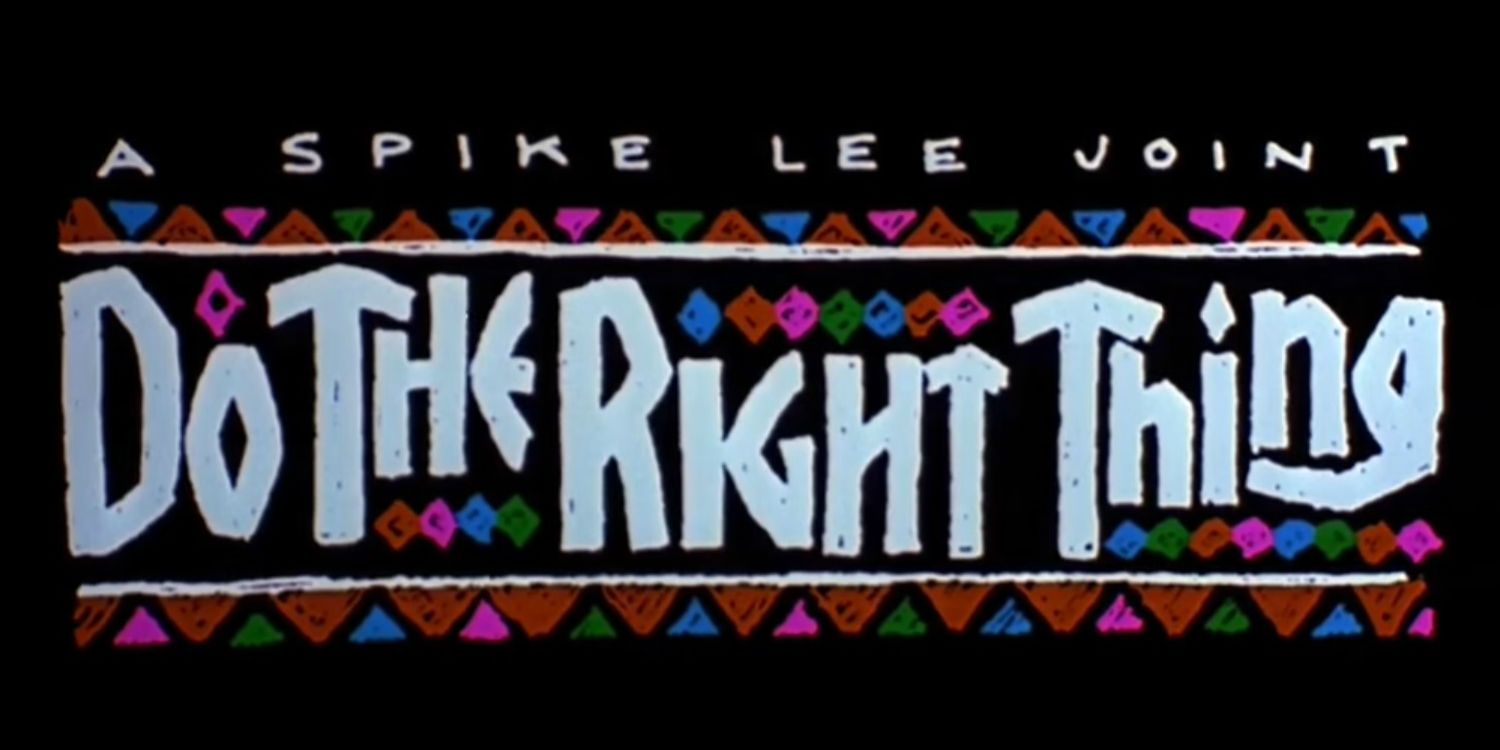
The phrase “A Spike Lee Joint” first gained prominence with his 1986 debut, She’s Gotta Have It. At its surface, it might seem like a simple stylistic choice, but from a brand strategy perspective, it was a radical act of differentiation. By shunning the industry-standard “A Film by Spike Lee,” the director immediately signaled that his work operated outside the traditional Hollywood apparatus.
The Semantics of “The Joint”
In branding, language is the primary vehicle for identity. The word “joint” is deeply rooted in African American Vernacular English (AAVE), often referring to a place, a gathering, or a specific creative endeavor. By choosing this word, Lee established an immediate brand voice that was authentic, urban, and community-oriented. It wasn’t just a movie for a passive audience; it was a “joint” for a specific cultural conversation.
Challenging the Auteur Theory
Traditional “Auteur Theory” suggests the director is the sole “author” of a film. However, Lee’s branding went a step further. While “A Film by” feels formal and distant, “A Spike Lee Joint” feels proprietary and personal. It suggests a handcrafted nature, much like a signature on a painting. For a brand, this level of ownership is vital; it ensures that the audience associates every visual, sound, and message directly with the creator’s personal ethos.
Consistency Across Decades
A brand is only as strong as its consistency. From Do the Right Thing (1989) to Da 5 Bloods (2020), the “Joint” moniker has remained a constant. This repetition has built immense brand recall. When a viewer sees those words on a screen, they are primed for a specific experience: bold colors, social commentary, and a rhythmic editing style. This is the hallmark of successful brand architecture—delivering on a promise made decades ago.
Visual and Narrative Identity: The Brand Assets
A brand is defined by its “distinctive brand assets”—the specific elements that allow consumers to identify the brand even without seeing the logo. For Spike Lee, these assets are both technical and thematic. A “Spike Lee Joint” is identifiable within seconds through a series of recurring stylistic “logos.”
The “Double Dolly” Shot
Perhaps the most famous visual asset in Lee’s brand kit is the “Double Dolly” shot. This technique involves placing both the actor and the camera on a moving dolly, creating an ethereal effect where the character appears to glide through a stationary background. From a branding standpoint, this is Lee’s “swoosh.” It is a proprietary visual signature that creates a sense of detachment and intensity, signaling to the audience that they are watching his specific perspective.
Thematic Positioning: “Wake Up!”
Every strong brand has a “Why.” For Spike Lee, the core brand value is social provocation. His films often begin or end with a call to “Wake Up!”—a literal and metaphorical demand for social consciousness. By positioning his brand around themes of racial justice, urban life, and political history, Lee has captured a niche that few other directors can claim. He doesn’t just make entertainment; he sells a perspective on the American experience.
Sonic Branding and the Jazz Influence
Branding isn’t just visual; it’s auditory. Through his long-standing collaboration with composer Terence Blanchard (and earlier with his father, Bill Lee), the “Spike Lee Joint” has a specific sonic identity. The use of swelling orchestral jazz and brass-heavy scores creates an atmosphere of urban grandeur. This consistency in sound ensures that a Spike Lee Joint sounds different from a Martin Scorsese film or a Steven Spielberg film.

The Strategy of Differentiation: Standing Out in the Hollywood Market
In a crowded marketplace, the goal of brand strategy is to create a “category of one.” Spike Lee achieved this by refusing to blend into the Hollywood studio system, instead building a brand that focused on independence and cultural authority.
40 Acres and a Mule Filmworks
To support the “Spike Lee Joint” brand, Lee established his own production company, 40 Acres and a Mule Filmworks. The name itself is a historical reference to the unfulfilled promise of reparations to formerly enslaved people in the United States. This naming convention aligns perfectly with his personal brand—it is political, historical, and uncompromising. By owning the production house, he ensured that his brand remained “pure” and untainted by corporate interference.
High-Profile Partnerships and Brand Extensions
A powerful personal brand allows for seamless expansion into other industries. The most notable example is Lee’s partnership with Nike and Michael Jordan. His character Mars Blackmon became the face of the Air Jordan commercials in the late 80s and early 90s. This wasn’t just a celebrity endorsement; it was a brand merger. The “Spike Lee Joint” aesthetic was applied to sneaker culture, proving that his brand was portable and could lend its “cool factor” to other global giants.
Cultivating a Loyal Brand Community
Spike Lee has never tried to appeal to everyone. This is a fundamental tenet of “Challenger Brand” strategy. By focusing on a core audience that values authenticity and social critique, he built a fiercely loyal community. When he turned to Kickstarter to fund Da Sweet Blood of Jesus, he bypassed traditional studios and went directly to his “customers.” The success of that campaign demonstrated the high level of brand equity he had built over the years.
Legacy and Modern Application: Lessons for Contemporary Brand Architects
The “Spike Lee Joint” serves as a blueprint for modern creators, influencers, and corporate leaders. In an age of digital noise, the ability to command a signature style is more valuable than ever.
The Importance of the “Creator Signature”
In the modern economy, “A Film by [Name]” has evolved into “A [Name] Production.” We see this with “A Shonda Rhimes Project” or “A Tyler Perry Production.” These creators are following the Spike Lee model: they are moving away from being employees of a studio and toward becoming brands in their own right. The lesson here is that your name should be synonymous with a specific “feeling” or “quality” that no one else can replicate.
Authentic Inclusivity as a Brand Value
Spike Lee was practicing “inclusive branding” decades before it became a corporate buzzword. By centering Black narratives and urban settings, he filled a market gap that the major studios were ignoring. Today’s brands can learn from this by identifying underserved segments of the market and building an identity that speaks directly to their lived experiences with genuine authenticity, rather than performative gestures.
Adapting While Maintaining Core Identity
While Lee’s brand is consistent, it is not stagnant. He has successfully moved between documentaries (When the Levees Broke), biopics (Malcolm X), and heist films (Inside Man). However, even in a heist film like Inside Man, the “Spike Lee Joint” fingerprints—the framing, the social undertones, the New York setting—are all present. This teaches us that a brand can evolve and enter new categories as long as its core DNA remains intact.

Conclusion: The Joint as a Standard of Excellence
Ultimately, “What is a Spike Lee Joint?” is a question that finds its answer in the intersection of art and commerce. It is a masterclass in how to package a creative vision into a recognizable, marketable, and enduring brand. By choosing a distinct name, cultivating unique visual assets, and maintaining a steadfast commitment to his core values, Spike Lee created more than just a body of work—he created a category of cinema.
For business leaders and marketing professionals, the takeaway is clear: success lies in the ability to turn your output into a “signature.” Whether you are building software, a consulting firm, or a creative agency, the goal is to reach a level of brand authority where your work is no longer just a product, but a “Joint”—a unique, indispensable experience that only you can provide.
aViewFromTheCave is a participant in the Amazon Services LLC Associates Program, an affiliate advertising program designed to provide a means for sites to earn advertising fees by advertising and linking to Amazon.com. Amazon, the Amazon logo, AmazonSupply, and the AmazonSupply logo are trademarks of Amazon.com, Inc. or its affiliates. As an Amazon Associate we earn affiliate commissions from qualifying purchases.