
In the rapidly evolving landscape of cinematic exhibition, the traditional movie-going experience has undergone a radical technological transformation. As home theaters adopt 4K OLED screens and spatial audio arrays, commercial cinemas have been forced to innovate to maintain their “larger-than-life” value proposition. One of the most prominent technological standards to emerge from this arms race is RPX, or the Regal Premium Experience.
While many patrons recognize RPX as a premium ticket tier, the underlying technology represents a sophisticated integration of visual engineering, acoustic design, and ergonomic hardware. RPX is not merely a larger screen; it is a proprietary technical specification designed by Regal Cinemas to compete with high-end formats like IMAX and Dolby Cinema. This article explores the technical nuances of the RPX format, from its laser projection systems to its immersive audio configurations.

The Architecture of Visual Fidelity: 4K and Laser Projection
At the heart of the RPX experience is a rigorous standard for visual output. Unlike standard digital cinema packages (DCP) that may rely on aging 2K xenon bulb projectors, RPX auditoriums are engineered to deliver a significant leap in pixel density, brightness, and color accuracy.
4K Digital Projection Systems
The baseline for an RPX theater is 4K digital projection. In technical terms, this means a resolution of approximately 4096 x 2160 pixels. While standard theaters often utilize 2K projection (2048 x 1080), the quadrupled pixel count in an RPX house ensures that even when sitting in the front rows, the image remains sharp and free of the “screen door effect.” This high resolution is critical for maintaining the integrity of modern films shot on high-end digital sensors like the Arri Alexa or Red V-Raptor.
The Shift to Laser Illumination
In recent years, many RPX locations have upgraded to Cinionic or Barco laser projection technology. Traditional projectors use high-intensity Xenon lamps, which suffer from “lumen decay”—a process where the bulb loses brightness and color accuracy over its lifespan. Laser projection, conversely, provides a consistent, high-brightness output for thousands of hours.
The technical advantage of laser in an RPX setting is twofold: contrast and color gamut. Laser light sources allow for deeper blacks because the light can be more precisely controlled and “turned off” in dark scenes. Furthermore, laser technology supports the Rec. 2020 color space, providing a wider range of visible colors than the older DCI-P3 standard used in conventional theaters.
High Frame Rate (HFR) Capability
RPX hardware is also built to handle High Frame Rate content. While the cinematic standard is 24 frames per second (fps), RPX systems are equipped to process 48, 60, or even 120 fps. This technology reduces motion blur and “judder” during high-action sequences, providing a hyper-realistic visual flow that is particularly effective in 3D presentations.
The Soundscape: Immersive Audio Engineering in RPX
Visuals are only half of the RPX equation. To create a truly immersive environment, Regal utilizes a custom-engineered audio tech stack that surpasses the standard 5.1 or 7.1 surround sound found in most multiplexes.
Spatial Audio and Dolby Atmos Integration
The pinnacle of RPX audio technology is the integration of Dolby Atmos or similar object-based audio systems. Unlike traditional “channel-based” audio, where sound is sent to a specific speaker (left, right, or rear), object-based audio treats sound as a 3D coordinate. In an RPX theater, metadata tells the sound system exactly where a sound should “exist” in the room.
To achieve this, RPX theaters are outfitted with an array of overhead speakers and side-wall transducers. This creates a hemispherical sound field, allowing the audience to hear a helicopter fly directly over their heads or a rainstorm that feels as though it is falling from the ceiling.
High-Efficiency Transducers and Subwoofers
The technical specifications for RPX audio require a higher decibel ceiling with lower distortion levels. This is achieved through the use of high-efficiency horn-loaded speakers and massive subwoofer arrays located behind the screen and at the rear of the hall. These subwoofers are tuned to produce “infrasonic” frequencies—sounds so low that they are felt by the body rather than heard by the ear. This tactile engagement is a hallmark of the RPX technical philosophy: moving the audience physically through sound pressure.
Acoustic Tuning and Isolation
An often-overlooked tech component of RPX is the room’s acoustic treatment. The walls are lined with specialized diffraction and absorption panels designed to eliminate “standing waves” and echoes. This ensures that the high-frequency sounds remain crisp while the low-frequency bass does not become “muddy” or bleed into adjacent auditoriums.
Ergonomic and Haptic Technology: Redefining the Seating Experience
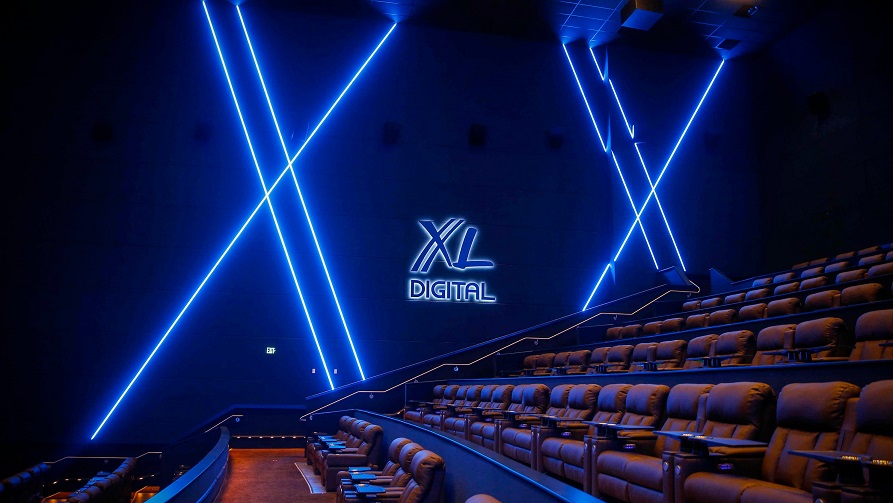
The “experience” in Regal Premium Experience extends to the hardware the audience sits in. RPX auditoriums are used as a testing ground for the latest in cinema seating technology, focusing on both comfort and sensory feedback.
Luxury Recliner Mechanics
Modern RPX installations feature custom-designed luxury recliners. These are not merely padded chairs; they are motorized pieces of industrial design. Most RPX seats utilize high-torque electric motors that allow for granular adjustment of the headrest and footrest. The materials are typically high-durability synthetic leathers designed to be acoustically neutral, ensuring they do not reflect sound in a way that interferes with the room’s audio calibration.
Haptic Feedback: Buttkicker Technology
One of the most unique tech features found in select RPX theaters is the “Buttkicker” low-frequency transducer system. These devices are bolted directly to the frame of the seating. They are synchronized with the film’s audio track to vibrate the chair in response to low-frequency events on screen, such as explosions or the roar of an engine. This creates a “4D” sensation without the motorized movement of specialized formats like 4DX, keeping the focus on the technical precision of the movie itself.
Optimized Sightlines and Screen Curvature
The engineering of an RPX room involves a “wall-to-wall and ceiling-to-floor” screen configuration. To maintain focus across such a massive surface area, the screens are often slightly curved. This curvature is a technical solution to “pincushion distortion,” ensuring that the distance from the projector lens to the center of the screen is roughly the same as the distance to the edges. This results in uniform brightness and sharpness across the entire field of view.
RPX vs. Other Premium Formats: A Technical Comparison
To understand RPX fully, it is helpful to look at how its technical specifications compare to other industry leaders like IMAX or ScreenX.
RPX vs. IMAX: Proprietary Standards
IMAX is known for its proprietary aspect ratio (1.90:1 or 1.43:1) and custom-built cameras. RPX, however, is a “format-agnostic” premium experience. While IMAX requires films to be specifically formatted or shot with IMAX-certified cameras to take full advantage of the screen, RPX is designed to maximize the quality of any high-resolution DCP.
Technically, RPX offers more flexibility in seating—often featuring more advanced recliners than older IMAX “Grand Theater” layouts. While IMAX focuses on the verticality of the screen, RPX focuses on the “envelope” of the experience: combining high-end projection with superior seating and uncompressed audio.
The Role of Digital Signal Processing (DSP)
RPX utilizes advanced Digital Signal Processing to optimize the movie’s source material for its specific hardware. This involves real-time calibration of audio levels and brightness to ensure the film meets Regal’s “Premium Experience” benchmarks. This “mastering” layer ensures that even if a film wasn’t shot with “premium” in mind, the RPX tech stack extracts the maximum possible data from the digital file.
The Future of Cinema Tech: What’s Next for RPX?
The technology within RPX is not static. As display and audio engineering continue to advance, the RPX standard evolves to incorporate these innovations.
MicroLED and Direct-View Displays
While projection has been the standard for over a century, the next technical frontier for RPX may be the shift to MicroLED “direct-view” screens. These screens operate like giant televisions, eliminating the need for a projection booth. This would allow for infinite contrast ratios (true blacks) and brightness levels that projection simply cannot match. If RPX adopts this technology, it would represent the most significant shift in cinema history since the transition from film to digital.

AI-Driven Audio Calibration
Future RPX theaters are expected to utilize AI-driven acoustic sensors. These systems can detect the number of people in a room and adjust the audio output in real-time to compensate for the sound absorption of human bodies. This ensures that a theater with ten people sounds exactly the same as a theater with three hundred, maintaining the technical integrity of the director’s original sound mix.
In conclusion, RPX is a comprehensive technical ecosystem. It is a synergy of 4K laser projection, object-based spatial audio, and haptic ergonomic hardware. For the technophile, it represents the current peak of commercial cinema engineering, offering a high-fidelity environment that justifies the move from the living room back to the silver screen. As cinema technology continues to push the boundaries of human perception, formats like RPX will remain at the forefront, defining how we witness the art of visual storytelling.
aViewFromTheCave is a participant in the Amazon Services LLC Associates Program, an affiliate advertising program designed to provide a means for sites to earn advertising fees by advertising and linking to Amazon.com. Amazon, the Amazon logo, AmazonSupply, and the AmazonSupply logo are trademarks of Amazon.com, Inc. or its affiliates. As an Amazon Associate we earn affiliate commissions from qualifying purchases.