
The landscape of modern healthcare is no longer defined solely by the stethoscope and the manual chart. Instead, it is being reshaped by high-velocity data, artificial intelligence, and sophisticated hardware. When we ask “what is respiratory care” in the context of the 21st century, we are not just talking about the clinical practice of treating lung disease; we are discussing a high-tech frontier where engineering meets physiology. Today, respiratory care is a specialized field of MedTech dedicated to the maintenance, restoration, and optimization of cardiopulmonary function through advanced technological interventions.
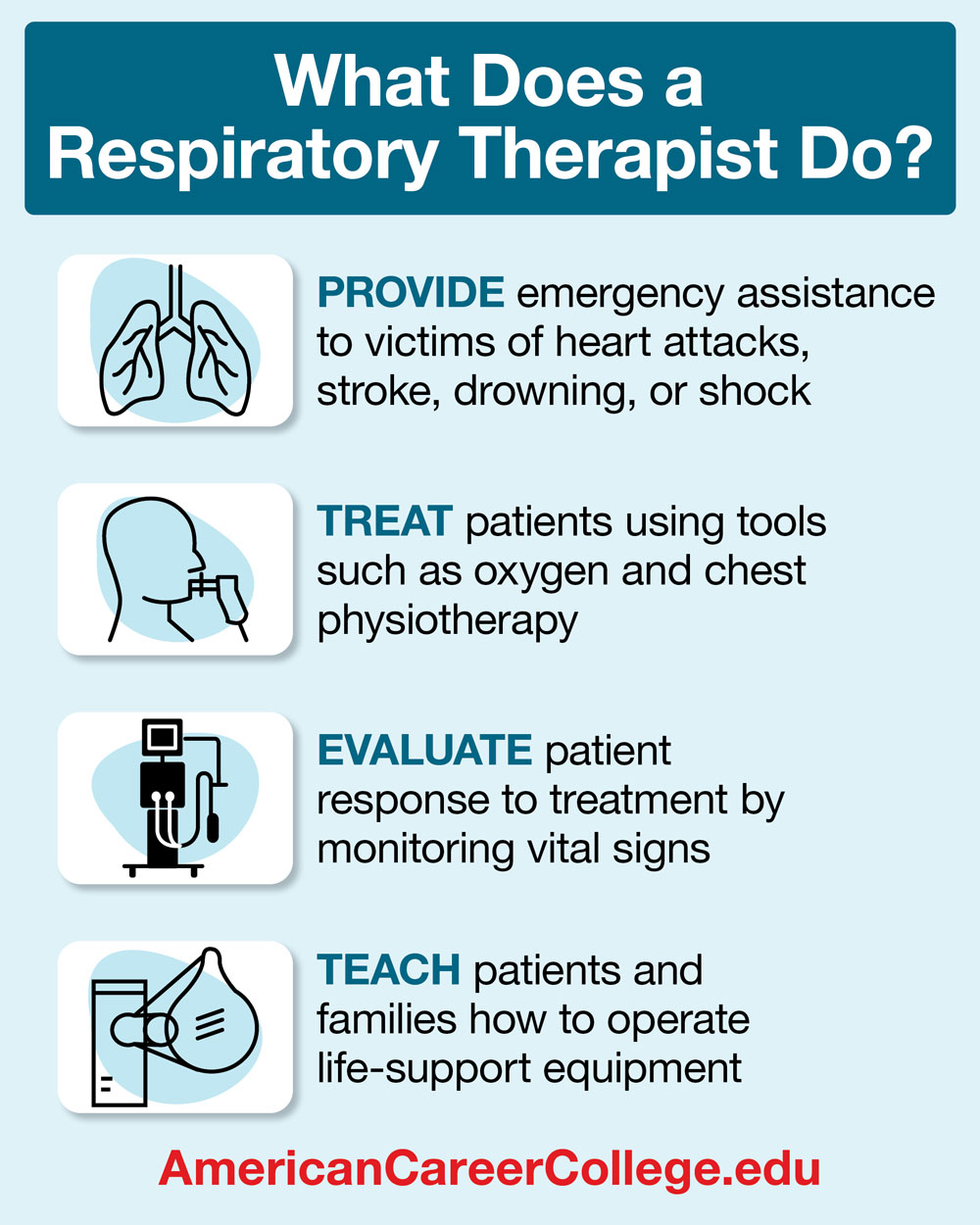
As the global burden of chronic obstructive pulmonary disease (COPD), asthma, and post-viral respiratory complications grows, the technology supporting this field has moved from the periphery to the center of medical innovation. From the integration of AI-driven ventilators to the rise of smart wearable monitoring devices, the digital transformation of respiratory care is saving lives while increasing the efficiency of healthcare systems worldwide.
Defining Respiratory Care through the Lens of Modern Technology
Historically, respiratory care was viewed as a supportive role within a hospital—monitoring oxygen levels and managing basic mechanical ventilation. However, the tech revolution has expanded this definition. In the modern era, respiratory care is the deployment of sophisticated life-support systems and diagnostic software designed to manage complex airway pathologies.
From Manual Bellows to Intelligent Algorithms
The evolution of the ventilator is perhaps the most significant success story in medical engineering. Early ventilators were simple mechanical pumps that delivered a fixed volume of air. Today, “respiratory care” involves the use of intelligent life-support platforms. These machines utilize high-speed sensors to detect a patient’s spontaneous breathing efforts in milliseconds, adjusting pressure and flow to synchronize perfectly with the patient’s biology. This “patient-ventilator synchrony” is managed by complex feedback loops and proprietary software, reducing the trauma to lung tissue and speeding up recovery times.
The Digital Transformation of Diagnostic Testing
Diagnostics have similarly undergone a digital overhaul. Pulmonary Function Testing (PFT), once a cumbersome process involving large, stationary machines, has become a streamlined digital experience. Modern spirometers are now ultra-portable gadgets that connect via Bluetooth to cloud-based platforms. These tools use advanced flow-sensing technology (such as ultrasonic transducers) to capture precise data points, which are then analyzed by software to identify patterns of obstruction or restriction with a level of accuracy that far exceeds manual calculation.
AI and Machine Learning: The New Brain of Respiratory Support
If the hardware provides the “muscle” of respiratory care, Artificial Intelligence (AI) provides the “brain.” The integration of machine learning into respiratory medicine is shift from reactive treatment to proactive, predictive care. By analyzing massive datasets, AI tools can now identify subtle changes in a patient’s respiratory status long before a human clinician might notice them.
Predictive Analytics in Acute Respiratory Distress Syndrome (ARDS)
ARDS is one of the most challenging conditions in intensive care. Technology is now addressing this through predictive modeling. AI algorithms can scan electronic health records (EHR) and real-time ventilator data to predict the onset of ARDS with high sensitivity. By identifying “digital biomarkers”—specific patterns in breathing frequency, tidal volume, and oxygen saturation—software can alert medical teams to intervene hours before a clinical crash occurs. This is the essence of modern respiratory tech: using data as a preventive shield.
AI-Enhanced Imaging and Pattern Recognition
The interpretation of chest X-rays and CT scans is another area where respiratory care is being revolutionized by tech. AI-driven imaging software can now highlight lung nodules, detect early signs of pneumonia, or quantify the extent of emphysema with remarkable precision. These tools act as a “second pair of eyes” for radiologists and respiratory therapists, ensuring that no detail is missed in the high-stakes environment of the emergency room or the ICU.
The Gadget Revolution: Wearables and Remote Monitoring
The definition of respiratory care has expanded beyond the walls of the hospital into the daily lives of patients. This is made possible by a new generation of gadgets and “Hospital-at-Home” technologies. For patients with chronic conditions, these tools represent a shift toward autonomy and continuous safety.
Smart Inhalers and Patient Adherence
One of the most persistent challenges in respiratory care is medication adherence. Tech companies have solved this with “smart inhalers.” These gadgets are equipped with sensors that attach to standard pressurized metered-dose inhalers (pMDIs). They track when a dose is taken, evaluate the quality of the patient’s inhalation technique, and sync this data to a smartphone app. For the clinician, this provides a digital log of patient behavior; for the patient, the app provides reminders and educational tutorials, effectively using software to improve physiological outcomes.
IoT-Enabled Pulse Oximetry and Continuous Monitoring
The Internet of Things (IoT) has brought about a revolution in how we monitor oxygen levels. Modern pulse oximeters are no longer just “clips” used in a clinic; they are wearable rings, watches, and patches that provide 24/7 monitoring. These devices use photoplethysmography (PPG) to track oxygen saturation (SpO2) and heart rate, uploading the data to a secure cloud where algorithms can detect patterns of nocturnal desaturation (common in sleep apnea) or sudden drops associated with respiratory distress. This constant stream of data allows for a “tele-respiratory” model of care where interventions can happen in real-time, even from miles away.
Specialized Software and the Digitized Respiratory Workflow
Beyond the hardware and the gadgets lies the software ecosystem that connects everything. The management of respiratory care now requires a robust digital infrastructure to handle the sheer volume of data generated by modern lung-health gadgets.
Tele-Respiratory Services and Virtual Clinics
The rise of telehealth has birthed “tele-respiratory” care. Specialized software platforms now allow respiratory therapists to conduct remote ventilator checks, review PFT results, and lead pulmonary rehabilitation sessions via high-definition video. These platforms are not just simple video calls; they are integrated hubs where a therapist can remotely view a patient’s live ventilator data or oxygen concentrator status. This tech-driven approach is particularly vital for rural populations who previously lacked access to specialist lung care.
Integrated EMR Systems for Lung Health Data
Electronic Medical Record (EMR) systems have evolved to include specialized modules for respiratory care. These modules aggregate data from various sources—ventilators, arterial blood gas analyzers, and bedside monitors—into a single dashboard. This “single source of truth” allows for the implementation of automated clinical decision support (CDS) tools. For example, if a patient’s data meets certain criteria, the software might suggest a “weaning protocol,” prompting the clinician to begin the process of removing the patient from mechanical ventilation, thereby reducing hospital stay duration.
Looking Ahead: The Next Decade of Respiratory Innovation
The future of respiratory care lies in the miniaturization of technology and the personalization of treatment. We are moving toward an era of “Precision Respiratory Medicine,” where tech allows us to tailor interventions to a patient’s specific genetic and physiological profile.
Nanotechnology and Targeted Drug Delivery
At the cutting edge of tech are new methods of delivering medication directly to the deep tissues of the lung. Nanotechnology is being used to develop smart nebulizers that can aerosolize particles to a specific micron size, ensuring they reach the alveoli rather than getting trapped in the upper airways. Furthermore, programmable “nanobots” are being researched as a way to clear mucus or deliver localized chemotherapy for lung cancer, representing the ultimate fusion of robotics and respiratory therapy.

The Role of 3D Printing in Lung Modeling
3D printing is also making its mark on the niche. Surgeons and respiratory specialists now use 3D-printed models of a patient’s specific airway anatomy to plan complex procedures or to create custom-fitted stents. This “digital twin” approach reduces surgical risk and improves the success rate of structural respiratory interventions.
In conclusion, respiratory care is no longer a static medical field; it is a dynamic sector of the technology industry. It is a world of predictive algorithms, IoT-connected devices, and life-saving software. As we continue to innovate, the boundary between the machine and the biological system will continue to blur, leading to a future where every breath is supported by the most advanced technology humanity has to offer. For the patient, this means better outcomes, and for the healthcare provider, it means having a more powerful digital toolkit to combat some of the most challenging diseases of our time.
aViewFromTheCave is a participant in the Amazon Services LLC Associates Program, an affiliate advertising program designed to provide a means for sites to earn advertising fees by advertising and linking to Amazon.com. Amazon, the Amazon logo, AmazonSupply, and the AmazonSupply logo are trademarks of Amazon.com, Inc. or its affiliates. As an Amazon Associate we earn affiliate commissions from qualifying purchases.