
In the modern marketplace, the word “real” has transitioned from a simple adjective to a high-stakes branding asset. When we ask, “What is real cheese?” we are rarely asking for a biological or chemical breakdown of casein and lipids. Instead, we are engaging in a complex discussion about brand strategy, consumer trust, and the psychology of authenticity. In an era dominated by hyper-processed alternatives and “food-like substances,” the definition of “real” has become the primary battleground where heritage brands fight for survival against industrial efficiency.
For brand strategists, the “Real Cheese” debate is a masterclass in how to differentiate a product in a saturated market. It is about moving a product from the category of a “commodity” to that of an “experience.” This article explores how the concept of “real cheese” serves as a foundation for corporate identity, marketing integrity, and the future of consumer-packaged goods (CPG).
1. The Semantic Power of “Real” in Brand Strategy
The word “real” functions as a powerful heuristic for consumers. It signals transparency, quality, and a lack of hidden agendas. In the context of the dairy industry, branding a product as “real” is a defensive maneuver designed to distance a company from the negative connotations of industrialization.
The Semantics of Sincerity
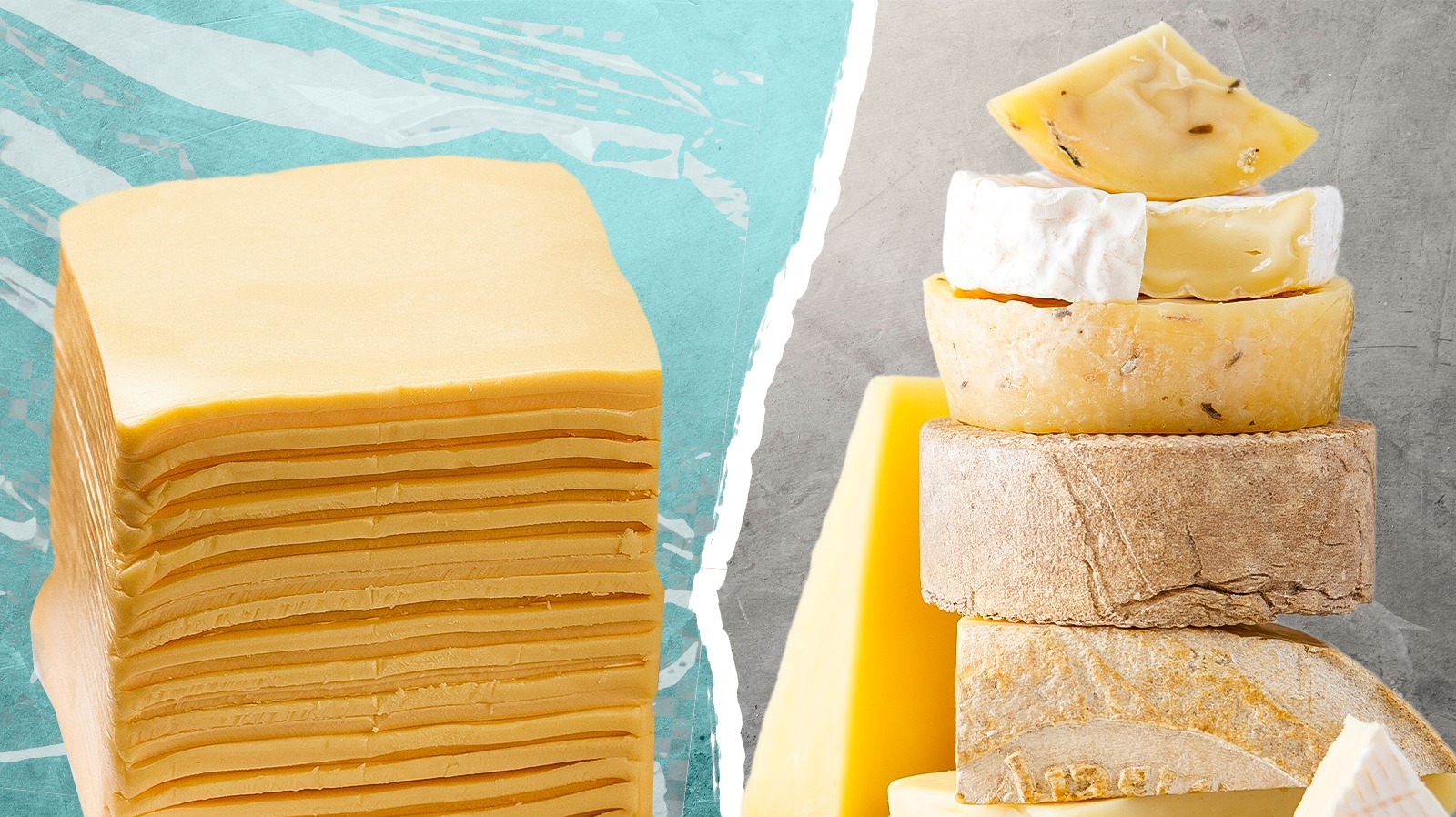
When a brand labels its product as “Real Cheese,” it is making a claim of sincerity. In marketing terms, sincerity is one of the five dimensions of brand personality. By emphasizing “realness,” a brand positions itself as down-to-earth, honest, and wholesome. This is a direct response to the “uncanny valley” of processed foods—products that look like cheese and melt like cheese but lack the soul (and the nutritional profile) of the genuine article. From a strategic standpoint, “real” acts as a shorthand for “unadulterated,” allowing brands to bypass complex ingredient lists and go straight to the consumer’s emotional core.
Authenticity as a Market Differentiator
In brand strategy, authenticity is often defined as the degree to which a brand’s internal values are reflected in its external products. For artisanal cheesemakers, the “realness” of their product is their primary competitive advantage. They cannot compete with Kraft or Velveeta on price, so they must compete on the “Real Cheese” narrative. This involves highlighting the provenance of the milk, the specificity of the bacterial cultures, and the patience of the aging process. By defining “real” through these rigorous standards, these brands create a “premiumization” effect, justifying a higher price point by framing everything else as an imitation.
2. The Regulatory Moat: Protecting the “Real” Brand
One of the most effective ways to build a brand is to create a “moat” around it—a barrier that competitors cannot easily cross. In the world of real cheese, this moat is constructed through legal definitions and regulatory frameworks.
Protected Designations and Geographic Branding
The European Union has mastered the art of geographic branding through systems like the PDO (Protected Designation of Origin) and PGI (Protected Geographical Indication). When a consumer buys “Parmigiano-Reggiano,” they are not just buying cheese; they are buying a brand that is legally tethered to a specific region in Italy. The “realness” of this cheese is legally protected. If it wasn’t made in Parma or Reggio Emilia using traditional methods, it cannot use the name. This is a brilliant brand strategy that turns geography into a trademark, ensuring that the “real” version of the product remains a scarce and valuable luxury good.
Labeling Laws: The War Against “Cheese Product”
In the United States, the FDA maintains strict “Standards of Identity” for cheese. This is why many slices used in fast-food burgers are labeled as “Pasteurized Prepared Cheese Product” rather than “Cheese.” From a branding perspective, this is a catastrophic failure of identity for the processed industry, but a massive victory for the “Real Cheese” camp. Brands that meet the FDA criteria for “real” cheese use this as a cudgel in their marketing. The “Real Seal” (the iconic red logo found on American dairy products) is a B2B and B2C branding tool designed to certify that the product is a legitimate dairy result, effectively de-branding the competition as “fake.”
3. Consumer Perception: The Psychology of the Premium
The shift in what consumers consider “real” is closely tied to the “Clean Label” movement. Today’s consumer is increasingly skeptical of long ingredient lists filled with emulsifiers, stabilizers, and preservatives.
The Rise of the Artisanal Narrative
Brand identity is no longer just about the logo; it’s about the story. The “Real Cheese” movement has thrived by pivoting toward storytelling. Brands like Kerrygold or Tillamook have successfully scaled while maintaining an “artisanal” feel. They do this by focusing their marketing on “the cows,” “the grass,” and “the farmer.” By humanizing the production process, they reinforce the “realness” of the product. The psychological impact is profound: consumers feel that by purchasing these brands, they are supporting a more “real” way of life, diametrically opposed to the sterile, laboratory-controlled environment of processed alternatives.
Transparency and the Clean Label Movement
For a brand to be perceived as “real,” it must be transparent. In the food industry, transparency is the new currency of trust. Brands that disclose their sourcing, their treatment of livestock, and their minimal processing techniques are winning the market share of Millennials and Gen Z. These demographics equate “real” with “ethical.” Therefore, the brand strategy for real cheese has evolved beyond just taste and texture; it now encompasses social responsibility. A “real” brand is one that has nothing to hide.
4. Strategic Positioning: How Brands Navigate the “Real” Spectrum
Not every brand can be a $50-a-pound cave-aged Gruyère. Brand strategy requires finding a “sweet spot” on the spectrum between artisanal purity and mass-market utility.
Case Study: Traditionalism vs. Mass-Market Utility
Consider the brand positioning of Cabot Creamery. They are a massive co-operative, yet they maintain a “real cheese” brand identity by leaning into their B-Corp status and their farmer-owned heritage. They provide “real” cheese at a price point accessible to the average family. Their strategy is to be the “Real Cheese for Real People.” This positioning allows them to compete with both the ultra-premium artisanal brands and the low-cost processed brands by offering a value proposition that combines authenticity with affordability.
Rebranding the Synthetic: The Vegan Cheese Challenge
The most fascinating development in the “real” brand war is the rise of plant-based “cheeses.” Traditional dairy brands have fought hard to prevent these products from using the word “cheese” at all. This is a battle over the “ownership” of the category. If a brand like Miyoko’s Creamery can successfully market “Real Vegan Cheese,” they threaten the core identity of the dairy industry. The dairy industry’s counter-strategy has been to double down on the biological definition of “real”—arguing that if it doesn’t come from a mammary gland, it isn’t real. This linguistic tug-of-war illustrates just how vital the word “real” is to a brand’s market value.
5. The Future of Real: Sustainability and Brand Longevity
As we look toward the future, the definition of “real” is likely to shift again. As climate change impacts dairy production and lab-grown dairy (precision fermentation) enters the market, brands will have to redefine authenticity once more.
Ethical Sourcing as the New Quality Standard
In the coming decade, “real” will increasingly be synonymous with “regenerative.” Brands that can prove they are sequestering carbon or improving soil health through their grazing practices will own the “real” narrative. The brand strategy will move from “What is in the cheese?” to “What did the cheese do for the planet?” This represents a higher level of brand maturity, where authenticity is measured by the brand’s total impact on the ecosystem.
Conclusion: Why “Real” is the Ultimate Brand Asset
“What is real cheese?” is a question with a multi-billion dollar answer. In the world of brand strategy, “real” is the ultimate defense against commoditization. It is the foundation of trust, the driver of premium pricing, and the heart of consumer loyalty. Whether through legal protections, artisanal storytelling, or ethical transparency, brands that successfully claim the mantle of “real” are the ones that will survive the shift toward more conscious consumption. In a world of digital replicas and synthetic substitutes, the hunger for something genuine—something “real”—has never been stronger. For any brand in the food space, the lesson is clear: authenticity isn’t just a marketing tactic; it is the product itself.
aViewFromTheCave is a participant in the Amazon Services LLC Associates Program, an affiliate advertising program designed to provide a means for sites to earn advertising fees by advertising and linking to Amazon.com. Amazon, the Amazon logo, AmazonSupply, and the AmazonSupply logo are trademarks of Amazon.com, Inc. or its affiliates. As an Amazon Associate we earn affiliate commissions from qualifying purchases.