
In the modern digital economy, savvy consumers are constantly looking for ways to stretch their dollars. Amazon, the world’s largest online retailer, offers a variety of financial tools and incentives that go beyond simple price drops and coupon codes. One of the most misunderstood yet valuable components of this ecosystem is the “Promotional Balance.” Unlike a standard gift card balance, which represents pre-paid currency, a promotional balance is a unique form of digital credit earned through specific actions, incentives, or customer service resolutions.
For those focused on personal finance and optimizing their household budget, understanding how to earn, track, and spend this balance is essential. It represents “found money”—a way to offset the costs of digital entertainment, household essentials, and even luxury purchases without dipping into your primary bank account.
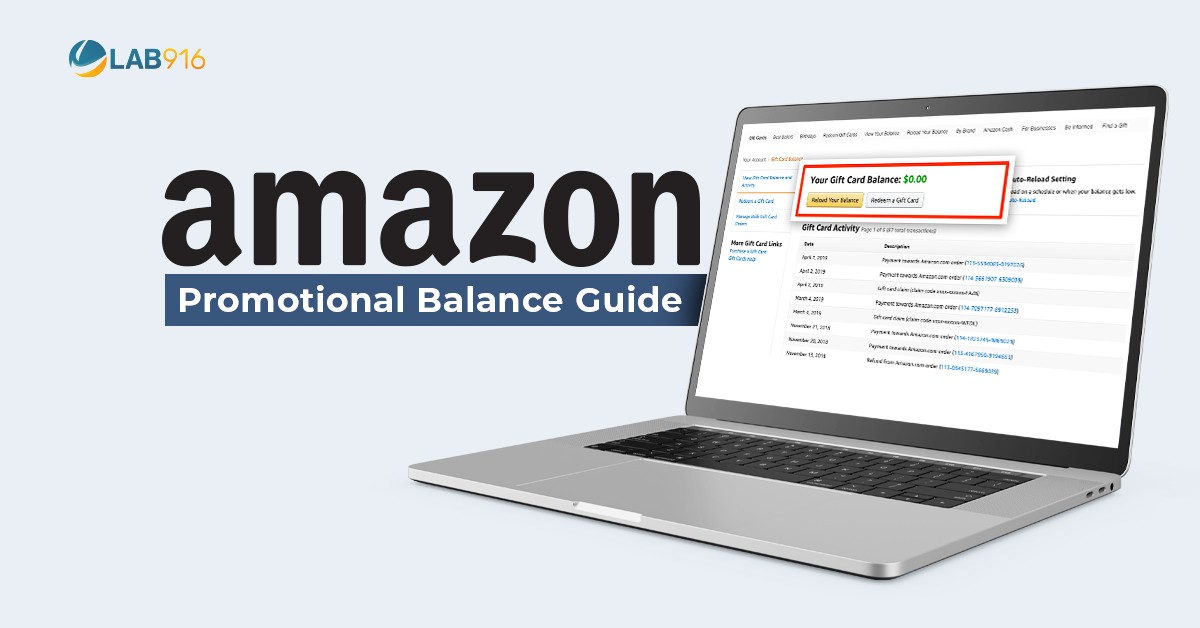
The Mechanics of Amazon Promotional Balance: How It Differs from Gift Cards
To manage your finances effectively on Amazon, you must first distinguish between the various types of “credits” associated with your account. While they all appear under the umbrella of your Amazon Wallet, their utility and origin vary significantly.
Gift Card Balance vs. Promotional Credit
A gift card balance is straightforward: it is a cash equivalent that has been loaded onto your account, either by you or a benefactor. It has no expiration date (in most jurisdictions) and can be used on almost anything sold on the platform.
In contrast, a promotional balance is a credit awarded by Amazon. It is often restricted to specific categories—such as Kindle books, digital music, or Prime Video rentals—and almost always carries an expiration date. From a financial planning perspective, gift cards are assets you own, whereas promotional balances are “incentive assets” that require strategic use before they vanish.
Where the Money Comes From
Promotional balances typically enter your account through one of three primary channels:
- Shipping Incentives: Choosing “No-Rush Shipping” at checkout often rewards Prime members with a small digital credit (usually $1 to $3).
- Customer Service Adjustments: If a delivery is delayed or an item is damaged, Amazon representatives may issue a promotional credit as a gesture of goodwill.
- Marketing Campaigns: Amazon frequently runs “spend-and-get” promotions, such as “Spend $20 on select eBooks, get a $5 credit.”
Locating Your Hidden Funds
One of the frustrations for many users is that promotional balances are not always visible on the main “Gift Card” page. To view these credits, you often have to navigate to specific landing pages, such as the “Digital Content” settings or the “No-Rush Credit” summary page. Understanding this visibility gap is the first step in ensuring these financial benefits don’t go to waste.
Maximizing Your Digital Wallet: Strategies for Accumulating Credits
For the budget-conscious shopper, accumulating promotional balance is a proactive strategy rather than a passive occurrence. By aligning your shopping habits with Amazon’s incentive structures, you can build a significant “side fund” for your digital needs.
Leveraging the “No-Rush” Strategy
The most consistent way to build a promotional balance is through the No-Rush Shipping program. If you are a Prime member and do not need an item immediately, opting for a slower delivery speed provides a credit that can be applied to digital products. For a frequent shopper, opting for No-Rush on ten packages a month could yield $20 to $30 in credits—essentially paying for a monthly subscription or several high-quality digital movies.
The Amazon Trade-In Program
While some trade-ins result in a direct gift card balance, many include a “promotional bonus.” For example, trading in an old Kindle might give you a $20 gift card plus a 20% promotional discount toward a new device. Understanding how to stack these offers is a hallmark of sophisticated personal finance management within the Amazon ecosystem.
Seasonal and Prime Member Promotions
Amazon’s financial tools are most aggressive during Prime Day and Black Friday. During these windows, the company often offers “recharge” bonuses—such as a $10 promotional credit when you load $100 onto your gift card balance. For those who shop at Amazon regularly, this represents a 10% guaranteed return on investment, a rate that far outpaces traditional savings accounts.
The Financial Impact: Budgeting and Savvy Shopping
Integrating your promotional balance into your broader personal finance strategy requires a shift in mindset. You should view these credits not as “coupons” but as a dedicated “Digital Entertainment and Sundries Fund.”

Offsetting Essential Purchases
Many promotional credits are “Global,” meaning they apply to any item shipped and sold by Amazon.com. Using these credits for recurring household essentials—like laundry detergent or pantry staples—directly reduces your monthly cash outflow. When you use a $10 credit earned from a shipping delay to buy dish soap, that is $10 that remains in your high-yield savings account or investment portfolio.
Tracking Expiration Dates to Prevent Loss
From a financial standpoint, letting a promotional balance expire is equivalent to losing cash. Because Amazon does not always send notifications when a credit is about to expire, it is prudent to set a monthly “digital audit.” By checking your balance once every 30 days, you can ensure that you are “spending” your credits on items you would have bought anyway, thereby maximizing the utility of every cent.
The Psychological Benefit of “Free” Capital
There is a psychological advantage to having a separate promotional balance. It allows for “guilt-free” spending on low-cost luxuries. If you enjoy reading but are on a strict budget, using earned promotional credits for Kindle books ensures that your hobby does not interfere with your primary financial goals, such as debt repayment or emergency fund building.
Rules of Engagement: Restrictions and the Fine Print
To master the use of promotional balances, one must understand the legal and technical limitations imposed by Amazon. These restrictions are what distinguish promotional credits from “real” money, and failing to account for them can lead to budgeting errors.
Physical vs. Digital Restrictions
Most promotional balances are bifurcated. Credits earned from No-Rush shipping are almost exclusively for digital goods (App Store apps, Kindle books, Prime Video). However, credits issued by customer service are often “Physical Goods” credits. If you attempt to buy a physical book with a digital-only credit, the discount will not apply, and your primary payment method will be charged. Always verify the “Terms and Conditions” link associated with the credit.
The “Sold by Amazon” Proviso
Perhaps the most important restriction is the “Sold and Shipped by Amazon” rule. Amazon is a marketplace, and a significant portion of its inventory is held by third-party sellers. In almost all cases, promotional balances cannot be used on third-party items, even if those items are “Fulfilled by Amazon.” If your balance isn’t applying at checkout, check the seller’s name. This distinction is vital for accurate financial planning during large shopping events.
Non-Transferability and Account Security
Unlike gift cards, which can sometimes be transferred or sold (though often against terms of service), promotional balances are tied strictly to the individual account that earned them. They have no “cash value” outside of the Amazon ecosystem. This means they cannot be withdrawn to a bank account or used to pay for Amazon Prime membership fees.
Advanced Money-Saving Tactics: Stacking and Conversion
Once you have mastered the basics, you can use advanced tactics to squeeze even more value out of your promotional balance.
Stacking Credits with Coupons and Sales
The real power of the promotional balance is realized when it is “stacked.” For instance, if a Kindle book is on sale for $4.99 and you have a $5 promotional credit, your total out-of-pocket cost is $0.00. By waiting for “Daily Deals” to use your credits, you effectively double or triple the purchasing power of each promotional dollar.
Converting Credits into Future Value
While you cannot withdraw these funds, you can sometimes use them to buy “pre-paid” services. For example, if you have a promotional balance that applies to the Amazon App Store, you might use it to pay for a month of a streaming service (like Disney+ or Paramount+) if billed through Amazon. This converts a temporary Amazon credit into a utility that you would otherwise pay for with cash.
Utilizing the Amazon Assistant
Using tools like the Amazon Assistant browser extension can help you track price drops on items you intend to buy with your credits. This ensures that when you finally apply your promotional balance, you are doing so at the item’s lowest historical price point, maximizing the efficiency of your “earned” money.
Conclusion: The Role of Promotional Balance in Financial Wellness
At first glance, an Amazon promotional balance might seem like a minor perk or a marketing gimmick. However, when viewed through the lens of personal finance and resource optimization, it reveals itself as a potent tool for the modern consumer. By understanding the nuances between gift cards and promotional credits, actively seeking out accumulation strategies, and respecting the operational restrictions, you can turn your Amazon account into a self-sustaining ecosystem of digital value.
In an era where every dollar counts, mastering these “micro-financial” tools allows you to maintain your lifestyle and enjoy digital content without compromising your broader financial health. The Amazon promotional balance is more than just a discount—it is a strategic asset for the savvy digital spender.
aViewFromTheCave is a participant in the Amazon Services LLC Associates Program, an affiliate advertising program designed to provide a means for sites to earn advertising fees by advertising and linking to Amazon.com. Amazon, the Amazon logo, AmazonSupply, and the AmazonSupply logo are trademarks of Amazon.com, Inc. or its affiliates. As an Amazon Associate we earn affiliate commissions from qualifying purchases.