
In the landscape of modern digital communication, the concept of “paragraph format” has transitioned from a simple rule of grammar to a fundamental pillar of User Interface (UI) design and data architecture. While traditional definitions focus on the indentation of the first line or a group of related sentences, the tech industry views paragraph formatting through the lens of code, readability algorithms, and structural hierarchy.
Understanding paragraph format in a technical context is essential for software developers, content architects, and digital strategists. It is no longer just about where a thought begins and ends; it is about how that thought is rendered across different devices, how it is indexed by search engine crawlers, and how it is parsed by artificial intelligence.
1. Defining Paragraph Format in the Digital Ecosystem
To understand paragraph format in the 21st century, we must move beyond the physical page and look at the “box model” of digital design. In tech, a paragraph is more than a linguistic unit; it is a structural element of the web.
From Print to Screen: The Shift in Visual Hierarchy
Historically, paragraph format was defined by the constraints of the printing press and the typewriter. Indentations were used to signal the start of a new idea because paper was expensive, and minimizing vertical white space saved money. However, in the digital tech space, vertical space is “free,” but user attention is a scarce resource.
The shift to digital screens necessitated the “block format.” Instead of indents, modern digital paragraph formatting relies on “margin-bottom” properties. This creates a clear visual break between blocks of text, making content easier to scan. In software documentation and mobile apps, this format is the standard because it respects the constraints of varying screen sizes.
The Role of HTML and CSS in Defining Paragraph Standards
In the world of web technology, a paragraph is defined by the <p> tag in HTML (HyperText Markup Language). This tag tells the browser that the enclosed text is a discrete paragraph. However, the format of that paragraph is determined by CSS (Cascading Style Sheets).
Technical parameters like line-height, font-family, text-align, and margin are the digital DNA of a paragraph. A “standard” paragraph format in a modern web application typically includes a line-height of 1.5 to 1.8 for readability and a bottom margin that equals the font size. This programmatic approach ensures that the format remains consistent across a thousand different pages of an app or website without manual adjustment.
2. Technical Specifications: Structural Elements of Modern Paragraphs
When software engineers and UX designers discuss paragraph format, they are often referring to the “scannability” and “legibility” of the text block. These are achieved through specific technical configurations.
Indentation vs. Spacing: Coding the User Experience
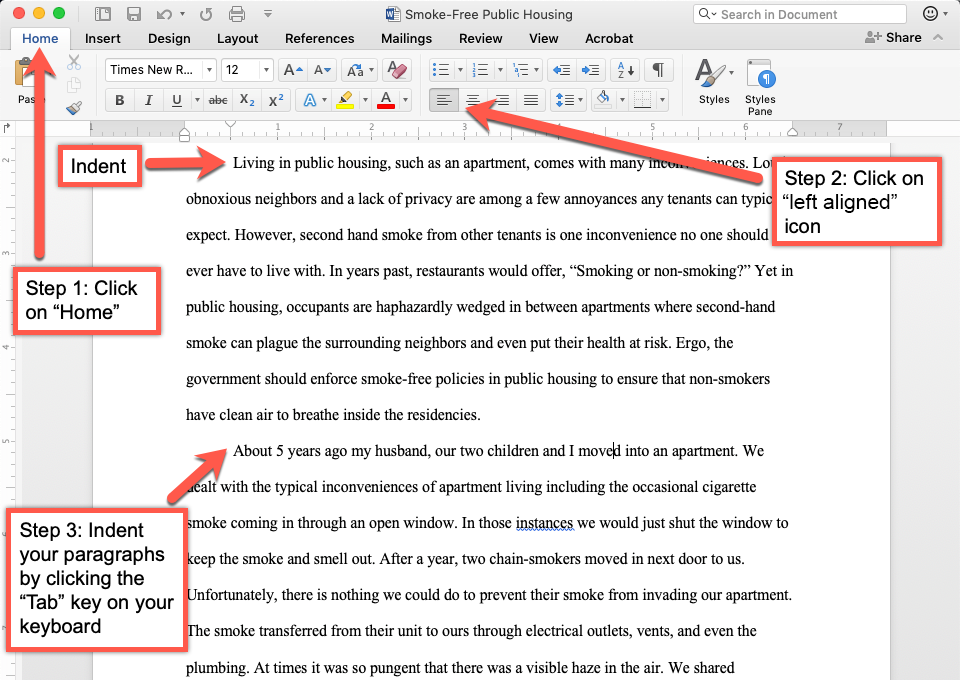
While academic papers still use the first-line indent (often set to 0.5 inches), digital products almost exclusively use block spacing. From a technical perspective, this is handled via the padding and margin properties in a site’s stylesheet.
Why does tech favor the block format? It’s a matter of logic and flow. On a smartphone, an indent can look like a rendering error or a missing character. Block spacing, however, provides a clear “hit target” for the eye. In the context of “Mobile-First Design,” paragraph format is optimized for the vertical scroll, meaning paragraphs are shorter, and the space between them is intentional to prevent “wall of text” fatigue.
Alignment and Justification in Responsive Design
In print, “justified” text (where both left and right edges are straight) is common. In the tech world, this is a major “don’t.” Browser engines struggle to calculate even spacing between words when text is justified, often leading to “rivers of white space” that disrupt the reading flow.
The modern tech standard for paragraph format is “flush left, ragged right.” This creates a consistent starting point for the eye on every line, which is crucial for users with dyslexia or visual impairments. By using text-align: left;, developers ensure that the paragraph format is accessible and adapts correctly when a user zooms in or out on a web page.
3. Paragraph Formatting in Software Development and AI
The way we format paragraphs has a direct impact on how software processes information. As we move toward a more AI-integrated world, the “format” of our text acts as a roadmap for Natural Language Processing (NLP).

Markdown and Plain Text Protocols
For developers, the “Markdown” language is the gold standard for paragraph formatting. Markdown uses simple characters to denote structure—for example, a double “enter” key signifies a new paragraph. This format is lightweight, version-control friendly (using Git), and converts easily into HTML.
In documentation platforms like GitHub or ReadMe, paragraph format is strictly enforced through Markdown to ensure that technical instructions are clear. If a developer fails to follow the paragraph formatting protocol, the code snippets and explanations may merge, rendering the documentation useless. This highlights that in tech, paragraph format is a functional requirement, not just an aesthetic choice.
How Natural Language Processing (NLP) Interprets Paragraph Breaks
Artificial Intelligence models, such as Large Language Models (LLMs), rely on paragraph breaks to understand context and the transition of ideas. When an AI “reads” a document, the paragraph format serves as a delimiter.
In “chunking”—a process used in vector databases for AI—paragraphs are often the primary unit of measurement. If a paragraph is too long, the AI might lose the “contextual vector” or the core meaning of the text. If it is too short, there might not be enough data to process. Therefore, the “ideal” paragraph format for AI optimization is a concise, single-topic block that allows the algorithm to categorize information accurately.
4. Optimizing Paragraphs for Tech-Driven Platforms (SEO and UX)
Digital content does not exist in a vacuum; it exists to be found by search engines and read by users. Paragraph format is a critical component of Search Engine Optimization (SEO) and User Experience (UX).
The “F-Pattern” and the Science of Scannability
Eye-tracking studies in the tech industry have identified the “F-Pattern” of reading. Users tend to read the first few lines of a paragraph horizontally and then scan down the left side of the page.
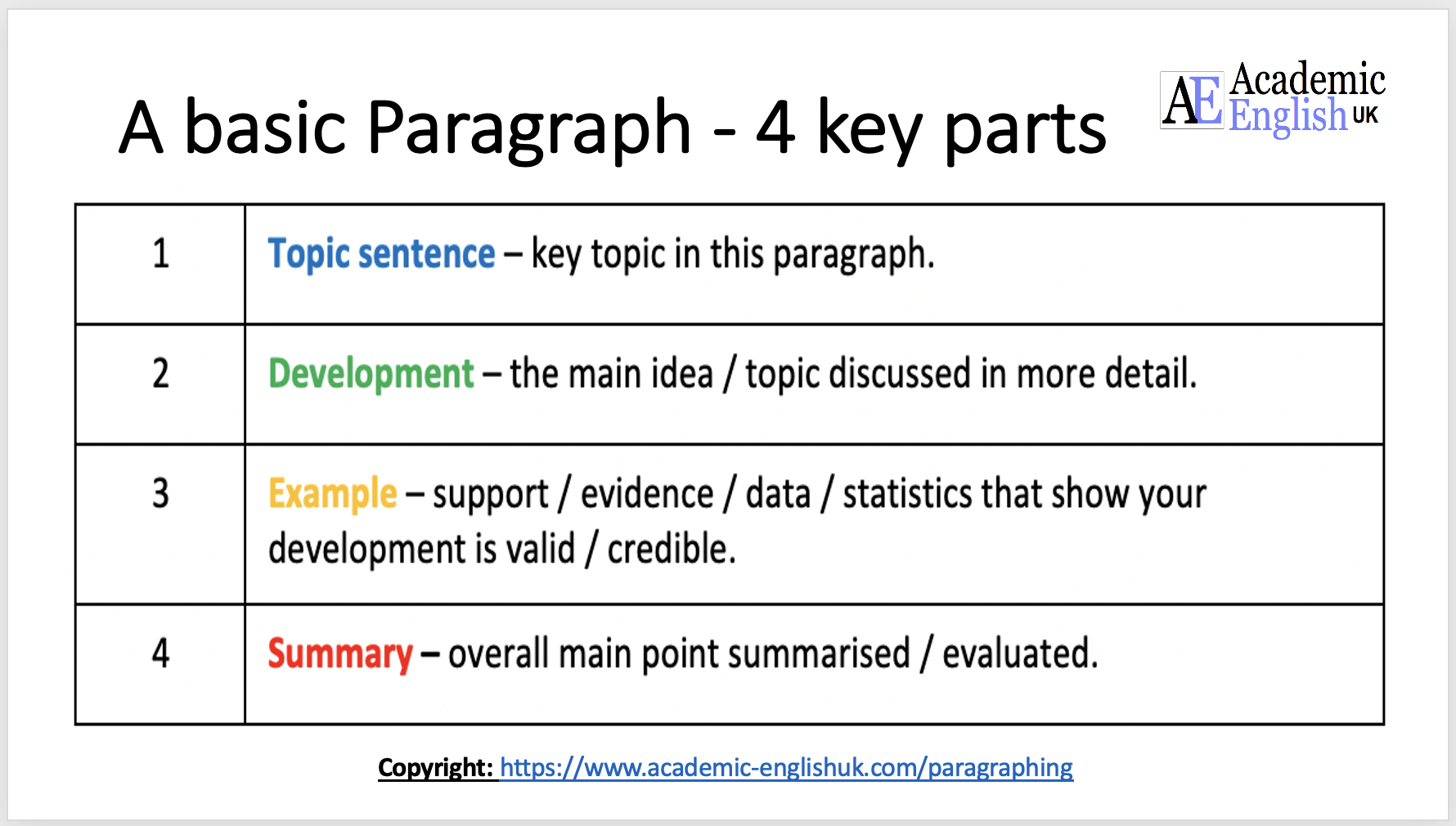
To cater to this, the paragraph format must be “front-loaded.” The most important information (the “topic sentence”) should be at the very beginning. From a technical SEO standpoint, breaking long paragraphs into smaller ones (2-4 sentences) increases the “dwell time” on a page. If the paragraph format is dense and difficult to navigate, the “bounce rate” increases, signaling to search engines like Google that the content is not user-friendly.
Accessibility Standards (WCAG) for Text Formatting
The Web Content Accessibility Guidelines (WCAG) provide specific rules for paragraph format to ensure inclusivity. For tech companies, adhering to these is often a legal and ethical requirement.
Key accessibility requirements for paragraph formatting include:
- Line Spacing: Must be at least 1.5 times the font size.
- Paragraph Spacing: Must be at least 2 times the font size.
- Contrast: The text color must have a specific ratio against the background.
- Width: Paragraphs should not exceed 80 characters per line, as long lines are difficult for users with cognitive disabilities to track.
5. Future Trends: Dynamic Formatting and AI Summarization
As we look toward the future of tech, paragraph format is becoming dynamic rather than static. We are moving away from “one size fits all” text blocks toward “Adaptive Text Architecture.”
Beyond Static Blocks: The Rise of Interactive Text
Imagine a paragraph that changes its format based on the device or the user’s reading speed. Future CSS developments and “variable fonts” are allowing for paragraphs that automatically adjust their line-height and width based on ambient light or the user’s distance from the screen.
In-app paragraph formats are also becoming more interactive. In some modern news apps, a long paragraph can be “collapsed” into a single-sentence AI summary with a click. Here, the “format” is a toggle between high-level data and deep-dive detail.
Paragraphs as Data Points
In the era of “Big Data,” every paragraph is a data point. Content Management Systems (CMS) are increasingly using “atomic design,” where paragraphs are treated as individual “blocks” (as seen in the WordPress Gutenberg editor or Notion). This allows paragraphs to be moved, tagged, and repurposed across different platforms—from a mobile app to a smartwatch or a VR headset.
In this context, paragraph format is the ultimate bridge between human thought and machine readability. By adhering to structured, technical formatting standards, we ensure that our ideas remain accessible, searchable, and resilient in an ever-changing digital landscape.
In conclusion, “paragraph format” is no longer just a term from a writing class. It is a sophisticated intersection of design, code, and psychology. Whether you are coding a website, training an AI, or designing a new app, the way you structure your text blocks will determine how effectively your message is delivered in the high-speed world of technology.
aViewFromTheCave is a participant in the Amazon Services LLC Associates Program, an affiliate advertising program designed to provide a means for sites to earn advertising fees by advertising and linking to Amazon.com. Amazon, the Amazon logo, AmazonSupply, and the AmazonSupply logo are trademarks of Amazon.com, Inc. or its affiliates. As an Amazon Associate we earn affiliate commissions from qualifying purchases.