
In the realm of modern commerce, the term “organisation” is often reduced to its most literal definition: a group of people working toward a common goal. However, through the lens of brand strategy and corporate identity, organisation represents something far more profound. It is the invisible scaffolding that supports a brand’s reputation, the logical arrangement of its products, and the strategic alignment of its values with its visual output. To ask “what is organisation” in a branding context is to ask how a business creates order out of chaos to ensure that every touchpoint resonates with a unified voice.

Strategic organisation is the difference between a company that merely sells products and a brand that commands loyalty. It involves the meticulous structuring of brand architecture, the standardisation of visual assets, and the internal alignment of corporate culture. When a brand is poorly organised, the market perceives it as confused or unreliable. When it is masterfully organised, it achieves a level of “brand equity” that allows it to scale infinitely.
Defining the Organisational Pillar of Brand Strategy
At its core, brand organisation is the strategic framework that dictates how a company presents itself to the world. It is not just about human resources or logistics; it is about the “organisational identity”—the unique set of characteristics that make a brand recognizable and distinct from its competitors.
Beyond the Logo: The Structural Integrity of a Brand
Many mistakenly believe that branding is limited to aesthetics—logos, color palettes, and typography. In reality, these are merely the surface-level expressions of a deeply organised internal structure. Organisation in branding starts with the “Brand DNA.” This involves a systematic approach to defining the mission, vision, and core values. Without this foundational organisation, a brand lacks a compass. A well-organised brand knows exactly what it stands for, which in turn informs every marketing decision, product launch, and customer interaction.
The Intersection of Culture and Identity
Corporate identity is the outward manifestation of an organisation’s internal culture. If a brand claims to be “innovative” but is organised internally through rigid, bureaucratic silos, a disconnect occurs. Authentic brand organisation requires that the internal operations mirror the external promise. When the internal culture is organised around a central brand promise, employees become brand ambassadors, ensuring that the corporate identity is lived rather than just displayed.
Models of Brand Organisation: Branded House vs. House of Brands
One of the most critical aspects of brand organisation is “Brand Architecture.” This refers to the hierarchical structure of brands, sub-brands, and products within a single portfolio. How a company organises these elements determines how consumers perceive the relationship between different offerings.
The Branded House (Monolithic Structure)
In a “Branded House” model, the master brand is the primary driver of value. Every sub-brand or service uses the parent company’s name and visual identity. Examples include Apple or FedEx. Here, organisation is driven by consistency. The strength of the master brand lends credibility to every new venture. This model is highly efficient for marketing spend but carries the risk that a failure in one area can tarnish the entire organisational reputation.
The House of Brands (Pluralistic Structure)
Conversely, a “House of Brands” involves a parent company that manages a series of distinct, often unrelated brands. Procter & Gamble (P&G) is the gold standard for this type of organisation. Most consumers use Tide, Crest, or Pampers without ever thinking about P&G. This organisational strategy allows a company to target diverse market segments without the brands overlapping or diluting each other. It requires a high level of behind-the-scenes organisation to manage multiple unique identities simultaneously.
Hybrid Models and Endorsed Brands
Many modern corporations use a hybrid approach to find a middle ground. An “Endorsed Brand” strategy allows a sub-brand to have its own unique personality while still carrying the “seal of approval” from the parent company (e.g., Courtyard by Marriott). This level of organisation allows for flexibility; it grants the sub-brand the freedom to innovate while leaning on the established trust of the corporate identity.
The Role of Internal Organisation in Shaping Market Perception
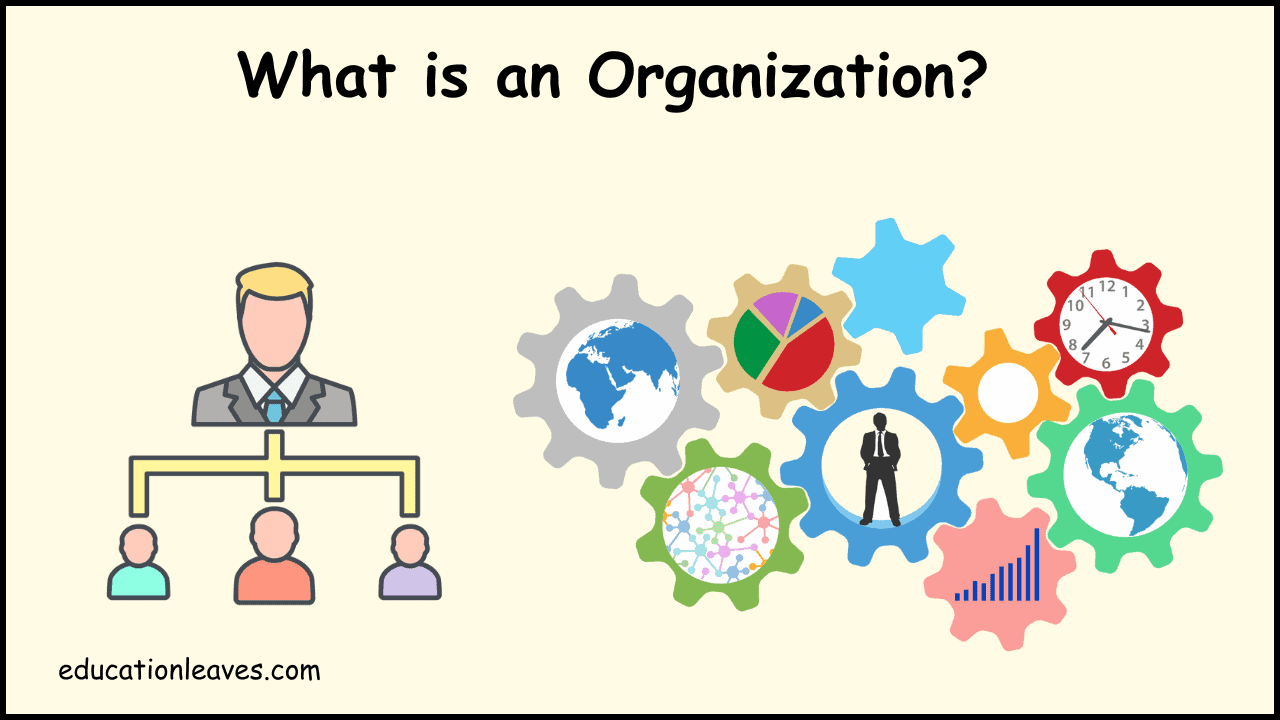
A brand is only as strong as the people who build it. Therefore, the way a company organises its internal teams directly influences how the brand is perceived in the marketplace. Marketing and design do not happen in a vacuum; they are the result of collaborative organisational processes.
Employee Advocacy and the Internal Brand
Internal branding is the process of “selling” the brand to the employees. When an organisation is structured to prioritize internal communication, employees understand the brand’s value proposition. This leads to “Brand Alignment,” where every department—from accounting to customer service—acts in a way that reinforces the brand’s identity. An organised internal brand ensures that the customer experience is seamless, regardless of which department they interact with.
Operational Consistency as a Brand Promise
Organisation is also synonymous with consistency. For a brand to build trust, it must deliver a consistent experience every time. This requires highly organised operational workflows. If a luxury brand promises premium service but has a disorganized, slow-responding support team, the brand identity collapses. Thus, organisation in the form of SOPs (Standard Operating Procedures) and quality control is, in fact, a critical component of brand management.
Strategic Visual Organisation: Design Systems and Identity Guidelines
Once the strategic and internal structures are in place, a brand must organise its visual language. This is where “Brand Guidelines” or “Design Systems” come into play. These are the rulebooks that ensure the brand remains recognisable across all digital and physical platforms.
The Hierarchy of Visual Elements
A well-organised visual identity establishes a clear hierarchy. It dictates which elements are primary (the logo) and which are supporting (graphic motifs, icons). By organising these elements into a cohesive system, a brand avoids the “fragmented look” that plagues many growing businesses. A visual hierarchy guides the consumer’s eye, making information easier to digest and making the brand appear more professional and authoritative.
Scalability Through Standardisation
As a brand grows, it faces the challenge of maintaining its identity across different regions and media. A “Design System” is a living organisational tool that provides reusable components and patterns for designers and developers. By organising assets into a centralized library, a brand ensures that a social media post in London looks and feels the same as a billboard in Tokyo. This level of organisation is essential for global brands that need to scale without losing their soul.
Future-Proofing the Brand Organisation in a Digital-First World
In an era of rapid technological change and shifting consumer sentiments, the way a brand is organised must be both stable and agile. The traditional “top-down” organisational structures of the past are increasingly giving way to more fluid, responsive models.
Agility vs. Stability
Modern brand organisation requires a balance between a core identity (the “Fixed” elements) and the ability to adapt to trends (the “Fluid” elements). A brand that is too rigidly organised may fail to innovate and become obsolete. Conversely, a brand with no organisational structure will drift aimlessly. Strategic branding today involves creating an “Organisational Framework” that allows for creative experimentation while keeping the core brand values sacred.
The Impact of Global Expansion on Organisational Cohesion
When a brand goes global, its organisation is put to the ultimate test. It must navigate different cultures, languages, and market expectations. A masterfully organised brand uses “Glocalization”—a strategy where the core corporate identity remains consistent, but the execution is adapted to local tastes. This requires a sophisticated organisational structure that empowers local teams while maintaining central oversight of the brand’s integrity.
Conclusion
What is organisation? In the world of branding, it is the invisible thread that sews together every aspect of a business—from its internal values and employee culture to its brand architecture and visual design. It is the bridge between a company’s intentions and the consumer’s perceptions.
By investing in deep organisational strategy, businesses can transition from being a commodity to becoming a landmark brand. Whether through the choice of a “Branded House” model, the implementation of a rigorous design system, or the alignment of internal culture with external promises, organisation remains the most powerful tool a brand strategist possesses. It creates the clarity, consistency, and confidence necessary to thrive in a crowded global marketplace. Ultimately, an organised brand is a trusted brand, and in today’s economy, trust is the most valuable currency of all.
aViewFromTheCave is a participant in the Amazon Services LLC Associates Program, an affiliate advertising program designed to provide a means for sites to earn advertising fees by advertising and linking to Amazon.com. Amazon, the Amazon logo, AmazonSupply, and the AmazonSupply logo are trademarks of Amazon.com, Inc. or its affiliates. As an Amazon Associate we earn affiliate commissions from qualifying purchases.