
Mount Everest, the highest point on Earth, was once synonymous with the absolute edge of human endurance and isolation. However, in the 21st century, the image of a lone climber against the elements has been replaced by a sophisticated ecosystem of hardware, software, and telecommunications. Today, what is “on” Mount Everest is not just rock, ice, and determination; it is a complex array of cutting-edge technology designed to facilitate survival, scientific research, and global connectivity.
From 5G base stations to AI-driven weather forecasting models and high-altitude drones, the mountain has become a proving ground for technology that must operate in the most hostile conditions on the planet. This article explores the digital and physical infrastructure currently residing on the slopes of Sagarmāthā.

1. Connectivity at the Edge of the Atmosphere
The most significant technological shift on Mount Everest in the last decade is the transition from total isolation to near-instantaneous global connectivity. The mountain is no longer a “dead zone” for communications; rather, it is a high-altitude network hub.
The Evolution of Satellite Communication and Starlink
For decades, climbers relied on cumbersome satellite phones with massive lag and astronomical costs. Today, the integration of LEO (Low Earth Orbit) satellite constellations has revolutionized the Khumbu region. SpaceX’s Starlink has increasingly become a staple at Base Camp. The ability to deploy portable, self-orienting satellite dishes allows expedition teams to maintain high-speed internet, enabling real-time video streaming and massive data transfers. This isn’t just for social media; it provides a vital lifeline for downloading high-resolution topographical maps and communicating with medical teams in Kathmandu or abroad.
High-Altitude 5G and Base Station Engineering
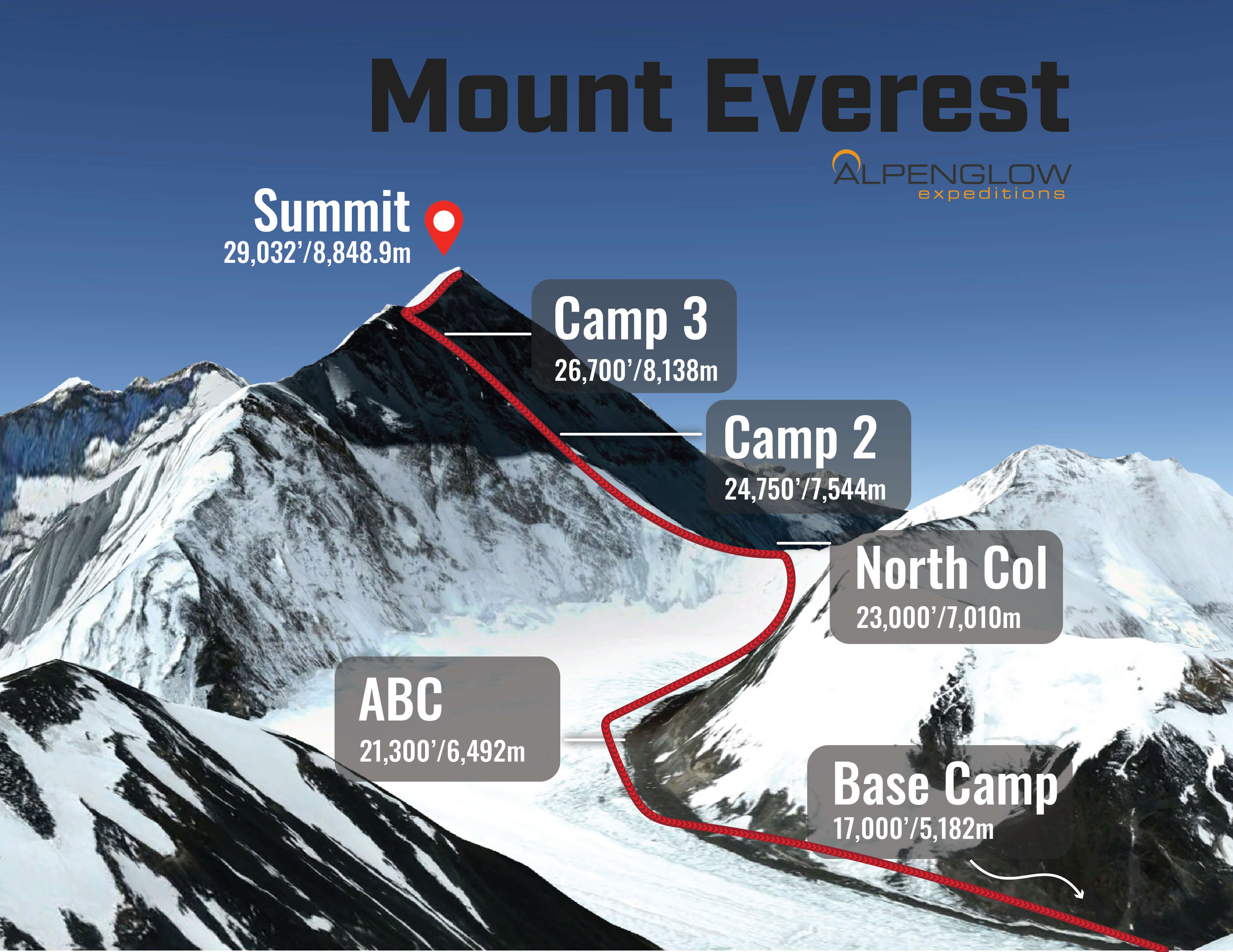
Perhaps more impressive than satellite tech is the terrestrial cellular infrastructure. Companies like Huawei, China Mobile, and Nepal’s Ncell have successfully installed 5G base stations at altitudes exceeding 5,000 meters, with signals reaching the summit at 8,848 meters.
Engineering these stations involves overcoming “cold soak” issues, where batteries and circuits fail in sub-zero temperatures. These base stations use specialized microwave transmission equipment and solar-powered arrays to ensure the signal remains stable. This connectivity allows for “Internet of Things” (IoT) integration, where sensors across the mountain can relay data back to central servers without human intervention.
2. Remote Sensing and Environmental Monitoring Systems
Mount Everest serves as a sentinel for global climate change. Because it hosts some of the world’s highest glaciers, scientists have utilized the mountain as a vertical laboratory, installing sophisticated monitoring equipment that tracks the Earth’s pulse.
Weather Stations in the “Death Zone”
In recent years, National Geographic and Rolex’s “Perpetual Planet” expedition installed a network of automated weather stations, including one at the Balcony (8,430m) and another just below the summit. These stations are marvels of mechanical engineering. They must withstand winds exceeding 200 mph and temperatures that can shatter standard plastics.
These stations monitor wind speed, direction, temperature, humidity, and solar radiation. The data is transmitted via satellite in real-time, providing meteorologists with a granular look at the jet stream’s behavior. This tech is critical for “window” forecasting—identifying the brief periods of calm weather that allow climbers to attempt the summit safely.
Glacial Monitoring and LiDAR Surveys
Beneath the snow, the mountain is being mapped with unprecedented precision. Researchers use terrestrial LiDAR (Light Detection and Ranging) and photogrammetry to create 3D digital twins of the Khumbu Glacier. By comparing these scans over time, AI software can calculate the exact volume of ice loss. This data is essential for regional water security planning, as the Everest watershed provides water for millions of people downstream. What is on the mountain, therefore, is a sophisticated array of sensors that act as an early warning system for the hydrological health of the Himalayas.

3. Survival Tech: Gear, Oxygen, and Wearables
The hardware worn by climbers has evolved from heavy canvas and steel to aerospace-grade polymers and smart fabrics. On Mount Everest, the distinction between “clothing” and “technology” has blurred.
Next-Generation Supplemental Oxygen Systems
The oxygen systems used today are a far cry from the heavy, leaking canisters of the 1950s. Modern systems utilize carbon-fiber wrapped cylinders and digitally controlled regulators. These regulators can be tuned to the climber’s specific metabolic rate, ensuring that not a liter of gas is wasted. Some experimental units are even looking at integrating sensors that adjust oxygen flow automatically based on the wearer’s blood-oxygen saturation levels (SpO2), effectively acting as an external respiratory system.
Smart Wearables and Biometric Tracking
Every major expedition now utilizes biometric monitoring. Climbers wear smartwatches and chest-strap sensors that track heart rate variability (HRV), sleep quality at altitude, and skin temperature. This data is often aggregated via apps to help expedition leaders decide who is acclimatizing well and who is at risk of High-Altitude Cerebral Edema (HACE). By applying data analytics to human physiology in real-time, technology is actively reducing the mortality rate on the mountain by predicting physical failure before it becomes symptomatic.
4. Logistics and Waste Management Innovation
One of the biggest criticisms of Everest tourism is the environmental impact. However, tech is being deployed to solve the very problems created by increased human traffic.
The Future of High-Altitude Robotics and Drones
In 2024, DJI successfully tested heavy-lift drones on the Nepali side of Mount Everest. Operating at altitudes above 6,000 meters is an aerodynamic nightmare because the air is too thin to provide traditional lift. However, specially designed rotors and high-voltage battery systems have enabled drones to fly supplies from Base Camp to Camp 1, bypassing the treacherous Khumbu Icefall.
This technology has two major applications:
- Safety: Reducing the number of trips Sherpas must make through dangerous terrain.
- Environmental: Drones are now being used to fly trash and human waste down from the higher camps, which were previously inaccessible to traditional cleanup crews.
Solar Power and Sustainable Energy Grids
Base Camp is no longer powered solely by noisy, polluting diesel generators. The modern “city” at the foot of Everest is increasingly reliant on portable solar microgrids. High-efficiency monocrystalline solar panels, paired with lithium-iron-phosphate (LiFePO4) battery storage, provide the energy needed to power the laptops, heaters, and medical equipment used by hundreds of people. These systems are modular and designed to be packed out at the end of the season, leaving a significantly smaller carbon footprint than previous logistical models.
The Digital Transformation of the Peak
What is on Mount Everest today is a testament to human ingenuity’s ability to colonize the most inhospitable environments through technology. The mountain has been “instrumented”—it is wired, scanned, and monitored by an array of digital tools that make the “impossible” climb a manageable, albeit still dangerous, endeavor.
From a Tech perspective, Everest is no longer just a geographical landmark; it is a specialized node in a global network. It is a place where satellite constellations meet glacial sensors, and where drones are beginning to replace human porters in the world’s most dangerous “last mile” delivery route. As we look toward the future, the integration of AI-driven risk assessment and further robotic automation will likely make the presence of technology on the mountain as permanent and essential as the ice itself.
The story of Mount Everest is no longer just about who can climb it, but about the technology that allows us to understand, survive, and protect it.
aViewFromTheCave is a participant in the Amazon Services LLC Associates Program, an affiliate advertising program designed to provide a means for sites to earn advertising fees by advertising and linking to Amazon.com. Amazon, the Amazon logo, AmazonSupply, and the AmazonSupply logo are trademarks of Amazon.com, Inc. or its affiliates. As an Amazon Associate we earn affiliate commissions from qualifying purchases.