
In the hyper-competitive landscape of global marketing, physical landmarks have transitioned from mere infrastructure into powerful vehicles for corporate storytelling. NRG Stadium, located in Houston, Texas, stands as one of the most prominent examples of this evolution. While the average fan recognizes it as the home of the NFL’s Houston Texans and the world-renowned Houston Livestock Show and Rodeo, marketing professionals see it as a sophisticated exercise in brand positioning, long-term equity building, and strategic partnership.
Understanding what NRG Stadium represents requires looking beyond the steel and concrete. It is a case study in how a corporate entity can weave its identity into the cultural fabric of a region, transforming a utility service into a household name through high-visibility sports marketing and community engagement.

The Power of Naming Rights in Modern Brand Strategy
The concept of naming rights is not new, but the strategic execution seen with NRG Stadium represents the pinnacle of “top-of-mind” brand awareness. When a corporation attaches its name to a venue that hosts millions of visitors annually and reaches tens of millions more through broadcast media, it is purchasing more than just a sign; it is purchasing a permanent seat in the consumer’s subconscious.
From Reliant to NRG: The Evolution of a Landmark
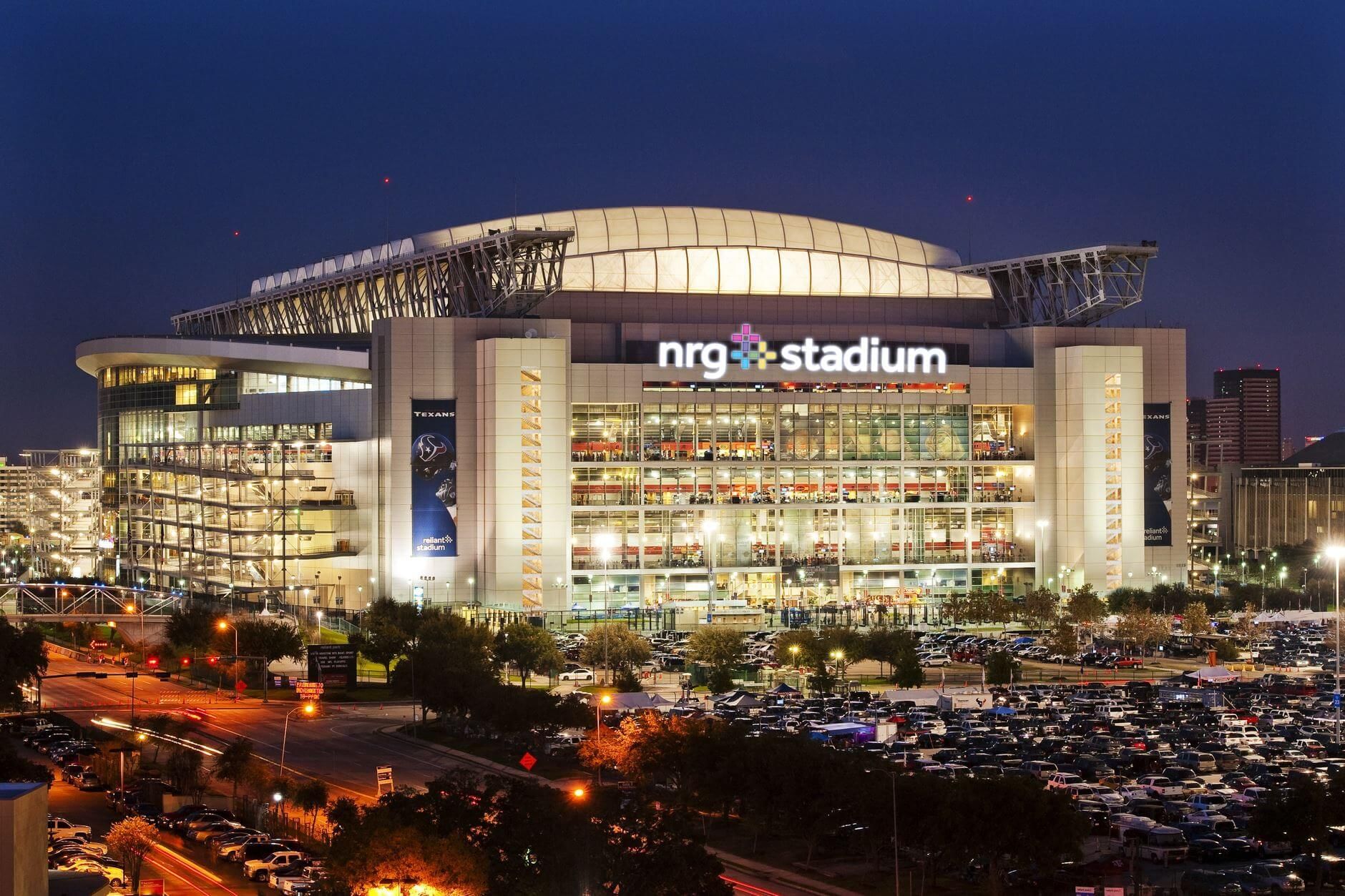
The transition of the stadium’s name from Reliant Stadium to NRG Stadium in 2014 was a pivotal moment in Texas corporate history. When NRG Energy acquired Reliant Energy, the rebranding of the stadium was the most critical step in signaling a new era to the public. In branding, consistency is king. By replacing the familiar “Reliant” moniker with “NRG,” the company executed a seamless transfer of brand equity. The stadium served as the ultimate announcement of the merger, ensuring that the new parent brand, NRG, inherited the goodwill and regional pride associated with the venue.
Why Corporate Naming Matters for Utility Giants
For a retail electricity provider like NRG, brand differentiation is notoriously difficult. Electricity is a commodity; one kilowatt-hour looks exactly like another to the average consumer. Therefore, the brand must compete on “identity” rather than the physical product. By associating the NRG brand with the excitement of an NFL touchdown or the spectacle of a concert, the company escapes the “utility” trap. It becomes a lifestyle brand—an entity that powers the moments people love. This strategic association builds a level of trust and familiarity that traditional television commercials or mail-in flyers simply cannot achieve.
Building a Physical Manifestation of Brand Values
In contemporary brand strategy, consumers demand more than just a logo; they demand alignment with their values. NRG Stadium serves as a three-dimensional billboard that demonstrates the company’s commitment to innovation and environmental responsibility. A brand that “claims” to be about the future must “show” it, and NRG uses the stadium’s infrastructure to do exactly that.
Sustainability as a Core Brand Pillar
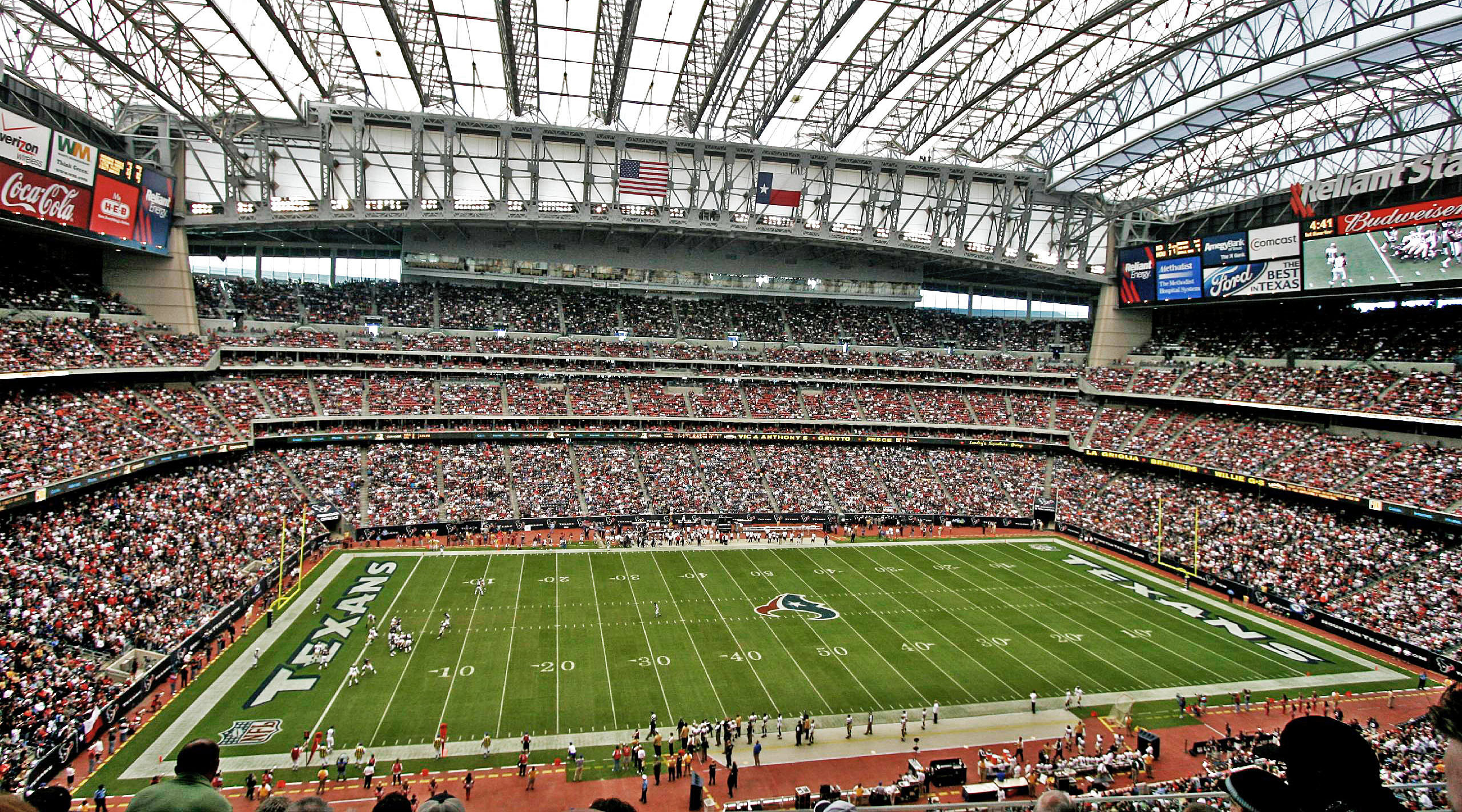
One of the most effective ways NRG has utilized the stadium to bolster its brand identity is through the integration of sustainable technology. The installation of hundreds of solar panels and the implementation of high-efficiency LED lighting systems throughout the venue are not just operational choices—they are marketing statements. When fans see the “NRG” logo alongside visible green technology, the brand’s promise of a “sustainable energy future” moves from a corporate slogan to a tangible reality. This “show, don’t tell” approach to branding is far more effective at building authentic corporate identity than traditional advertising.
Visibility and the “Billboard Effect” in Sports Marketing
The “Billboard Effect” refers to the constant, passive exposure a brand receives by being part of a city’s skyline and map. Whether it is a pilot mentioning the stadium during a flight descent, a weather reporter showing the stadium on the local news, or a gamer seeing the “NRG Stadium” signage while playing Madden NFL, the brand integration is total. This level of saturation ensures that the brand becomes part of the geographic and cultural lexicon of the city. In the world of marketing, this is known as “earned media”—exposure that is gained organically because the brand is inseparable from the event or location being discussed.
The Synergy Between Professional Sports and Corporate Identity
The success of NRG Stadium as a brand vehicle is inextricably linked to its primary tenant: the Houston Texans. Professional sports offer a level of emotional engagement that few other industries can match. By tethering its identity to a sports franchise, a brand can tap into the fierce loyalty and passion of a fanbase.
The Houston Texans Partnership: Aligning with Regional Passion
In Texas, football is more than a sport; it is a cultural cornerstone. By holding the naming rights to the Texans’ home, NRG aligns itself with the “Home Team” mentality. This creates a psychological “halo effect,” where the positive emotions fans feel toward their team are subconsciously transferred to the sponsoring brand. This partnership allows NRG to engage in experiential marketing—using game-day activations, fan zones, and community events to build a personal connection with consumers that transcends a transactional business relationship.
Leveraging Mega-Events for Global Brand Expansion
NRG Stadium is not just a regional asset; it is a global stage. By hosting events like the Super Bowl, the NCAA Final Four, and the FIFA World Cup, the NRG brand receives international exposure. When the eyes of the world are on Houston for a championship game, the “NRG” name is broadcast to billions. This elevates the brand from a regional energy provider to a global player. For a brand strategist, these mega-events are the ultimate ROI drivers, providing a level of prestige and “big brand” authority that is impossible to replicate through standard digital or print campaigns.
Measuring the ROI of a Multi-Million Dollar Naming Deal
The investment required for stadium naming rights is astronomical, often reaching into the hundreds of millions of dollars over several decades. From a business finance and marketing perspective, calculating the Return on Investment (ROI) of such a deal requires looking at both quantitative data and qualitative brand sentiment.
Consumer Sentiment and Market Penetration
Market research consistently shows that naming rights significantly increase brand recall. In the Houston market, NRG’s penetration and “unaided awareness” (the ability of a consumer to name the brand without prompting) are among the highest in the utility sector. This is directly attributable to the stadium. When consumers are faced with a choice of energy providers, the familiarity of the NRG name—honed through years of stadium association—acts as a powerful tie-breaker. This psychological comfort level is a primary driver of customer acquisition and retention.
Long-term Equity and Legacy Building
Branding is a marathon, not a sprint. The real value of NRG Stadium lies in its longevity. Over twenty years, a generation of fans grows up attending games at “NRG Stadium.” For them, the name is not a corporate interloper; it is the name of the place where they made memories with their families. This creates “legacy equity,” a form of brand loyalty that is incredibly difficult for competitors to disrupt. By the time a naming rights contract nears its end, the brand has often become so synonymous with the venue that the public continues to use the name long after the contract has expired.
In conclusion, NRG Stadium is far more than a venue for sports and entertainment. It is a sophisticated instrument of brand strategy that demonstrates the power of physical presence, emotional alignment, and value-based marketing. By transforming a massive infrastructure project into a centerpiece of its corporate identity, NRG Energy has created a marketing asset that delivers value far beyond the confines of the football field. It remains a definitive example of how a brand can successfully navigate the transition from a service provider to a cultural icon.
aViewFromTheCave is a participant in the Amazon Services LLC Associates Program, an affiliate advertising program designed to provide a means for sites to earn advertising fees by advertising and linking to Amazon.com. Amazon, the Amazon logo, AmazonSupply, and the AmazonSupply logo are trademarks of Amazon.com, Inc. or its affiliates. As an Amazon Associate we earn affiliate commissions from qualifying purchases.