
In an era where climate volatility intersects with rapid urban expansion, data accessibility has become a cornerstone of public safety. For California residents, the question “what is my fire zone number by zip code” is no longer just a matter of curiosity; it is a critical query that taps into one of the most sophisticated geospatial mapping ecosystems in the world. As the Golden State grapples with increasingly complex wildfire seasons, the technology used to categorize, update, and communicate Fire Hazard Severity Zones (FHSZ) has evolved from static paper maps into dynamic, high-resolution digital interfaces.
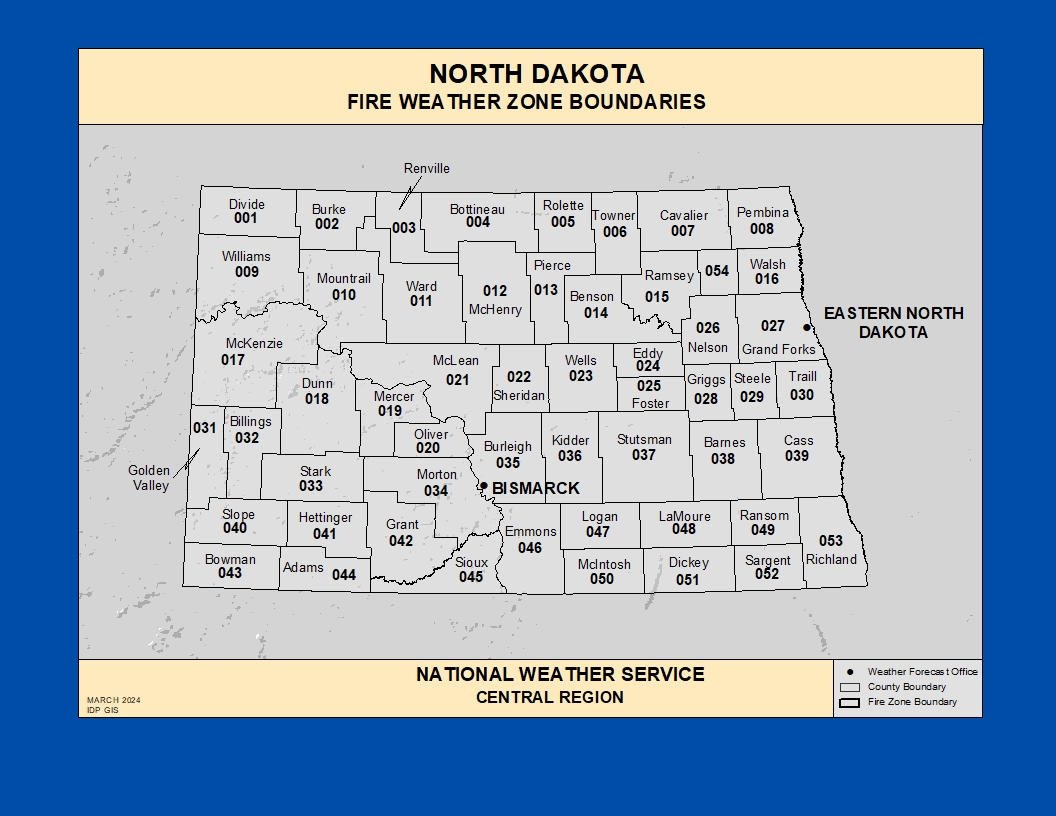
This article explores the technological infrastructure behind California’s fire zone mapping, the digital tools available to homeowners, and how data science is transforming how we perceive and mitigate environmental risks.
The Evolution of Fire Hazard Mapping Technology
The process of identifying a fire zone number begins long before a user types their zip code into a search bar. It is the result of decades of technological advancement in the field of Geographic Information Systems (GIS) and remote sensing.
From Paper Maps to High-Resolution GIS
Historically, fire hazard mapping was a manual, slow process involving physical surveys and topographical sketches. Today, the California Department of Forestry and Fire Protection (CAL FIRE) utilizes advanced GIS platforms to create digital layers of risk. These systems allow for the integration of multiple data variables—such as vegetation density, historical fire frequency, and slope gradients—into a single, searchable digital repository. By digitizing these records, the state has moved from generalized regional assessments to parcel-level precision, where a single zip code can contain multiple distinct hazard tiers.
How Satellite Imagery Refined the Fire Hazard Severity Zone (FHSZ) Model
The modern FHSZ model relies heavily on multispectral satellite imagery provided by programs like Landsat and Sentinel. These satellites capture data beyond the visible spectrum, allowing computers to analyze the “fuel load” or the dryness of vegetation in specific areas. This remote sensing tech provides the raw data necessary to update fire zone numbers as landscapes change due to urban development or previous fires. When you look up your fire zone by zip code, you are accessing a digital twin of the California landscape, rendered through millions of data points collected from orbit.
Digital Tools and Platforms for California Residents
Accessing fire zone information has been democratized through web-based portals and mobile applications. The “tech stack” used to deliver this information is designed for high availability and ease of use, ensuring that millions of residents can access critical data simultaneously.
Navigating the CAL FIRE Web Portal
The primary gateway for fire zone data is the CAL FIRE FHSZ viewer. This web application is a prime example of modern GovTech (Government Technology). It uses an ArcGIS-based interface that allows users to toggle between different map layers. By entering a zip code or a specific street address, the system performs a spatial query against the state’s massive hazard database. The backend architecture of this portal is optimized to handle high traffic, particularly during the summer and fall months when residents are most concerned about insurance renewals and safety preparedness.
API Integrations: How Third-Party Apps Pull Zip Code Data
While the official CAL FIRE portal is the authoritative source, many residents interact with fire zone data through third-party applications. Real estate platforms (like Zillow or Redfin) and insurance tech (InsurTech) companies use Application Programming Interfaces (APIs) to pull fire zone data directly into their user interfaces. This seamless integration allows a homebuyer to see the “Fire Factor” or fire zone rating of a property alongside its price and square footage. This interoperability between government databases and private software is a hallmark of California’s digital ecosystem.
Mobile Applications for Real-Time Fire Zone Monitoring
Beyond static zone numbers, mobile technology has introduced real-time situational awareness. Apps like Watch Duty and FireAware use GPS and push notification technology to alert users if a fire breaks out within or near their specific fire zone. These apps aggregate data from radio scanners, satellite thermal detection (MODIS/VIIRS), and official dispatches, providing a technological “safety net” that goes far beyond a simple zip code lookup.
The Data Science Behind Your Fire Zone Number
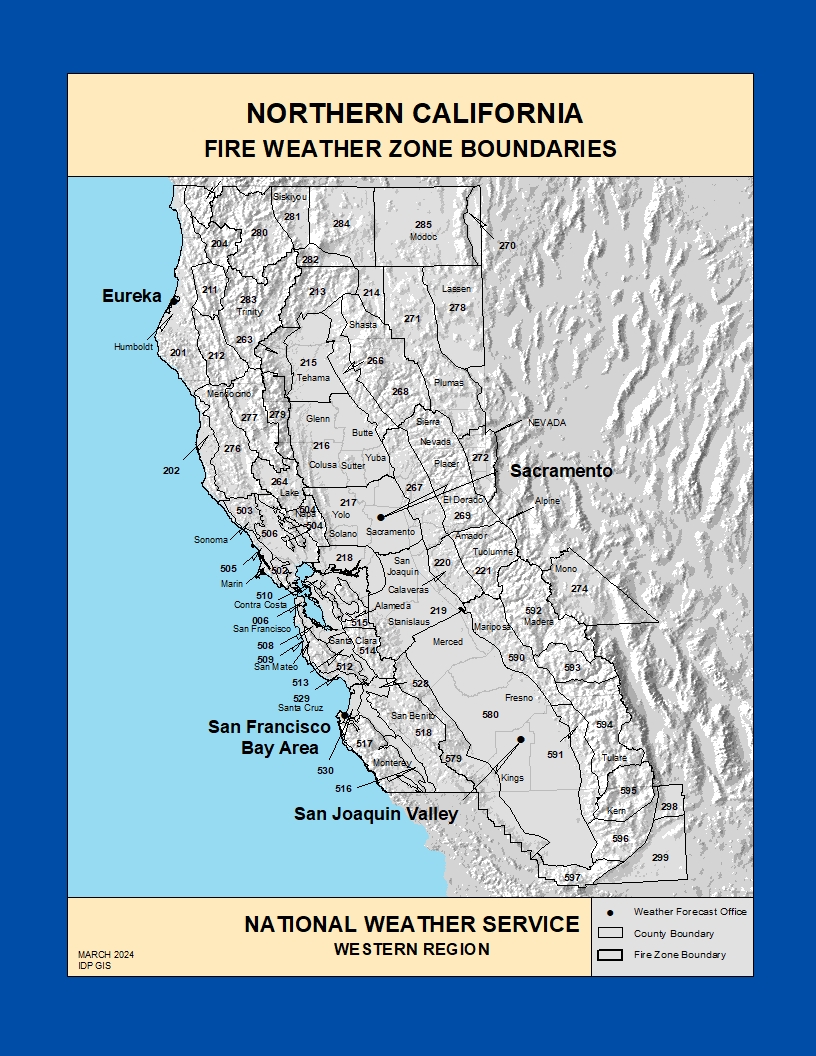
A fire zone number is not a random assignment; it is the output of complex algorithmic modeling. Understanding the “why” behind your zone’s classification requires a look at the data science powering these assessments.
Understanding the Algorithms: Fuel, Slope, and Weather Data
The software used to determine fire zones employs a “likelihood and behavior” algorithm. It calculates how a fire would behave if ignited under extreme weather conditions. The algorithm considers “Fuel” (what burns), “Slope” (how fast fire moves uphill), and “Weather” (humidity and wind patterns). For instance, if your zip code is in a canyon with high-density chaparral, the software’s “physics engine” simulates potential fire spread to assign a “Very High” severity rating. This is a massive computational task that requires high-performance computing clusters to process state-wide simulations.
The Role of AI and Machine Learning in Predicting Fire Behavior
In recent years, CAL FIRE and academic institutions like UC San Diego (through the WIFIRE Lab) have integrated Artificial Intelligence (AI) and Machine Learning (ML) into their mapping efforts. Unlike traditional models that are updated every few years, ML models can ingest real-time weather data to predict how a fire might move in the next six hours. While your official FHSZ number is relatively stable, these AI models provide a “dynamic layer” of risk that helps emergency responders and tech-savvy citizens understand the immediate threat level of their specific zip code during an active event.
Securing Your Digital Resilience
Knowing your fire zone number is the first step; the second is integrating that data into a broader digital defense strategy. Technology offers several avenues for homeowners to harden their properties based on their zone’s specific risk profile.
Integrating Fire Zone Data into Smart Home Ecosystems
The Internet of Things (IoT) has revolutionized home fire safety. Residents in high-risk zip codes can now install smart sensors that detect particulate matter or extreme heat spikes before a traditional smoke alarm would trigger. Furthermore, some smart irrigation systems are now designed to integrate with fire weather alerts. If the National Weather Service issues a Red Flag Warning for your specific zone, these systems can automatically hydrate “defensible space” zones around the home, using data-driven automation to mitigate risk.
Cloud-Based Notification Systems and Public Safety Power Shutoff (PSPS) Alerts
Digital resilience also involves communication. California utilities like PG&E and SCE use sophisticated grid-mapping tech to implement Public Safety Power Shutoffs (PSPS). By knowing your fire zone and opting into cloud-based alert systems, you receive automated SMS and voice alerts localized to your micro-grid. This is a critical tech interface where fire zone data informs utility operations, helping to prevent the grid itself from becoming an ignition source during high-risk windows.
The Future of Hazard Geospatial Technology
As we look toward the next decade, the technology surrounding fire zones will become even more immersive and predictive. The goal is to move from reactive “lookups” to proactive, integrated risk management.
Digital Twins and Urban Planning Simulation
The next frontier in California’s tech landscape is the creation of “Digital Twins”—virtual replicas of entire cities and forests. Urban planners are using these 3D models to simulate how different building materials and street layouts interact with wildfire paths. For a resident, this might eventually mean using an Augmented Reality (AR) app to walk around their property and see a digital overlay of where their fire zone boundaries lie and where their home’s vulnerabilities are located according to the latest geospatial data.
Blockchain for Verifiable Property Risk Records
There is also emerging interest in using blockchain technology to create immutable records of property fire-hardening. If a homeowner in a “High” fire zone invests in tech-upgraded ember-resistant vents or a specialized rooftop sprinkler system, that data could be stored on a decentralized ledger. This would provide insurance companies and future buyers with a transparent, unalterable history of how a property’s risk has been mitigated, potentially stabilizing the volatile fire insurance market in high-risk zip codes.

Conclusion
The quest to find your fire zone number by zip code in California is a journey through a sophisticated landscape of GIS, satellite imagery, and predictive AI. What appears as a simple number or a colored section on a map is actually the pinnacle of modern environmental tech. By leveraging these digital tools, California residents can move beyond uncertainty, using data to drive their decisions on home improvement, insurance, and emergency evacuation. In the digital age, information is the most effective tool we have for resilience, and California’s tech-forward approach to fire mapping remains the gold standard for living safely in a fire-prone world.
aViewFromTheCave is a participant in the Amazon Services LLC Associates Program, an affiliate advertising program designed to provide a means for sites to earn advertising fees by advertising and linking to Amazon.com. Amazon, the Amazon logo, AmazonSupply, and the AmazonSupply logo are trademarks of Amazon.com, Inc. or its affiliates. As an Amazon Associate we earn affiliate commissions from qualifying purchases.