
For many investors, from the seasoned professional to the retail novice, the question “What did the stock market close at today?” is a daily ritual. It is more than just a curiosity about a numerical value; it is a pulse check on the global economy, a reflection of collective investor sentiment, and a snapshot of the health of one’s personal wealth. However, understanding the market close requires more than just looking at a single figure. It involves deciphering the movement of various indices, understanding the factors that drove those changes, and maintaining a perspective that balances daily volatility against long-term financial goals.
In the realm of personal finance and investing, the daily “close” serves as the official record for the day’s transactions. It is the price at which the final trade of the regular session is executed, providing a benchmark for mutual funds, ETFs, and individual portfolios to calculate their net asset value. To truly answer what the market did today, we must look deeper into the mechanics of the closing bell and the indicators that define market success.
The Mechanics of the Daily Market Close
The closing price of a stock or an index is widely considered the most accurate valuation of that security during the trading day. While prices fluctuate wildly during the “mid-day noise,” the closing price represents the final consensus between buyers and sellers after all available information has been processed.
How Closing Prices Are Calculated
While it might seem that the closing price is simply the very last trade made at 4:00 PM EST, the process is actually more sophisticated, particularly on major exchanges like the New York Stock Exchange (NYSE) and the Nasdaq. These exchanges use a “Closing Auction.” During the final minutes of the trading day, buy and sell orders are gathered and matched to find a single price that maximizes the volume of shares traded. This auction helps minimize volatility and ensures that the closing price is fair and representative of the true market demand. For an investor, this means the “close” is a highly liquidity-driven data point that carries more weight than a random trade made at 11:00 AM.
The Significance of the “Closing Bell”
The closing bell is more than just a symbolic tradition. It marks the end of the regular trading session and the beginning of “after-hours” trading. For the average investor, the close is the moment of reckoning for their daily gains or losses. Financial institutions use these figures to “mark to market,” which is the process of valuing assets based on their current market price. If you are tracking your personal net worth or the performance of your 401(k), the daily close is the number that will appear on your statement as the day’s final value.
Tracking Key Indices: Beyond a Single Number
When someone asks what the “market” did, they are usually referring to one of the three major U.S. indices. Each of these indices measures a different segment of the economy, and they can often move in opposite directions depending on the day’s news.
The S&P 500: The Broader Market Indicator
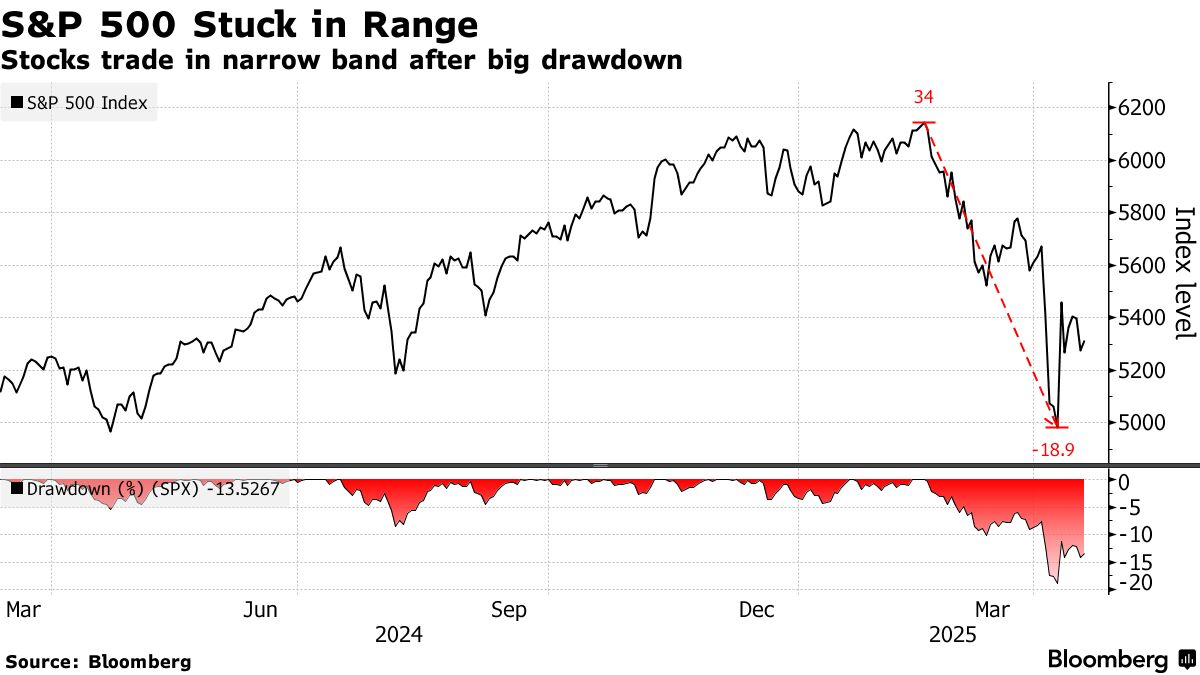
The Standard & Poor’s 500 (S&P 500) is arguably the most important metric for personal finance. It tracks 500 of the largest publicly traded companies in the U.S. across all sectors. Because it is market-capitalization weighted, larger companies have a greater impact on its movement. When the S&P 500 closes “up,” it generally indicates that the broad American economy is performing well. For long-term investors holding index funds, the S&P 500’s close is the ultimate barometer of their portfolio’s health.
The Nasdaq Composite: A Pulse on Technology and Growth
The Nasdaq is heavily weighted toward technology, biotechnology, and growth-oriented companies. If you find that the Nasdaq closed at a record high while the other indices remained flat, it suggests that investors are feeling optimistic about innovation and future earnings rather than current dividends. For those with a high-risk tolerance or a portfolio concentrated in tech stocks, the Nasdaq’s daily close provides specific insight into the “risk-on” or “risk-off” sentiment of the market.
The Dow Jones Industrial Average: Blue-Chip Stability
The Dow is the oldest and most famous index, consisting of 30 “blue-chip” companies. Unlike the S&P 500, the Dow is price-weighted, meaning stocks with higher share prices influence the index more. While some modern analysts find it less representative than the S&P 500, it remains a vital indicator of the health of industrial giants and established consumer brands. A strong close for the Dow often signals stability and investor confidence in the bedrock of the American corporate landscape.
Why Daily Fluctuations Matter (And Why They Don’t)
It is easy to get caught up in the drama of a “market crash” or a “record-breaking rally” on any given Tuesday. However, to manage money effectively, one must distinguish between short-term noise and long-term signals.
Volatility vs. Risk
Daily fluctuations are the definition of volatility—the frequency and magnitude of price movements. Risk, however, is the potential for a permanent loss of capital. A market that closes down 2% today is volatile, but it doesn’t necessarily mean your investment strategy is failing. In fact, for those who contribute regularly to a retirement account (a strategy known as dollar-cost averaging), a lower market close can actually be a benefit, as it allows you to purchase more shares at a lower price. Understanding that the daily close is just one data point in a decades-long trajectory is essential for maintaining emotional discipline.
The Role of Economic Data and Earnings Reports
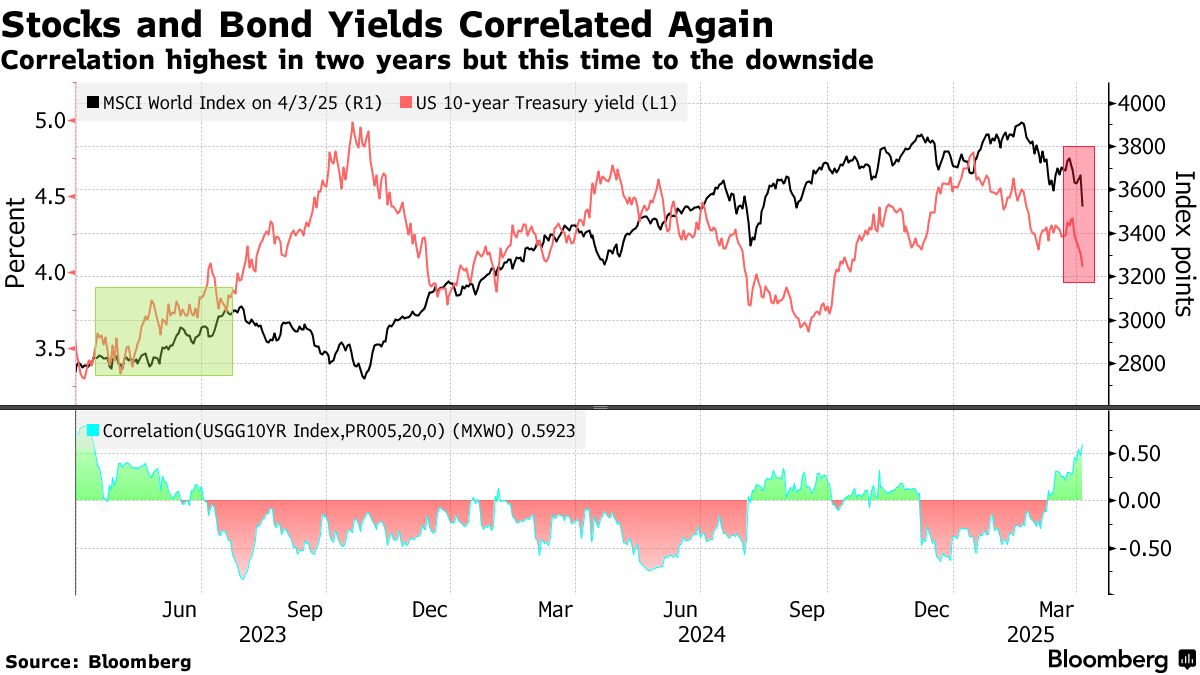
When the market closes significantly higher or lower, there is always a reason. Usually, it is tied to macro-economic data—such as the Federal Reserve’s interest rate decisions, inflation reports (CPI), or unemployment numbers. Alternatively, it could be driven by “Earnings Season,” where major companies report their quarterly profits. If a heavyweight company like Apple or Microsoft misses its earnings targets, it can drag the entire index down by the close. By paying attention to why the market closed where it did, investors can gain a better understanding of the economic forces shaping their financial future.
Strategies for Monitoring Your Portfolio Daily
In the digital age, we have access to real-time market data at our fingertips. While this transparency is helpful, it can also lead to “ticker shock” and impulsive decision-making. Developing a healthy strategy for monitoring the market close is a key component of successful money management.
Using Financial Tools and Apps
There are countless tools available to track what the market closed at today. Platforms like Bloomberg, CNBC, and Yahoo Finance provide immediate updates, while brokerage apps like Vanguard, Fidelity, or Charles Schwab allow you to see exactly how those market moves impacted your personal balances. The key is to use these tools for information, not for reaction. Many investors find it helpful to set “price alerts” rather than checking the market every hour, allowing them to stay informed without becoming obsessed with minor fluctuations.
Avoiding the Emotional Trap of Daily Tracking
Psychologically, humans feel the pain of a loss twice as much as the joy of a gain—a phenomenon known as loss aversion. If you check the market close every day and see red, you may be tempted to sell your investments to “protect” what you have left. This is often the worst possible move, as it crystallizes a temporary loss into a permanent one. Professional investors often suggest that unless you are a day trader, checking your portfolio once a month or even once a quarter is more than sufficient. The daily close is a snapshot; your financial plan is the full-length movie.

Conclusion: Looking Past Today’s Numbers
When you ask, “What did the stock market close at today?” you are seeking a sense of direction. While the final numbers of the Dow, S&P 500, and Nasdaq provide a statistical answer, they do not dictate your financial destiny. The market is a complex, living system that reacts to news, fear, greed, and innovation in real-time.
For the disciplined investor, today’s close is merely a single entry in a much larger ledger. Whether the bulls won the day or the bears took control, the fundamental principles of investing remain the same: maintain a diversified portfolio, keep your costs low, and focus on your long-term objectives. By understanding the mechanics behind the closing bell and the context of the indices, you can look at the daily market report with clarity and confidence, rather than anxiety. Success in the world of money is rarely built on what happened today, but rather on what you do consistently over the course of many “todays.”
aViewFromTheCave is a participant in the Amazon Services LLC Associates Program, an affiliate advertising program designed to provide a means for sites to earn advertising fees by advertising and linking to Amazon.com. Amazon, the Amazon logo, AmazonSupply, and the AmazonSupply logo are trademarks of Amazon.com, Inc. or its affiliates. As an Amazon Associate we earn affiliate commissions from qualifying purchases.