
To the casual tourist, Midtown NYC is a dizzying array of neon lights, towering landmarks like the Empire State Building, and the frantic energy of Times Square. However, through the lens of institutional finance and global commerce, Midtown represents something far more significant. It is the world’s largest central business district—a dense, high-stakes ecosystem where trillions of dollars in capital are managed, traded, and invested.
Understanding Midtown NYC from a financial perspective requires looking past the architecture and into the balance sheets of the corporations that call it home. It is the epicenter of commercial real estate (CRE), the headquarters for the world’s most influential media and financial conglomerates, and a premier destination for luxury retail investment. For investors and business strategists, Midtown is not just a neighborhood; it is a barometer for the global economy.
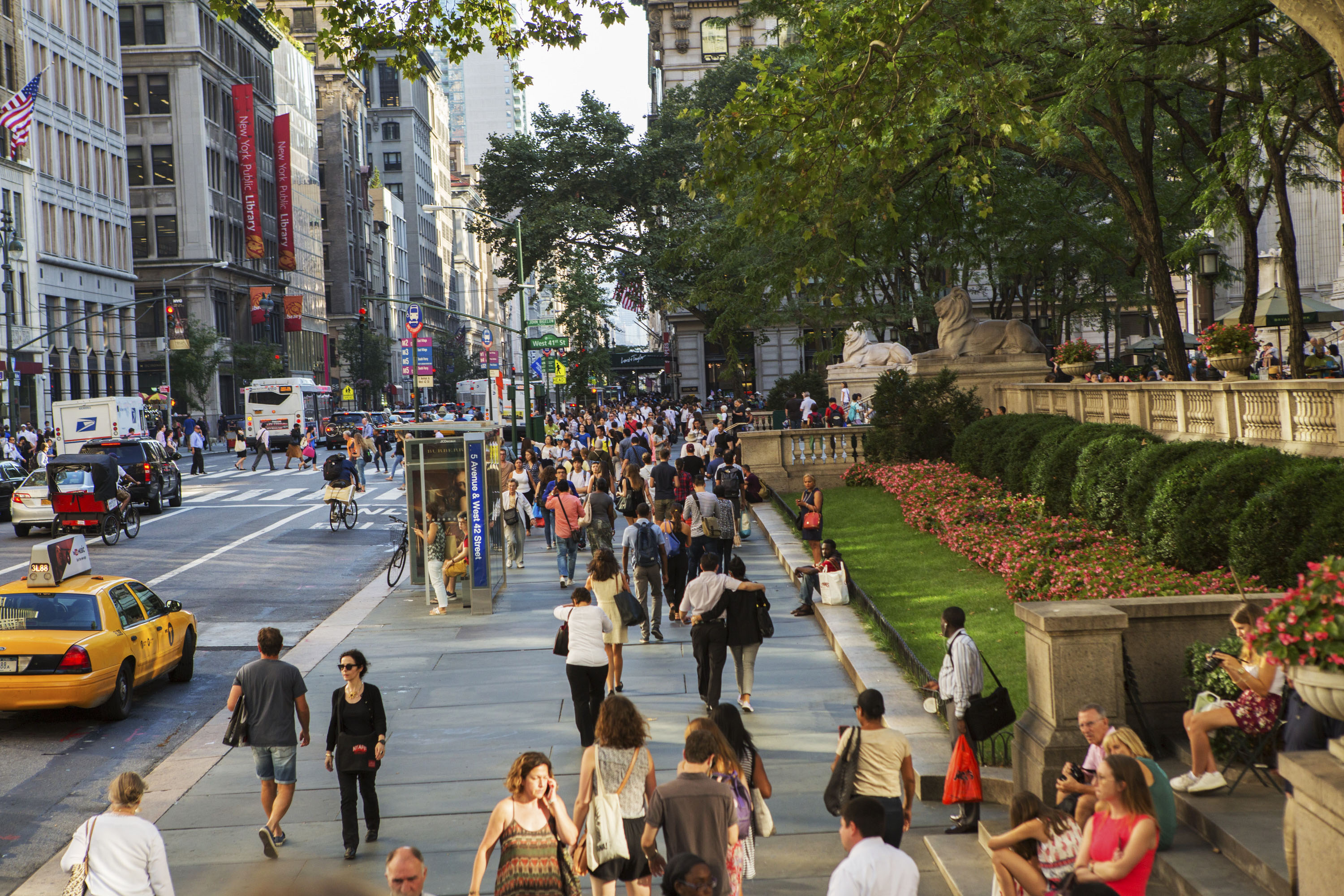
The Commercial Real Estate Landscape: A Hub of Institutional Capital
At its core, Midtown NYC is defined by its verticality and its price per square foot. It contains the highest concentration of “Class A” office space in the United States. For institutional investors, particularly Real Estate Investment Trusts (REITs) and sovereign wealth funds, Midtown real estate is considered a “safe haven” asset class, comparable to gold or Treasury bonds.
The Dynamics of Class A Office Space
Class A office space refers to the highest quality buildings in the market—those with premier locations, state-of-the-art infrastructure, and prestigious tenant rosters. In Midtown, the demand for these spaces remains a critical indicator of corporate health. Even as remote work trends have shifted the landscape, the “flight to quality” has intensified. Major firms are willing to pay record-breaking rents—often exceeding $200 per square foot—for top-tier amenities in buildings like One Vanderbilt or the redeveloped 425 Park Avenue.
Investment Strategies and Asset Valuation
Investing in Midtown real estate is a game of high barriers to entry and long-term appreciation. Because the land is finite and the zoning is highly regulated, the supply of new inventory is limited. This scarcity drives asset valuation. Investors analyze “Cap Rates” (Capitalization Rates) meticulously in this district. While Midtown yields might be lower than those in emerging markets, the risk-adjusted returns are historically stable, making it a cornerstone for pension funds and global insurance companies looking to preserve capital while capturing rental growth.
The Financial Nerve Center: From Wall Street to Midtown East
Historically, the “Money” niche of New York City was anchored in Lower Manhattan (Wall Street). However, the mid-20th century saw a massive migration of financial power toward Midtown. Today, while the stock exchanges remain downtown, the actual decision-makers—the hedge funds, private equity firms, and investment banks—are largely concentrated in Midtown East and along the Park Avenue corridor.
The Hedge Fund and Private Equity Clustering
The area surrounding Grand Central Terminal and the Plaza District is often referred to as the “Hedge Fund Capital of the World.” Firms such as Blackstone, Apollo Global Management, and KKR maintain massive footprints here. The reason is simple: proximity. In high-stakes finance, being within a few blocks of legal counsel, prime brokers, and institutional partners creates a network effect that facilitates deal-making and information flow.
Corporate Headquarters and Fortune 500 Density
Midtown is the primary command post for corporate America. From JPMorgan Chase and Morgan Stanley to media giants like NBCUniversal and The New York Times Company, the density of Fortune 500 headquarters is unparalleled. This concentration of corporate power drives a massive ancillary economy, including high-end business services, corporate litigation firms, and specialized consultancy agencies. For a business strategist, Midtown represents the ultimate B2B marketplace.
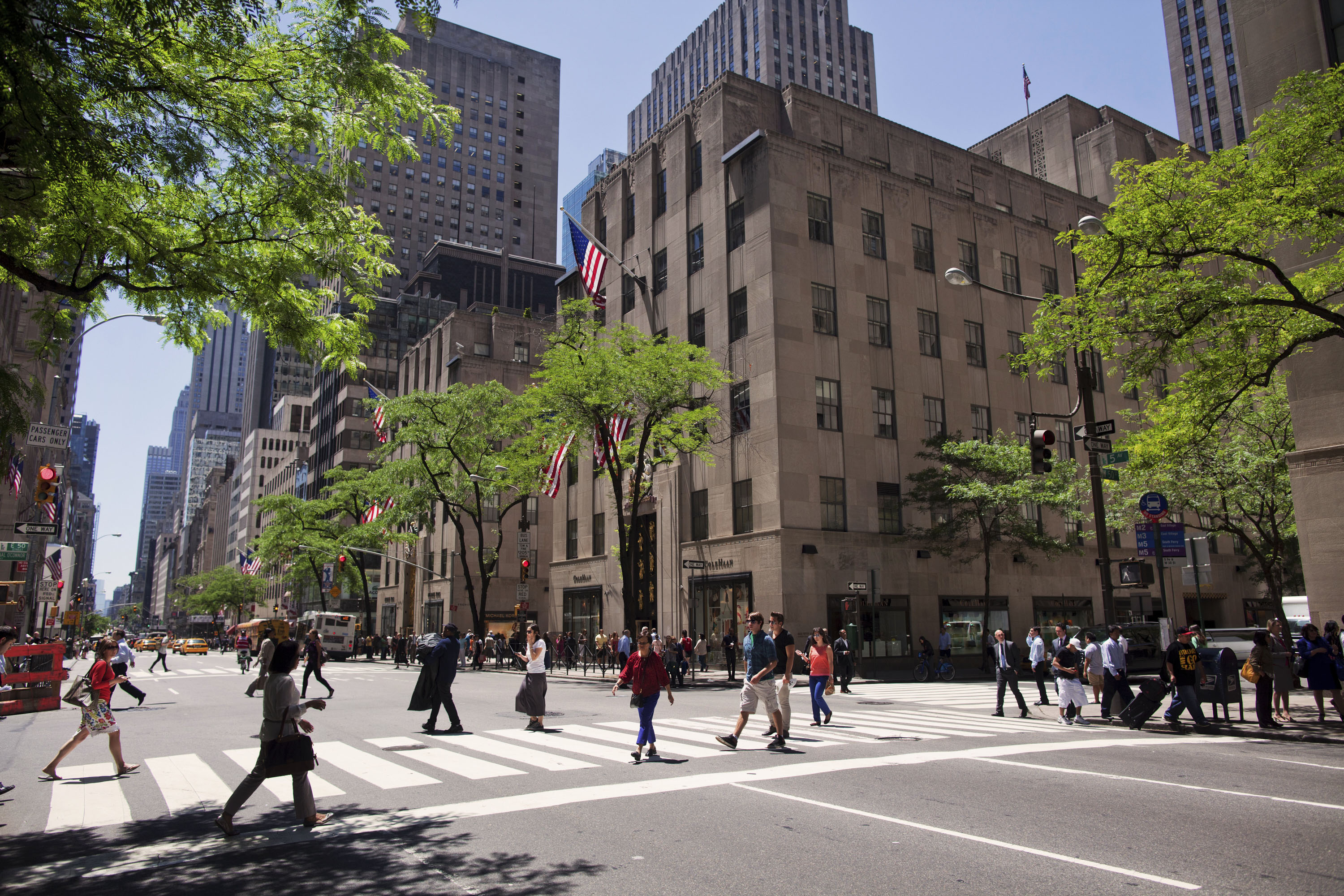
Retail Power and the Luxury Economy of Fifth Avenue
When discussing the financial profile of Midtown, one cannot ignore the “Golden Mile.” The stretch of Fifth Avenue between 49th and 60th Streets represents the pinnacle of global retail investment. This is where brand value meets high-finance real estate, creating some of the highest rental yields in the world.
Fifth Avenue: The Valuation of Prestige
Retailers like Tiffany & Co., Rolex, and Apple do not just rent space on Fifth Avenue for the direct sales; they do it for the “billboard effect” and brand equity. From a financial perspective, these leases are among the most expensive on earth. For the landlords—often old-line New York real estate families or massive REITs like Vornado or SL Green—these properties are trophy assets that anchor entire portfolios. The health of Midtown retail is a direct reflection of global consumer confidence and the spending power of the ultra-high-net-worth (UHNW) demographic.
The Hospitality and Tourism Revenue Stream
Midtown acts as a massive revenue engine for the city through its hospitality sector. With thousands of hotel rooms ranging from the luxury suites of the St. Regis to massive business-traveler hubs, the “RevPAR” (Revenue Per Available Room) in Midtown is a key metric for the travel and leisure investment sector. The district’s ability to draw millions of tourists annually feeds into a multi-billion dollar ecosystem of dining, entertainment, and transportation, all of which contribute significantly to the city’s tax base and fiscal health.
The Future of Midtown: Adaptation and Economic Evolution
The narrative of Midtown NYC is currently undergoing a significant shift. The post-pandemic era has forced a re-evaluation of how commercial hubs function. However, rather than a decline, we are witnessing an era of massive capital reinvestment and rezoning intended to future-proof the district’s economic dominance.
The Midtown East Rezoning Initiative
To maintain its competitive edge against global rivals like London’s Canary Wharf or Tokyo’s Marunouchi, NYC implemented the Midtown East Rezoning. This fiscal and urban planning strategy allows for the construction of taller, more modern skyscrapers in exchange for private investment into the city’s transit infrastructure. This has triggered a new wave of construction and capital expenditure, signaling to investors that Midtown remains the premier destination for long-term institutional capital.
Hudson Yards and the Expansion of the West Side
The development of Hudson Yards—the largest private real estate development in U.S. history—has effectively expanded the definition of Midtown toward the West Side. This $25 billion project represents a massive bet on the future of the “Work-Live-Play” model. By attracting tech giants like Amazon and Meta, alongside traditional finance firms, Hudson Yards has diversified the Midtown economic portfolio, ensuring that the district remains resilient across different market cycles.
Conclusion: Why Midtown Matters to Your Bottom Line
What is Midtown NYC? It is the fiscal heartbeat of the modern world. For the investor, it represents a landscape of premium assets and stable returns. For the entrepreneur, it is a dense network of potential partners and high-value clients. For the economist, it is a living laboratory of urban resilience and capital concentration.
Understanding the “Money” behind Midtown is essential for anyone looking to grasp the mechanics of global business. It is a place where every skyscraper represents a billion-dollar entry on a ledger and every street corner plays a role in the flow of international commerce. While the world of finance continues to digitize and decentralize, the physical reality of Midtown NYC remains the undisputed anchor of the global economy. Whether through the lens of REIT performance, corporate relocation trends, or luxury retail yields, Midtown is—and likely will remain—the most important “gold mine” in the world of business.
aViewFromTheCave is a participant in the Amazon Services LLC Associates Program, an affiliate advertising program designed to provide a means for sites to earn advertising fees by advertising and linking to Amazon.com. Amazon, the Amazon logo, AmazonSupply, and the AmazonSupply logo are trademarks of Amazon.com, Inc. or its affiliates. As an Amazon Associate we earn affiliate commissions from qualifying purchases.